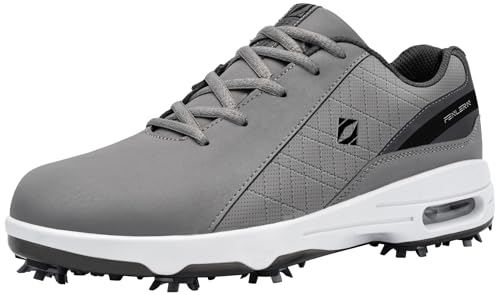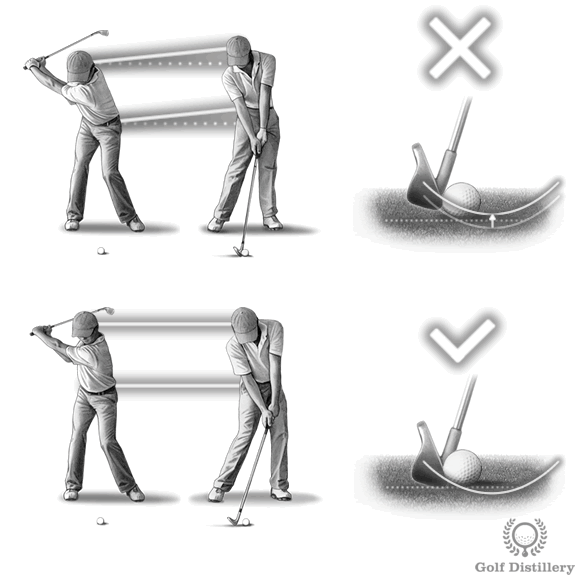
What Are The Best Waterproof Golf Shoes: Buying Guide
Wet grass can change a golf round before the first tee shot. Moisture can make your feet cold, reduce comfort, and weaken your grip inside the shoe. The best waterproof golf shoes help keep water out while giving you stable footing, enough flex to walk, and comfort for the full round.
The right choice depends on more than a waterproof label. Course type, walking distance, weather, swing speed, foot shape, age, and playing level all matter. A beginner on an executive course may need a different design from a low-handicap player walking a hilly links course.

Quick Answer: What Are the Best Waterproof Golf Shoes?
The best waterproof golf shoes combine a sealed upper, covered seams, a stable outsole, useful traction, and enough comfort for walking 18 holes. Look for a waterproof rating or clear weather claim, but also check heel hold, toe room, arch support, sole flex, and traction for wet grass. Spiked and spikeless designs can both work. Your course, stride, and local weather should guide the choice.
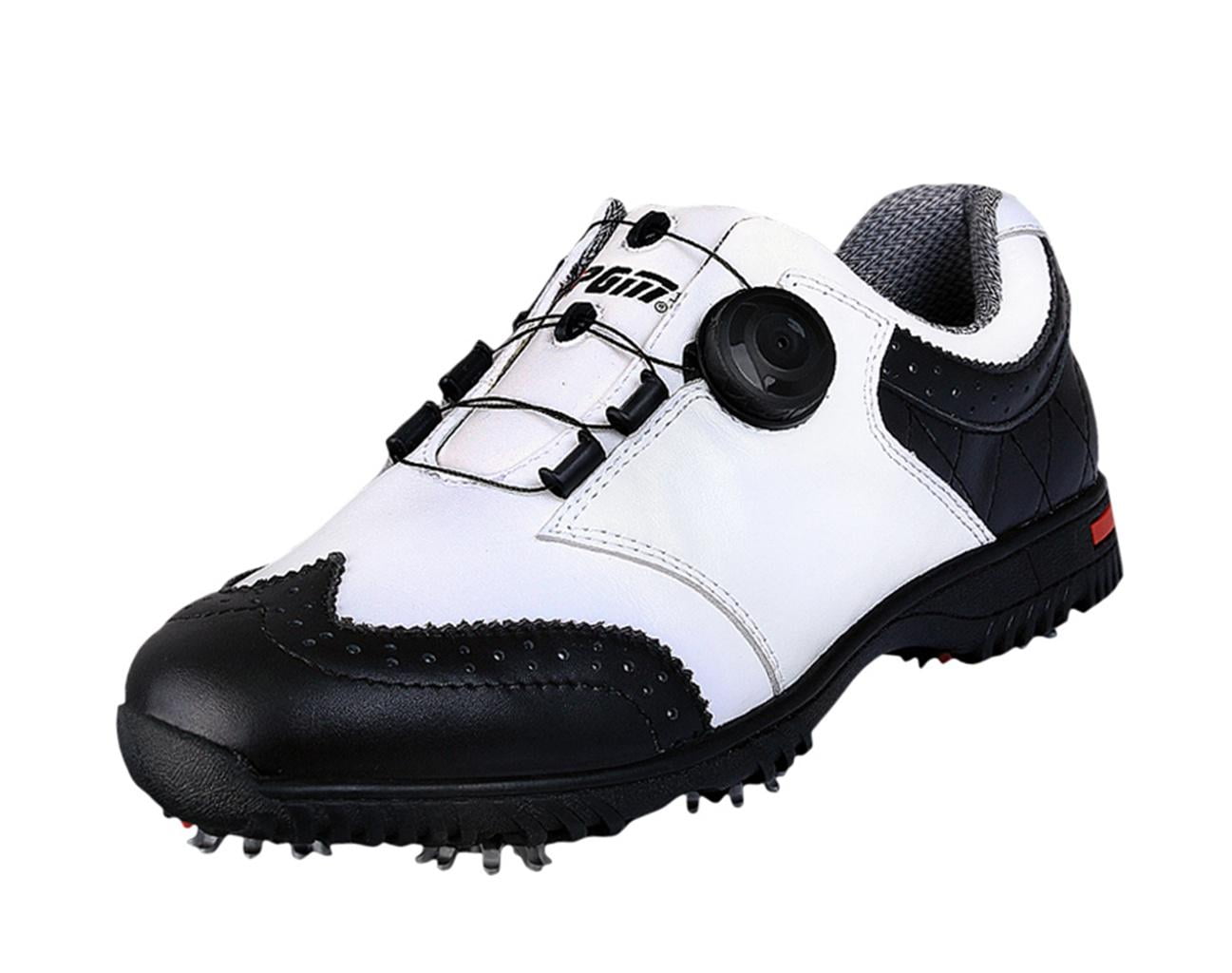
A waterproof golf shoe should protect your feet without feeling like a stiff work boot. It should let your foot roll from heel to toe during a walk and stay stable during the backswing, downswing, and follow-through.
For most golfers, the best design is the one that keeps feet dry, supports a steady stance, and remains comfortable from the first tee to the final green. Waterproof performance matters, but fit and traction matter just as much.
Why Waterproof Golf Shoes Matter
Waterproof golf shoes matter because wet feet can affect comfort, balance, and focus. A damp foot may slide inside the shoe. That small movement can change your stance, posture, and pressure shift during the swing.
Golf also places unusual demands on footwear. You may walk on fairway grass, soft rough, firm paths, slopes, bunkers, and wet cart areas during one round. Your shoes need to handle forward walking and the twisting forces created during impact.
Wet Grass Changes Your Footing
Wet grass often feels slick, even when it does not look dangerous. Moisture can reduce traction between the outsole and the ground. This matters most during the downswing, when the lead foot must help you brace and rotate.
A golfer with a fast swing speed may create more force through the feet. A beginner may move more slowly but still lose balance through poor stance width or uneven ground. Waterproof shoes cannot fix poor footwork, but good traction can help you feel more secure.

Walking Comfort Affects the Whole Round
A round of golf can involve several miles of walking. Tired feet can change your posture and make it harder to maintain a smooth tempo. A stiff ankle or sore heel may also affect your stance before the next shot.
This matters for seniors, juniors, and golfers returning after an injury. A lighter shoe with a flexible sole may suit a flat executive course. A more supportive shoe may suit a hilly course or a golfer who carries a bag.
| Playing need | Useful shoe feature | Why it matters |
|---|---|---|
| Wet morning round | Sealed upper and covered seams | Helps limit water entry |
| Hilly walking course | Heel hold and midsole support | Helps reduce foot fatigue |
| Fast swing speed | Stable outsole and firm heel | Supports balance during rotation |
| Beginner play | Flexible sole and wide base | Makes walking and stance changes easier |
| Junior golf | Light weight and proper fit | Supports natural movement |
The key takeaway is simple: waterproofing protects comfort, while support and traction protect movement. A shoe that keeps feet dry but causes heel slip is not a strong all-around choice.
What Makes a Golf Shoe Truly Waterproof?
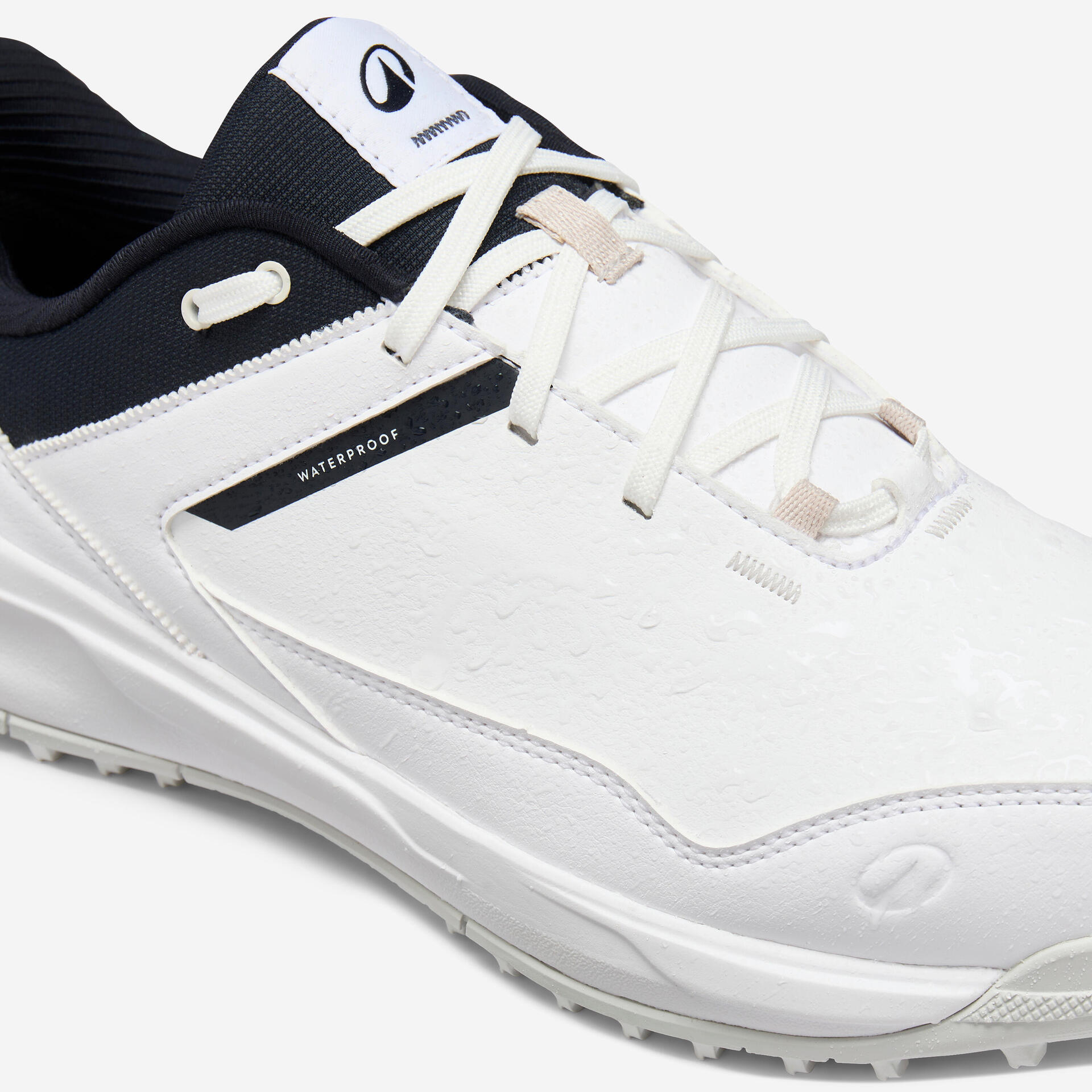
A truly waterproof golf shoe uses a water-resistant outer material, a barrier or membrane, and construction that limits water entry at seams. The tongue, lace area, sole connection, and heel collar are common weak points.
Many shoes described as water resistant can handle light dew or a short shower. Waterproof designs aim to handle deeper moisture for longer. The exact level varies, so golfers should read the maker’s current technical details and care instructions.
Waterproof Versus Water Resistant
Water resistant means a shoe can slow water entry. Waterproof means the design offers a stronger barrier against water under stated conditions. These terms are not always used in the same way across brands or regions.
Dewy grass may require less protection than steady rain. A morning round after overnight rain may also involve wet rough and soft paths. Your local climate should guide how much protection you need.
| Term | Practical meaning | Best use |
|---|---|---|
| Water resistant | Delays water entry in light moisture | Dry climates and short wet spells |
| Waterproof | Gives stronger protection in wet play | Rainy climates and early tee times |
| Water-repellent finish | Helps droplets roll off the surface | Light moisture and easier cleaning |
| Sealed construction | Limits water entry at seams | Wet grass and steady rain |
Do not judge waterproof performance by the upper alone. The tongue, eyelets, stitching, and sole bond also matter. If water can enter through the top of the shoe, a coated outer material cannot provide full protection.
The Tongue, Collar, and Laces
A gusseted tongue connects the tongue to the sides of the shoe. This design can reduce the open gap behind the laces. A well-covered lace area also helps stop rain from reaching the sock.
The collar should feel secure without pressing on the ankle. A loose collar may allow water to enter. A tight collar can cause rubbing, especially during a long walk or when wearing thicker socks.
The Sole and Upper Connection
The upper is the material around the foot. The outsole is the part that touches the ground. The area where these parts meet must remain well sealed.
Repeated bending can stress this connection. So can walking on steep slopes, climbing cart paths, or standing in deep rough. Proper care can help extend the life of the seal.
Spiked vs. Spikeless Waterproof Golf Shoes
The main difference between spiked and spikeless golf shoes is how they create traction. Spiked shoes use replaceable or fixed traction elements. Spikeless shoes use molded patterns and rubber zones across the sole.
Neither design suits every golfer or course. Spiked shoes may offer a more focused grip in soft or wet conditions. Spikeless shoes often feel more natural when walking on paths and clubhouse floors.

How Spiked Shoes Perform
Spiked shoes can help golfers who play in wet climates or on courses with soft turf. Their traction elements can press into the ground and support a stable stance.
They may suit golfers with high swing speed, strong lower-body rotation, or a history of slipping. They can also suit players who face steep lies and damp fairways.
A possible limitation is walking comfort on hard ground. Some golfers also find that spikes feel less natural on roads or indoor surfaces. Course rules may restrict certain outsole types, so check local policy.
How Spikeless Shoes Perform
Spikeless designs use a pattern of rubber lugs or traction zones. They can work well for golfers who walk often, play on firm courses, or move between the course and other surfaces.
They may suit beginners, casual players, and seniors who value an easy walking feel. They can also suit junior golfers who need a lighter shoe for practice and play.
Their limitation is that traction can vary with turf and wear. A worn tread may not grip wet slopes as well as a fresh one. Inspect the outsole before a rainy season.
| Design | Strength | Limitation |
|---|---|---|
| Spiked | Strong grip in soft or wet turf | May feel less comfortable on hard paths |
| Spikeless | Easy walking and flexible use | Traction depends on tread pattern and wear |
| Hybrid traction | Mix of grip and walking comfort | Performance varies by outsole design |
For wet, hilly courses, focused traction may matter most. For firm, flat courses and frequent walking, a flexible spikeless sole may be more suitable. The best waterproof golf shoes are not identical for every player.
How to Choose Waterproof Golf Shoes for Your Game
Choose waterproof golf shoes by matching the design to your foot, course, weather, and playing habits. Fit should come before style. A shoe that is too loose can create friction and movement. A shoe that is too tight can restrict the foot and cause pressure points.
Try shoes with the socks you use for golf. Stand in your normal golf posture. Your toes should have room to spread, while your heel should stay in place when you walk and rotate.

Check Toe Room and Width
Your toes need room to move without touching the front. This matters during downhill walks, when your foot may slide forward. A narrow toe box can also create pressure during a long round.
Width needs vary among men, women, juniors, and seniors. Women’s golf shoes often use different shape standards, but gender labels do not replace a proper fit. A woman with a wider foot may need a wide shape. A man with a narrow foot may need a narrower shape.
Left- and right-handed players do not need different shoe shapes. Both players still need balanced support because the lead and trail feet experience different forces during the swing.
Test Heel Hold
Heel hold is the feeling that your heel stays in place while the rest of the foot moves. It should feel secure but not painful. Heel slip can cause blisters and may make you feel unstable during the backswing.
Walk up a slight incline if possible. Take a few slow practice swings. If your heel lifts with each step or rotation, the fit may not suit your foot.

Assess Sole Flex
The sole should flex near the front of the foot. It should not fold easily under the arch. Too much flex may reduce stability. Too little flex may make walking feel stiff.
A beginner may prefer a natural walking feel. An improving golfer with a strong weight shift may prefer a firmer base. A senior golfer with limited ankle movement may need more flex and cushioning.
Look at Midsole Support
The midsole sits between the upper and outsole. It helps manage impact and gives the foot a platform. A soft midsole may feel comfortable but can feel less stable for some golfers.
Support needs differ by body size, fitness, and walking habits. A golfer who carries a bag may need more cushioning than someone who rides. A player with a past foot issue should ask a qualified health professional or footwear specialist for guidance.
Consider Waterproof Breathability
A sealed shoe can trap heat if it does not allow enough vapor to escape. Breathability matters in warm, humid weather. It also matters for golfers who sweat heavily or walk 18 holes.
There is often a trade-off between maximum water protection and airflow. A shoe for cold, wet mornings may need more sealing. A shoe for warm summer storms may need a lighter design.
| Foot or playing concern | What to check | Who may benefit |
|---|---|---|
| Heel movement | Secure collar and heel counter | Walkers and golfers with narrow heels |
| Wide forefoot | Broad toe shape | Many beginners and wider-footed golfers |
| Limited ankle motion | Flexible forefoot | Some seniors and injured players after clearance |
| Strong rotation | Stable midfoot and outsole | Advanced players and fast swingers |
| Long walking rounds | Cushioning and low weight | Golfers who carry or walk hills |
The best fit is not the tightest fit. Your foot should feel held, not squeezed. If numbness, sharp pressure, or rubbing appears during a short walk, the design may not suit you.
Best Waterproof Golf Shoes by Course and Weather
The best waterproof golf shoes depend on the ground under your feet. A damp links course, a soft parkland course, and a firm desert course create different demands.
Course type also affects traction. A links course may expose you to wind, rain, firm turf, and uneven ground. A parkland course may have wet grass, mud, tree roots, and steep rough. An executive course may involve more paths and less demanding lies.

Rainy Parkland Courses
Parkland courses often have trees, soft fairways, and wet rough. A sealed upper and strong outsole grip can help you stay comfortable. Mud may collect in the tread, so check the sole after each round.
A golfer with a high handicap may benefit from stable footing while learning stance and balance. A low-handicap golfer may value traction during uneven lies and controlled shot shaping.
Links Courses
Links courses can be firm underfoot even when the air is wet. The ground may include slopes, exposed paths, and short grass. A flexible shoe with reliable grip may suit walking and repeated changes in surface.
Do not assume that more aggressive traction is always better. Deep traction can feel awkward on hard ground. The course’s local conditions should guide the choice.
Hot and Wet Climates
Warm rain creates a comfort challenge. The shoe needs water protection but should also manage heat. A lighter upper, moisture-managing socks, and a secure fit can help reduce hot spots.
Take breaks when safe. Change wet socks after the round. Persistent skin irritation may need medical advice.
Cold Morning Conditions
Cold air can make materials feel less flexible. Feet may also swell or feel stiff during the first holes. A warm-up routine can help you move better before the first tee.
Wear socks that fit inside the shoe without compressing your toes. Thick socks do not solve a poor fit. They may make a tight shoe even tighter.
| Course or weather | Main challenge | Useful design priority |
|---|---|---|
| Heavy rain | Water entry and slick turf | Sealed upper and strong traction |
| Morning dew | Wet grass and cool feet | Waterproof barrier and warm socks |
| Firm links | Hard ground and slopes | Flexible sole with balanced grip |
| Hilly parkland | Climbing and uneven lies | Heel hold and midsole support |
| Warm storms | Moisture and heat | Water protection with airflow |
| Frosty morning | Stiff materials and cold feet | Flexible build and comfortable fit |
Wet weather also changes course management. A wet fairway may reduce roll. A wet bunker may become firm or compact. Waterproof shoes help your feet, but they do not remove the need to adjust club choice, ball position, or target selection.
Waterproof Golf Shoes for Different Golfers
There is no single best waterproof golf shoe for every golfer. A player’s age, handicap index, fitness, swing style, and course routine all shape the answer.
Handicap index measures a player’s potential scoring ability under a defined system. It does not tell you which shoe to wear. Still, a newer golfer may have different needs from an experienced golfer who creates strong ground force during impact.

Beginners and High-Handicap Golfers
Beginners often need comfort, simple traction, and a stable base. They may spend time practicing chipping, pitching, bunker shots, putting, and full swings in one session.
A flexible, supportive shoe can make walking and stance practice easier. Beginners should avoid a fit that feels highly specialized or restrictive. Learning how to stand, grip the club, and shift pressure takes time. Comfortable footwear lets attention stay on the basics.
Improving Amateurs
Improving golfers may notice how the feet interact with the swing. They may work on tempo, posture, backswing width, downswing sequencing, and impact position.
A stable midfoot can help them feel more connected to the ground. It cannot create a better swing by itself. If a player is changing technique, a lesson with a PGA professional can help separate footwear issues from swing faults.
Seniors
Senior golfers may value cushioning, low weight, and easy walking. Joint comfort can become more important than aggressive traction on firm ground.
A golfer with back, knee, ankle, or foot pain should not use shoes to mask symptoms. Stop if pain develops and seek advice from a doctor or qualified health professional.
Women Golfers
Women should focus on fit, width, heel hold, and comfort rather than assume a gender label guarantees a good shape. Foot shape varies widely.
A woman with a narrow heel may need a different heel structure from a woman with a wide forefoot. Socks, orthotics, and swelling during a long round can also affect fit.
Junior Golfers
Junior shoes should fit the child’s current foot. Oversized shoes can cause heel slip and poor balance. Shoes that are too small can restrict movement.
Parents should check fit during the season because children grow quickly. Junior golfers also need a safe warm-up, a clear swing area, sun protection, hydration, and close supervision around carts and wet paths.
| Golfer | Main footwear need | Common mistake to avoid |
|---|---|---|
| Beginner | Comfort and simple stability | Choosing a stiff shoe before learning fit |
| Improving amateur | Stable base with natural flex | Blaming shoes for a swing fault |
| Senior | Cushioning and easy walking | Ignoring pain or reduced balance |
| Woman golfer | Correct width and heel fit | Relying only on gender labels |
| Junior golfer | Proper size and low weight | Using oversized shoes for growth |
A shoe cannot replace golf fitness. Strong legs, mobile hips, and steady balance can help you walk and swing with less strain. A short warm-up before the round can prepare the feet, ankles, hips, and trunk.
Golf Shoe Traction and the Golf Swing
Traction helps your feet interact with the ground during the golf swing. It supports balance during the backswing, pressure movement in the downswing, and rotation through impact.
The feet do not need to be locked in place. The trail heel may lift, and the lead foot may rotate through the follow-through. Good traction allows controlled movement rather than uncontrolled sliding.

Traction During the Backswing
During the backswing, pressure often moves toward the trail side for many golfers. The trail foot needs enough grip to support a stable turn without forcing the knee or ankle into a poor position.
A golfer who grips the ground too hard may create tension. This can affect tempo and the shoulder turn. Shoes should support movement, not encourage a rigid stance.
Traction During the Downswing
The downswing happens quickly. The lead foot helps the golfer brace and rotate as the club moves toward impact. Wet grass can make this phase feel uncertain.
If you often feel your lead foot slide, check more than the shoes. Your stance may be too wide, your pressure shift may be too sudden, or your balance may be poor. A PGA professional can watch the movement and suggest a safe change.
Traction on Slopes
On a sidehill lie, both shoes may sit at different angles. The goal is not to force a normal swing. Shorter swings, better balance, and a safer target often matter more.
A shoe with strong grip can help, but it cannot make an unsafe lie safe. Choose a club and motion that reduce the risk of losing balance.
💡 Pro Tip: Before a wet round, make several slow practice swings. Feel whether either foot slips, twists, or lifts too soon. This check suits beginners and experienced golfers because it reveals both traction and balance issues.
| Swing phase | Footwork demand | Helpful shoe quality |
|---|---|---|
| Backswing | Stable trail-side pressure | Secure heel and balanced grip |
| Downswing | Controlled pressure shift | Firm midfoot support |
| Impact | Lead-side bracing and rotation | Stable outsole |
| Follow-through | Natural release and finish | Forefoot flex |
| Uneven lie | Balance and reduced force | Reliable traction without stiffness |
How to Care for Waterproof Golf Shoes
Care helps waterproof golf shoes maintain their seal and traction. Mud, grass, salt, and standing water can damage materials if they remain on the shoe.
Clean the shoes after the round. Use a soft brush or cloth that suits the upper. Remove mud from the outsole before it dries into the tread.

Dry Them Slowly
Do not place wet golf shoes against a heater or in a hot car. High heat can dry out materials, weaken adhesives, and change the shape.
Remove the insole if the care instructions allow it. Let the shoes dry in a cool, ventilated place. Use plain paper to absorb moisture, but avoid packing the toe so tightly that it changes the shape.
Inspect Seams and Tread
Look at the sole edge, lace area, heel collar, and stitching. Early wear can show where water may enter. Check the outsole for smooth areas, cracks, or packed mud.
Replace worn traction parts only when the design allows it. Follow the current care instructions. If waterproof performance fails despite proper care, the shoe may have reached the end of its useful life.
Rotate Use When Possible
Allowing shoes to dry fully can improve comfort and reduce odor. Golfers who play often may benefit from rotating pairs, but the main lesson is simple: do not store wet shoes in a closed bag.
| Care task | How to do it | Why it helps |
|---|---|---|
| Remove mud | Brush the upper and outsole | Protects material and tread |
| Dry after play | Air dry away from direct heat | Helps protect shape and seals |
| Check seams | Inspect stitching and sole edge | Finds wear early |
| Clean tread | Clear grass and mud from lugs | Restores contact with turf |
| Store correctly | Keep dry with airflow | Reduces odor and material damage |
🌿 Course Care Note: Clean mud from your shoes before walking onto a practice green or clubhouse floor. Removing loose soil also helps protect the course and keeps pace of play moving.
Common Waterproof Golf Shoe Mistakes
The most common mistake is treating waterproofing as the only feature that matters. Dry feet are useful, but poor fit, weak traction, or an overly stiff sole can still make a round harder.
Another mistake is wearing new shoes for 18 holes without a short test. Even a well-made shoe can rub a certain foot shape. Walk in them gradually and check for hot spots.

Mistake 1: Choosing a Loose Fit
A loose shoe allows the foot to slide. This can cause blisters and reduce confidence during the swing. It may also lead to early fatigue.
Use socks that match your golf routine. Lace the shoe firmly without cutting off circulation. Your heel should stay down as you walk.
Mistake 2: Choosing a Tight Fit
A tight shoe can cause numb toes, pressure on the little toe, or pain across the forefoot. Feet may swell during a long round, especially in warm weather.
A shoe should not need to be “broken in” through severe discomfort. Stop using it if pain appears.
Mistake 3: Ignoring Outsole Wear
A waterproof upper does not matter much if the tread is worn smooth. Inspect traction before wet play. This is especially important for golfers who play on slopes or swing with high force.
Mistake 4: Assuming Spikes Always Win
Spikes can offer strong grip, but they may not suit firm ground, long walks on paths, or a golfer who dislikes a rigid feel. Spikeless shoes can also provide strong traction when the tread is well designed and in good condition.
Mistake 5: Using Shoes to Fix a Swing Problem
Footwear may affect comfort and confidence. It does not fix a slice, hook, shank, poor posture, or weak grip. If a fault keeps returning, seek a qualified golf lesson.
| Mistake | What may happen | Better approach |
|---|---|---|
| Loose fit | Heel slip and blisters | Check heel hold while walking |
| Tight fit | Numbness and pressure | Leave useful toe room |
| Worn tread | Sliding on wet grass | Inspect the outsole |
| Wet storage | Odor and material damage | Dry with airflow |
| Blaming footwear | No progress in technique | Check swing basics and seek help |
Waterproof Golf Shoes and Golf Rules
Golf shoes must follow local course and competition policies. The Rules of Golf do not normally tell every golfer which shoe design to use, but clubs may set conditions about footwear, especially traction elements and course protection.
A committee may adopt a local rule or club policy that restricts certain spikes. Confirm the current policy before a competition. Check the latest Rules of Golf and your local committee for updates.

Course Protection
Footwear can affect turf. Aggressive traction may leave marks when a golfer twists or drags a foot. This is more likely on wet greens and soft ground.
Walk carefully near greens. Avoid unnecessary twisting. Repair ball marks, replace divots, rake bunkers, and keep carts away from restricted areas.
Competition and Pace of Play
Shoes should support safe movement without slowing play. If you stop often to adjust laces or remove mud, your footwear may not be working for you.
In stroke play, every shot counts toward the total score. In match play, the result of each hole matters. In a scramble, a team uses selected shots. In Stableford, points depend on scores relative to par. None of these formats removes the need to follow local footwear rules.
📜 Check the Rules: Club and tournament policies can change. Verify the current Rules of Golf, local rules, dress code, and spike policy with the governing body or committee.
| Situation | What to check | Why |
|---|---|---|
| Club competition | Footwear and spike policy | Avoid a rules or access issue |
| Wet green | Traction and turf impact | Protects putting surfaces |
| Cart use | Cart path and safety rules | Reduces slips and damage |
| Practice area | Shoe and surface policy | Protects turf and mats |
The main rule lesson is that footwear usually affects local policy and course care more than scoring rules. When in doubt, ask the committee before the round.
A Simple Waterproof Golf Shoe Checklist
Use a short checklist before making a footwear decision. It can help beginners avoid jargon and help experienced players compare designs on useful points rather than appearance.
Walk, stand, and make slow practice swings if the setting allows. Test both shoes because feet can differ slightly in size and shape.

Fit Checklist
- Do your toes have room to move?
- Does your heel stay in place?
- Does the shoe pinch when you bend your knees?
- Does the arch feel supported without pressure?
- Can you walk without rubbing?
- Can you hold a balanced golf stance?
Weather Checklist
- Do you often play in dew?
- Is your course soft, hilly, or exposed?
- Do you play in heavy rain or light showers?
- Is the climate warm and humid?
- Do you need airflow as well as water protection?
Swing and Walking Checklist
- Do you carry your bag?
- Do you walk 18 holes?
- Do you create strong lower-body rotation?
- Do you play on steep slopes?
- Do you need a flexible shoe for comfort?
| Checklist area | Good sign | Warning sign |
|---|---|---|
| Fit | Secure heel and relaxed toes | Sliding or numbness |
| Waterproofing | Covered seams and clear protection claim | Open gaps and weak seal |
| Traction | Grip without forced foot movement | Sliding or rigid feel |
| Walking | Smooth heel-to-toe roll | Stiff or heavy steps |
| Care | Easy cleaning and drying | Materials that trap mud |
The best choice should pass all three tests: fit, function, and care. If one area fails, waterproofing alone should not decide the outcome.
FAQs About the Best Waterproof Golf Shoes
Q: Are waterproof golf shoes worth using?
A: They can help golfers who play in dew, rain, wet rough, or damp climates. They are most useful when dry feet improve comfort across a full round. They may be less important for golfers who play only in dry weather or spend little time on wet turf.
Q: Are spiked or spikeless shoes better in rain?
A: Neither is always better. Spiked shoes may offer strong grip on soft turf. Spikeless shoes may feel easier to walk in and can work well when their tread is fresh. Course surface, slope, swing force, and personal comfort decide the better fit.
Q: What are the best waterproof golf shoes for beginners?
A: Beginners usually benefit from a comfortable, stable, and flexible design. The shoe should hold the heel, leave toe room, and provide reliable traction. A beginner does not need an aggressive or highly rigid design unless the course and personal movement require it.
Q: What are the best waterproof golf shoes for seniors?
A: Many seniors prefer light shoes with cushioning, easy flex, secure heel hold, and steady traction. The right choice depends on foot shape and health. Persistent pain, balance problems, or swelling should be discussed with a doctor or qualified professional.
Q: Do waterproof golf shoes feel hot?
A: Some can feel warmer than less sealed designs. The effect depends on the upper, lining, socks, humidity, and walking distance. In warm weather, look for a balance between water protection and airflow.
Q: Can waterproof golf shoes stop me from slipping?
A: They can help improve contact with wet ground, but they cannot guarantee safety. Poor balance, steep slopes, mud, worn tread, and sudden movement can still cause a slip. Use shorter swings and safer targets on difficult lies.
Q: Do golf shoes improve a golf swing?
A: Golf shoes can support balance and comfort, but they do not correct grip, stance, posture, tempo, backswing, downswing, or impact faults. A lesson with a PGA professional is a better path for a recurring swing issue.
Q: How long do waterproof golf shoes take to break in?
A: Comfort varies by foot and design. Many golfers should test them with short walks and practice sessions before playing 18 holes. Severe rubbing or pain is a fit warning, not a normal break-in stage.
Q: Can I wear golf shoes on a driving range?
A: Usually, but follow the range’s rules. Some ranges use mats, while others use grass. Clean loose mud and avoid dragging your feet across practice turf.
Q: Do golf shoes need to be waterproof for morning golf?
A: Not always, but dew can soak through ordinary fabric. Golfers who often play early may value stronger water protection. If the course is dry and the walk is short, water resistance may be enough.
Q: Are waterproof golf shoes different for men and women?
A: The shape may differ, but fit matters more than the label. Men and women can have narrow, wide, high-volume, or low-volume feet. Choose based on toe room, heel hold, width, and comfort.
Q: What should parents look for in junior waterproof golf shoes?
A: Parents should check correct length, safe heel hold, low weight, comfortable flex, and enough traction for wet grass. Avoid oversized shoes. Good junior footwear should support natural walking and swinging, not force the child into a stiff stance.
Q: Can left-handed golfers use the same waterproof golf shoes?
A: Yes. Shoe design does not depend on whether a player is left- or right-handed. Both players need balanced support, though their lead and trail feet experience different forces during the swing.
Q: Can waterproof golf shoes be used for walking off the course?
A: Some spikeless designs are comfortable on paths, but golf shoes are built for turf and golf movement. Spiked designs may feel poor on hard floors. Follow course and facility rules, and avoid wearing muddy shoes indoors.
Q: What socks work best with waterproof golf shoes?
A: Use socks that manage moisture and fit without bunching. Thin socks may improve room in a close-fitting shoe. Thicker socks may add warmth in cold weather but can create pressure if the shoe is already snug.
Q: Do waterproof golf shoes affect putting?
A: They can affect comfort and balance during putting, but they do not change green reading or stroke mechanics. A steady stance can help you focus on pace, face control, and the path of the putter.
Final Thoughts
The best waterproof golf shoes are the ones that match your weather, course, foot shape, and movement. Start with a secure fit, useful toe room, reliable traction, and a sole that supports a natural walk. Then consider waterproof construction, breathability, weight, and care.
Beginners should favor comfort and simple stability. Improving players should check how the shoe supports rotation and balance. Seniors may need cushioning and easy flex, while juniors need correct sizing and safe movement.
No shoe replaces sound golf habits. Warm up before play, stay hydrated, use sun protection, leave the course at the first lightning warning, and ask for professional help when pain or swing faults persist. Dry feet can make a round more pleasant, but smart movement, good etiquette, course care, and steady decisions remain the heart of golf.