How To Choose A Golf Bag: Expert Buying Guide
Choose a golf bag by matching weight, carry style, pockets, and how many clubs you carry.
I’ve played golf for years and tested many bags on courses and during travel. This guide shows exactly how to choose a golf bag that fits your game, budget, and routine. I’ll walk you through types, features, fit, common mistakes, and real-world tips so you can buy with confidence and enjoy every round.

Types of golf bags and when to use each
Golf bags come in clear types. Knowing these helps you decide which bag fits your play style.
- Carry / Sunday bags: Light and simple. Best for walking short rounds or quick practice.
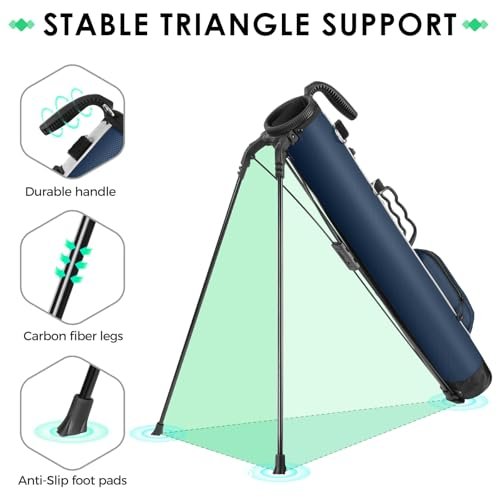
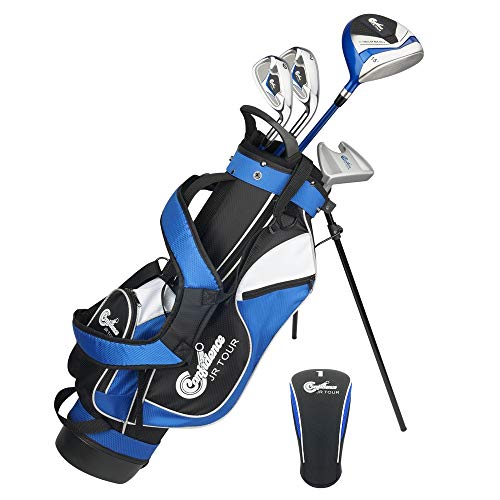
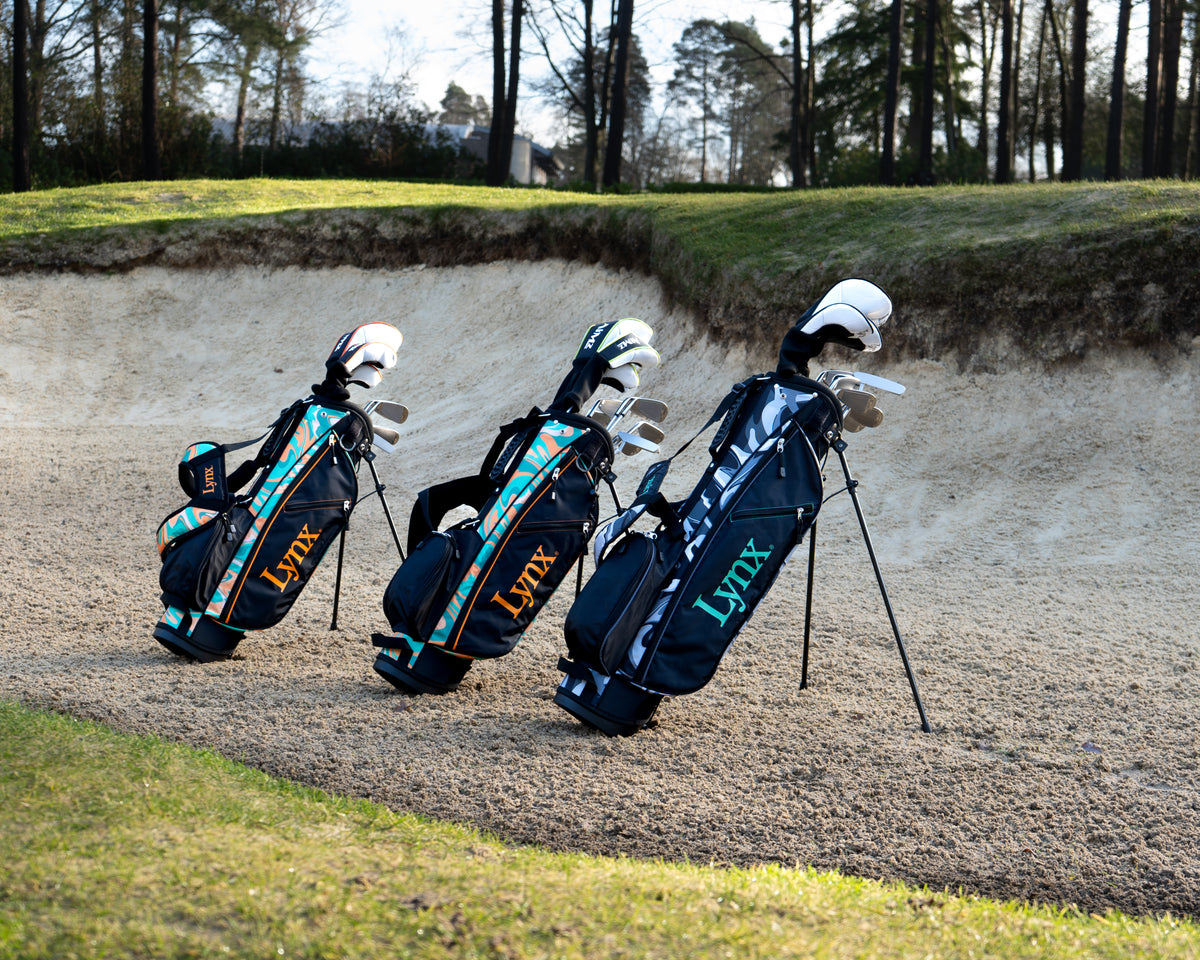
- Stand bags: Built-in legs and easy to carry. Ideal if you walk most rounds.
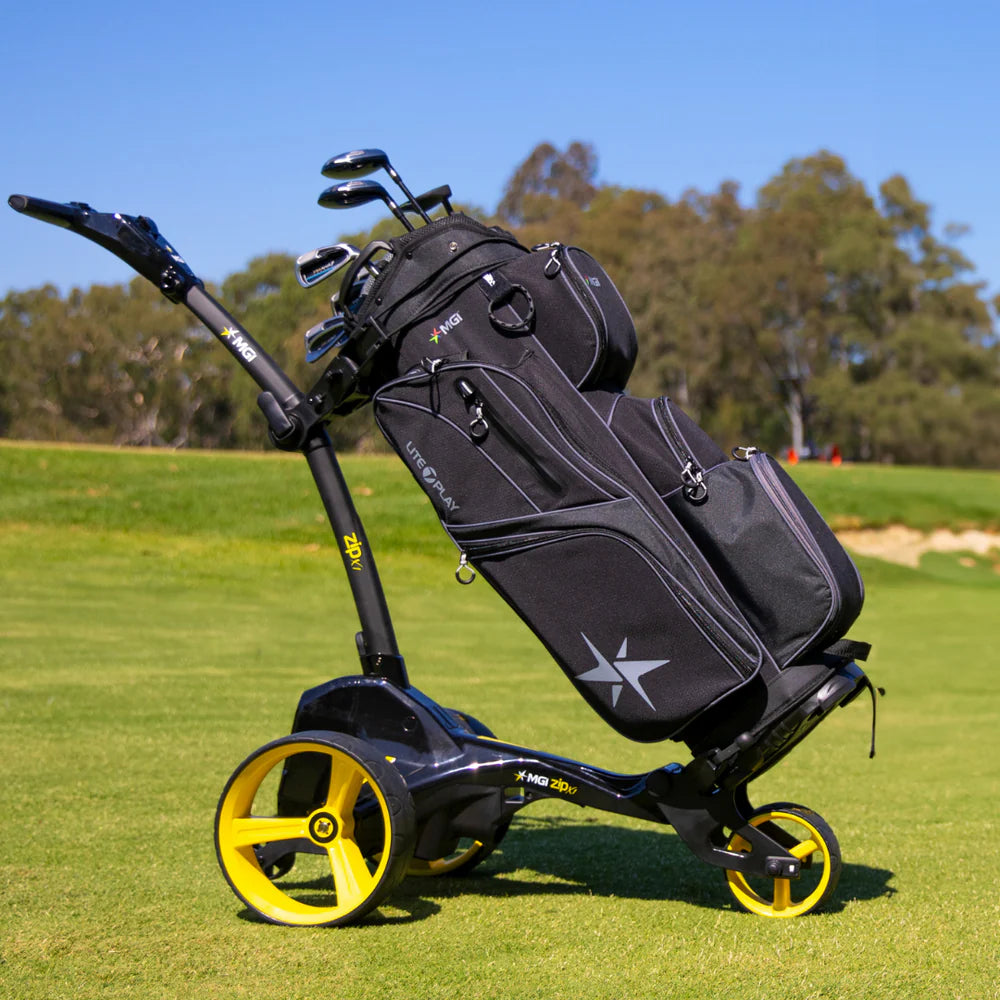
- Cart bags: Heavier with many pockets. Designed to sit on a push or ride cart.
- Staff bags: Large and premium. Used by pros or golfers who want a classic look.
- Travel bags: Hard or padded bags to protect clubs when flying.
Choosing by type answers the first step in how to choose a golf bag. Pick the type that matches how you move on the course and how much storage you need.
Key features to evaluate before buying
Focus on features that affect comfort, access, and durability. Check these before you buy.
- Top divider design: 14-way keeps clubs separate; 6-way is lighter and simpler.
- Strap system: Dual straps spread weight; single straps and backpack styles vary comfort.
- Pockets: Look for apparel, valuables, rangefinder, and insulated drink pockets.
- Weight: Lighter bags are easier to carry. Cart bags trade weight for storage.
- Stand mechanism: Smooth, stable legs make setup quick and keep the bag upright.
- Rain protection: Hood, waterproof zippers, and water-resistant fabric matter.
- Base and handle: A stable base fits carts; sturdy handles help lifts and travel.
From my experience, a good strap and balanced top are the two most important features if you walk a lot. Test the straps before buying to avoid shoulder pain.

How to choose a golf bag: Step-by-step guide
Follow these steps to make the choice simple and sure.
- Define your play style and frequency.
- Count how many clubs and accessories you use on a typical round.
- Decide if you walk or use a cart most of the time.
- Set your budget range and comfort priorities.
- Try the bag on in-store or use a weighted test to feel balance.
- Inspect zippers, seams, dividers, and the stand mechanism.
- Confirm fit in your car trunk or cart rack.
- Check warranty and return policy.
This step-by-step method makes how to choose a golf bag fast and practical. It stops impulse buys and leads to a bag you’ll use for years.

Size, club capacity, and organization
Size and layout matter more than looks. Pick the right top and divider setup.
- 14-way top: Best for neat club organization and easy access.
- 6-way or 5-way top: Lighter and simpler with fewer dividers.
- Full-length dividers: Protect shafts and reduce tangling.
- Putter well: A dedicated spot keeps your putter easy to reach.
- Pocket layout: Think gear, scorecards, gloves, and snacks.
When I moved from a 6-way to a 14-way when I started carrying more gear, my pre-shot routine sped up. Organization saves time and keeps clubs safe.

Materials, durability, and weather resistance
The material affects weight, look, and how long your bag lasts.
- Nylon and polyester: Lightweight and water resistant. Common on stand and cart bags.
- Leather and synthetic leather: Stylish and durable but heavier.
- Reinforced seams and heavy-duty zippers: Signs of a long-lasting bag.
- Coatings and sealed seams: Improve water resistance in wet climates.
If you play in damp weather, prioritize water-resistant fabrics, sealed zippers, and a good rain hood. I once ruined a bag by ignoring weather protection; I don’t repeat that mistake.
Budget, brands, and warranty considerations
Decide what you will pay and where to buy for the best value.
- Entry-level: Good for new players and casual use.
- Mid-range: Best balance of durability, features, and price.
- Premium: Top materials, more pockets, and stronger warranties.
- Buy used with care: Inspect zippers, straps, and top for damage.
- Warranty: Look for a clear repair or replacement policy.
Spending wisely matters. I recommend mid-range for most players. It usually offers the best mix of comfort and longevity.
Maintenance, cleaning, and lifespan
Care extends a bag’s life and keeps it looking sharp.
- Clean fabric with mild soap and water; avoid harsh chemicals.
- Dry completely before storage to prevent mold.
- Check zippers and patch small tears early.
- Use a travel case for flights to avoid club damage.
Proper care can double a bag’s life. I always air-dry my bag after rainy rounds and that small habit paid off over seasons.

Common buying mistakes and tips from experience
Avoid these traps to get the right bag the first time.
- Buying by looks only: Function beats style on the course.
- Ignoring shoulder fit: A heavy, ill-fitting strap causes pain.
- Overbuying pockets: Too many pockets add weight you may not use.
- Skipping a test fit: Always lift and wear the bag before paying.
- Not checking compatibility with your cart or trunk: Size surprises are common.
One tip I learned: carry a filled bag while walking a few holes if possible. That real test tells you everything about comfort and balance.
Quick question: Does a cart bag work for walking?
Cart bags are heavier and less comfortable to carry. If you sometimes walk short distances, consider a lighter stand bag instead.
Quick question: Is a waterproof bag worth it?
Waterproof features protect gear in heavy rain and wet climates. For frequent wet play, pay extra for good water resistance.
Quick question: How many pockets do I need?
Choose pockets based on items you carry: rangefinder, phone, gloves, rain gear, snacks, and valuables. Less can be more if you prefer light weight.
Frequently Asked Questions of how to choose a golf bag
What type of bag is best for walking?
Stand bags are generally best for walking because they balance weight and storage. They have straps and legs that make them easy to set down and pick up.
How much should a golf bag weigh?
Aim for 4 to 7 pounds for a stand or carry bag and 6 to 10+ pounds for a cart bag. Lighter bags reduce fatigue if you walk often.
Do I need a 14-way divider?
14-way dividers help keep clubs organized and protect shafts. They are ideal if you carry many clubs and want quick access.
Can I use a cart bag on a push cart?
Yes, most cart bags fit on push carts, but make sure the base and straps secure well. Some cart bags are designed specifically for cart stability.
How important is the strap system?
Very important. A dual strap system spreads weight over both shoulders and is more comfortable on long walks. Try straps with padding and good adjustment.
Is a travel bag necessary for flying with clubs?
A travel bag is recommended for flying to protect clubs and the bag. Hard cases offer the best protection but weigh more than soft travel covers.
How long should a golf bag last?
With regular care, a good golf bag can last 3 to 7 years or longer. Fabric quality, use frequency, and storage conditions affect lifespan.
Conclusion
Choosing the right golf bag comes down to matching type, weight, organization, and weather needs to your play style. Use the step-by-step guide, test straps, check dividers, and buy a bag that fits your routine and budget. Take small steps: try a bag on, test it with your gear, and think about how you move on course. Ready to pick your next bag? Try one in person, compare features, and leave a comment about what fits your game best — I’d love to hear your choice and help you refine it.