How Much Does A Golf Ball Weigh In Ounces: Weight Facts
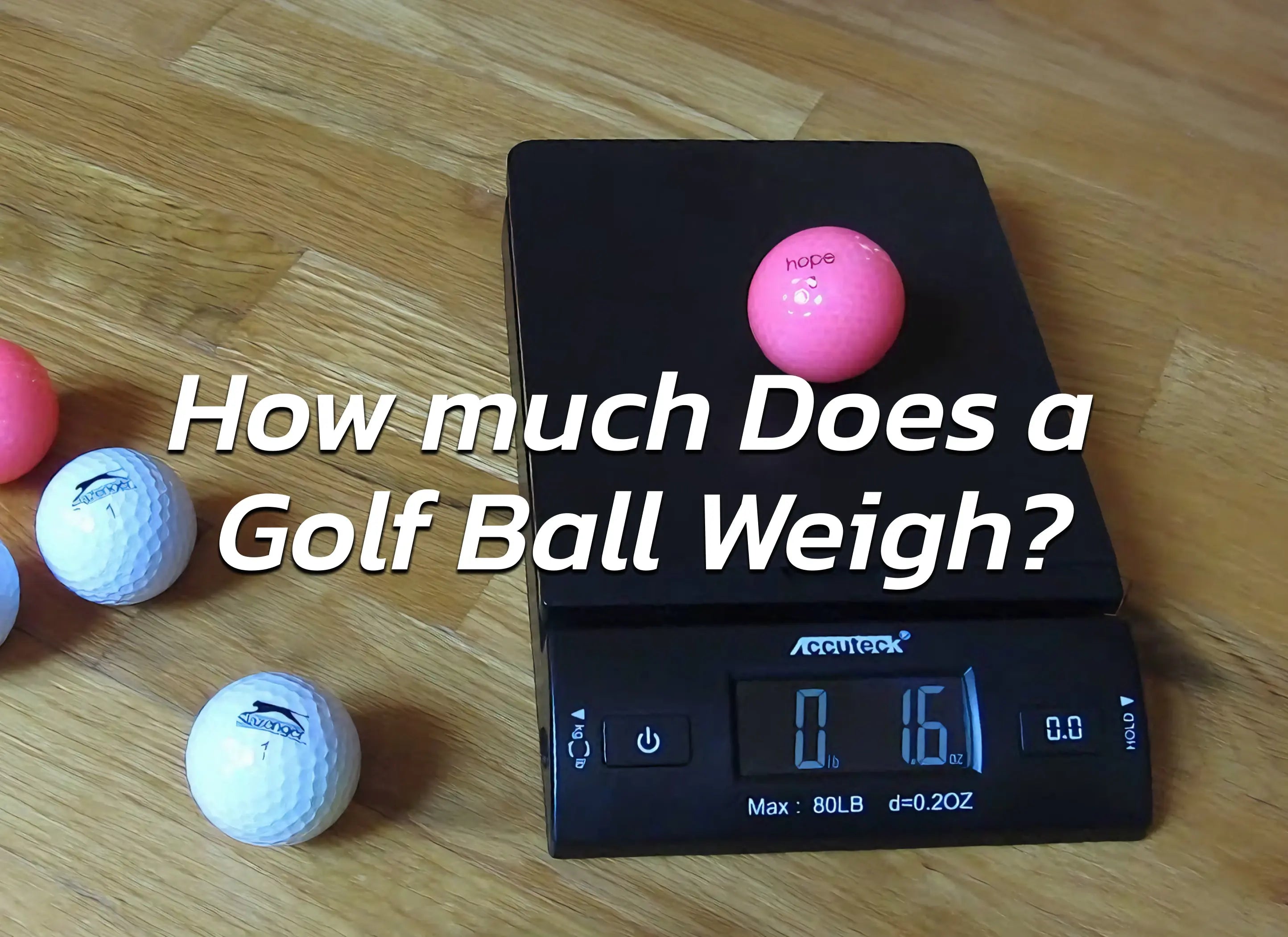
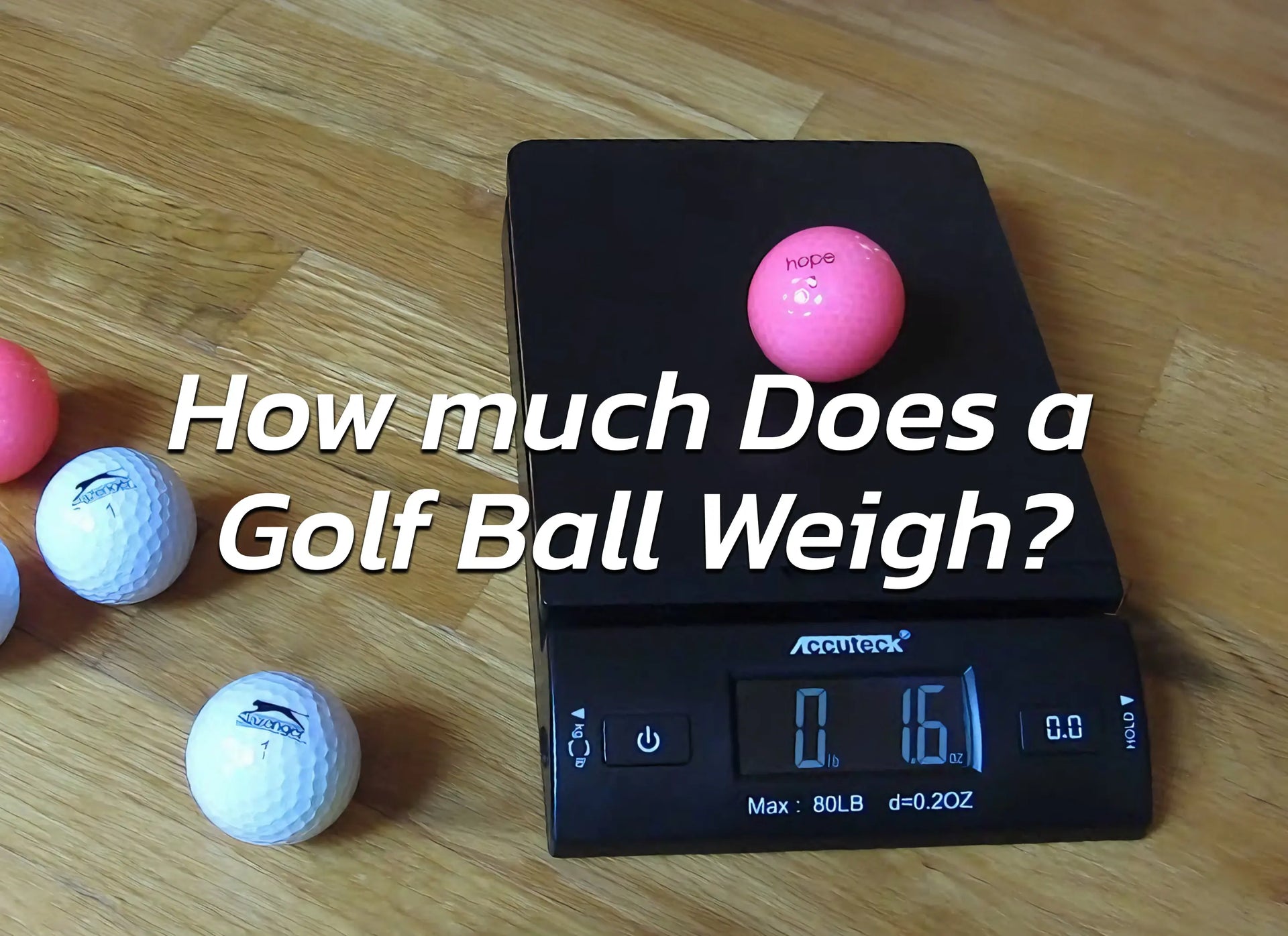
A standard golf ball weighs 1.62 ounces (45.93 grams), the maximum allowed by the rules.
I’ve studied golf gear and tested balls on the range for years, so I’ll walk you through exactly how much does a golf ball weigh in ounces and why that tiny number matters. This guide covers the official weight limit, typical variations by type and brand, how weight affects performance, how to measure a ball yourself, common myths, and practical tips you can use right away.
Official weight and the standard measurement
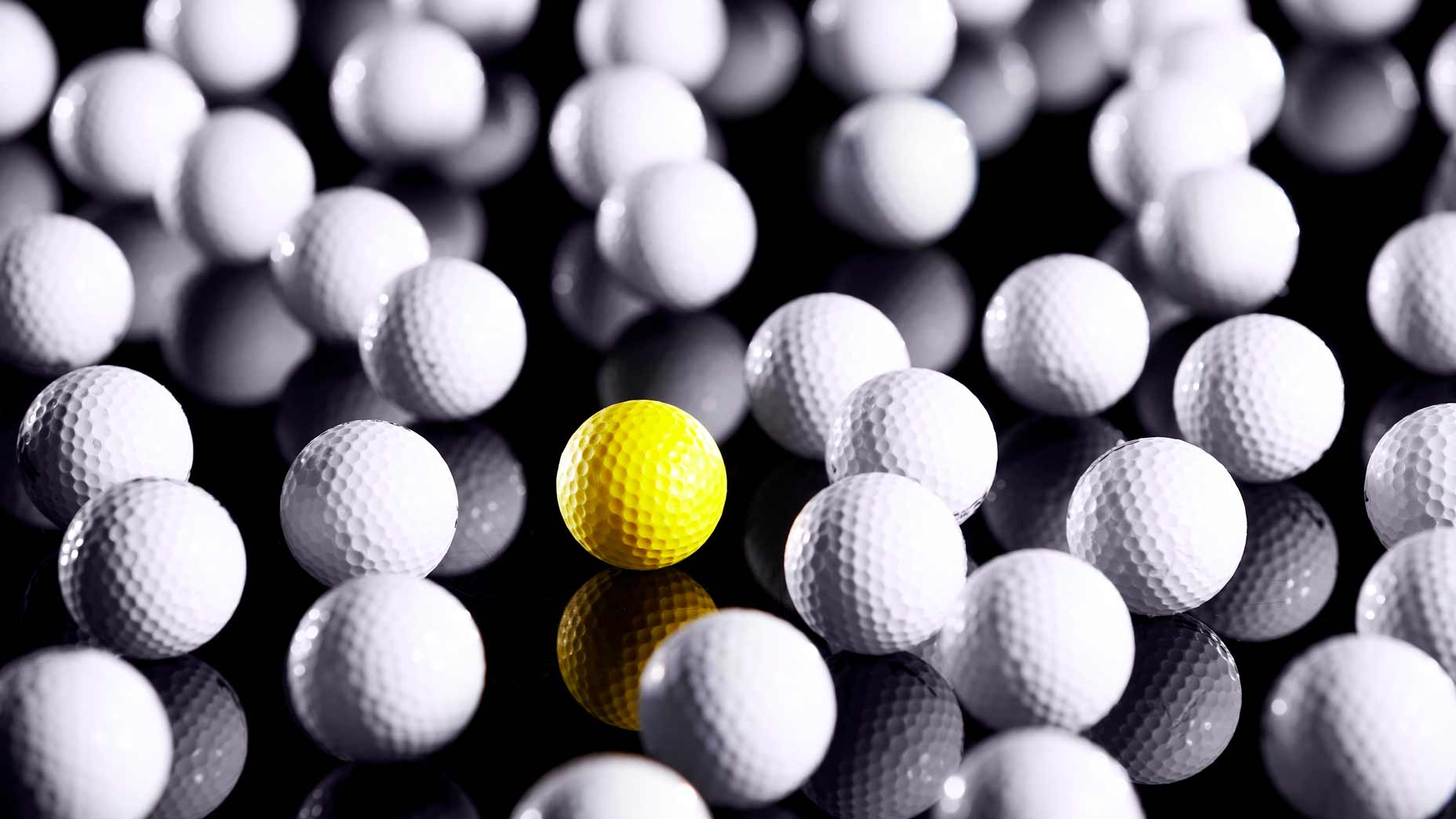
The official maximum weight for a golf ball is 1.62 ounces (45.93 grams). That number comes from the Rules of Golf and is the cap that manufacturers must meet. Most modern golf balls aim very close to that limit to balance distance and control.
- The weight is measured in ounces and grams.
- 1.62 ounces equals 45.93 grams.
- Manufacturers often report weight in grams, then convert to ounces.
Knowing how much does a golf ball weigh in ounces helps you compare models. Lighter or heavier balls within tiny margins can change feel and flight. Manufacturers keep weights nearly identical, so differences are subtle but real.
Why the weight matters: performance and feel
Weight affects launch, spin, and feel at impact. Even small changes can shift ball speed and control.
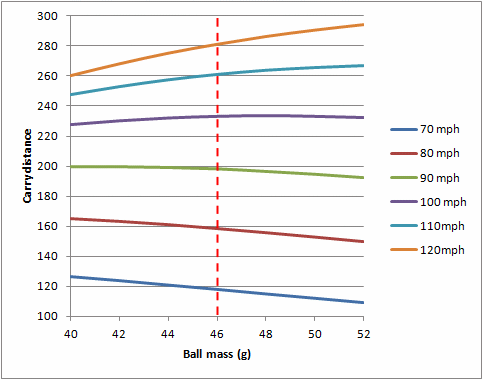
- Distance: A ball near the 1.62-ounce limit can generate higher momentum off the clubhead.
- Spin: Ball construction and weight distribution influence spin more than total weight, but overall mass still plays a role.
- Feel: Heavier-feeling balls can seem firmer or more stable on solid contact.
If you ask how much does a golf ball weigh in ounces to decide which ball to buy, remember weight is only one part. Core design, cover material, and layers matter too.
Typical variations by type and brand
Not all balls weigh exactly 1.62 ounces. Here’s how they vary.
- Tour-level balls: Generally at or just below 1.62 ounces for max distance and consistent flight.
- Mid-range and distance balls: Often engineered to match the standard weight while prioritizing launch characteristics.
- Practice balls and novelty balls: May be lighter or heavier. Practice balls designed for short-range drills can be lighter to reduce stress on nets.
- Older or damaged balls: Waterlogged or cracked balls can gain or lose weight slightly.
Understanding how much does a golf ball weigh in ounces across types helps you choose based on feel and purpose.
How weight is measured and tested
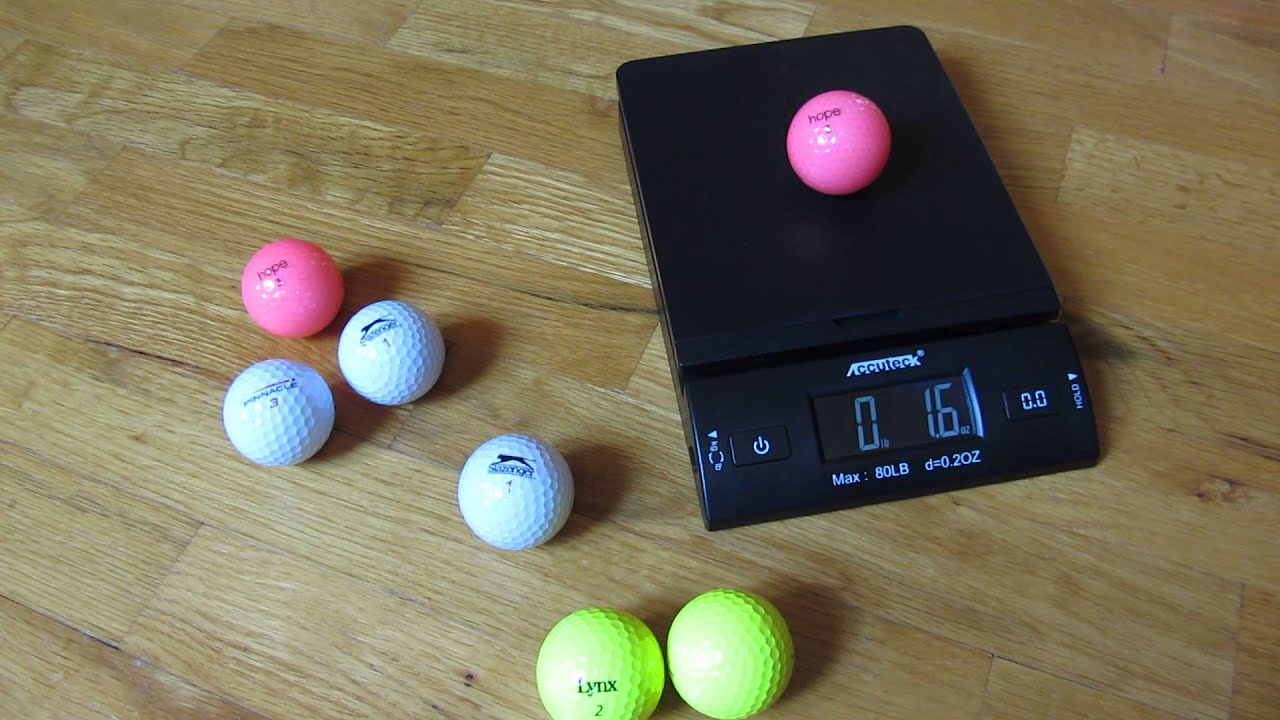
Manufacturers use precision scales and strict lab conditions. Players can measure at home with a digital scale that reads grams to two decimals.
Steps to measure a golf ball at home:
- Zero your digital scale with a small container on it.
- Place the ball gently on the scale.
- Read in grams, then convert to ounces by dividing by 28.3495 or using the scale’s ounce function.
If you test several balls, you’ll see very small variation. Ask yourself how much does a golf ball weigh in ounces and remember that differences under 0.01 ounces are usually negligible.

My personal experience: testing balls and surprises
Over years of club fitting and practice, I weighed dozens of balls. Most clustered tightly around 1.62 ounces. A few older practice balls were lighter and flew a bit shorter. I learned:
- Don’t obsess over minuscule weight differences; feel and spin mattered more in shot shaping.
- For custom fitting, I kept weight consistent to isolate variables like compression and spin.
- If you test balls, do it on the same day and conditions to reduce noise.
These small experiments show why players and fitters focus on a full package, not just how much does a golf ball weigh in ounces.

Practical tips for players
Here are simple, actionable tips to use right away.
- If you want max distance, choose modern tour or distance balls that sit near 1.62 ounces.
- For practice, a slightly lighter ball is fine and can be gentler on nets or backyard setups.
- When buying used balls, weigh a sample if you’re curious — some lose weight after water exposure.
- During club fitting, keep ball weight consistent to isolate shaft and clubhead effects.
Knowing how much does a golf ball weigh in ounces gives you one more metric to make an informed choice.

Common myths and misconceptions
A few myths float around. Let’s clear them up.
- Myth: Heavier balls always go farther. Reality: Distance depends on energy transfer, compression, and spin, not just raw weight.
- Myth: You can buy extra-heavy balls for more accuracy. Reality: Rules limit weight, so “extra-heavy” claims are usually marketing or refer to feel.
- Myth: Ball weight affects handicap. Reality: Skill matters far more; ball choice is a small factor.
As you research products, keep perspective. Ask how much does a golf ball weigh in ounces, but also ask how the ball performs overall.
Related concepts: compression, construction, and feel
Weight interacts with other factors. Here’s how they link.
- Compression: Affects how the ball deforms at impact. A 1.62-ounce ball can have low or high compression.
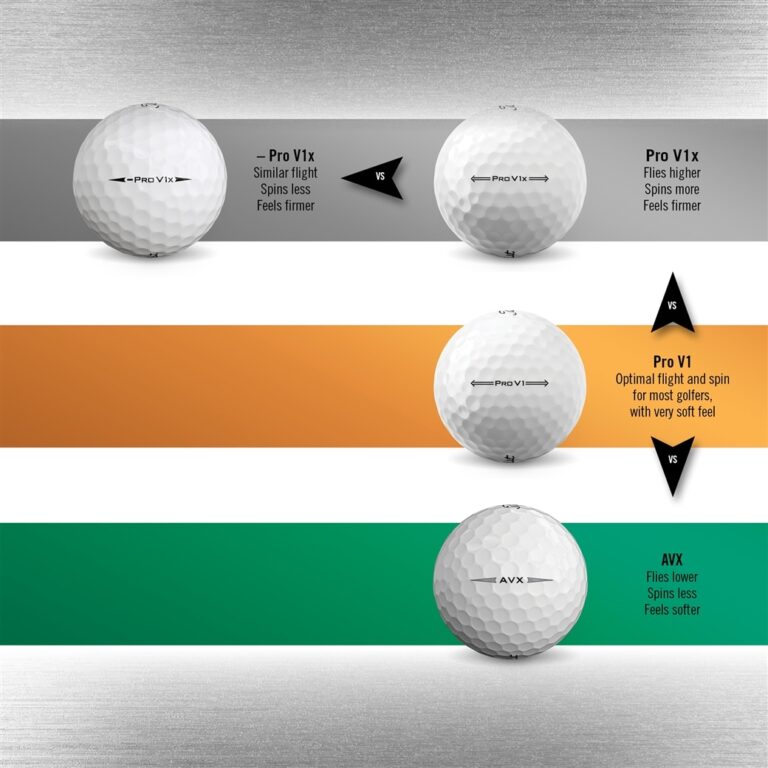
- Layers: Multi-layer balls control spin and feel while the total weight remains near the standard.
- Cover material: Urethane covers feel softer; ionomer covers often feel firmer. Weight is constant, but feel changes.
Talking about how much does a golf ball weigh in ounces is useful, but combining that with compression and cover info gives a fuller picture.

Quick PAA-style questions (short answers embedded naturally)
Q: Will a heavier ball fly straighter?
A: Not necessarily. Flight path depends more on spin, wind, and launch conditions than tiny weight differences.
Q: Can I legally use a ball heavier than 1.62 ounces?
A: No. Rules cap the maximum weight at 1.62 ounces for play in sanctioned competitions.
Q: Does ball weight affect short game feel?
A: Subtly. Feel comes from cover and compression, though total mass plays a small role.
Frequently Asked Questions of how much does a golf ball weigh in ounces
What is the exact weight of a standard golf ball in ounces?
A standard golf ball can weigh up to 1.62 ounces, which equals 45.93 grams.
Do all golf balls weigh the same in ounces?
Most modern golf balls are very close to 1.62 ounces, but practice and novelty balls can vary slightly.
How can I measure a golf ball’s weight in ounces at home?
Use a precise digital scale that reads grams, then convert grams to ounces by dividing by 28.3495 or use the scale’s ounce mode.
Will a lighter golf ball change my distance significantly?
Minor weight differences usually do not change distance much; core, compression, and spin have larger effects.
Is 1.62 ounces the legal limit for tournament golf?
Yes, 1.62 ounces is the maximum allowed weight under the official Rules of Golf.
Conclusion
Understanding how much does a golf ball weigh in ounces gives you a concrete fact to use when comparing balls. Weight matters, but it’s one piece of the puzzle alongside compression, cover, and spin. Try weighing a few balls, consider what you want—distance, control, feel—and choose a ball that matches your game. If you enjoyed this guide, share your own tests, subscribe for more gear tips, or leave a comment about which balls you prefer and why.