How Long Will A Golf Ball Last: Lifespan And Care Tips
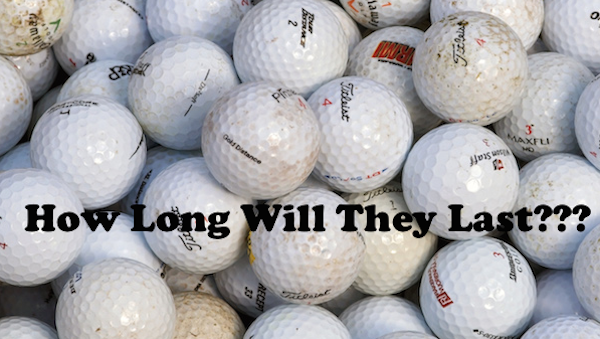
A well-kept golf ball can last years; in play, expect several rounds to months depending on use.
I’ve studied golf gear and spent years testing balls on the course and at the range. In this guide I’ll explain how long will a golf ball last, why some balls fail sooner, and simple steps you can use to get the most life from each ball. Read on for practical tips, clear signs a ball needs replacing, and realistic lifespans by ball type so you can save money and play better.

Factors that determine how long will a golf ball last
Several things affect how long will a golf ball last. The main factors are design, use, and storage.
- Ball construction. Multi-layer balls and urethane covers wear differently than two-piece surlyn balls. Hard cores can keep shape longer, while soft covers scuff more easily.
- Frequency of play. Balls hit daily wear out faster than balls used once a week. Repeated strikes and impacts cause micro-damage.
- Impact quality. Hitting trees, cart wheels, or rocky lies damages balls quickly. Clean strikes on turf are kinder.
- Environmental exposure. Sun, heat, and water speed breakdown. UV and high heat soften cores and degrade covers.
- Storage conditions. Balls stored in cool, dry places last far longer than balls left in hot trunks or damp basements.
Short Q&A within this section:
- Do golf balls expire when unused? Not really. Unused balls can last many years if stored properly, though long-term heat and UV can slowly reduce performance.
- Will water ruin a golf ball? Brief water exposure won’t destroy modern balls, but long immersion and dirty conditions can hide damage and affect feel.
Expected lifespan by type and usage
How long will a golf ball last depends on the ball type and how you use it.
- New premium balls used by low-handicap players. Expect consistent performance for 10–30 rounds if kept clean and not struck by hard objects. Spin and feel may change before the ball visually fails.
- Recreational play. For mid-handicap or casual players, a ball might last 5–20 rounds. Many casual shots are forgiving and slightly scuffed balls still play fine.
- Range balls. These are built tough. A range ball can last months to years under heavy use because they are designed for durability, not premium feel.
- Lost-and-recovered balls. Balls pulled from water hazards, mud, or brush may look fine but often have hidden damage. Expect reduced life after submersion.
- Unused stored balls. If kept in stable conditions, unused balls can remain playable for 5–20+ years. Performance may slowly drift but they rarely fail catastrophically.
Practical lifespan examples:
- Serious amateur on public courses: replace several times per season; many balls last 10–20 rounds.
- Weekend golfer who loses balls: actual life is short—often just one round.
- Driving range operator: range balls can survive thousands of hits but lose resale value for green fees.

How to inspect a golf ball: signs it needs replacing
A quick check can tell you when a ball’s performance is slipping.
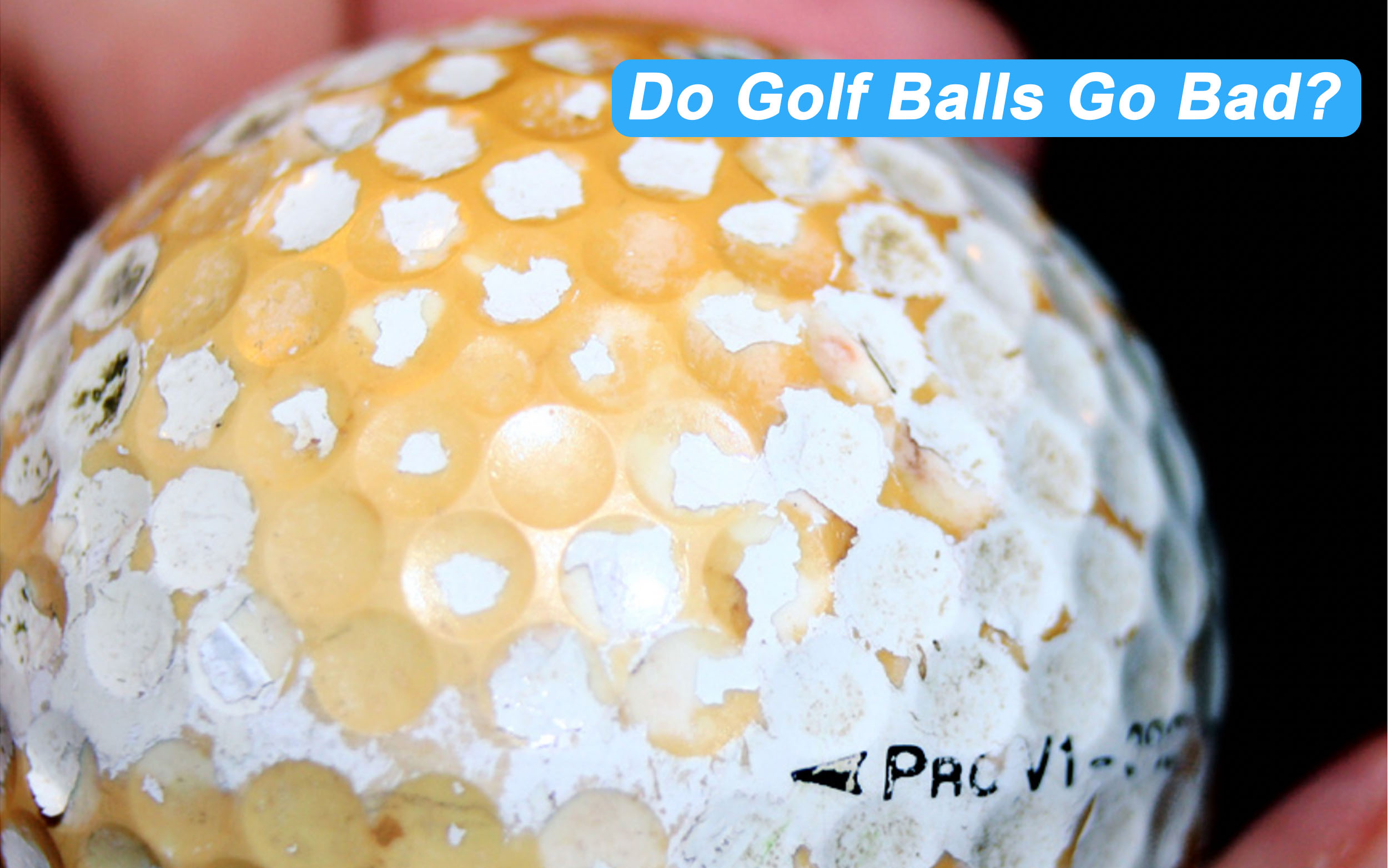
- Visual damage. Cuts, deep scrapes, and chunks missing from the cover mean immediate replacement.
- Surface dulling. Light scuffs are cosmetic. But persistent scuffs or peeling cover show decline.
- Compression and feel. If a ball feels flat or unusually hard/soft compared with new ones, the core may be degraded.
- Flight changes. If shots start to balloon, slice more, or lose distance, the ball could be damaged.
- Spin inconsistency. Short game feel and spin drop are classic signs an older ball lost its cover properties.
Simple tests you can try:
- Bounce test. Drop the ball from waist height on a hard floor and compare rebounds to a new ball. Big differences hint at core issues.
- Paired shot test. Hit the suspect ball and a fresh ball with the same club. Compare feel, distance, and spin.

How to extend golf ball life: storage and care
Small habits stretch a ball’s useful life and preserve performance.
- Clean balls after each round. Use mild soap and a soft brush to remove grit that cuts the cover.
- Dry fully before storing. Moisture trapped in dimples can encourage grime buildup.
- Store cool and dark. Keep balls away from trunks, attics, and direct sunlight to avoid heat and UV damage.
- Rotate your stash. Use older balls first for practice and keep the newer set for scoring rounds.
- Avoid harsh chemicals and high temps. Solvents and extreme heat can degrade cover materials quickly.
- Mark and track. Marking balls helps avoid accidental exposure and lets you track which balls are older.
Environmental and safety considerations
Be mindful of environmental and safety factors when using or disposing of golf balls.
- Lost balls and habitat. Thousands of balls end up in water hazards and natural areas. Consider using retrieved balls responsibly and avoid tossing trash.
- Recycling and reuse. Many used balls are cleaned and resold. This saves money and landfill space.
- Wildlife risk. Small wildlife may interact with balls; avoid leaving them where animals can swallow them.
- Chemical concerns. Some older balls may contain materials that break down; follow local guidelines for disposal if heavily degraded.
Personal experience and real-world tips
I’ve played hundreds of rounds and tested many balls on range machines. Here’s what I learned.
- I once kept a dozen unused balls in a hot garage. After one summer they felt dead and lost about 5–10 yards of carry. Lesson: avoid heat.
- After a tree strike, a ball that looked fine showed reduced spin for weeks. Never trust surface-only checks after big impacts.
- I keep a small rotation: practice balls, backup balls for casual play, and my best set for score rounds. This saved money and kept my scoring balls in top shape.
- Buy smarter, not hoarder-style. Quality balls can last longer for better players. For practice, durable budget balls are fine.
Tips I still use:
- Label balls by purchase date. It helps choose the right ball for each round.
- Use range balls only for driving practice to reduce wear on your premium balls.
Frequently Asked Questions of how long will a golf ball last
How long will a golf ball last if I never use it?
Stored unused, a golf ball can last many years if kept cool, dry, and out of sunlight. Heat and UV exposure will shorten its useful lifespan over time.
How long do range balls last compared to new balls?
Range balls are designed for durability and can last months to years under frequent use. They sacrifice some feel and spin for longevity.
Will a golf ball from water still be good?
Briefly submerged balls may be okay, but long exposure to water often hides damage and reduces performance. Inspect carefully and test before relying on it in scoring play.
How can I tell if a ball lost distance?
Compare the suspect ball with a fresh ball using the same club and swing. If distance and spin drop noticeably, the ball likely lost performance.
Do manufacturers give an expiration date?
Manufacturers do not usually list an expiration date. They design balls for durability, but real-life wear and storage conditions determine actual life.
Conclusion
Understanding how long will a golf ball last helps you save money and play better. Look for visual damage, test feel and flight, and store balls well to extend their life. Use a rotation system: durable balls for practice, and well-kept premium balls for scoring. Start today by checking your stash, cleaning older balls, and storing them in a cool, dark place. If you found this helpful, leave a comment, share your own ball-care tips, or subscribe for more gear and game advice.