How High Should You Tee A Golf Ball: Max Distance Tips
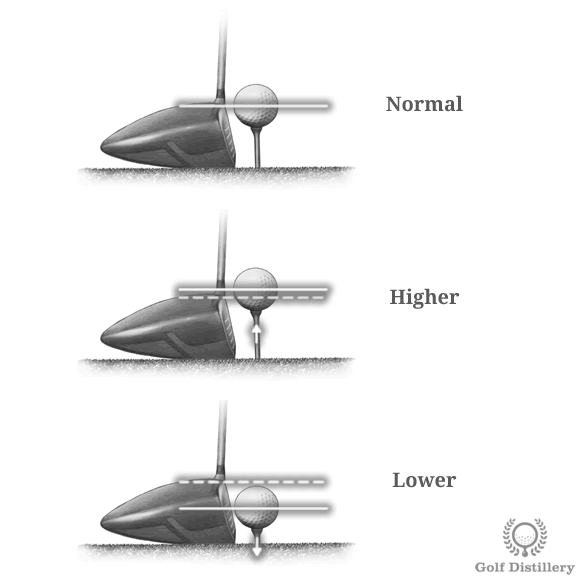
Tee the ball so its equator lines up with the middle of the clubface — about 1.5–2.5 inches for drivers.
I’ve spent years testing tee heights on launch monitors, in windy links, and on calm range mornings, so I know how high should you tee a golf ball matters more than many players realize. This guide explains the why, the how, and exact numbers for every club so you can tee up with confidence and hit straighter, longer shots more often.
Basics: What tee height means and why it matters
Tee height is the vertical distance between the ground and the point on the ball you want to contact. How high should you tee a golf ball changes launch angle, spin, and the part of the clubface you strike. Small changes alter carry, roll, and shot shape, so consistent tee height helps consistency in distance and direction.
Why it matters
- Proper height helps you catch the sweet spot more often.
- It encourages the correct angle of attack for the club.
- It controls spin and launch for optimized distance.
Practical takeaway: tuning how high should you tee a golf ball is a simple way to improve ball flight without changing your swing.

Optimal tee heights by club
Knowing average heights saves time on the range. These are starting points. Adjust to suit your launch and feel.
Driver
- Aim for 1.5–2.5 inches off the ground or about half the ball above the crown of the driver. This encourages an upward angle of attack and lower spin.
- If you hit down on the driver, raise the ball slightly; if you hit too high on the face, lower it a touch.
Fairway woods and 3-wood
- Aim for 0.5–1 inch above the ground. The ball should sit slightly higher than a tee shot with an iron but lower than driver height.
Hybrids and utility clubs
- 0–0.25 inch above the ground. Often barely teed or teed flush with the ground.
Irons (rarely teed)
- Not usually teed on full shots. For a tee shot on a par-3 with irons, set the tee so the ball is level with the sole or just above the ground.
Wedges
- Do not tee wedges except for novelty or specialty shots; keep the ball on the ground for predictable spin and short game control.
These recommendations answer the practical side of how high should you tee a golf ball for each club. Tune from here.
How to measure tee height: simple methods you can use
You don’t need a ruler at the course. Use these quick checks to be consistent.
Driver crown method
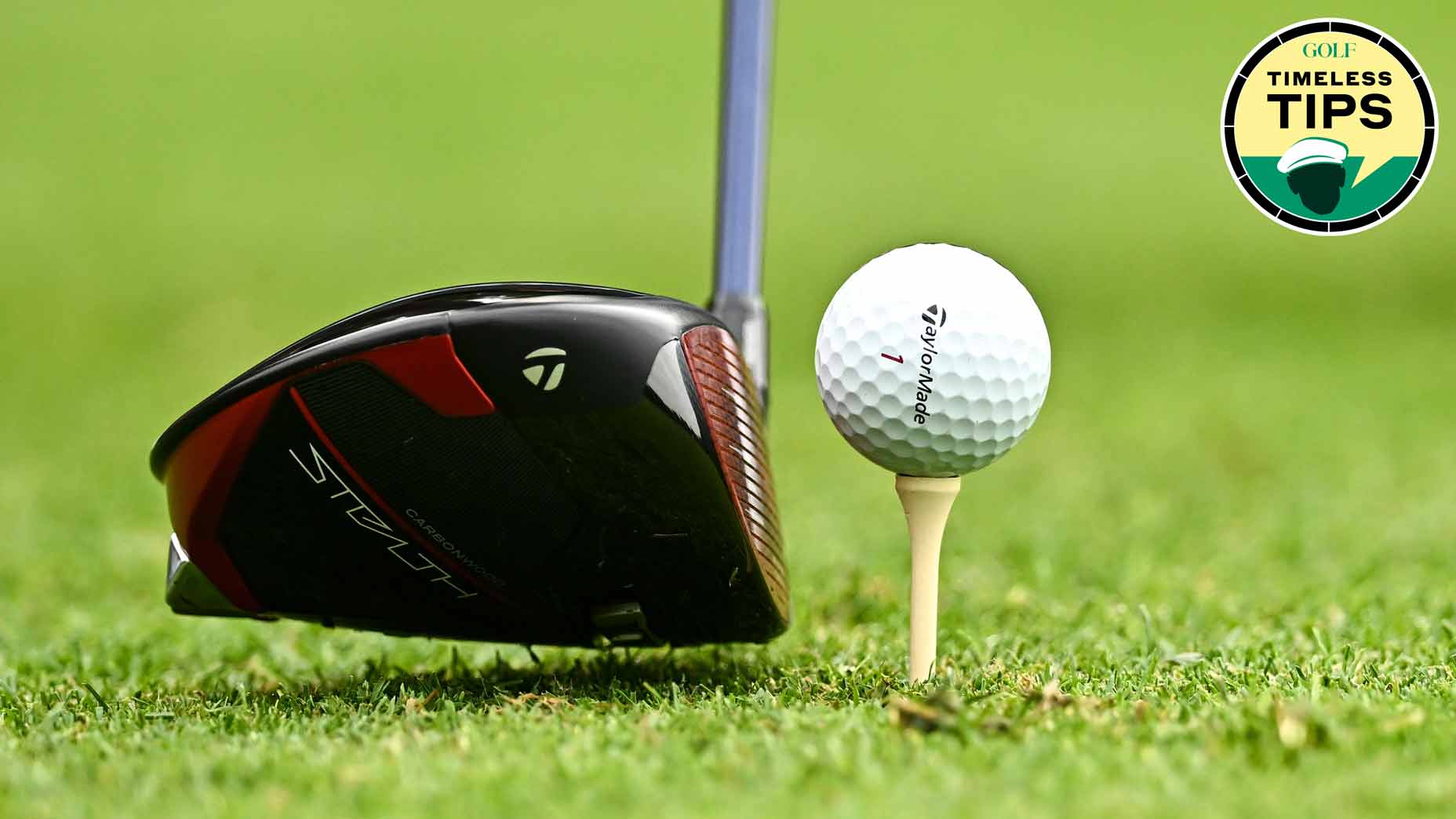
- Place the driver behind the ball at address. Adjust the tee until half the ball sits above the crown. This is a reliable visual cue.
Face-center method
- Position the ball so its equator lines up with the center of the clubface when the club is grounded behind it.
Ruler or tee gauge
- If you want precision, measure 1.5–2.5 inches for drivers and smaller increments for woods and hybrids. A small tee gauge fits in your golf bag easily.
Practice tip: mark your preferred tee on a practice tee box with a small flag or colored tee to repeat the same height. These methods help you nail how high should you tee a golf ball consistently.

Ball position, angle of attack, and tee height interaction
Tee height works together with ball position and the angle of attack. Change one and the others must adapt.
Ball position
- Move the ball forward for higher launch with the driver. If the ball is too far back, you’ll hit down and lose distance.
Angle of attack
- Teeing higher encourages a positive angle of attack with the driver. Teeing lower often leads to a neutral or downward strike.
Face contact
- Tee too high and you’ll hit high on the face and may lose control. Tee too low and you’ll hit the sole or top of the club causing spin and poor launch.
In short, think of tee height as part of a system. Adjusting how high should you tee a golf ball requires adjusting ball position and swing path slightly to keep strikes centered.

Conditions and adjustments: wind, turf, and ball type
Weather, tee surface, and ball can change the sweet spot and ideal tee height.
Windy conditions
- Lower the tee slightly into a headwind to keep launch and spin down. In a tailwind, a slightly higher tee can help carry.
Turf firmness
- On soft tees or mats, reduce tee height slightly to avoid burying the tee and altering launch.
Ball compression and design
- Lower-compression balls may launch higher; you might tee them a hair lower if you’re getting too much loft.
Course strategy
- On tight landing areas reduce tee height to lower spin and keep the ball from ballooning. On wide-open holes, maximize height for distance.
Adjusting how high should you tee a golf ball based on conditions helps you adapt shot shape and distance without changing technique.

Common mistakes and how to avoid them
Fix these mistakes to instantly improve tee shots.
Teeing too high
- Causes thin strikes or contact high on the face. If you catch too many thin shots, lower the tee.
Teeing too low
- Often produces fat or low-launch shots. If your tee shots are digging or low, raise the ball.
Inconsistent tee height
- Use the same tee or a marked spot on the tee box. Keep a small marker or write a note on your tee sleeve.
Wrong ball position with tee height
- Don’t move the ball too far forward without adjusting swing path. Practice both elements together.
My own error: early in my playing years I bounced between tee heights and blamed my swing. Once I standardized my tee height and practiced ball positioning, dispersion tightened and my distance became repeatable. This is a simple fix many players overlook.

Drills and practice routine to find the best tee height
Practice deliberately to discover the best tee height for your swing.
3-step drill
- Start with recommended height for the club.
- Hit 5 balls each at +0.5 inch and -0.5 inch.
- Compare carry and dispersion; choose the height with the best roll and group.
Launch monitor check
- If available, note launch angle, spin rate, and carry. Pick the tee height that gives the highest carry with acceptable spin and a centered strike.
Consistency drill
- Place a towel or coin behind the tee to check your angle of attack. Repeat until you hit consistent centered strikes.
These drills help you empirically decide how high should you tee a golf ball for your swing.

Quick questions you might search for (PAA-style)
What happens if you tee a ball too high?
- Teeing too high often causes thin contact or strikes too high on the face, reducing control and sometimes distance.
Should I tee the ball higher with a new driver?
- Try the half-ball-above-crown method first; new drivers have larger faces, which may handle a slightly higher tee for more carry.
How does tee height affect spin?
- A higher tee tends to reduce spin by encouraging an upward strike, while a lower tee can increase spin if you hit down on the ball.
Frequently Asked Questions of how high should you tee a golf ball
How high should I tee a golf ball with my driver?
Aim for 1.5–2.5 inches off the ground or about half the ball above the crown of the driver. Adjust slightly based on your angle of attack and launch numbers.
Should the ball be teed up for hybrids and fairway woods?
Yes, but much lower than a driver: about 0–1 inch above the ground for hybrids and 0.5–1 inch for fairway woods. The goal is a slightly upward or neutral strike.
Does tee height change for windy days?
Yes, lower the tee slightly into headwinds to reduce launch and spin, and you can raise it a touch with a tailwind to maximize carry. Small adjustments matter.
How do I make tee height consistent on the course?
Use the same tee type, a visual cue like the driver crown, or a small tee gauge in your bag. Mark one spot on the range and practice that exact height.
Can tee height fix a slice or hook?
Tee height alone won’t fix swing path problems, but proper height can help you strike the center more often, which reduces exaggerated curvature from off-center hits.
Conclusion
Tee height is an easy lever you can adjust to improve launch, spin, and accuracy. Start with the rules of thumb—half the ball above the driver crown or 1.5–2.5 inches for drivers, lower for woods and hybrids—and tune with simple drills or a launch monitor. Test small changes, keep notes, and make tee height part of your pre-shot routine to build consistency and confidence.
Try one change at a time on your next range session, record how it affects carry and dispersion, and share what you learn in the comments. Want more practical drills or a printable tee-height cheat sheet? Subscribe or leave a note and I’ll add one.