How To Drive A Golf Ball Straight: Simple Pro Tips
Hit the ball with a square clubface, a neutral swing path, and a calm setup for straighter drives.
I’ve taught and played thousands of rounds, so I know how frustrating it is when drives curve away. This guide on how to drive a golf ball straight pulls together proven setup cues, simple swing changes, drills, equipment choices, and mental tips you can apply on the range or course. Read on for clear steps, tested drills, and real-life advice to help you hit more fairways and enjoy lower scores.

The basics of straight ball flight
Straight ball flight happens when the clubface is square to the target at impact and the swing path is neutral. That means the club head travels neither too far inside-out nor outside-in through the hitting zone. Small changes at setup and in the swing often make the biggest difference.
Why this matters:
- Square clubface at impact controls initial direction.
- Neutral swing path controls curve and spin.
- Consistent setup and tempo create repeatable strikes.
PAA-style quick questions
- What makes a ball slice? A slice comes from an open clubface or an outside-in swing path that adds sidespin.
- Can you fix a hook quickly? Yes, minor hooks can be fixed by adjusting grip, face awareness, or swing path with focused drills.
- How long to see improvement? With regular practice, many golfers see clearer drives in weeks; solid change can take a few months.
Setup: foundation for straight drives
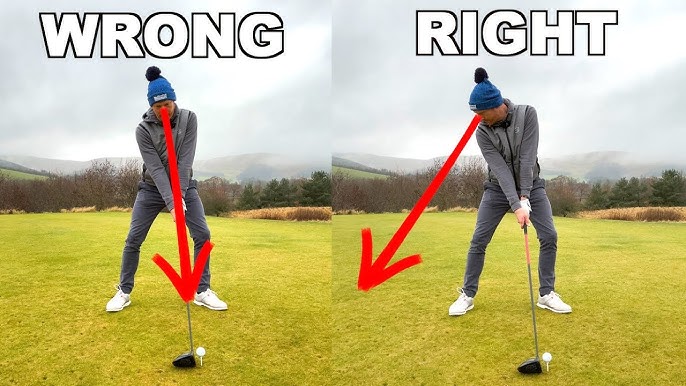
Setup is where you make driving straight easy. A repeatable setup reduces the variables that create curve.
Key setup points:
- Ball position: Just inside your left heel for right-handed golfers. This helps a shallow, sweeping low point.
- Feet and shoulders: Aim feet slightly open, shoulders square to the target line. This promotes a neutral path.
- Grip: Use a neutral grip. Hands should work together, not overly strong or weak.
- Stance width: Shoulder-width to slightly wider. Too wide tightens the swing; too narrow reduces power.
- Posture: Bend from the hips with a straight back and light knee flex.
Practical setup routine:
- Pick a target and a secondary aim point near your feet.
- Place ball accordingly and set feet to target line.
- Grip club and take a breath to relax the hands and shoulders.
- Check alignment by stepping back and looking down the line.

Swing mechanics that promote straight shots
Small mechanical habits produce big results. Focus on swing path and face control. Keep swings simple and repeatable.
Essential swing cues:
- Takeaway: Keep the clubhead low to the ground for the first few inches. That helps a neutral on-plane takeaway.
- Top of backswing: Stop when your lead shoulder is under your chin and wrists are set. Avoid over-rotating.
- Downswing: Shift weight to the lead foot and let the hands lead the club down. This reduces an outside-in path.
- Impact: Aim to square the face at impact. Feel the lead wrist flat and the clubface behind the ball.
- Follow-through: Finish balanced with chest facing target. A full finish shows good rotation and reduced hand dominance.
Drill to feel a neutral path:
- Place a headcover or alignment rod two inches outside the ball. Practice swings clearing that obstacle on the way through. This trains an inside-to-square-to-inside path.
Personal note: Early in my play I fixed a big slice by simplifying my takeaway and slowing the tempo. Within two weeks, fairways became more common and confidence grew quickly.
Common causes of slices and hooks — and fixes
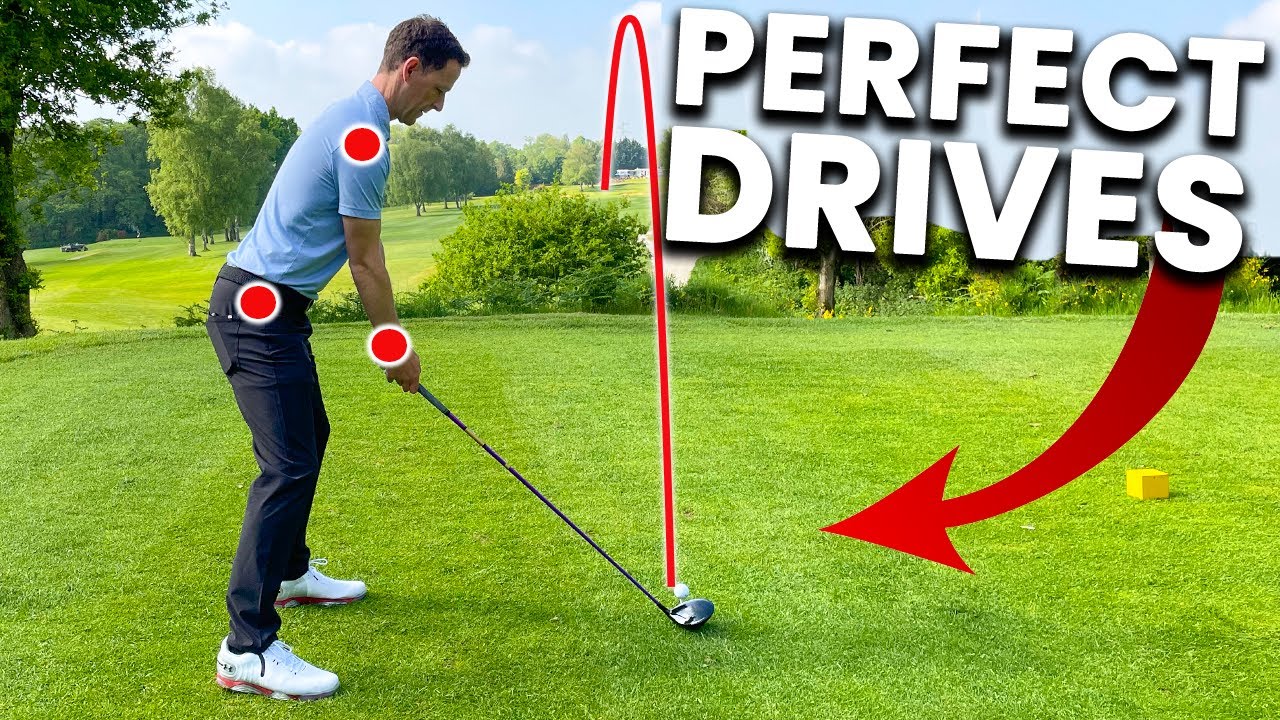
Understanding why the ball curves helps you choose the right fix.
Causes and quick fixes:
- Open clubface at impact (slice)
- Fix: Check grip and face awareness; practice half-swings focusing on squaring the face.
- Outside-in swing path (slice)
- Fix: Use the headcover drill to swing more inside-out.
- Strong grip or overactive hands (hook)
- Fix: Weaken grip slightly and focus on turning the body through the shot.
- Poor ball position
- Fix: Move ball slightly back for less spin, forward for more launch (but not too far forward for hooks).
- Over-rotation or early release
- Fix: Train with impact bags or slow-motion swings to hold the lag.
Limitations to expect:
- Some curvature is natural and can be playable.
- Fixes often require repetition; instant cures are rare.
- Body limitations like mobility can affect path and face control.

Drills and practice plan to drive straight
A focused practice plan beats idle range time. Use drills that build muscle memory and impact awareness.
Daily drill routine (20–30 minutes):
- Warm-up with short swings and stretches (5 minutes).
- Face control drill: Hit 20 half-wedge shots focusing on squaring the face at impact (5–7 minutes).
- Path drill: Use the headcover/rod drill to train inside-out path; 30 swings (5–7 minutes).
- Alignment and real shots: Hit 10 full drives with a specific target and a pre-shot routine (10 minutes).
Extra drills:
- Impact bag drill: Feel a square face and shallow angle at impact.
- Tee gate drill: Place two tees just wider than the clubhead and swing through to ensure path control.
- Slow-motion swings: Use slow swings to check positions at the top and impact.
Practice tips:
- Track progress with notes. Note ball flight and what you changed.
- Use video to check clubface and path at impact.
- Start slow, then add speed once mechanics feel right.

Equipment, ball choice, and how they affect straight drives
The right gear helps but does not replace good technique. Know what to check.
Club fit and face control:
- Shaft flex: Too stiff or too soft can lead to poor face control.
- Clubhead type: Forgiving drivers with higher MOI reduce side spin on mishits.
- Loft: More loft can reduce sidespin for some players, promoting straighter flight.
Ball selection:
- Low-spin balls may reduce side spin and help straighter drives for slicers.
- Soft feel balls may increase spin; test to find what suits your swing.
When to see a pro:
- If you suspect fitting issues, a club fitting session can reveal shaft or loft mismatches.
- A launch monitor session shows face angle, path, spin, and launch numbers to guide changes.
Real-world note: After a club fitting, I gained confidence because my driver matched my tempo. My dispersion tightened and accuracy improved.

Course management and the mental game
Driving straight is part technique and part decision-making. Good choices improve scoring.
Pre-shot routine:
- Commit to a target and a simple swing thought like “smooth tempo” or “square face.”
- Visualize a straight shot or intended draw/fade shape before you swing.
Play smart:
- Aim for the widest part of the fairway instead of the pin.
- Use a 3-wood or hybrid off the tee when accuracy matters more than distance.
Mental tips:
- Breathe and slow down before the shot.
- Accept small misses. Focus on process over outcome.
- Practice pressure by simulating on-course decisions during practice.

Frequently Asked Questions of how to drive a golf ball straight
How do I stop slicing the ball with my driver?
A slice usually means an open clubface or an outside-in path. Check your grip, practice squaring the face at impact, and use headcover drills to promote an inside-out path.
Can a stronger grip help me hit the ball straighter?
A stronger grip can reduce a slice but may introduce hooks. Try a neutral grip first and make small changes while tracking ball flight and feel.
How much does ball position affect straight drives?
Ball position is critical. A ball too far forward can cause an open face and hooks; too far back can add spin and a slice. Aim for just inside the lead heel for most drivers.
Are lessons worth it for fixing my drive?
Yes. A coach can diagnose face angle, swing path, and setup quickly. Short coached sessions often save weeks of ineffective practice.
How long will it take to hit straighter drives?
Simple changes can show results in weeks with consistent practice. Deep changes to swing habits may take several months to become natural.
Conclusion
Driving the golf ball straight is achievable with a clear plan: build a solid setup, control the clubface, train a neutral swing path, and practice focused drills. Small, consistent changes yield steady gains. Try the drills and setup cues above, track your progress, and consider a fitting or a short lesson if results stall. Want better tee shots? Start with a short practice session today and commit to one change at a time. Leave a comment with your toughest driving issue or subscribe for more practical golf tips.