How Does Spin Affect A Golf Ball: Improve Distance And Control
Spin controls lift, curve, and stopping power of a golf ball through airflow and contact.
I’ve spent years coaching players and testing shots on launch monitors, so I know how spin affects a golf ball in real conditions. This guide breaks down the physics, the shot types, the tools you can use, and clear drills to help you control spin and lower your scores. Read on to master how does spin affect a golf ball, from tee to green.
What is spin and why it matters
Spin is the rotation of the golf ball after impact. It changes how the ball moves through air. Spin affects lift, curve, and how the ball reacts when it lands.
Why spin matters:
- It changes distance by adding or reducing lift.
- It controls lateral movement like hooks and slices.
- It affects how the ball stops or rolls on the green.
If you ask how does spin affect a golf ball, the short answer is: spin shapes flight and control. In practice, players use spin to hit higher stops, fight the wind, or shape shots.
The physics behind spin: Magnus effect and drag
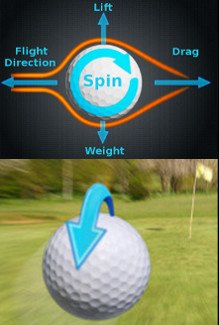
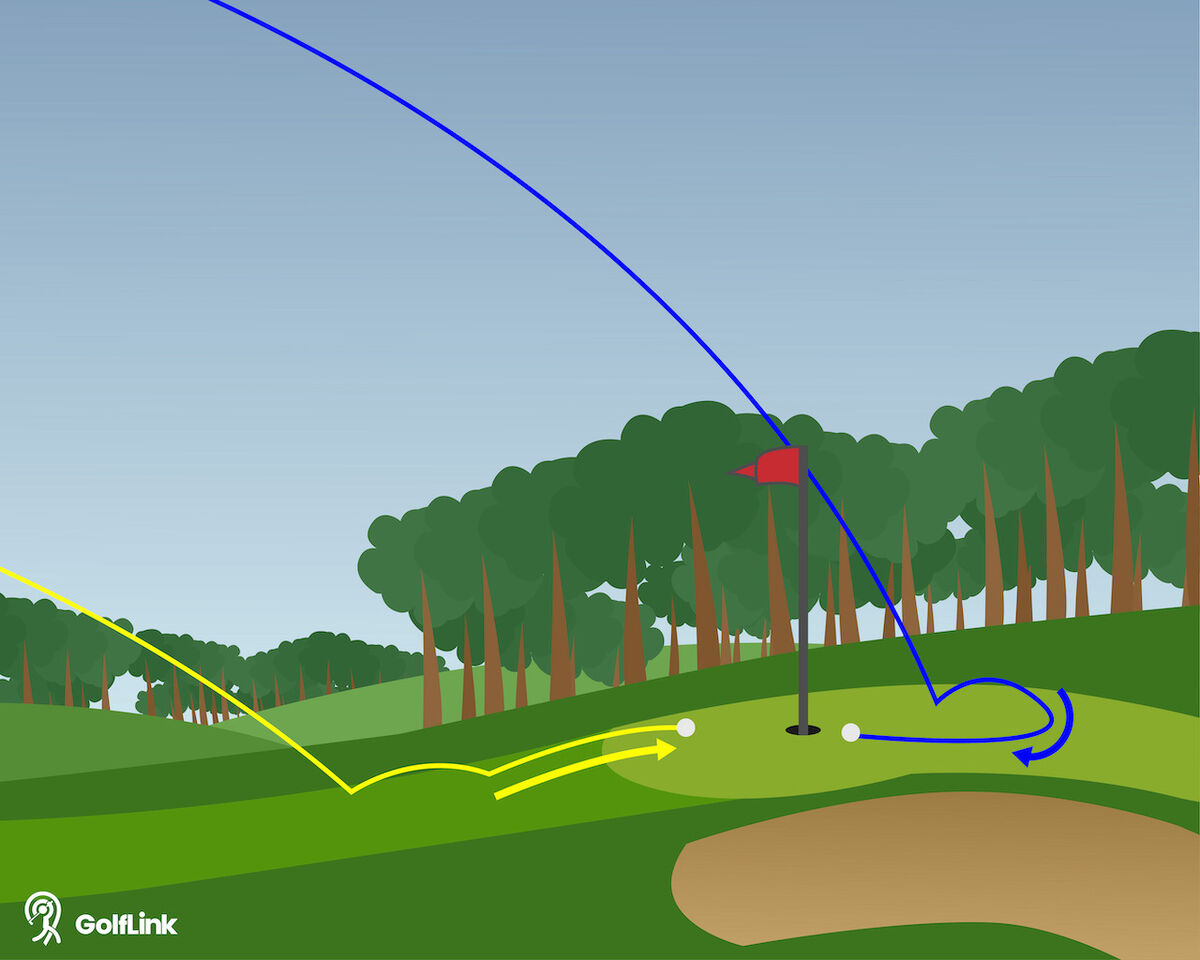
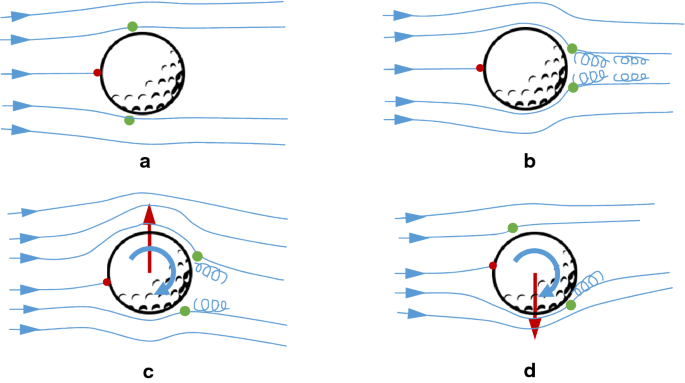
Spin interacts with air. Rotating airflow creates differences in pressure above and below the ball. This is the Magnus effect. Backspin creates upward lift. Sidespin creates sideways force and curve.
Key forces at play:
- Lift: Backspin helps the ball climb and stay aloft.
- Side force: Sidespin makes the ball curve left or right.
- Drag: Higher spin often increases drag and can shorten carry if not balanced.
When readers ask how does spin affect a golf ball’s flight, think of the ball as a small wing. The rotation changes airspeed over parts of the ball and that creates lift and sideways force.
Backspin vs sidespin: flight and landing behavior
Backspin
- Makes the ball climb more.
- Creates more lift and a softer landing.
- Helps the ball stop quickly on the green.
Sidespin
- Causes draw or fade depending on direction.
- Makes the ball curve in flight.
- On landing, sidespin can add bounce and roll that sends the ball offline.
How does spin affect a golf ball when you hit a wedge? High backspin is your friend. How does spin affect a golf ball on drives? Too much backspin on a driver can reduce roll and cost distance.

How clubs, ball, and strike produce spin
Club factors
- Loft: More loft usually means more spin.
- Groove condition: Clean, sharp grooves bite the ball and increase spin.
- Clubhead speed: Faster speed can raise spin but also depends on attack angle.
Ball factors
- Cover material: Softer covers often yield more spin around the green.
- Compression and texture: Both affect how much grip you get at impact.
Strike factors
- Center strike versus off-center: A centered hit is cleaner and more predictable.
- Angle of attack: A steep downward angle increases spin on irons.
- Clubface friction: Wet or dirty conditions lower spin.
When you wonder how does spin affect a golf ball off the tee, remember that the driver’s low loft and long roll favor lower spin for max distance. For iron shots, you often want higher spin for control.

Practical effects: distance, control, and shot shaping
Distance
- More backspin can increase carry if it adds lift.
- Too much spin increases drag and reduces carry and roll.
Control
- Backspin helps the ball stop on greens.
- Sidespin reduces accuracy but can be used to shape shots.
Shot shaping
- Controlled sidespin lets you play draws and fades on purpose.
- Championship players use spin to attack pins with precision.
From my testing, when players ask how does spin affect a golf ball under pressure, the answer is simple: spin gives you options. It can save par or cost a stroke depending on how well you control it.

How to measure spin and train for better spin control
Tools to measure spin
- Launch monitors: Provide spin rate numbers and spin axis.
- High-speed video: Shows impact and ball flight for analysis.
Drills to build spin control
- Clean contact drill: Hit balls with towel under arms to force centered strikes.
- Groove practice: Hit short wedges with different attacks to feel spin changes.
- Club selection practice: Compare the same yardage with different clubs to find ideal spin.
Personal tip: I use a launch monitor on the range. I track spin rates on my wedges and driver. Small changes in setup gave me 200–400 rpm gains or losses, and that changed how balls stopped on greens.
Common problems and fixes
Problem: Too much sidespin causing slices or hooks
- Fix: Square the clubface at impact and slow your swing down to improve control.
Problem: Too little spin into greens
- Fix: Clean grooves, use softer cover balls, and increase clubhead speed with a steady tempo.
Problem: Excessive driver spin and lost distance
- Fix: Move ball position slightly forward and shallow your attack angle.
I once tried a new driver and saw spin jump 1000 rpm. I moved the ball forward and changed my mental tempo. The result was 15 yards more roll. That taught me to test small adjustments and measure results.
Tips for different skill levels
Beginners
- Focus on consistent, centered contact.
- Use a forgiving club and work on tempo.
Intermediate players
- Learn to control attack angle and face angle.
- Track spin on a launch monitor occasionally.
Advanced players
- Tune spin rates for conditions and course strategy.
- Use golf balls and grooves to fine-tune stopping power.
If you keep asking how does spin affect a golf ball during practice, keep a simple notebook. Track club, spin rate, and result. Small notes lead to big gains.
Frequently Asked Questions of how does spin affect a golf ball
What is a good spin rate for a driver?
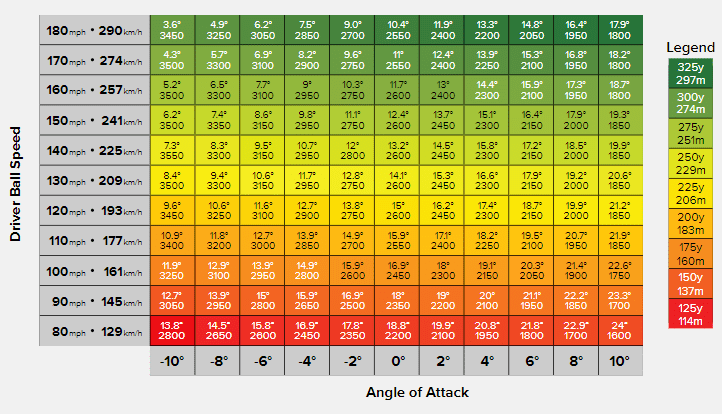
Good driver spin rates vary, but many fitters aim for 1500–3000 rpm depending on speed and launch. Lower spin often gives more roll, while higher spin can help carry.
How much backspin should a wedge shot have?
Wedge spin rates typically range 6000–12000 rpm for skilled players. More spin helps the ball check quickly on the green.
Does wind change how spin affects a golf ball?
Yes. Headwinds make backspin create more lift but also more drag. Tailwinds can reduce the effect of backspin and increase roll.
Can I reduce sidespin without changing my clubs?
Yes. Improving face control at impact, adjusting swing path, and practicing centered strikes can cut sidespin. Simple ball-position tweaks also help.
Will a softer golf ball always spin more?
Not always, but softer covers usually produce more short-game spin. Launch, groove contact, and swing technique also matter.
How does turf interaction influence spin?
Turf blunts or boosts spin. A clean, steep strike on short grass increases spin. Wet or long rough lowers spin dramatically.
Conclusion
Spin shapes every shot. It affects how far the ball flies, how it curves, and how it behaves when it lands. Learning how does spin affect a golf ball gives you a clear path to better distance control and scoring.
Takeaway: Test small changes, measure spin when you can, and practice the contact that produces the spin you want. Try a few of the drills above this week and track how the ball reacts.
Ready to dial in your spin? Leave a comment about your biggest spin challenge or subscribe for more practical tips and tutorials.