How Does A Golf Range Finder Work: Simple Guide
How does a golf range finder work: it measures distance using laser pulses or GPS data quickly.
I’ve spent years testing golf gear and teaching players to use tech on the course, so I’ll explain clearly how does a golf range finder work, what it actually measures, and how to use one to lower your scores. Read on for simple science, practical tips, buying advice, and real-course experience you can apply today.

How does a golf range finder work: the basic science
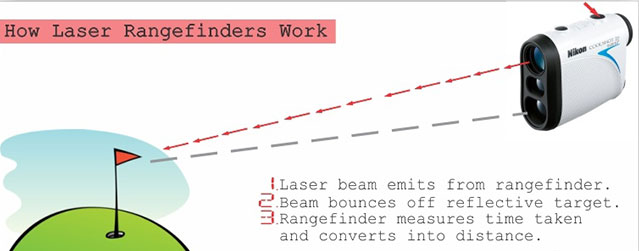
A golf range finder converts a signal into a distance reading. For laser units, the device sends a short infrared pulse toward the target. The device times how long the pulse takes to return after bouncing off the target and uses the speed of light to calculate distance. This is called time-of-flight measurement and is accurate to within a yard or so.
GPS rangefinders work differently. They use satellite positions and a map of the course to calculate your location and the distance to set points such as the front, middle, and back of the green. GPS gives yardages without a line of sight, but accuracy depends on map quality and satellite reception.
Some high-end units use phase-shift or continuous-wave methods for even faster, sometimes more precise, readings. In short, how does a golf range finder work comes down to sensing a return signal or using location data, then translating that into yards or meters you can use on the tee, fairway, or green.
Types of golf rangefinders and how they differ
-
Laser rangefinders
- Emit infrared pulses and measure time-of-flight.
- Best for direct, pin-point distance to flags or hazards.
- Require a clear line of sight.
-
GPS rangefinders and watches
- Use satellite trilateration and course mapping.
- Offer front/middle/back distances and hazard info.
- Work without line of sight but depend on map accuracy.
-
Hybrid units and apps
- Combine laser and GPS features or use phone camera with overlays.
- Offer flexibility but may trade off speed or accuracy.
Understanding how does a golf range finder work for each type helps you pick the right tool. Laser units are great for precision; GPS is great for overall course awareness.

Key features explained: pin-seeking, slope, magnification, and more
-
Pin-seeking/target-lock
- The unit filters multiple returns to lock onto the flagstick. It looks for the strongest or closest reflection to give you flag distance.
- Pin-seeking helps when background objects exist, but good technique matters.
-
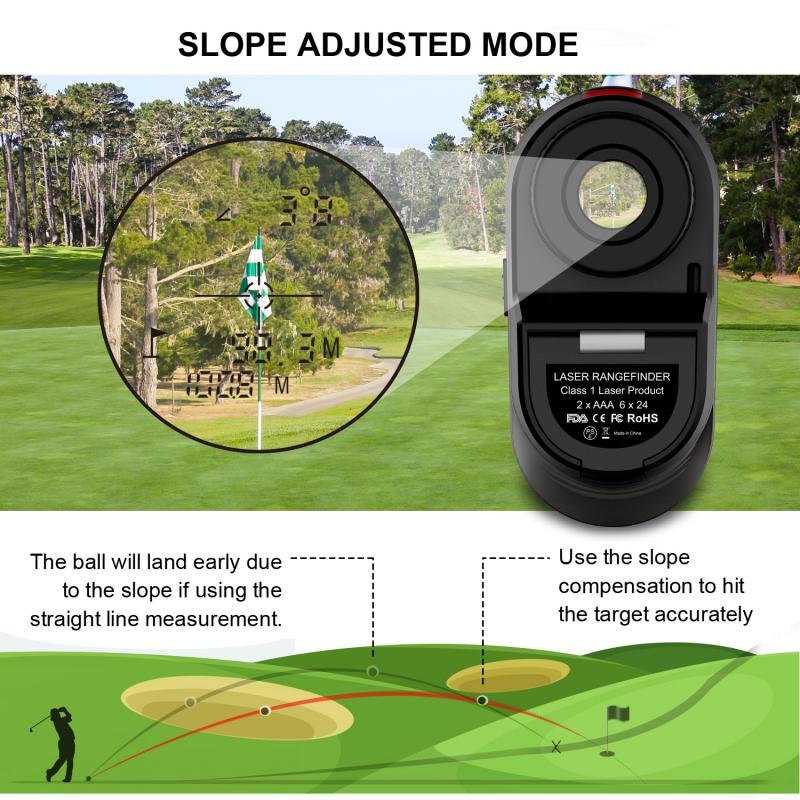
Slope compensation
- Uses angle sensors to adjust for uphill or downhill shots.
- It converts straight-line distance to an effective playing distance using trigonometry.
- Note tournament rules may require slope to be disabled.
-
Magnification and optics
- Higher magnification helps you aim at distant targets but can make the view shakier.
- Quality optics and coatings improve low-light performance.
-
Range and accuracy
- Typical laser rangefinders measure from a few yards to 800–1,000 yards.
- Practical accuracy near the flag is often ±0.5 to ±1 yard; GPS often varies ±3–10 yards.
Knowing how does a golf range finder work with these features clarifies why some models cost more and how those features affect play.

How to use a golf range finder on the course: step-by-step
-
Get a steady stance
- Lean on your back foot or sit briefly to steady your hands.
-
Aim at the base of the flag or a hard target
- For laser units, aim at the flag’s base or a reflective object near the target for best accuracy.
-
Press and hold the measurement button
- Watch the display; many units show multiple readings and lock on the target.
-
Read the yardage and apply slope if needed
- If slope is enabled, note the adjusted yardage and choose a club accordingly. In tournaments, turn slope off.
-
Re-check if needed
- If the read feels off, re-aim and measure again; verify with markers or yardage books.
Practicing these steps will make the answer to how does a golf range finder work feel natural during play. Small habits like steadying your elbow and aiming at the flag base improve repeatability.
Benefits, limitations, and rules to know
-
Benefits
- Faster and more confident club selection.
- Pinpoint distance to hazards, layup spots, and targets.
- Can speed up play by reducing guesswork.
-
Limitations
- Laser needs line of sight; glare, rain, or heat shimmer can affect readings.
- GPS needs course maps and may not show custom tee placements.
- Batteries can fail; electronics can lag in cold.
-
Rules and competition use
- Many amateur events allow rangefinders without slope or with a rules committee’s permission.
- Major governing bodies may restrict slope-enabled advice in competitive play.
- Always check local rules before using slope or distance-measuring devices.
Understanding how does a golf range finder work also means knowing when and where to use it responsibly.

Buying guide and practical tips
-
Decide on laser vs GPS based on your needs
- If you want pin accuracy, choose laser. If you want hole mapping and easy yardages, choose GPS.
-
Look for these specs
- Accuracy (± yards), range, magnification, battery life, and size.
- Features like vibration or audible lock, slope on/off toggle, and weather sealing.
-
Try before you buy
- Test units on the course to feel the ergonomics and aiming ease.
- Check return policies and warranties.
-
Budget considerations
- Entry-level lasers are affordable and accurate for most golfers.
- Premium models add speed, better optics, and advanced algorithms.
When you ask how does a golf range finder work for you, think about how you play: do you favor pin-point accuracy or course-wide awareness? Your answer guides the purchase.

Maintenance, common mistakes, and my experience
-
Maintenance tips
- Keep lenses clean with a microfiber cloth.
- Remove batteries if storing long-term.
- Protect the unit from moisture and impacts.
-
Common mistakes to avoid
- Relying on default slope numbers without testing how they affect club choice.
- Aiming at tree branches or background objects instead of the flag base.
- Forgetting to turn off slope during tournaments.
Personal note: I once assumed a slope reading would always save a club. On a wet day with cold hands, my laser returned inconsistent readings until I cleaned the lens. Lesson learned—check optics, steady your aim, and trust yardage but confirm by feel on the shot. That practical experience answers real concerns about how does a golf range finder work under pressure.

Frequently Asked Questions of how does a golf range finder work
What is the most accurate type of golf range finder?
Laser rangefinders are usually the most accurate for pinpoint distances because they measure the time-of-flight of infrared pulses directly from your position to the target.
Can rangefinders measure to hazards and bunkers?
Yes. Both laser and GPS rangefinders can give distances to hazards; lasers need line of sight while GPS uses mapped hazard locations.
Does slope change the distance reading?
Slope features adjust the displayed yardage to account for elevation change; they do not change the straight-line measurement but calculate an effective playing distance for club selection.
Are rangefinders allowed in tournaments?
Many tournaments permit rangefinders if slope features are disabled; rules vary, so always check the event’s local rules before playing.
How much difference does a rangefinder make to scoring?
A rangefinder reduces guesswork and helps with club selection, which often lowers scores by improving shot decisions and confidence on approach shots.
Conclusion
You now know how does a golf range finder work: it either times returning light pulses or uses satellite data to turn signals into yardages you can trust. Use that knowledge to pick the tool that fits your game, practice aiming and steadying your shots, and verify distances with feel on the course. Try a laser if you want pin-point accuracy or a GPS device for course mapping and convenience. If you found this useful, try one on the range, subscribe for more gear tips, or leave a comment with your favorite model or experience.