Driver loft sets the launch angle and spin that largely determine your drive’s distance and accuracy.
I have spent years fitting golfers and testing drivers. I know how small changes in loft can turn a slice into a dead-straight drive or add 20 yards to a tee shot. This guide on golf driver loft explained breaks the topic into clear, practical steps. You will learn what loft does, how to pick the right degree, how adjustable settings work, and simple tests you can use on the range today.
What is driver loft?
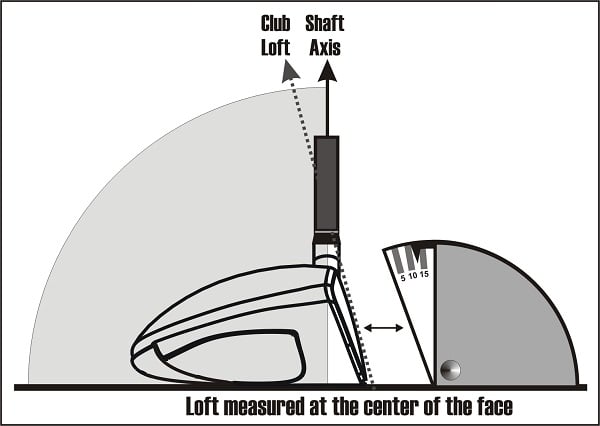
Driver loft is the angle between the clubface and a vertical plane when the club is at address. That angle controls the initial launch angle and a big part of the spin rate. Higher loft means higher launch and usually more backspin. Lower loft gives a lower launch and less backspin, which can boost roll for some players.
I use the phrase golf driver loft explained to make this concept easy to find and remember. Typical driver lofts range from about 7° to 13° in stock clubs. Modern adjustable heads let you tweak that range by a degree or two. Understanding loft gives you control over how the ball flies.
How loft affects ball flight: launch, spin, and distance
Loft changes three main flight traits: launch angle, backspin, and carry distance. More loft raises the launch angle. That higher launch often increases carry. More loft usually creates more backspin, which can keep the ball in the air longer but may reduce roll.
Lower loft lowers launch and spin. Players with very high swing speed can benefit from lower loft because they already create enough launch and spin. Slower swingers often need more loft to lift the ball. When I teach, I stress that the right loft balances launch and spin for the longest total distance in your swing.
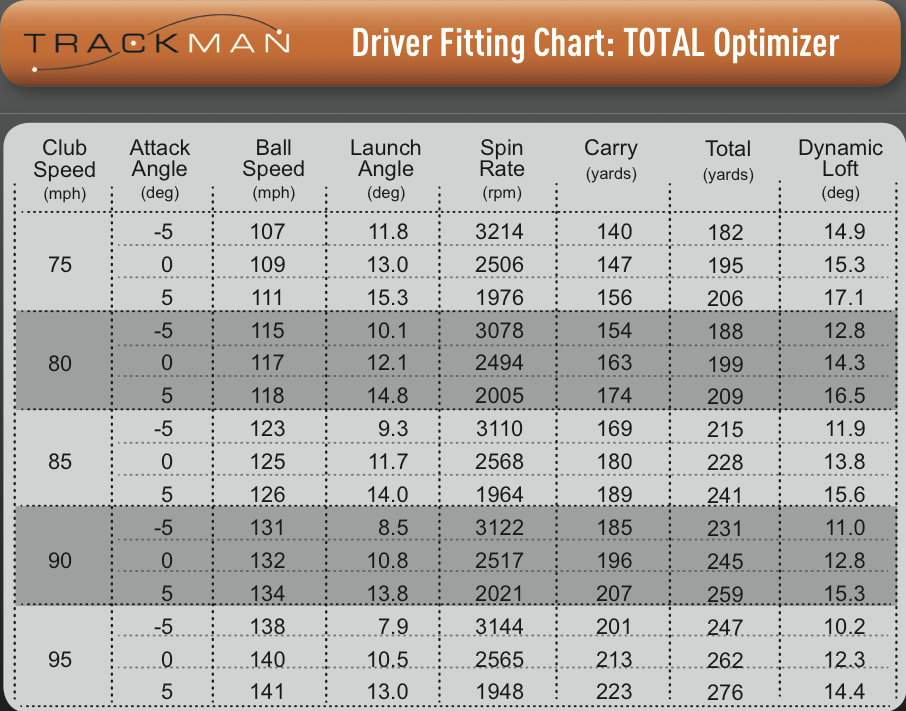
How to choose the right loft by swing speed and ball flight
There is no one-size-fits-all number, so use swing speed and ball flight as your guides. As a simple rule of thumb:
- For swing speeds above 105 mph, try 8° to 10° of loft.
- For swing speeds 90–105 mph, try 9° to 11° of loft.
- For swing speeds below 90 mph, try 10° to 13° of loft.
These ranges come from experience and fitting data and help when you search for golf driver loft explained. Always verify with launch monitor numbers: ideal driver launch and spin vary by player. If you hit low with lots of spin, increase loft by one degree and test again.

Adjustable drivers: how to use settings to fine-tune loft
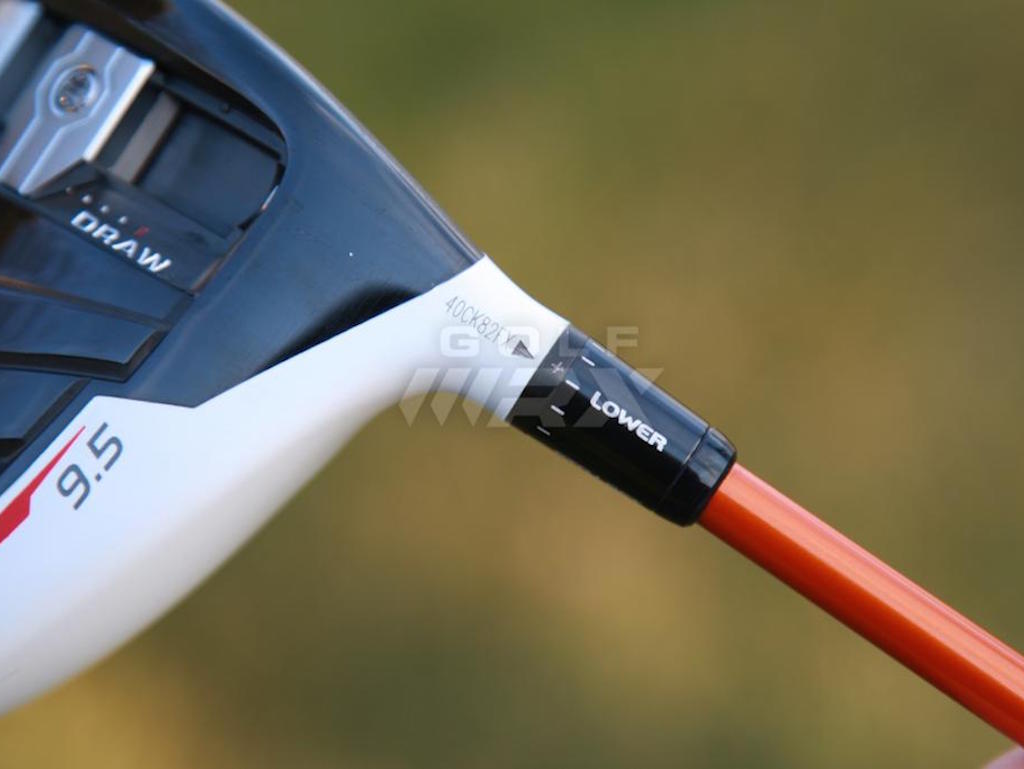
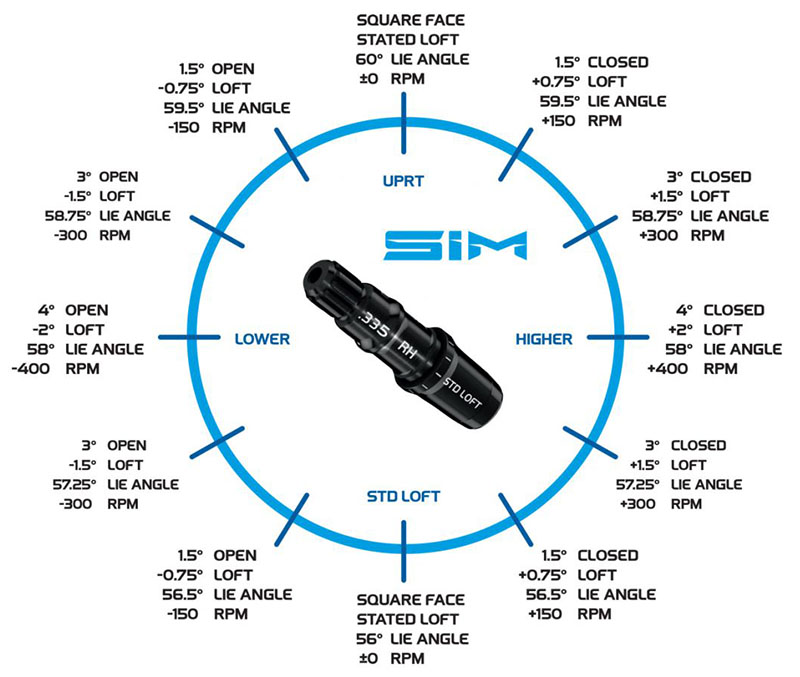
Many modern drivers let you change loft with a sleeve or weight system. Adjustments typically change loft by ±1–2 degrees and can also affect face angle. When you change loft:
- Make one change at a time and hit a few shots.
- Check launch angle and spin on a launch monitor.
- Note the face angle; a positive (closed) face can reduce slice, a negative (open) face can add a fade.
I often start players on a neutral setting and then move one degree higher if they need more carry. The phrase golf driver loft explained applies here—small tweaks often make a big difference on the course.
Loft versus other factors: shaft, face angle, and ball
Loft does not work alone. Shaft flex, shaft length, and the golf ball all interact with loft to produce your results. A softer shaft can add launch and height, similar to adding loft. A stiff shaft can flatten flight and lower spin, which may make a higher loft feel less necessary.
Face angle influences starting direction and can mask loft issues. A closed face with a high loft can lower side spin and straighten shots. When I fit golfers, I adjust loft, shaft, and face angle as a combination to reach target launch and spin numbers.
Common loft ranges and who they suit
Knowing typical loft fits helps you start the right experiment. Here are common fits based on real-world patterns.
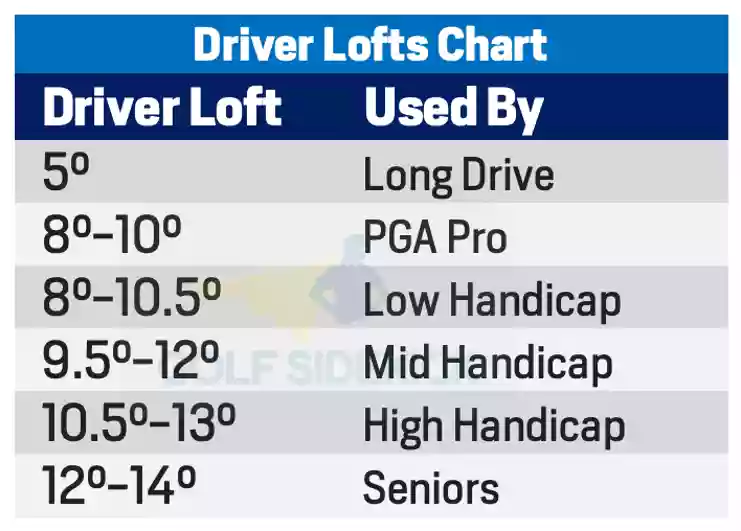
- Beginner or high-handicap players: 10° to 13° for easier launch and forgiveness.
- Mid-handicap players: 9° to 11° to balance carry and roll.
- Low-handicap or tour-level players: 7° to 10° to control spin and shape spins.
- Senior players with slower swing speeds: 11° to 13° to maximize carry and height.
I tell golfers to think in ranges, not exact numbers. Use this practical map when looking up golf driver loft explained options.

Practical fitting tips and range tests
You don’t need a pro to improve. Try these simple steps on the range to test loft for yourself.
- Warm up with your normal driver.
- Hit a set of 10 balls with your current loft setting and note average carry and dispersion.
- Increase loft by 1° and hit 10 shots. Compare carry, spin feel, and accuracy.
- Decrease loft by 1° from original and repeat.
- Choose the setting that gives the best mix of carry, roll, and direction for your swing.
From my fitting sessions, players often see the biggest gains by changing loft and then altering shaft flex one step if needed. Keep records so you can track progress and return to the best setting when conditions change.

Common myths and mistakes about driver loft
Golf driver loft explained exposes a few myths I hear often. Here are the main ones to avoid.
- Myth: Lower loft is always more distance. Reality: Only if you can maintain optimal launch and spin.
- Myth: Higher loft is always for beginners. Reality: Some strong players use higher loft to optimize spin and trajectory.
- Myth: Adjustable loft settings are a gimmick. Reality: They can change launch and spin enough to matter if used properly.
I once saw a player gain 18 yards of carry by moving from 8° to 10°. He had too low spin with the 8° and couldn’t keep the ball in the air. Small changes matter.
When to seek a professional fitting
A proper fitting saves time and frustration. Consider professional fitting when:
- You struggle with inconsistent distance or shape.
- You have a very fast or very slow swing speed.
- You plan to buy a new driver and want numbers, not guesses.
A fitter with a launch monitor can show ideal loft, spin, and launch. That data helps you pick a driver, shaft, and settings that work together. I recommend at least one guided fitting session to lock in the best golf driver loft explained for your game.
Personal lessons and final practical tips
From years of testing and coaching I offer these simple takeaways:
- Track launch and spin numbers, not just feel.
- Make one change at a time and test with the same ball and tee height.
- Adjust loft up if you see low launch and high spin. Adjust down if you see high launch and low spin.
- Remember course conditions change what loft works best. Wind, firm fairways, and elevation affect ideal settings.
I still carry a small notebook when I test clubs. Recording results changed my fittings from guesswork to reliable improvements.
Frequently Asked Questions of golf driver loft explained
What is the best driver loft for beginners?
Beginners often benefit from 10° to 13° of loft to help launch the ball higher and stay in the air longer. This provides more forgiveness and better carry while you build consistency.
How does loft affect backspin?
Higher loft generally increases backspin, which can hold the ball in the air longer. Too much backspin can reduce roll, so the goal is the right balance for your swing.
Can adjustable loft change face angle?
Yes, many adjustable sleeves change loft and slightly move the face angle at the same time. Always test both launch and shot shape after changing settings.
Should I lower loft if I want more roll?
Lowering loft can reduce spin and increase roll, but only if your launch and spin stay in a range that keeps the ball low enough. Use a launch monitor or range test to confirm results.
How often should I retest my loft settings?
Retest when your swing changes, after buying a new driver, or when you notice carry or direction shifts. Seasonal changes and new equipment can make a retest worthwhile.
Conclusion
Knowing golf driver loft explained gives you tools to control carry, spin, and shot shape. Small changes in loft can lead to big improvements in distance and accuracy, especially when combined with the right shaft and face angle. Test methodically, track numbers, and don’t be afraid to ask a fitter for a data-driven check. Try one loft change on the range this week and see what it does for your ball flight — then share your results or questions in the comments.