Golf ball flight depends on launch angle, ball speed, spin rate, and wind.
I have spent years testing shots on launch monitors, fitting players, and tinkering with clubs to truly understand golf ball flight. This article breaks down the science, the gear, and the feel behind every carry, curve, and roll. You will learn how launch angle, spin, club speed, ball design, and weather shape your golf ball flight—and how to use that knowledge to hit better shots.
How golf ball flight works: the simple physics
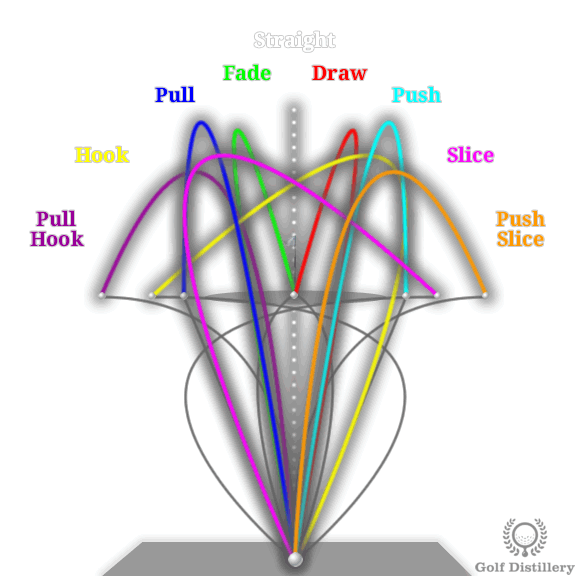
Golf ball flight is a mix of forces. Gravity pulls the ball down. Lift from backspin fights gravity. Drag slows the ball. Side forces make the ball curve.
Key factors that shape golf ball flight:
- Launch angle: the initial angle above the ground.
- Ball speed: how fast the ball leaves the clubface.
- Spin rate: backspin creates lift; sidespin creates curve.
- Spin axis: tilt gives draw or fade.
- Air density and wind: they add or subtract distance.
I like to compare a golf ball to a small airplane wing that spins. The dimples on the ball help air stick and lift the ball more. When these parts work together, you get a long, stable golf ball flight.
Launch conditions: what happens when you strike the ball
Launch conditions set the flight path in the first few feet. Get these right and the rest falls into place.
Important launch numbers:
- Ball speed: higher equals more distance.
- Launch angle: too low wastes height; too high loses roll.
- Spin rate: low spin helps distance off the tee; mid-high spin helps control with irons.
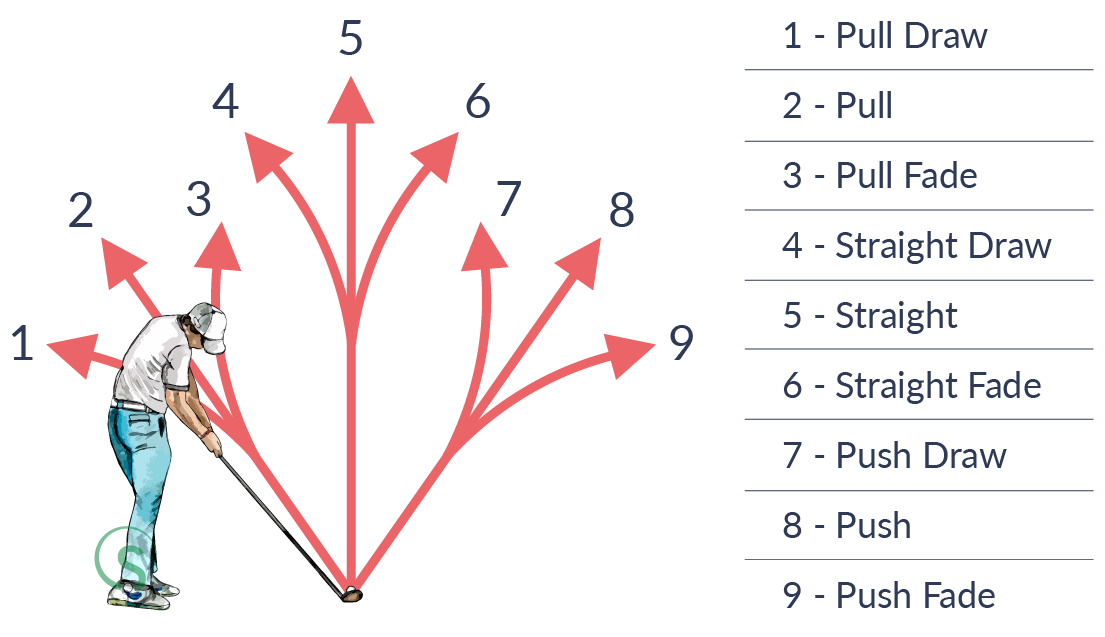
- Spin axis: a tilted axis makes the ball curve.
From my fittings, a good driver launch for many players is high ball speed, mid launch angle, and low spin. For irons, you often want higher spin for stopping power. I once tuned a player’s driver 200 rpm lower in spin and gained 12 yards of roll on a dry day.

Spin and the Magnus effect: why balls lift and curve
Backspin creates lift through the Magnus effect. The spinning ball drags air differentially. That changes air pressure and gives lift.
Side spin makes the ball curve:
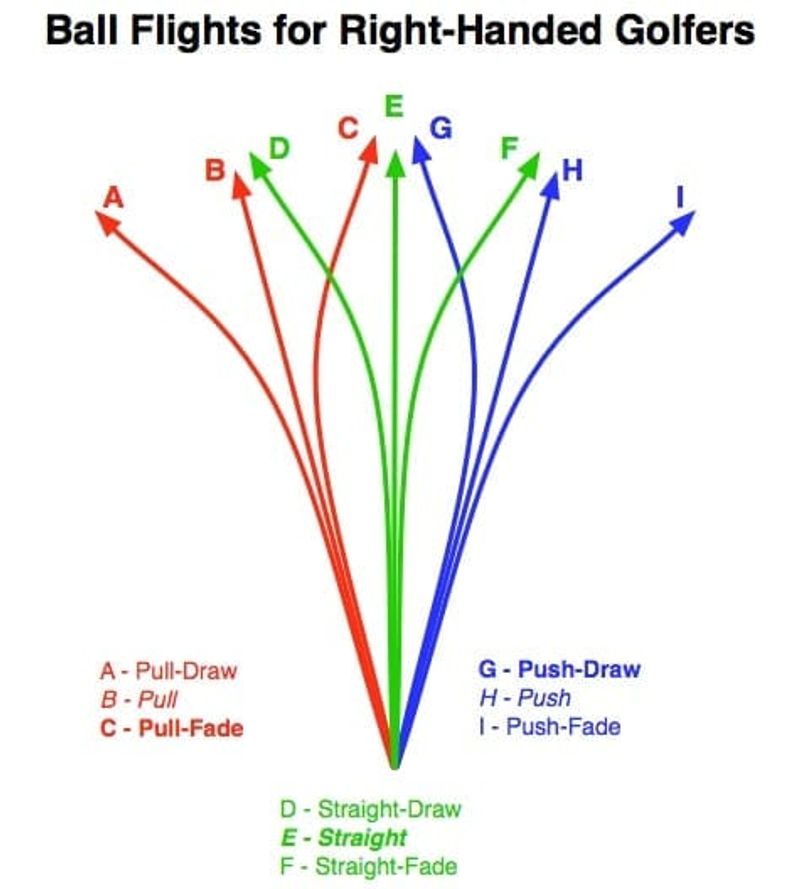
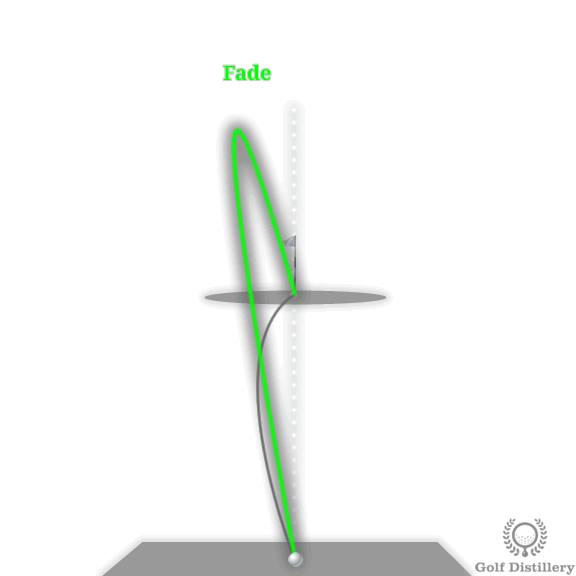
- Clockwise spin (from above) makes the ball fade or slice for a right-handed golfer.
- Counterclockwise spin makes the ball draw or hook.
Spin control is part art and part data. I learned this on the range by watching ball flight and then checking spin on a monitor. Small face angle and spin axis changes make big flight differences.
Dimples, ball construction, and how they change flight
Dimples are the hidden engine of golf ball flight. They control boundary layer and reduce drag. Ball layers and core affect speed and spin.
How ball design changes flight:
- More dimple depth and pattern can increase lift and carry.
- Softer covers give more spin on short irons and wedges.
- Firmer cores give higher ball speed off the driver.
When I tested premium balls vs budget balls, premium balls often delivered more consistent spin and feel. That consistency led to repeatable golf ball flight, especially on approach shots.
Club and swing factors that shape golf ball flight
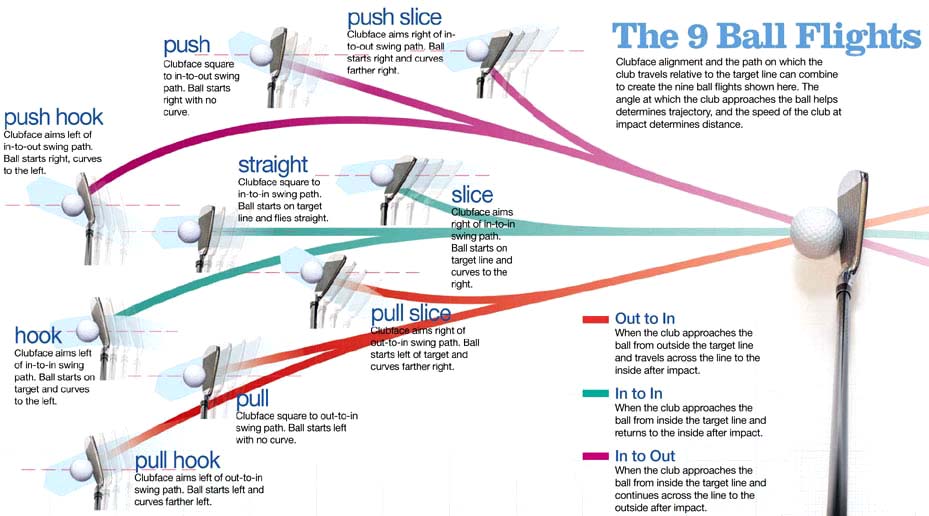
The club and how you swing it control the launch conditions. Clubface angle, path, and attack angle are the core culprits.
Main club and swing drivers of flight:
- Clubhead speed affects ball speed.
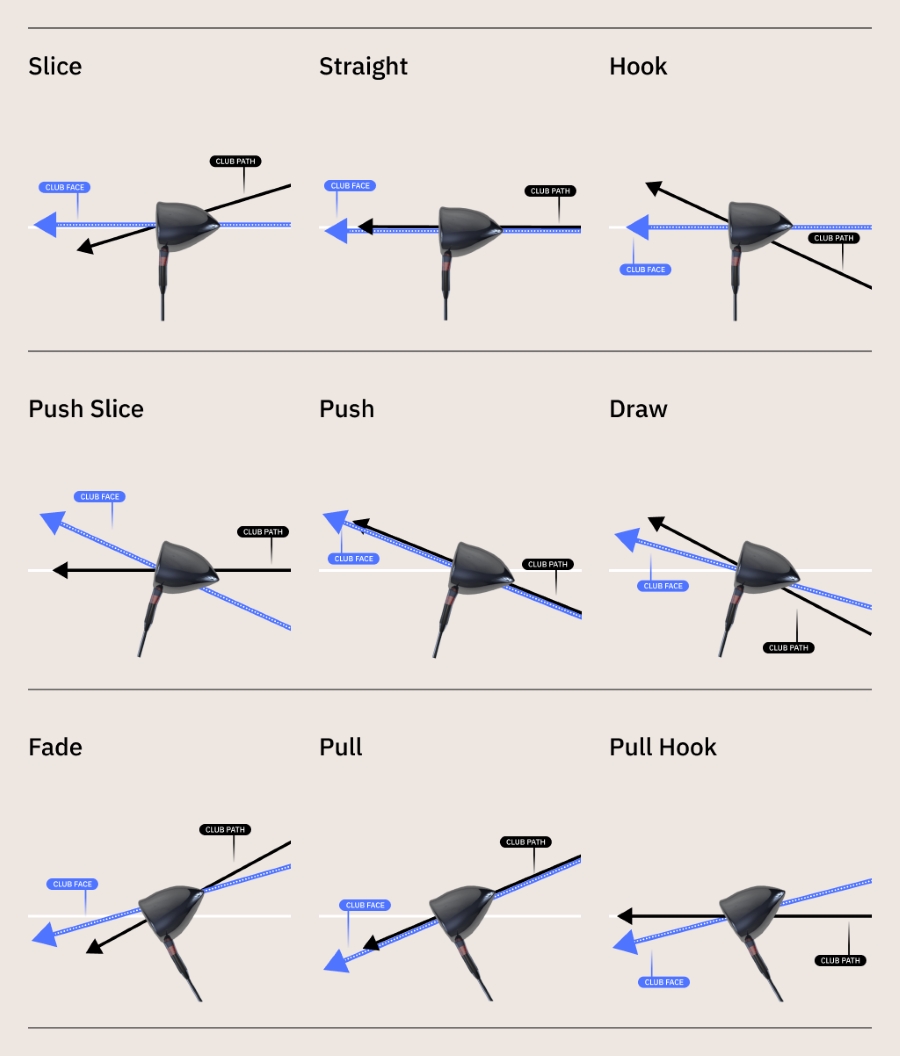
- Face angle at impact alters direction and spin axis.
- Path relative to face makes draw or fade.
- Loft and lie change launch angle and spin.
A steeper angle of attack nets more spin with irons. A sweeping attack with the driver reduces spin. I used to overly lift my driver and lost distance. Fixing my attack angle and tee height gave me a straighter, longer golf ball flight.
Environmental effects: wind, altitude, and temperature
Air matters a lot. Wind changes carry and shape. Altitude thins air and increases carry. Warm air reduces drag slightly.
Practical tips:
- Play into wind: hit lower, reduce spin to keep control.
- Play with wind: accept extra carry, watch for roll.
- High altitude: expect around 10% more carry in thin air.
- Cold days: ball feels firmer and carries less.
I once played at altitude and under-clubbed by two clubs. After that round, I started adjusting club choice up one club for every 1,000 feet above sea level. That simple rule fixed many misjudged golf ball flight moments.

Shaping shots and controlling spin: tricks and drills
To shape shots you must control face, path, and loft. Simple drills help build feel and repeatable golf ball flight.
Drills to practice:
- Short swing alignment drill: hit half shots while checking face angle to make straighter flight.
- Tee-to-target drill: place a tee outside the ball to encourage inside-out or out-to-in path.
- Low punch drill: choke down and sweep to keep spin low.
Try small changes. I teach players to change one variable at a time. That way, when flight changes, you know why.
Measuring and optimizing flight: tools and data to use
Use a launch monitor and on-course checks to dial in flight. Track these key numbers for consistent golf ball flight:
- Ball speed
- Launch angle
- Spin rate
- Carry distance
- Total distance
- Spin axis
A simple plan: test three balls, three clubs, and three swing ideas. Compare the data and pick the best match for your game. I still take notes after every fitting. The data makes results repeatable and honest.

Common mistakes and how to fix them
Many golfers misread the cause of a bad flight. Here are common issues and fixes.
Common problems:
- Too much spin off the tee: fix by shallowing attack or changing ball.
- Left or right misses: check face angle and path, not just swing speed.
- Inconsistent distance: focus on contact and ball speed.
- Overreacting to wind: use simple club adjustments and commit.
I used to over-correct for a slice by closing the face. That made hooks worse. A steady path and small face repairs gave me reliable golf ball flight again.
Fitting and ball selection: match your gear to your flight
A good fit matches your swing to a ball and club setup. That makes golf ball flight predictable and longer.
Fitting checklist:
- Measure clubhead speed and launch numbers.
- Try balls with different compression and cover types.
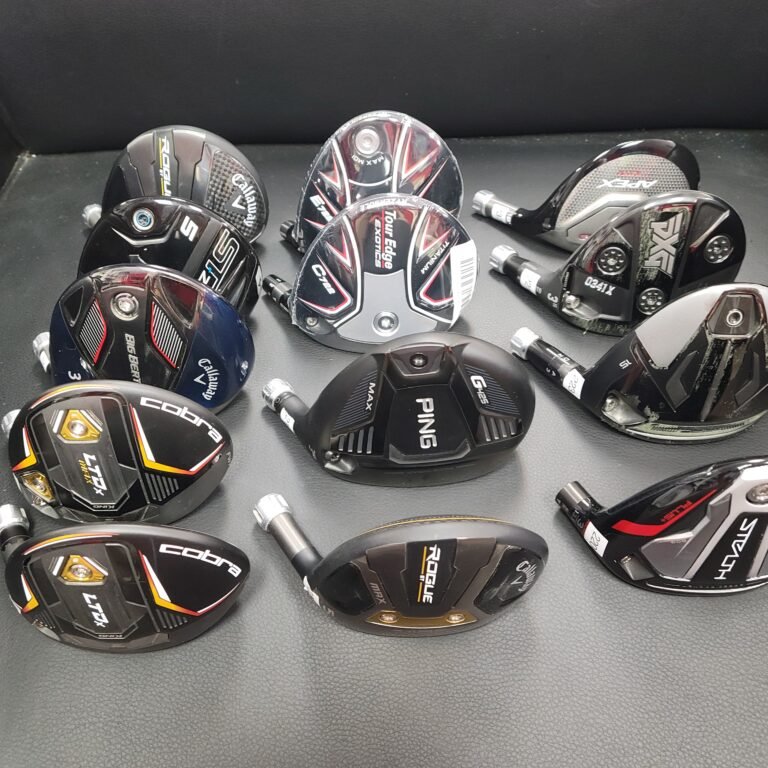
- Test driver loft and shaft to tune launch and spin.
- Pick a ball that balances distance and control for your game.
A fitted setup saved one student from losing shots. After switching to a low-spin driver head and a mid-spin ball, he gained both distance and accuracy. The flight became repeatable.
Frequently Asked Questions of golf ball flight
What causes a slice in golf ball flight?
A slice is usually caused by an open clubface relative to the swing path at impact, creating side spin that curves the ball right for a right-handed player. Fix the face-path relationship and check your grip and stance.
How does backspin affect distance in golf ball flight?
Backspin creates lift and helps carry the ball farther through the air. Too much backspin, however, increases drag and can reduce total distance, especially with the driver.
Should I use a low-spin or high-spin ball for better flight?
Use a low-spin ball for more roll and distance off the tee, and a higher-spin ball for better stopping power on approaches. Choose based on your swing speed and what you need from each shot.
How does wind change my golf ball flight strategy?
In headwind, reduce spin and hit a lower shot for control. In tailwind, expect extra carry and roll. Crosswinds need alignment and maybe aiming off-target to compensate.
Can dimples really change golf ball flight?
Yes. Dimples reduce drag and increase lift by shaping airflow around the ball. They are a major reason a golf ball carries far and with stability.
Conclusion
Understanding golf ball flight helps you hit better shots and make smarter club choices. Focus on launch angle, ball speed, spin, and the impact of the club and environment. Test with simple drills and a launch monitor, and pick gear that matches your swing. Take one step today: try a controlled launch drill on the range or book a short fitting. Leave a comment with your flight struggles or wins, and subscribe for more tips.