Fairway wood vs hybrid: fairway woods give more distance, hybrids offer more forgiveness and easier shots.
I have spent years fitting clubs and testing gear on the range and course. This guide on fairway wood vs hybrid pulls from real fittings, on-course play, and data-backed trends. I will walk you through how each club performs, when to choose one over the other, and how to pick the right loft and model for your game. Read on to learn practical tips, avoid common mistakes, and make smart decisions for your bag.
Understanding fairway wood vs hybrid: the basics
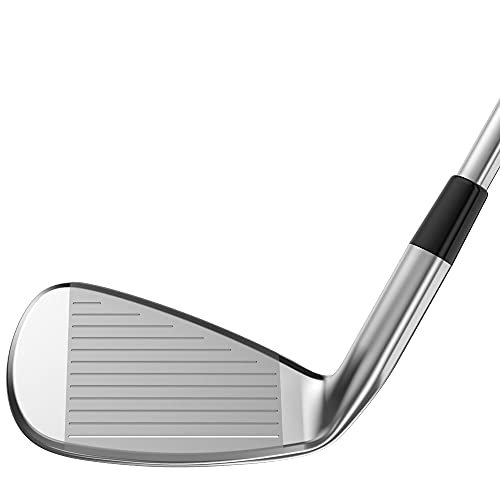
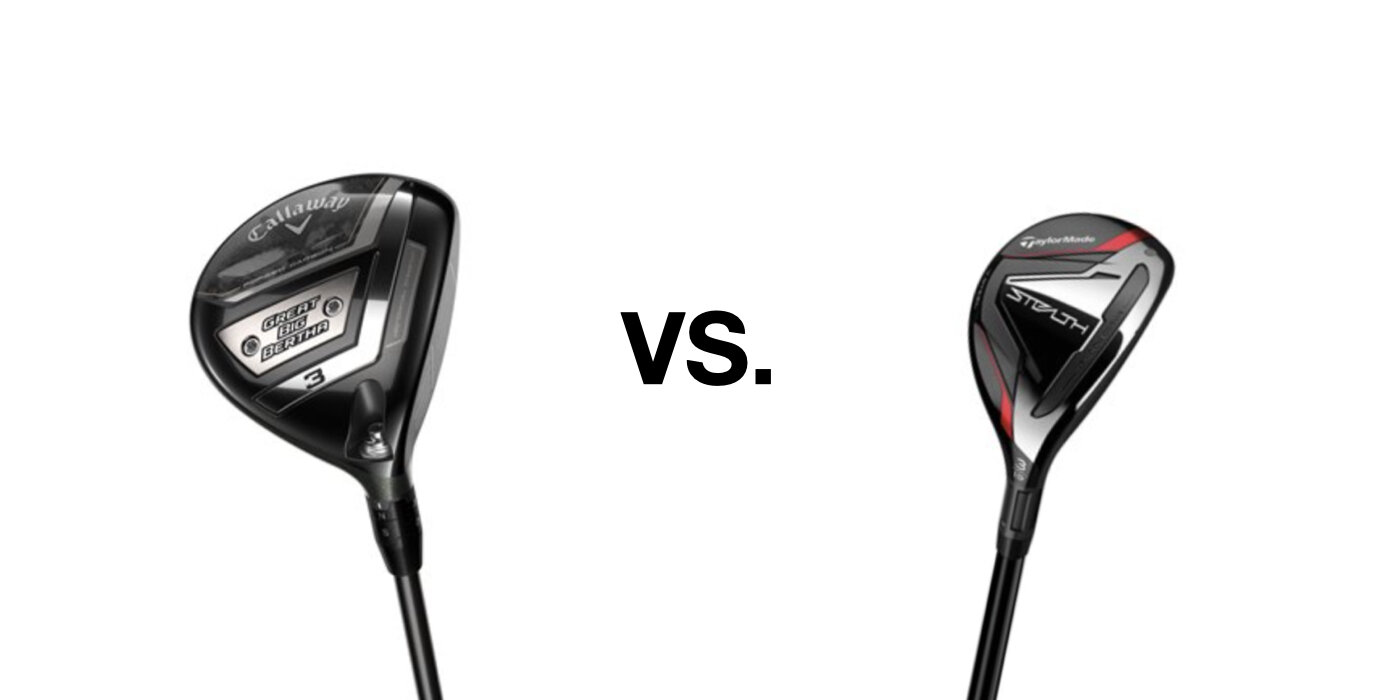
Fairway wood vs hybrid is a common choice for golfers who want better distance and playability. Fairway woods are long clubs with shallow faces and larger heads. Hybrids blend iron-like shafts with a compact head to make shots easier to hit.
Key differences at a glance:
- Fairway wood: designed for speed and distance, best for long shots from fairway or tee.
- Hybrid: designed for forgiveness, easier launch, and more control from rough or tight lies.
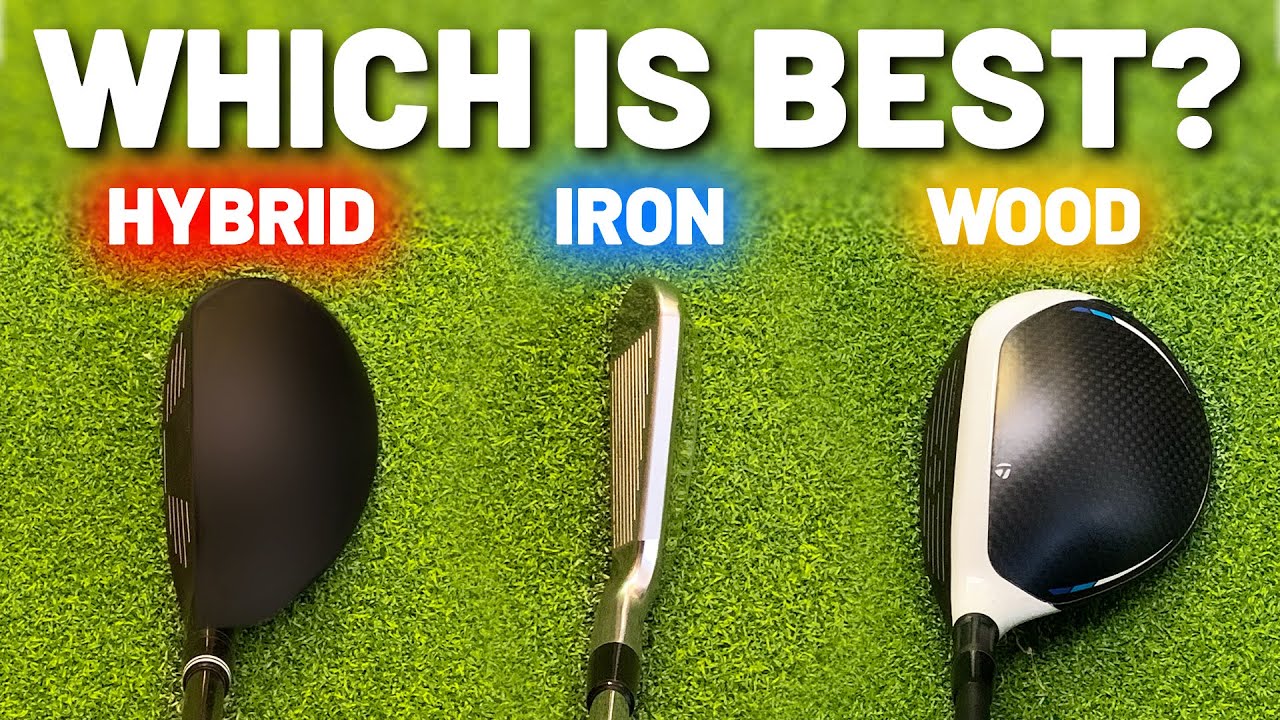
- Shaft length: fairway woods have longer shafts, hybrids have shorter shafts closer to irons.
- Head shape: fairway woods are bigger; hybrids are smaller and more compact.
My experience: I used a 3-wood for years until a hybrid replaced my 3-iron. The hybrid gave me more confidence from the rough and led to fewer blown attempts off tight lies.
Performance comparison: distance, launch, and forgiveness
When comparing fairway wood vs hybrid for distance, fairway woods almost always win. Fairway woods have more loft options and longer shafts, so they create higher clubhead speed. That translates into more carry and roll on most swings.
Forgiveness and launch behavior:
- Fairway wood: can be less forgiving on mishits. Good for players who swing smoothly and generate speed.
- Hybrid: very forgiving. The lower center of gravity aids launch and reduces sidespin.
- Launch: hybrids launch higher for many players. Fairway woods can have a lower, longer flight that rolls more.
From testing: an average mid-handicapper gained 10–20 yards with a fairway wood compared to a hybrid when making clean contact. But in rough or tight lies, the hybrid often saved strokes by producing playable balls instead of big misses.
Play scenarios: when to use a fairway wood and when to use a hybrid
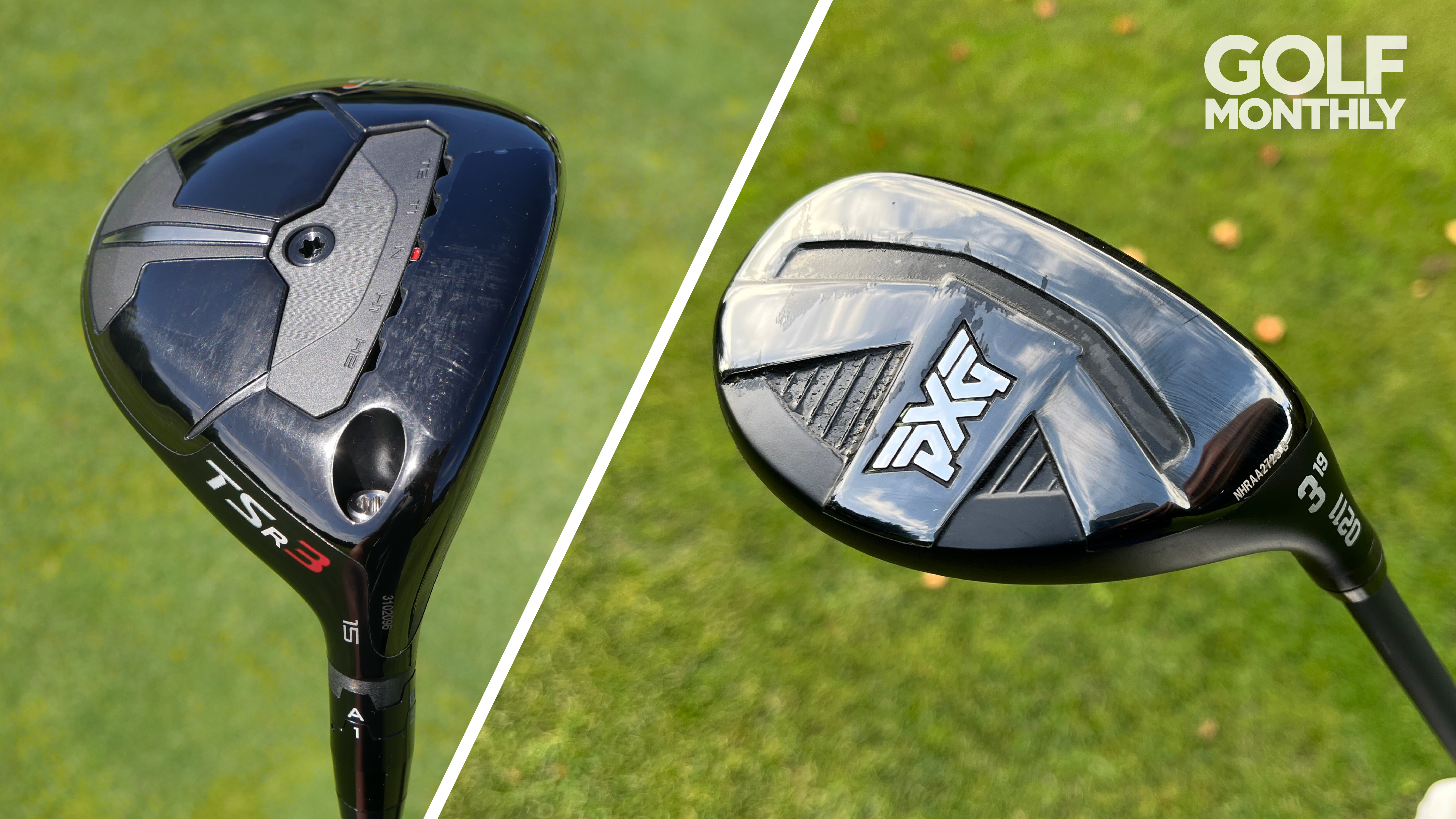
Choosing between fairway wood vs hybrid depends on where you stand and what you need for the shot. Use context rather than blind rules.
When to use fairway wood:
- Tee shots on tight par-4s when you need distance but not driver.
- Long fairway shots where you need extra carry and rollout.
- When you can make clean contact from a flat lie.
When to use hybrid:
- Shots from the rough or soft turf.
- Long approach shots where accuracy and a high landing angle matter.
- Replacing long irons like 2–4 irons for easier contact and control.
In my rounds, I reach for a hybrid on windy days or when I face thick rough. The hybrid reduces the chance of a big number and keeps the ball in play.

Choosing the right loft, shaft, and model
Selecting between fairway wood vs hybrid means matching lofts so you cover yardages without overlap. A clean bag gap makes course management easier.
Practical setup tips:
- Map yardages: know your carry for each club. Keep 10–15 yards between clubs.
- Loft gaps: choose fairway woods and hybrids with progressive lofts to avoid overlap.
- Shaft choice: select flex and weight for your swing speed. Heavier shafts add control at the cost of some distance.
- Head design: choose shallow fairway heads for turf interaction; choose hybrids with low CG for higher launch.
Personal tip: I replaced my 3-wood with a 3-hybrid for a year. I lost a bit of max distance but hit more greens and saved 2–3 shots per round. Later, I fitted a lower-lofted 3-wood with a stiffer shaft to regain distance while keeping control.

Bag building: where fairway wood vs hybrid fit in your set
Think of fairway wood vs hybrid as puzzle pieces. Your objective is to cover distance bands and shots you face most.
Suggested bag mixes:
- Distance-focused bag: driver, 3-wood, 5-wood, 4-iron, 5-iron or hybrid.
- Control-focused bag: driver, 3-hybrid, 4-hybrid, 5-iron, wedges.
- Balanced bag: driver, 3-wood, 3-hybrid, 5-wood or 4-hybrid, mid-irons.
Consider course type:
- Wide, firm courses favor fairway woods for roll.
- Tight, high-rough courses favor hybrids for easy recovery.
From my fittings: many mid-handicap players play best with one fairway wood and one hybrid. This mix covers both long tee shots and approach shots from difficult lies.

Practice and fitting: make the right choice on the range
Testing both clubs under real conditions is the smartest move. A club that looks good on paper may not suit your swing.
Fitting checklist:
- Test on grass, not mats. Turf interaction matters.
- Track carry and dispersion. Prioritize consistent contact and distance control.
- Try different shafts and lofts. Small changes can make a big difference.
- Record feel and confidence. Trust how the club performs under pressure.
Practice drills to compare fairway wood vs hybrid:
- Hit 10 shots each from fairway. Compare average carry and dispersion.
- Hit from deep rough. Note which club gets the ball airborne easier.
- Simulate course shots: tee, fairway, rough, and tight lies.
My discovery: I hit my hybrid more consistently from the rough. The fairway wood was better for long, open fairway shots. Fitters often recommend hybrids for slower swing speeds and fairway woods for faster, confident hitters.

Common mistakes and how to avoid them
When choosing fairway wood vs hybrid, golfers make repeatable errors that hurt play. Avoid these to get the best out of your clubs.
Common mistakes:
- Picking a fairway wood for distance without testing control. This can cause missed greens.
- Overlapping lofts. Too many similar lofts create confusion and distance gaps.
- Ignoring shaft fit. Wrong shaft cost more yards and control than head design.
- Not practicing from different lies. Clubs behave differently on grass, rough, and tees.
How I corrected mistakes: I once had two clubs that both carried 200 yards. I re-lofted and re-shafted one and reduced overlap. My scores dropped because I had clearer choices.

Frequently Asked Questions of fairway wood vs hybrid
What is the main advantage of a fairway wood over a hybrid?
Fairway woods deliver more distance and higher top speed. They are best for long fairway shots and open tee shots where rollout helps.
Are hybrids easier to hit than fairway woods?
Yes. Hybrids have a compact head and lower center of gravity, making them easier to launch and more forgiving on mishits.
Can a hybrid replace a fairway wood in the bag?
A hybrid can replace some fairway woods for many players, but you may lose some raw distance. Choose based on your carry needs and course type.
How should I test fairway wood vs hybrid on the range?
Hit each club 10–15 times from grass, rough, and tee. Compare carry, dispersion, and how comfortable you feel under pressure.
Should beginners choose hybrids over fairway woods?
Beginners often benefit from hybrids because they are easier to control and launch. Hybrids help build confidence and lower scores early on.
Do hybrids work well from the tee?
Yes. Hybrids can work well from the tee on tight holes where accuracy matters more than max distance.
How do lofts affect the fairway wood vs hybrid decision?
Loft changes launch and carry. Match lofts to create even distance gaps and avoid overlapping yardages between clubs.
Conclusion
Choosing between fairway wood vs hybrid comes down to your swing, course needs, and comfort. Fairway woods reward speed and deliver distance. Hybrids add forgiveness and make tough lies manageable. Test both on grass, map your yardages, and fit shafts and lofts to your swing. Try a mixed approach: one fairway wood and one hybrid often gives the best balance. Take action today: test both on the range, track your distances, and adjust your bag to play smarter. Leave a comment about what worked for you or sign up for a fitting to refine your choices.