A proper fairway wood setup balances stance width, ball position, and smooth weight distribution.
As a coach and lifelong golfer, I’ve tweaked dozens of swings to get the most from fairway woods. This guide walks you through a step-by-step fairway wood setup that makes launches higher, strikes purer, and misses fewer. I’ll share practical tips, common mistakes, and drills I used myself to fix setup flaws quickly and confidently. Read on to master the fairway wood setup for better distance and accuracy.

Why a proper fairway wood setup matters
A repeatable fairway wood setup primes your body and club to work together. When your setup is consistent, your swing path, clubface angle, and low point align better. That means more solid strikes, higher launch, and tighter dispersion. I’ve seen players reduce errant shots and gain yardage just by tightening their setup routine.
Step-by-step fairway wood setup
Follow these clear steps to build a reliable fairway wood setup every time.
Address stance and alignment
- Stand slightly narrower than your driver stance but wider than an iron stance.
- Align your body parallel to the target line; pick a spot on the ground to square your feet.
- Keep shoulders level and relaxed to encourage a smooth swing.
Ball position and posture
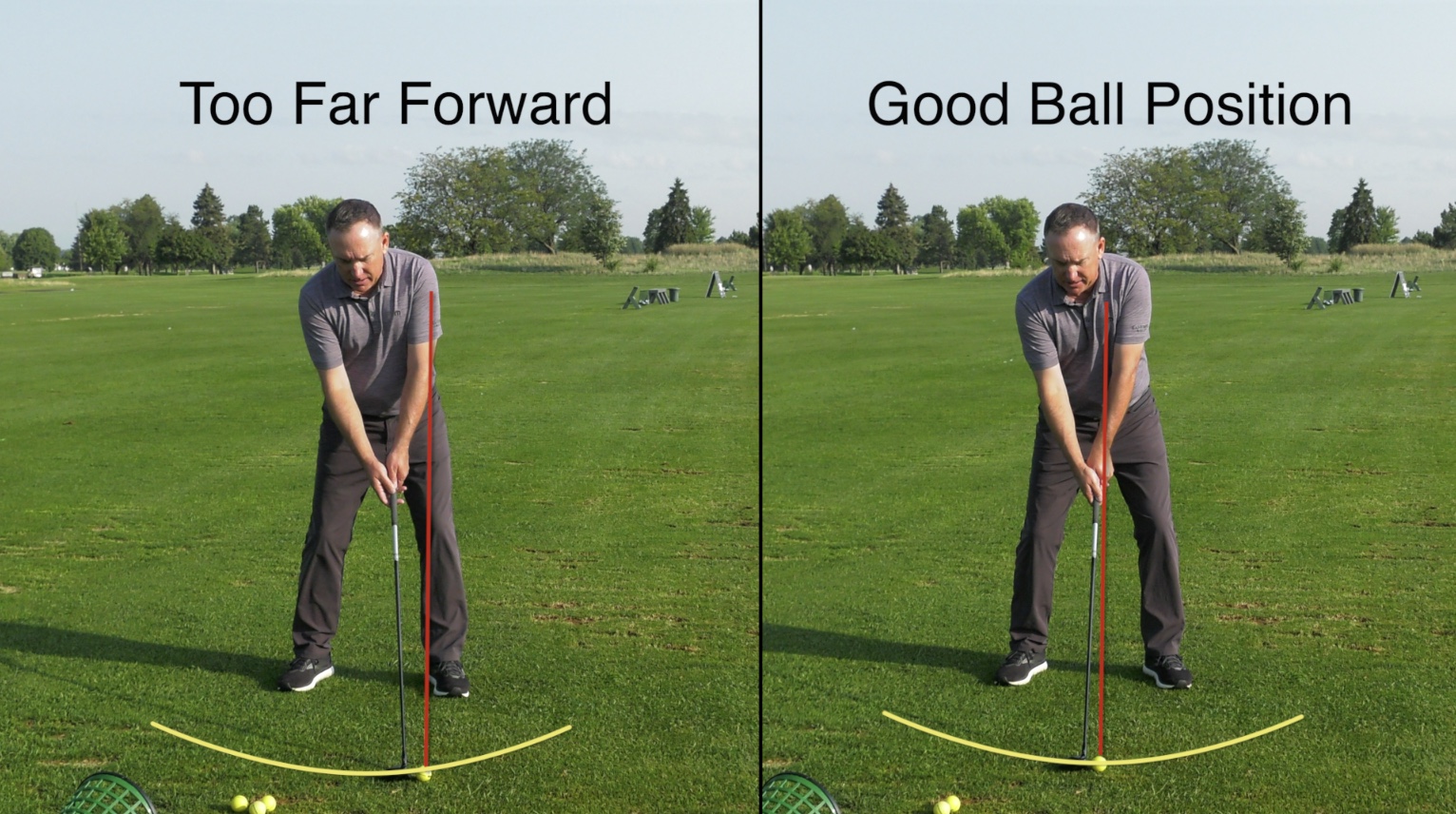
- Place the ball just forward of center for most fairway woods; move it slightly back for tighter lies.
- Bend from the hips with a slight knee flex to create a flat spine angle.
- Keep your chin up and eyes directly over the ball to improve contact.
Grip and hand placement
- Use your normal grip pressure—firm but not tense.
- Hands should sit just ahead of the ball at address to promote shallow attack.
- Check that the clubface appears square to your target at address.
Weight distribution and balance
- Start with roughly 55% weight on your front foot for a sweeping, shallow strike.
- Feel balanced and athletic; avoid leaning too far back.
- Small forward shaft lean helps compress the ball and launch it cleanly.
Shaft lean and shaft angle
- A slight forward shaft lean at address improves launch angle and distance control.
- Ensure the shaft feels connected to your lead arm without forcing it forward.
- Adjust shaft lean if you notice thin shots or digs.
I learned early on that small setup tweaks produce big changes. One player moved the ball only a half-inch and improved contact instantly.

Club selection and equipment notes for setup
Choosing the right club and setup makes practice transfer to the course.
- Select a fairway wood that suits your swing speed and launch desire.
- Consider a loft that fills the gap between your longest iron and your hybrid or driver.
- Check shaft flex and length—too long or too stiff changes your setup and swing plane.
- Use clubs with modern sole designs if you often hit from the rough or tight lies.
From experience, switching to a slightly higher-lofted fairway wood helped me stop hitting low, blocked shots. Equipment isn’t a fix-all, but getting the right club narrows the setup margin for error.

Common setup mistakes and how to fix them
Recognize and correct these frequent fairway wood setup errors.
Ball too far back
- Leads to fat shots and low launch.
- Move the ball slightly forward and practice sweeping the ball off the turf.
Weight too far back
- Causes thin or skyed shots.
- Shift weight forward at address and feel pressure on the lead foot.
Too strong grip or closed face
- Produces hooks or pulls.
- Neutralize grip and square the face at address.
Stance too wide or too narrow
- Affects balance and rotation.
- Aim for a moderate stance that allows hip turn.
Excessive forward shaft lean
- Can lead to thin shots and loss of launch.
- Soften the lean and focus on sweeping contact.
I once taught a student who consistently topped fairway woods. We fixed a tiny forward lean and regained solid ball-first contact in one session.

Practice drills to lock in your fairway wood setup
Use drills that reinforce proper setup and contact.
The alignment stick drill
- Place an alignment stick along your feet to keep stance consistent.
- Repeat setup routine until stance feels automatic.
The tee sweep drill
- Place a tee in the ground and practice sweeping the tee cleanly.
- Helps with low point control and shallow attack.
The weight-shift step drill
- Start with weight on the back foot, step into the shot on the downswing.
- Trains proper forward weight at impact.
Mirror or video check
- Film your setup from behind and side to confirm posture and ball position.
- Small visual tweaks produce faster improvement.
These drills gave me immediate feedback while I refined my fairway wood setup. Practice them a few minutes per range session for big gains.
How to adapt setup for different lies and clubs
A solid fairway wood setup is flexible. Adjust these elements for conditions.
Tight fairway or tee
- Move ball slightly forward and narrow stance slightly.
- Focus on an easy sweep and maintain forward weight.
Rough or uneven lies
- Ball back a touch and weight more centered.
- Be ready to punch or sweep depending on resistance.
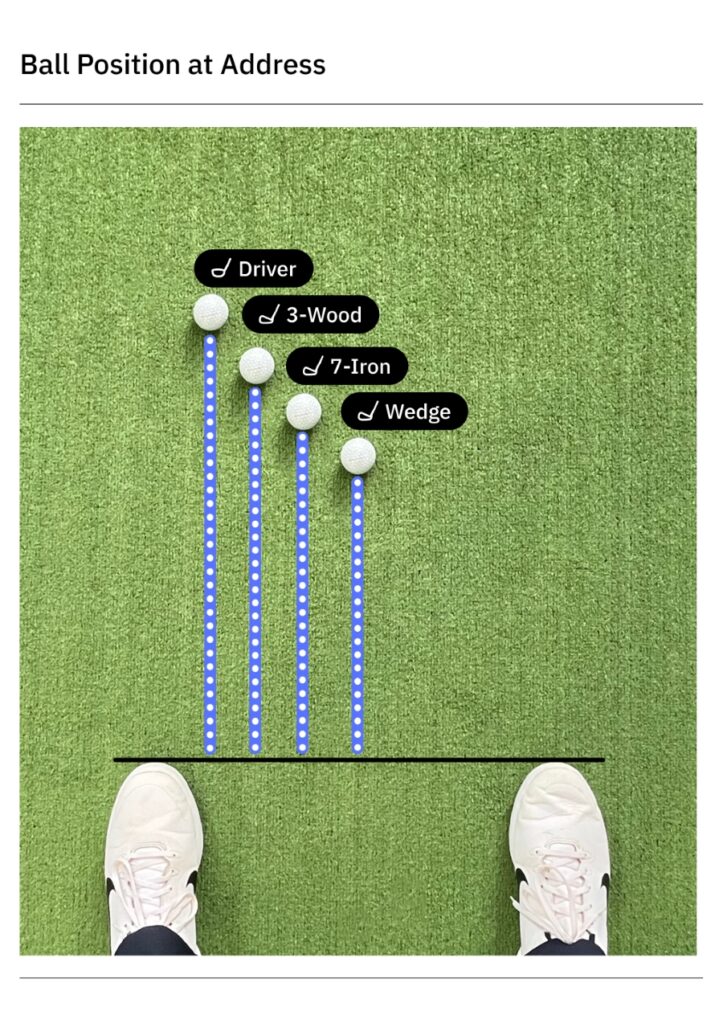
Different fairway woods
- Higher-lofted fairway woods can sit slightly more centered.
- Lower-lofted woods often need a tad more forward ball position.
Adapting your fairway wood setup to conditions prevents you from forcing a single routine in every scenario.

Tracking progress and making lasting setup changes
Measure setup improvements with simple metrics.
Shot quality journal
- Record ball position, stance, and result for a set of shots.
- Look for patterns and small wins.
Use tech tools sparingly
- Launch monitors or slow-motion video help, but don’t over-rely on numbers.
- Combine tech with feel-based practice.
Routine and habit
- Repeat your setup sequence exactly before every shot.
- Consistency in routine breeds consistent contact.
I kept a short log after each lesson. Seeing small trends made it easier to trust changes and keep the improvements.

Frequently Asked Questions of fairway wood setup
How should my feet be positioned for a fairway wood setup?
Feet should be shoulder-width to slightly narrower, with toes pointing parallel to your target line. This stance supports rotation and balance for a smooth sweep.
Where should the ball sit in my stance for a fairway wood?
Place the ball just forward of center for most fairway woods; move it slightly forward for longer woods and slightly back for tight lies. Small adjustments impact launch.
How much weight should be on my front foot at address?
Aim for about 55% on the front foot to encourage a shallow ascending attack. Feel athletic and ready to pivot rather than leaning back.
Should I have forward shaft lean with a fairway wood?
A slight forward shaft lean is helpful but keep it modest to allow sweeping contact. Too much lean encourages thin shots and reduces launch.
How do I fix a tendency to hit fairway woods thin or fat?
Check ball position and weight distribution first. Practice the tee sweep drill and adjust ball slightly forward or weight toward the front foot to improve bottom-of-swing control.
Conclusion
A dependable fairway wood setup is a small routine that yields big results. Focus on stance, ball position, weight distribution, and a calm, repeatable routine. Try the drills and adjustments here, track your swings, and be patient—small changes compound into consistent, longer shots. Start applying one setup tweak this week and notice the difference; leave a comment with your results or subscribe for more practical tips.