Face balanced putters suit straight strokes; toe hang putters suit arced strokes for improved feel and accuracy.
I have fitted dozens of golfers and tested both head types across skill levels. This guide on face balanced vs toe hang putter breaks down the physics, the feel, and the fitting steps you need. I explain how each type affects alignment, roll, and consistency. Read on to learn which putter will shrink your three-putts and build confidence on the greens.
Understanding the difference: face balanced vs toe hang putter
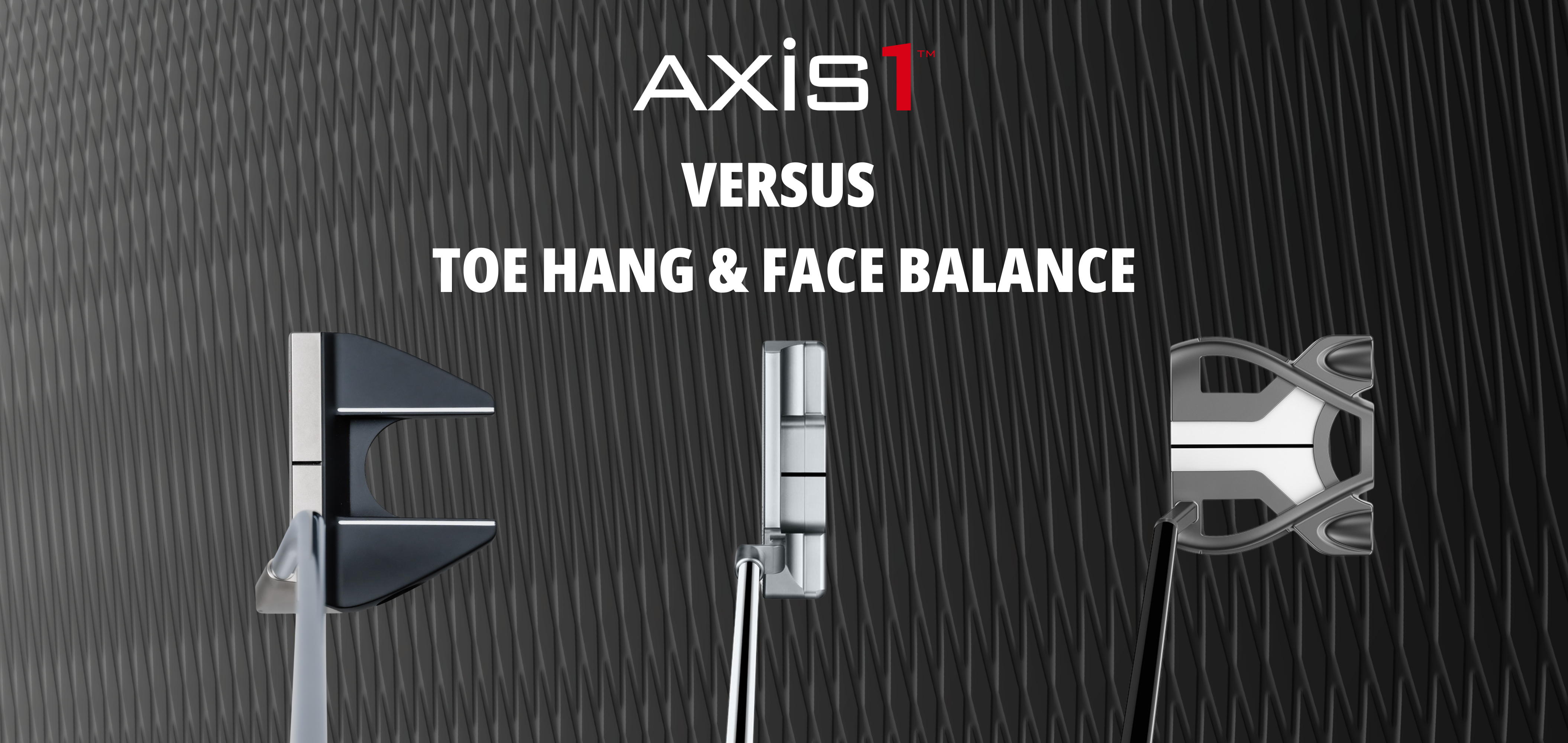
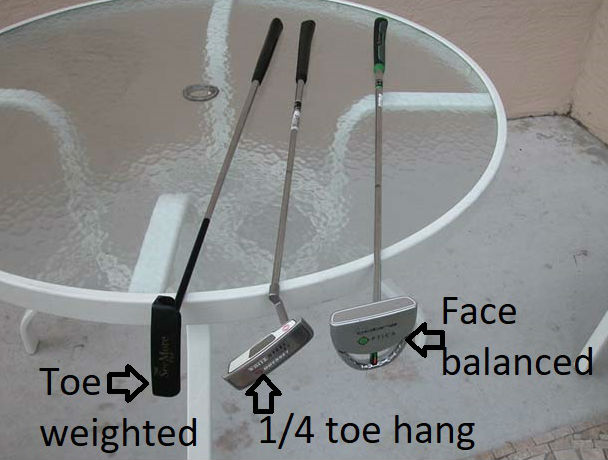
A face balanced putter has its face pointing up when you balance the shaft on your finger. The mass sits evenly behind the face. That makes the head resist rotation during the stroke.
A toe hang putter lets the toe drop when balanced. The head wants to rotate open and closed. That rotation matches an arced putting stroke.
Key points to remember:
- Face balanced putters favor a straight-back, straight-through stroke.
- Toe hang putters favor an arced stroke with face rotation through impact.
- The balance point affects how the putter returns to square at impact.
In my fittings I often test both types on a short drill. Most players feel immediately which design matches their natural path. The right match reduces wrist action and improves timing.

How putter design affects your stroke and roll
Head geometry, toe hang, and weight change the way the putter moves. Face balanced heads resist rotation. That leads to a tendency to keep the face square. Toe hang heads rotate more and allow the face to close on an arc.
How this impacts roll:
- Face balanced putters can produce a quick, tight roll when hit square.
- Toe hang putters often encourage a softer release and natural gear effect.
- Mis-matched putter type can cause poor face angle at impact and erratic distance control.
I saw a mid-handicap player reduce lip-outs simply by switching from a face balanced head to a slight toe hang. The change matched his slight arc and gave him more consistent face angle at impact. Such small matches matter a lot on real greens.

Choosing the right putter: questions to guide you
Ask yourself these quick questions:
- Does your putter path feel straight or arced?
- Do you rotate the face through impact or try to keep it square?
- Where do your putts miss most often: left, right, or short?
Simple tests to try on the practice green:
- Roll three putts keeping your shoulders square. If you feel comfortable, a face balanced putter may suit you.
- Make three strokes with a small arc in the path. If you feel natural, try a toe hang head.
Fit checklist:
- Measure your stroke path with a line or gate drill.
- Test both head types for five to ten minutes each.
- Note where you miss and how the ball starts and releases.
When I coach, I let players test both types for at least 20 putts each. The body reveals a preference long before the numbers do. Matching your eye and feel to the putter is half the battle.
Fitting and testing tips for real results
Testing properly is key. A quick swap in the bag often misleads. Follow these steps:
- Warm up with five short putts to feel the head.
- Use alignment aids and a straight line drill to see starting direction.
- Record 20 putts from three distances: 6 feet, 12 feet, 20 feet.
- Note your make rate, start line, and finish line.
Use both face balanced vs toe hang putter heads during the test. Track which produces better start direction and fewer misses. I like using a chalk line or a narrow tape line to see the true path. Fitters often use launch monitors, but you can learn a lot with careful note-taking and feel.

Common mistakes and how to avoid them
Players often make these errors:
- Choosing based on looks rather than stroke feel.
- Ignoring shaft length and lie angle when assessing toe hang.
- Swapping putters mid-round without testing.
Avoiding mistakes:
- Match putter type to your natural path, not the path you wish you had.
- Check that grip size, shaft length, and lie angle support your stroke.
- Practice with the chosen putter for at least a week before committing.
I once recommended a face balanced putter to a player who wanted a straight stroke. He bought it and then shortened the shaft too much. The change ruined his feel. Fitting must be holistic.

Adjustments, shaft choices, and setup tips
Shaft and grip choices change the perceived toe hang and feel. Small tweaks often yield big wins.
- Longer shafts can amplify arc in the stroke.
- Stiffer shafts can reduce unwanted feel and give a firmer interface.
- Grip size alters wrist hinge. Larger grips reduce wrist break and favor straighter strokes.
Setup tips:
- Aim feet and shoulders parallel to the target line for straight strokes.
- Place the ball slightly forward if you like a firmer roll.
- Use a consistent routine to reduce variability.
I recommend players experiment with grip size before changing head type. Often, adjusting the grip solves alignment problems without a full head swap. A methodical change plan prevents wasted money and frustration.
Frequently Asked Questions of face balanced vs toe hang putter
How do I know if I have a straight or arced stroke?
Try the gate drill or draw a chalk line and roll putts along it. If your path stays on the line, you have a straight stroke; if it arcs off, you have an arced stroke.
Can a beginner use a toe hang putter?
Yes. Beginners can use toe hang putters if their natural stroke has an arc. The key is matching feel, not skill level.
Will changing to a face balanced putter fix my left/right misses?
It can help if your stroke is straight and your current putter rotates too much. But also check setup, grip, and green reading.
Do toe hang putters require more practice?
They may feel less stable at first for players used to straight strokes. A short practice routine usually brings quick adaptation.
Is one type better for fast greens?
Neither is inherently better. Match the type to your stroke and work on speed control. Both can excel with solid contact and distance feel.
Conclusion
Matching a putter to your natural motion matters. Face balanced putters suit straight-back-straight-through strokes. Toe hang putters suit arced strokes with face rotation. Test both under real conditions. Use simple drills, note where the ball starts and finishes, and make small adjustments to shaft, grip, and lie. Try a focused week of practice with the chosen head before you decide.
Take action this week: test both types on the practice green, track 60 putts, and pick the putter that gives you better start lines and confidence. Share your results or ask for a fitting tip in the comments.