Driver spin rate controls ball lift and distance; strike the right balance for optimal carry and roll.
I have spent years testing drivers, launch monitors, and shaft combos to understand driver spin rate. This guide explains what driver spin rate is, why it matters, and how to control it. I’ll share clear steps, real-world tips from fitting sessions, and mistakes I made so you can hit longer, straighter drives. Read on to learn actionable advice you can use on the range or at your next club fitting.
What is driver spin rate?
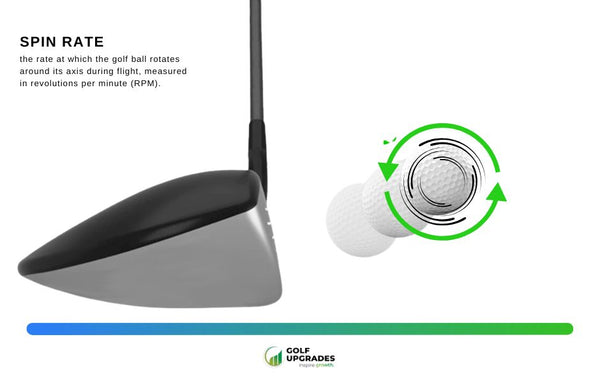
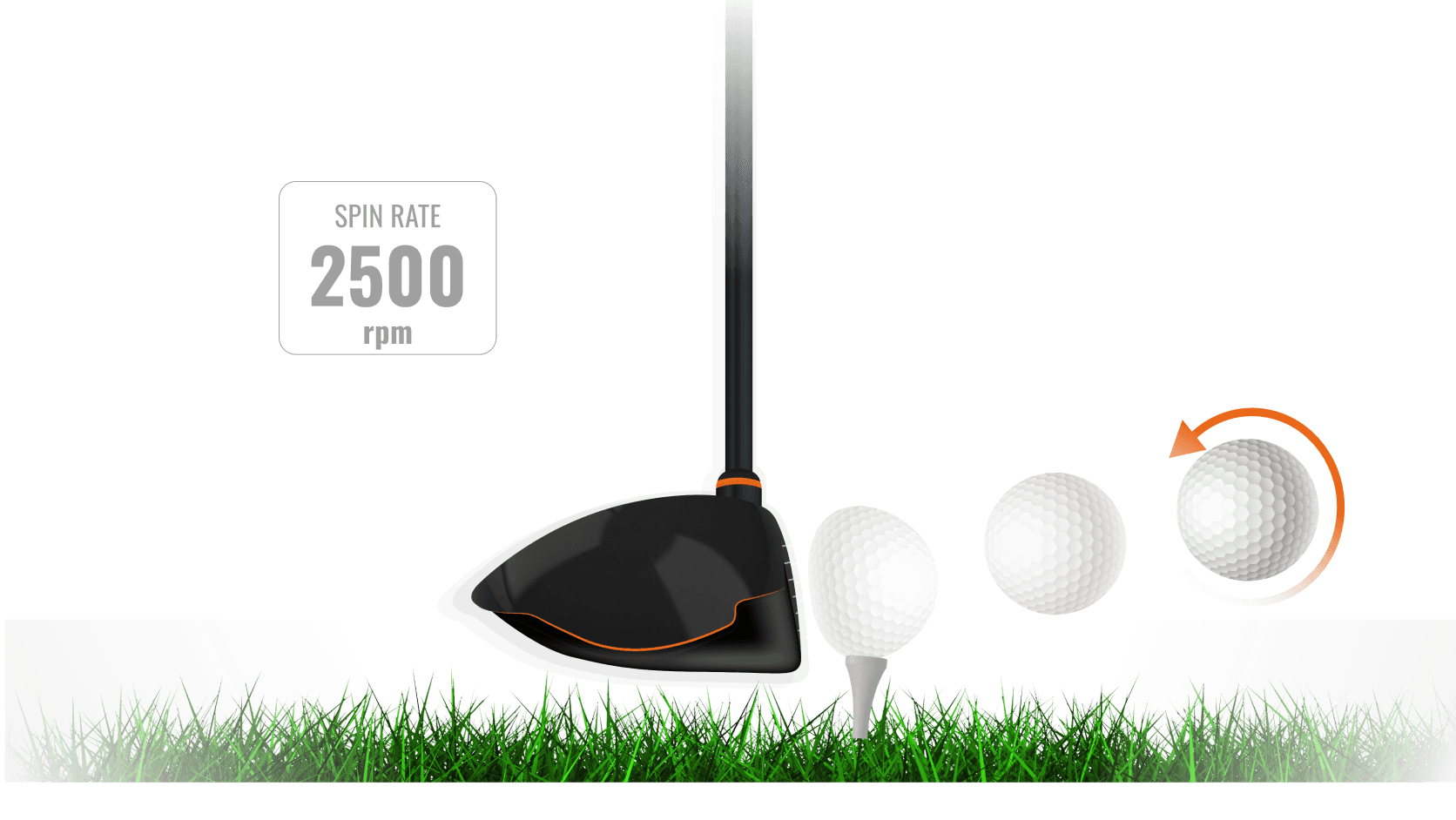
Driver spin rate is the amount of backspin on the golf ball after you hit a drive. It is measured in revolutions per minute (RPM). Higher spin means the ball climbs more and can stop quicker on the green. Lower spin often gives more roll but can make the ball drop sooner.
Driver spin rate affects ball flight, distance, and control. It links closely to launch angle and ball speed. Together, these numbers tell a fitter how a driver performs for each golfer. Getting the right driver spin rate can add yards and reduce side spin that causes slices or hooks.
Why driver spin rate matters
Driver spin rate changes how far the ball carries and how it lands. Too much spin eats distance in the air. Too little spin makes the ball fall out of the sky and lose carry. The best driver spin rate balances carry with roll for the golfer’s swing speed and angle of attack.
Spin also affects dispersion and control. If spin is unstable, you will see inconsistent curvature. Consistent driver spin rate helps you hit more fairways. That consistency is what separates average golfers from lower-handicap players.

How driver spin rate is measured
Modern launch monitors measure spin by tracking the ball’s rotation and flight. You get RPM numbers right after impact. Common devices use high-speed cameras or doppler radar for accuracy.
To get reliable numbers:
- Use a calibrated launch monitor at a fitting center or driving range.
- Hit multiple shots with the same ball model to average the spin.
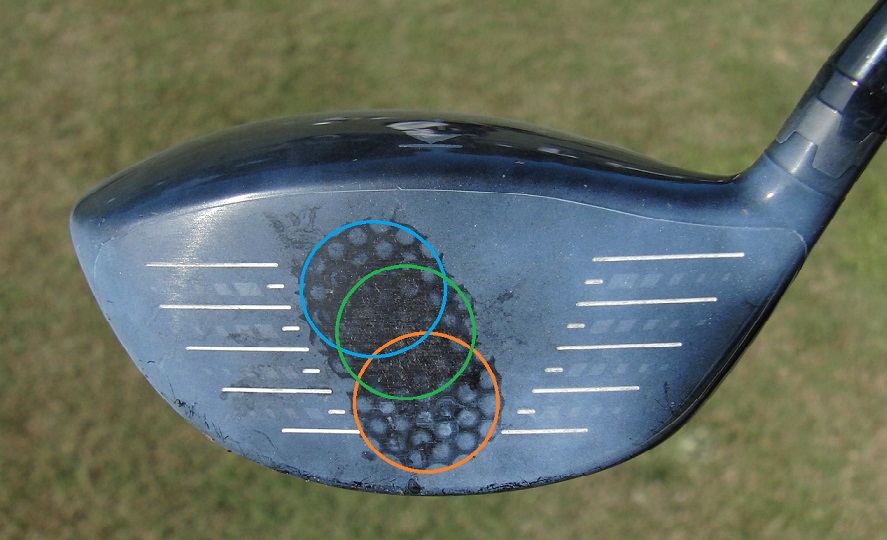
- Control variables like turf, tee height, and clubface angle.
A true measure needs consistent swing speed and a steady setup. Don’t trust a single number from one swing.
Ideal driver spin rate ranges
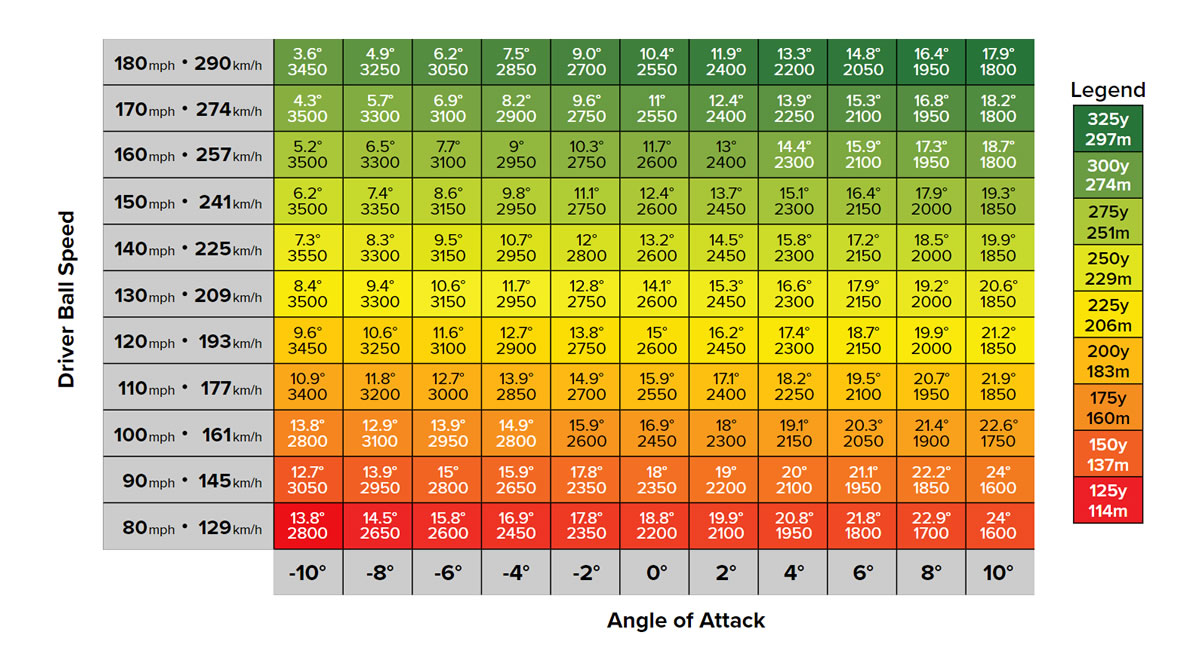
Ideal driver spin rate depends on your swing speed and angle of attack. As a basic guide:
- Slow swing speed (under 85 mph): 3000–4000 RPM
- Moderate swing speed (85–100 mph): 2500–3500 RPM
- Fast swing speed (over 100 mph): 1800–2600 RPM
These ranges are starting points, not rules. A player with a steep angle of attack may need lower spin than the chart suggests. Always use actual launch monitor data to fine-tune.
How to lower or raise driver spin rate
You can change driver spin rate through technique and gear. Here are clear options:
To lower driver spin rate:
- Increase clubhead speed while keeping a slightly upward angle of attack.
- Use a driver with a lower loft or a neutral-to-low spin head.
- Choose a stiffer or lower-launch shaft.
- Use a firmer golf ball designed for lower spin off the driver.
To raise driver spin rate:
- Increase loft or use a driver with higher face bulge that promotes spin.
- Move to a softer or higher-launch shaft.
- Use a ball that creates more spin at driver speeds.
- Adjust to a slightly steeper, more downward impact (careful with consistency).
Make only one change at a time to see its effect on driver spin rate. Small tweaks can produce big differences.

Equipment and fitting tips
A proper fitting targets the right driver spin rate for your swing. Here’s a simple fitting checklist:
- Record swing speed, launch angle, and driver spin rate on a launch monitor.
- Test different head lofts and models to find a stable spin window.
- Try shafts with varying flex and torque to see spin shifts.
- Test multiple golf ball models to find one that complements your driver spin rate.
Personal note: I once chased low spin by switching to the stiffest shaft available. I lost feel and accuracy. The better solution was a slight loft change and a mid-launch shaft. That recovered yards and accuracy without sacrificing feel.
Common mistakes and how I fixed them
Many golfers try quick fixes that backfire. I made these errors, too, and learned practical fixes.
Mistake: Blindly switching to a low-spin head.
- Fix: Test heads on a launch monitor. Low-spin heads can hurt carry if launch falls.
Mistake: Using only driver loft to control spin.
- Fix: Combine loft tweaks with shaft and ball changes.
Mistake: Ignoring angle of attack.
- Fix: Work on an upward strike for more carry and predictable spin.
Mistake: Trusting one shot.
- Fix: Average multiple swings for meaningful driver spin rate data.
These small lessons saved me lost yards and bad habits. They will help you, too.

Frequently Asked Questions of driver spin rate
What is a good driver spin rate for distance?
A good driver spin rate depends on swing speed and launch angle. Most players find sweet spots in the ranges listed earlier; ideal spin balances carry and roll for your speed.
Can spin rate fix a slice or a hook?
Spin rate alone won’t fix a slice or hook, but it helps. Reducing side spin and optimizing backspin makes ball flight more stable, which reduces big misses.
Does ball choice affect driver spin rate?
Yes. Different balls change spin off the driver noticeably. Premium softer balls often add spin, while firmer distance balls can lower driver spin rate.
Will a lower loft always lower driver spin rate?
Lowering loft often reduces backspin, but not always. The player’s attack angle and launch response can override loft changes. Test on a monitor to know for sure.
Should amateurs try to lower spin for more distance?
Amateurs should aim for balanced driver spin rate, not the lowest number. Too little spin can reduce carry and hurt distance. Work with a fitter and focus on consistency.
Conclusion
Driver spin rate is a key number that ties your swing, gear, and ball choice together. Tune it with launch data, small equipment changes, and consistent swing work. Start by measuring, then change one variable at a time to see the real effect. Take action: track your driver spin rate on the range, try one adjustment, and note the difference. If you found this useful, leave a comment, subscribe for more tips, or book a fitting to test real results.