Driver impact location is the exact spot on the driver face where the ball makes contact.
I’ve spent years coaching golfers and testing gear, so I know how much driver impact location matters to your distance, accuracy, and feel. This article breaks down what driver impact location is, why it changes ball flight, how to measure it, drills to improve center strikes, and fitting tips to get the most from your driver. Read on for clear, proven advice you can use on the range and on the course.
What is driver impact location?
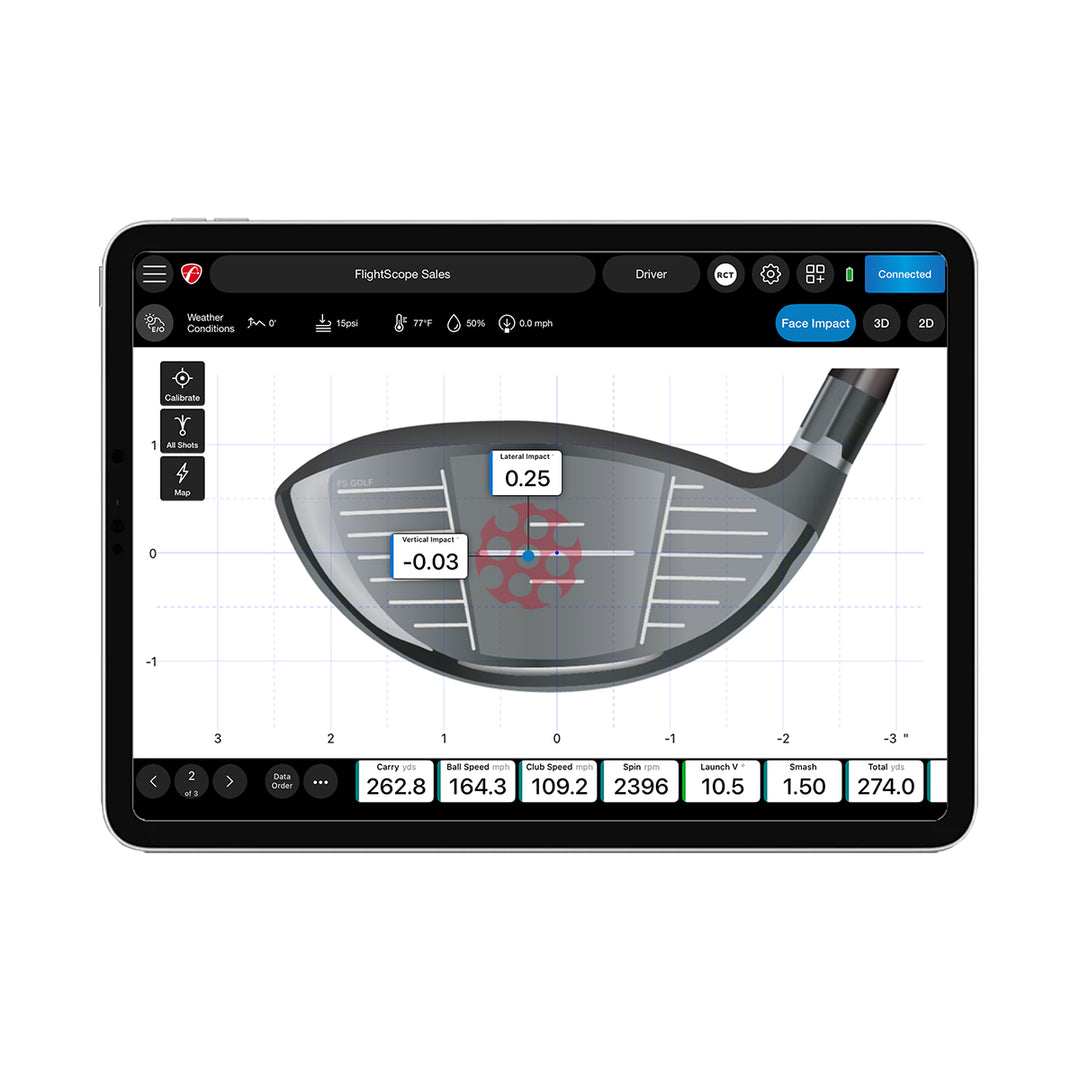
Driver impact location describes the point on the clubface where the golf ball contacts the driver. It can be center, high, low, toe, or heel. Each spot changes launch angle, spin, and direction. Small shifts in impact location can cost yards and cause shot curves.
I learned early in my coaching career that players often blame swing flaws when the real issue is simple mis-hits. Tracking driver impact location helps you diagnose the cause quickly. Use this info to fix ball position, tee height, or swing path.

Why driver impact location matters for performance
Driver impact location affects three key ball traits: launch, spin, and direction. Off-center hits usually lower ball speed and add unwanted spin. This reduces distance and makes shot shape less predictable.
Many golfers think ball flight is only about swing speed. That’s not true. You can swing hard and still lose yards with poor driver impact location. Good impact location preserves energy transfer and keeps spin in check so you get both distance and control.
How to find and measure your driver impact location
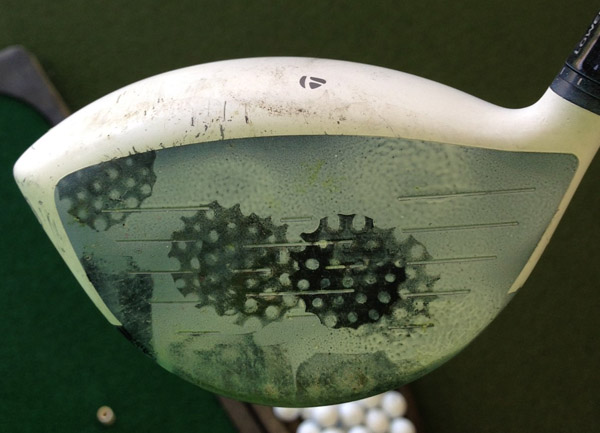
You can find your driver impact location with simple tools or tech. Use face tape, impact spray, or launch monitor impact maps. On-range methods are low-cost and fast.
Try these options:
- Face stickers or impact tape to see exact marks after each shot.
- Spray paint (impact spray) on the face to reveal strike points.
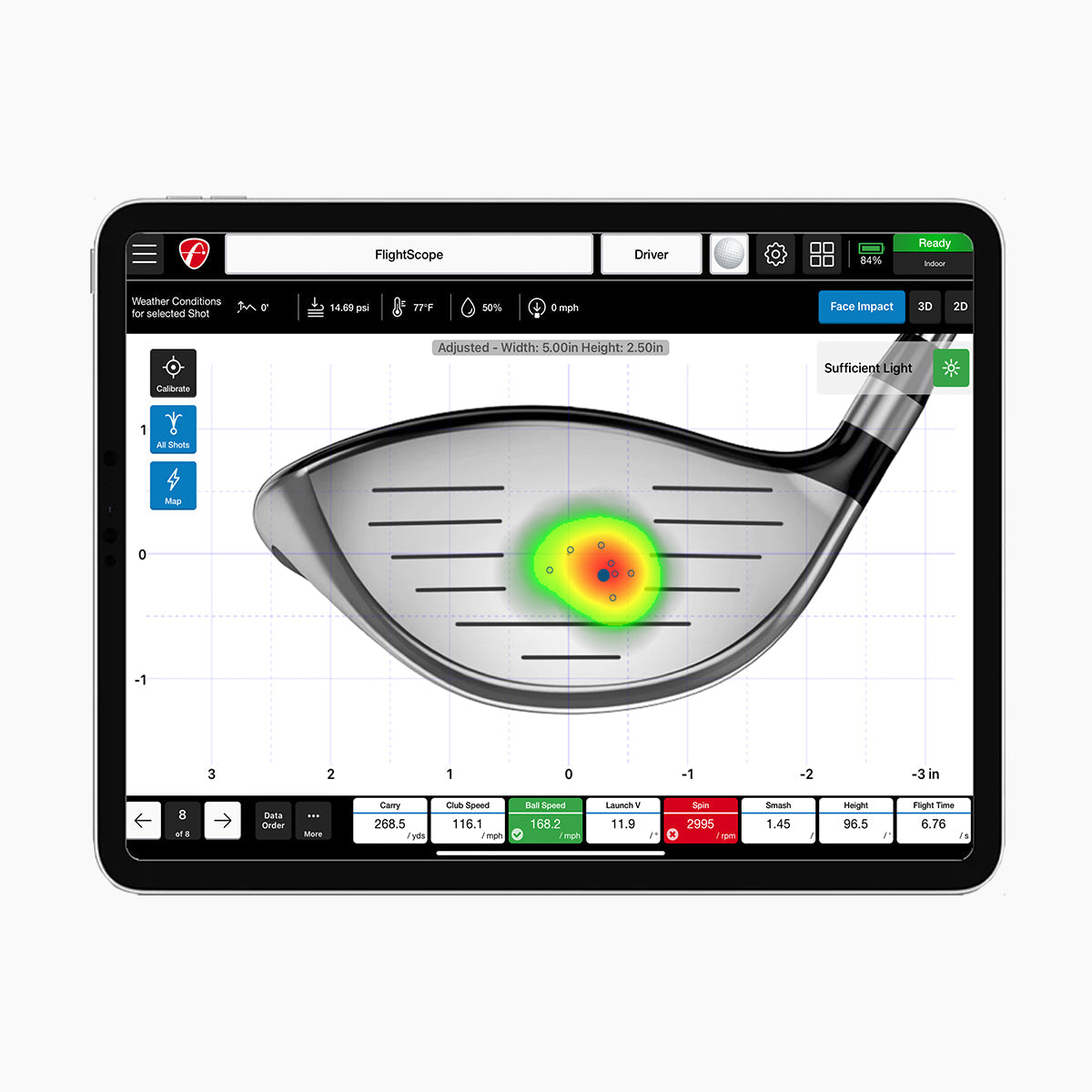
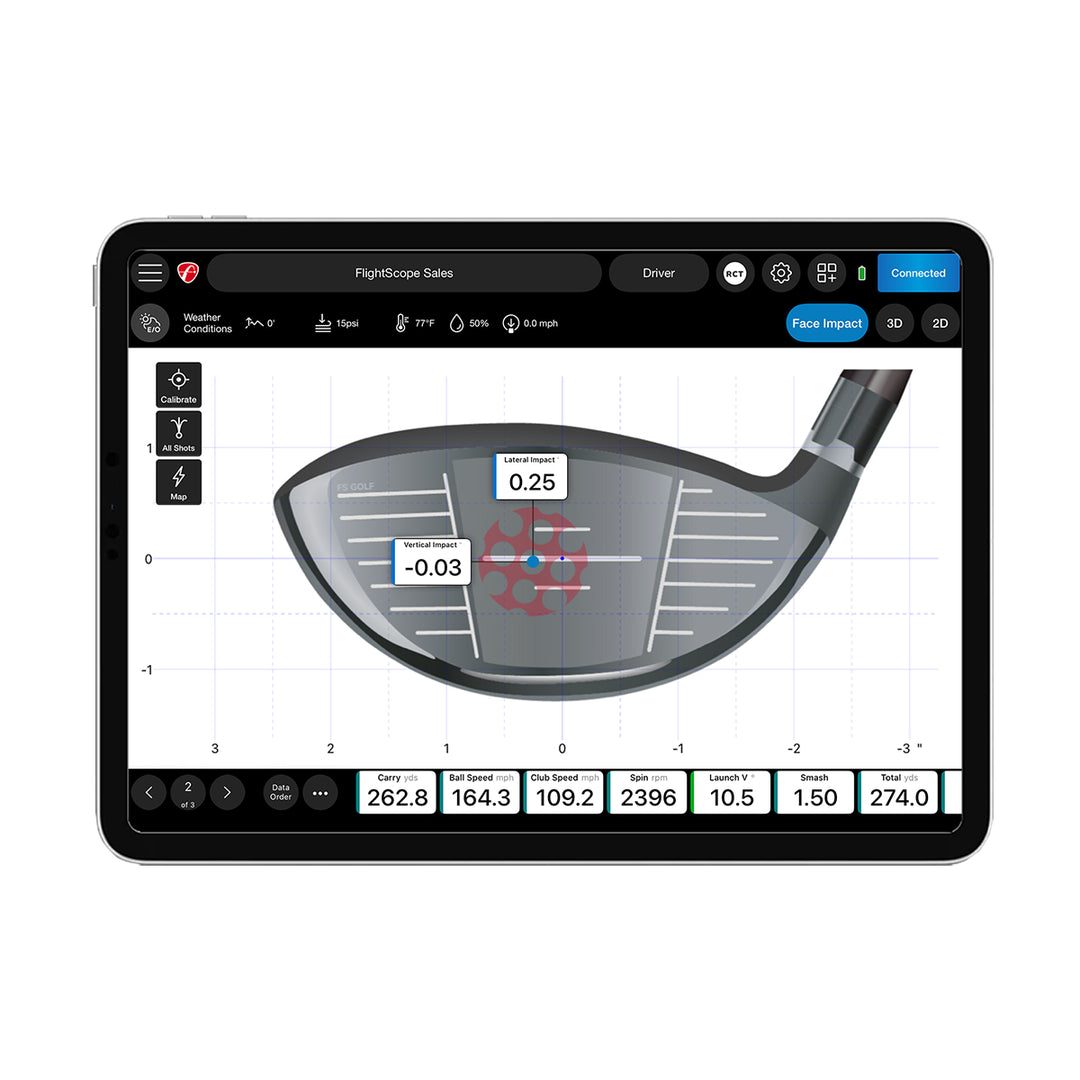
- A launch monitor that shows impact location heat maps and ball data.
- High-speed camera or slow-motion video to confirm contact spot and ball flight.
In my testing sessions, combining a few methods gives the best picture. Start with tape, then verify with a launch monitor if possible.

How different impact locations change ball flight
Each impact zone produces distinct results. Knowing these helps you interpret shots and make targeted fixes.
Common outcomes:
- Center strikes produce maximum ball speed and stable spin. This gives best distance.
- Toe hits often push or fade and may add side spin. Distance drops slightly.
- Heel hits tend to pull or draw and can reduce clubhead speed at impact.
- High-face strikes lower spin and raise launch. They can fly hot or balloon based on spin.
- Low-face strikes increase spin and lower launch, killing carry distance.
A concept called “gear effect” also matters. Off-center hits on the driver can induce opposite-face rotation that changes curvature. Understanding this helps you predict shot shape after a mishit.

Drills to move your impact toward the sweet spot
Practice smart, not just hard. These drills helped many players I coach hit the center more often.
Try these drills:
- Tee target drill: Place a second tee outside the ball as a visual guide to strike the center of the face.
- Impact bag drill: Hit an impact bag with a half swing to feel a solid, centered strike.
- Short-swing strike drill: Use 50% swings focusing only on solid center contact before adding power.
- Alignment and ball-position check: Move the ball slightly forward or back in small steps until center strikes become consistent.
- Mirror or camera check: Record impact to ensure your swing path and clubface are square at contact.
Practice each drill in short bursts. I advise 10 focused reps followed by a few full swings to build transfer.
Fitting and equipment tips related to impact location
A proper fit can hide small mistakes and reward better impact location. Drivers vary in face size, MOI, and weight bias. The right setup helps center strikes land more often.
Fitting pointers:
- Higher MOI heads resist twisting on off-center hits and keep distance more consistent.
- Face curvature and bulge affect how toe and heel hits curve the ball.
- Shaft flex and kick point change feel and timing, which influence where you hit the face.
- Adjust loft and lie to tune launch and to promote center strikes for your natural swing.
When I fit players, I focus on drivers that match their swing tempo and path. Small changes can yield big improvements in where the ball meets the face.

Common mistakes and fixes tied to impact location
Many swing errors show up as poor driver impact location. Fix the cause and center strikes follow.
Common problems and solutions:
- Swaying weight causes toe or heel hits. Fix with slower transition and targeted footwork drills.
- Swinging too steep or too flat moves impact high or low. Work on shallow-to-level attacks with tee-height adjustments.
- Poor ball position leads to heel or toe contact. Move the ball slightly forward or back and retest.
- Over-aiming or misalignment causes consistent side-of-face strikes. Use alignment sticks to reset setup.
I’ve seen golfers cure persistent toe strikes simply by changing tee height and stance width. Small setup tweaks often beat major swing overhauls.
Tracking progress and using data wisely
Measure changes so you know what works. Keep simple logs and compare numbers. Small wins add up fast.
How to track:
- Record impact tape marks and note ball flight immediately after practice.
- Use a launch monitor once per session to log ball speed, spin, and carry.
- Keep a short journal: date, drills used, impact trends, and adjustments made.
I advise reviewing data weekly. Look for steady moves toward the center and consistent ball speed. Expect incremental gains, not miracles overnight.

Frequently Asked Questions of driver impact location
What is the best spot on the driver face to hit the ball?
The center, often called the sweet spot, gives the best ball speed and lowest unwanted spin. Hitting slightly low-center can feel better for some players but center is ideal for distance.
How does toe or heel contact affect distance?
Toe or heel hits reduce ball speed and can add side spin, which cuts carry and total distance. The exact loss depends on how far off-center the strike is.
Can I fix bad driver impact location with a new driver?
A new driver with higher MOI or different weighting can help, but it won’t replace proper technique. Combine fitting with drills for lasting improvement.
How does tee height change impact location?
Tee height alters launch angle and the vertical strike point. Raising the tee can move strikes slightly lower on the face and encourage center hits for many players.
Is impact tape accurate for measuring strike location?
Yes, impact tape and spray are reliable for showing strike spots. For more detail, pair tape with a launch monitor to link strike location to ball data.
Conclusion
Driver impact location matters more than most golfers realize. It controls distance, spin, and shot shape. Focus on measuring where you hit the face, practice targeted drills, and consider fitting changes to support better strikes. Start small: use impact tape, try one drill for a week, and track results. Take action now—test your driver impact location on the range, and you’ll see cleaner contact and fuller drives. Leave a comment with your findings or subscribe to follow more practical tips.