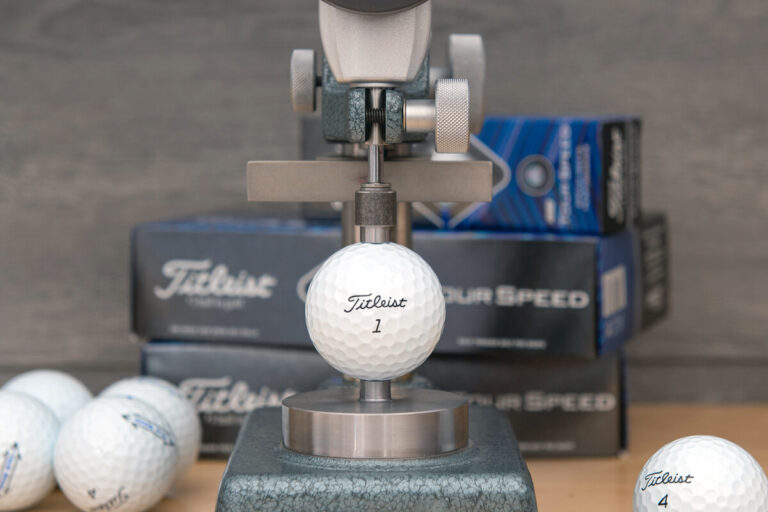
Ball should be slightly back of center for crisp, low chipping contact.
I’ve coached and played thousands of chips, and understanding the chipping ball position is one of the fastest ways to shave strokes. This guide breaks down why ball position matters, how to set it for different clubs and lies, common mistakes I’ve seen, and simple drills you can use today to feel repeatable, confident chips. Read on to learn practical tips and real-world advice you can apply immediately.

Why ball position matters for chipping
Ball position controls the club’s low point and how the club interacts with turf. A small shift forward or back changes launch, spin, and roll. For chips you want clean contact and predictable roll, so consistent chipping ball position matters more than many golfers realize. I’ve watched players improve overnight simply by moving the ball a few inches and keeping the same setup.

Proper chipping ball position: step-by-step
Follow these steps to find a reliable chipping ball position that works for most short game shots.
- Set your feet shoulder-width apart and square to the target.
- Position the ball slightly back of center for most chips, roughly an inch behind center.
- Place more weight on your front foot, about 60 to 70 percent, to promote downward strike.
- Grip down lightly on the club and keep hands ahead of the ball at address.
- Tilt your spine slightly toward the target while keeping your head steady.
- Make a short, controlled swing with quiet wrists and a forward shaft lean through impact.
These steps help you hit the ball first, then the turf. The result is crisp contact and consistent roll. For many golfers, this single routine reduces skulled chips and helps you control distance.
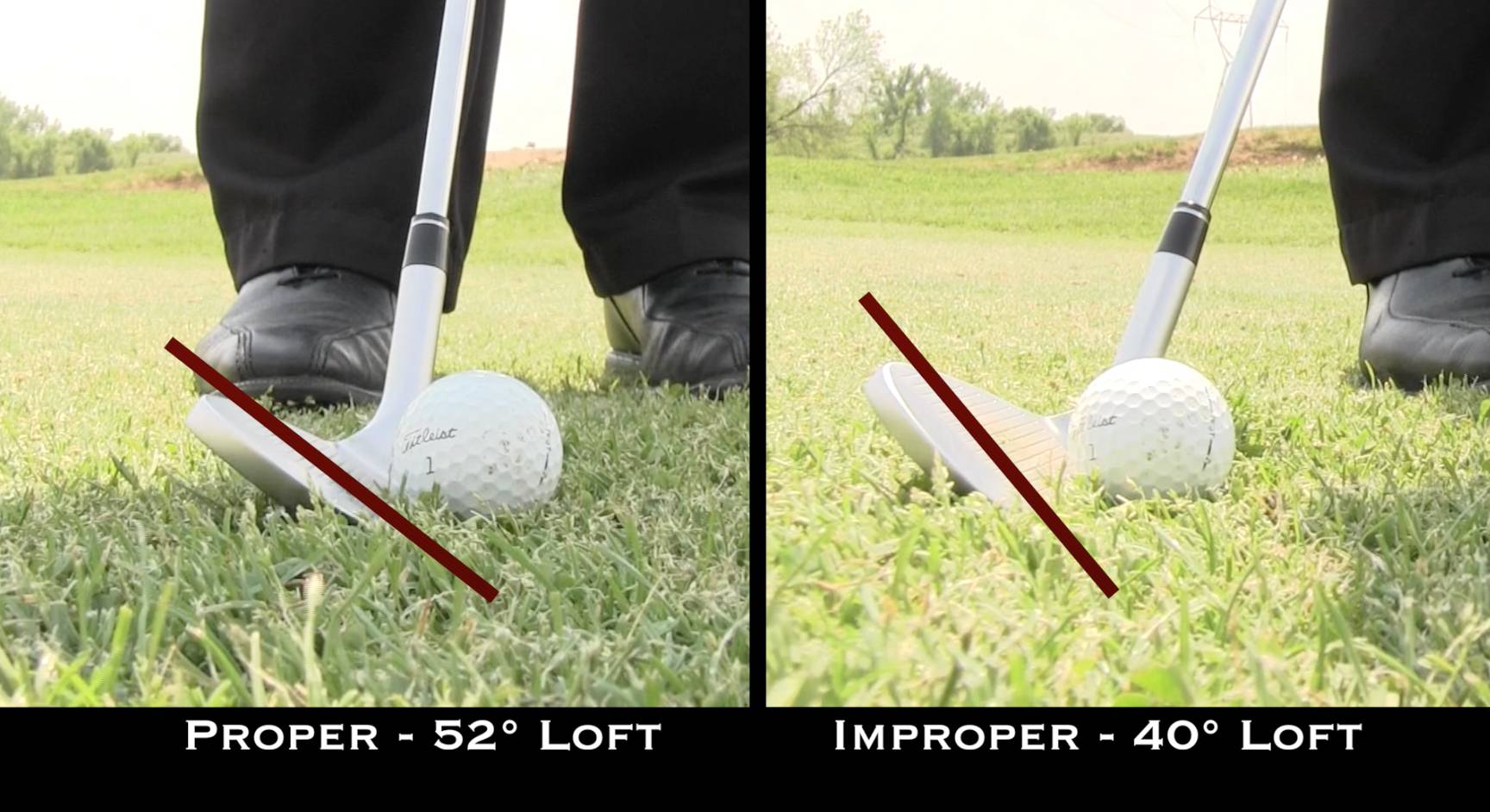
Body setup and alignment for a reliable chipping ball position
Small body changes support the chipping ball position and lead to better contact.
- Weight distribution: Move weight to your lead foot to create a descending blow.
- Hand position: Hands ahead of the ball at setup encourage the club to strike the ball before the ground.
- Stance width: Narrow to medium stance keeps motion compact and controlled.
- Shoulder and hip alignment: Square or slightly open shoulders can help with swing path; avoid rotating too much.
From personal experience, when I coach beginners I emphasize weight and hand position more than ball placement at first. Once those feel natural, the chipping ball position locks in and quality shots follow.

Club selection and chipping ball position
Your club choice changes the ideal chipping ball position and desired contact.
- Wedge (56° and higher): Ball slightly back of center to promote a crisp, low-launching chip with forward roll.
- Gap or pitching wedge: Ball closer to center for a bit more carry and less roll.
- 7-iron or hybrid chip: Ball forward of center to use the club’s bounce and create a bump-and-run.
- Lob shots: Ball slightly forward of center when you need more loft and less roll.
Match chipping ball position to the club and the shot’s goal. I often tell players: pick the club first, then set the ball position. That order removes guesswork and improves decision-making on the course.

Common mistakes and quick fixes
Here are frequent errors I see and simple corrections to make instantly.
- Mistake: Ball too far forward. Fix: Move it back a bit to hit down and avoid pop-ups.
- Mistake: Ball too far back. Fix: Move it slightly forward to prevent thin shots and ensure carry.
- Mistake: Hands neutral or behind the ball. Fix: Shift hands forward to promote crisp contact.
- Mistake: Too much wrist action. Fix: Keep wrists quiet and use body rotation for consistency.
- Mistake: Same ball position for every club. Fix: Adjust ball placement according to club loft and shot type.
When I struggled with inconsistent chips, correcting one of these mistakes—usually hand position—made the biggest difference quickly.
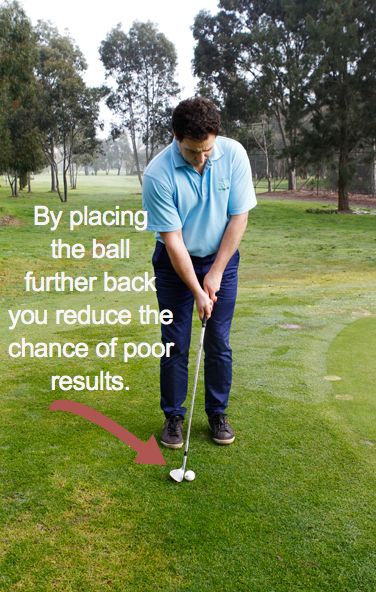
Practice drills to groove your chipping ball position
Drills help turn a correct chipping ball position into muscle memory.
- Towel drill: Place a small towel a few inches behind the ball. Practice hitting the ball cleanly without touching the towel.
- Coin drill: Put a coin under your lead heel to encourage weight forward at impact.
- Line drill: Draw a line toward the target and place the ball on the line slightly back of center. Practice stopping the divot just after the line.
- Club-scan drill: Use different clubs from the same spot, adjusting ball position forward or back to see how contact and roll change.
- Short game ladder: Chip to distances of 5, 10, 15, and 20 feet, keeping the same chipping ball position for each distance.
I use the towel drill every week. It helped me stop hitting thin chips and train a sure low point.

Advanced variations and course management
Use subtle ball position tweaks to manage different lies and slopes.
- Uphill lies: Move the ball slightly forward of your usual chipping ball position to allow a bit more carry.
- Downhill lies: Move the ball back to ensure lower trajectory and more roll.
- Tight lies: Ball slightly back and hands more forward to avoid bouncing the club.
- Rough: Ball slightly forward to help the club get under the ball if the grass is thick.
- Flop shots: Ball well forward with an open face and minimal wrist; use a high-lofted wedge.
When playing tight or tricky pins, change only one thing at a time. I once moved both my ball position and weight and lost control. Small, single adjustments yield the most reliable results.
Frequently Asked Questions of chipping ball position
What is the best ball position for chipping?
The best chipping ball position is slightly back of center for most chips. This promotes a downward strike and consistent roll.
Should my hands be ahead or behind the ball when chipping?
Hands should be slightly ahead of the ball at address to encourage a descending blow and crisp contact. This forward shaft lean helps the club strike the ball first.
Does ball position change with the club used for chipping?
Yes. Lower-lofted clubs usually require the ball more forward to allow more carry, while higher-lofted wedges work well with the ball slightly back of center for less carry and more roll.
How much weight should be on my front foot when chipping?
Aim for around 60 to 70 percent of your weight on the lead foot to promote a downward strike. Too much weight back often causes thin or fat contact.
How can I practice consistent ball position for chipping?
Use simple drills like the towel drill and the short game ladder to repeat the same chipping ball position. Start with slow, controlled swings and focus on contact, not power.
Can I use the same chipping ball position for all short shots?
You can use a core setup, but you should slightly adjust the chipping ball position based on lie, club, and shot goal. One setup rarely fits every situation.
Conclusion
A small, consistent chipping ball position unlocks cleaner contact, better distance control, and lower scores. Start with ball slightly back of center, hands ahead, weight on the front foot, and practice the towel and ladder drills until the setup feels automatic. Make one change at a time, track how the ball reacts, and trust the process. Try these tips on your next practice session and share how your chipping improves — leave a comment or subscribe for more short game tips.