Cavity back irons offer more forgiveness and distance; blade irons give tighter shot control and better feedback.
I’ve spent years testing irons on courses and ranges, fitting players of all levels, and coaching golfers through gear choices. This guide breaks down cavity back vs blade irons with clear, practical advice so you can pick the right iron type for your game and improve faster.
Key differences between cavity back and blade irons
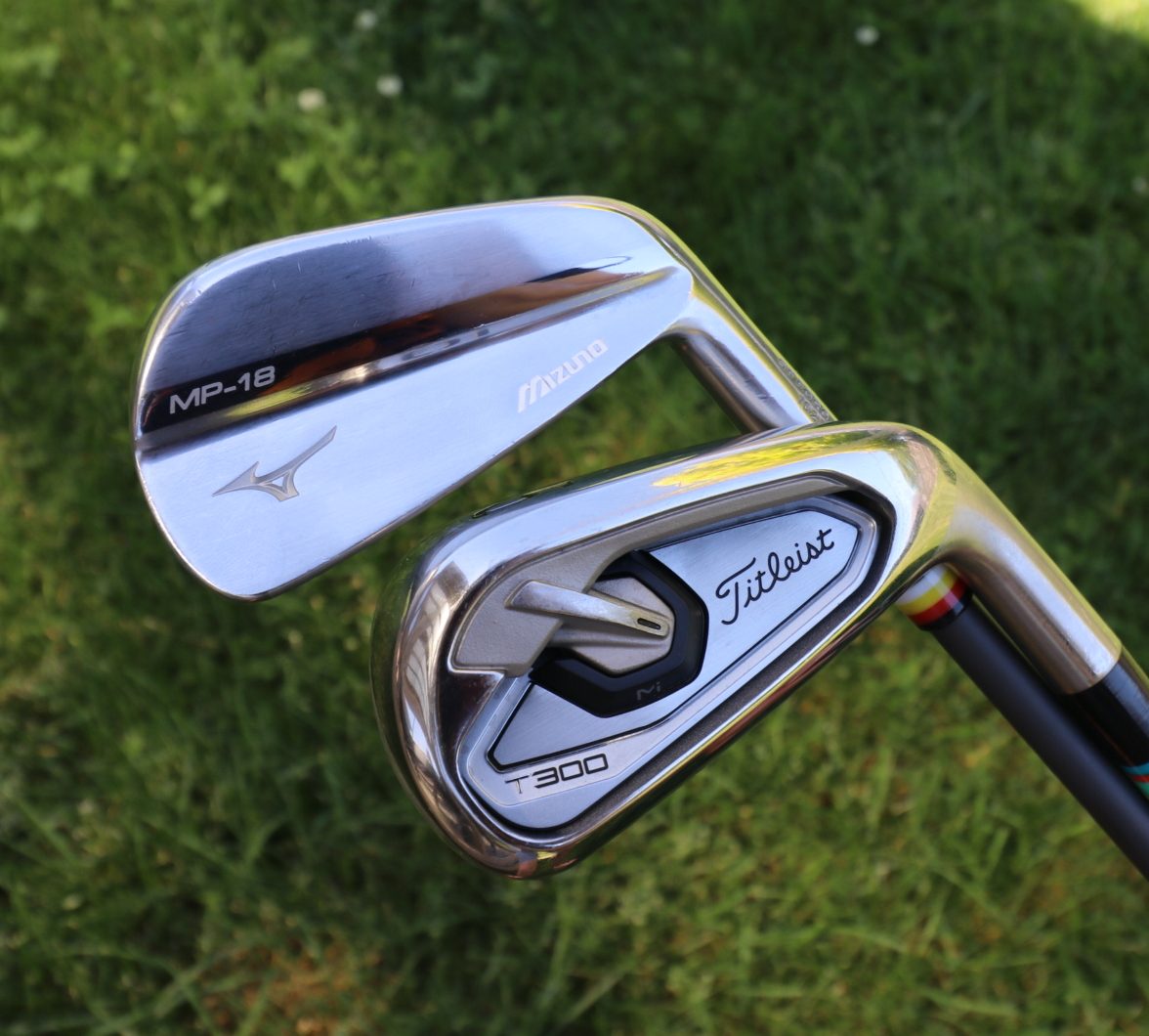
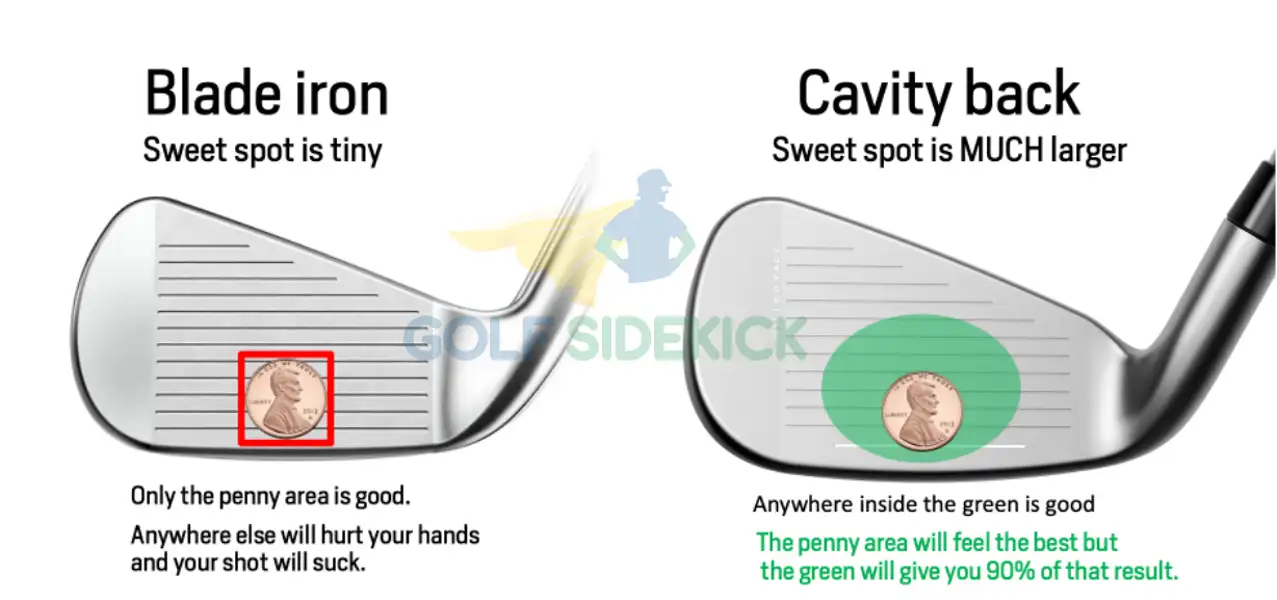
Cavity back vs blade irons differ mainly in design and how that design affects play. Cavity back irons have weight moved to the head’s perimeter. This creates a larger sweet spot and more forgiveness on off-center hits. Blade irons move weight behind the center of the face. That gives a tighter feel, more workability, and clearer feedback on contact.
Common differences at a glance
- Cavity back iron traits
- Larger sweet spot and higher moment of inertia for forgiveness.
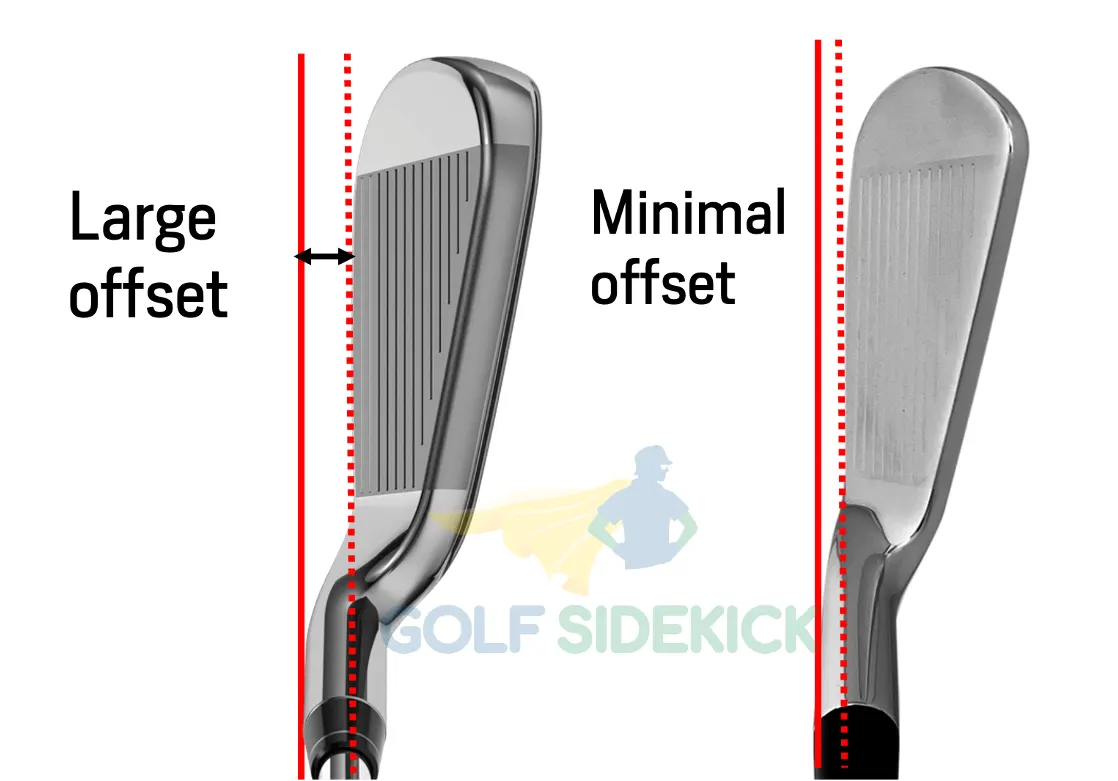
- Typically thicker soles and more offset to help launch.
- Designed for distance and consistency.
- Blade iron traits
- Compact head, thin top line, and minimal offset.
- Lower forgiveness but better shot-shaping ability.
- Favored for feel and precise distance control.
How design affects performance
- Center of gravity
- Cavity back: lower and deeper; helps get the ball in the air.
- Blade: closer to the face center; promotes workability.
- Weight distribution
- Cavity back: perimeter weighting boosts stability.
- Blade: concentrated mass improves feedback and spin control.
These practical engineering differences are why cavity back vs blade irons often suit different golfers.

Performance: distance, forgiveness, and control
When golfers compare cavity back vs blade irons, they care most about distance, forgiveness, and control. Each iron type leans toward one of those needs.
Distance and launch
- Cavity back: higher launch and often slightly more distance on mishits. Modern cavity backs use hollow or hybrid designs to push ball speed.
- Blade: requires precise strike for optimal distance. You get less distance on thin or toe strikes.
Forgiveness and consistency
- Cavity back: wins with missed-hit forgiveness. Straighter results on off-center strikes make scores steadier.
- Blade: penalizes misses. Shot dispersion grows quickly with inconsistent contact.
Control and shot shaping
- Blade: excels at shaping shots and controlling spin. Better for fades, draws, and tight trajectory work.
- Cavity back: still allows shaping, but it’s less precise. Many better players accept this trade-off for the confidence of forgiveness.
Real-world example
- I fit a mid-handicap player who improved scoring average by two strokes after switching to cavity backs. The extra forgiveness made approach shots stick more often. A low-handicap friend kept blades because he valued the feel and could shape shots to attack pins consistently.

Who should choose cavity back vs blade?
Picking the right iron is about goals, skill, and confidence. Here’s who usually benefits from each type.
Choose cavity back if you
- Are a high or mid handicapper seeking forgiveness.
- Want more consistent distance and steadier scoring.
- Prefer a larger sweet spot and easier launch.
- Value confidence over ultimate shot shape control.
Choose blade if you
- Are a low handicap golfer with consistent ball striking.
- Work on precise distance control and shot shaping.
- Want refined feedback to improve tiny swing adjustments.
- Play in conditions where trajectory control matters.
Mix-and-match option
- Some golfers use hybrid sets: blades in the short irons for control and cavity backs in long irons for forgiveness.
- Custom fitting can help blend the strengths of both.
How to transition between blade and cavity back
Switching iron types needs patience and smart practice. Use these steps to ease the change.
Steps to transition
- Assess your strike pattern.
- Check where you strike the face. If hits cluster around the center, blades may suit you.
- Start on the range with short shots.
- Hit 50 shots with each short iron to feel differences in feedback and dispersion.
- Work on tempo and ball position.
- Blades reward a controlled tempo and accurate ball position. Slightly forward ball position helps with lower, penetrating flights.
- Use a progressive blend.
- Try cavity back long irons and blade short irons to balance forgiveness and control.
- Get a fitting session.
- Adjust lofts, lie, and shaft flex. Fitting reduces guesswork and speeds the transition.
Personal tip
- I once tried full blades after years with cavity backs. My scoring dipped for a few weeks. Short, focused range sessions and a fitter’s advice restored my consistency. Be patient; feel returns with purpose.

Choosing the right set: fitting and buying tips
A good fit matters more than marketing claims. Here’s how to pick wisely for cavity back vs blade irons.
Fitting checklist
- Get a launch monitor session to measure ball speed, launch, and dispersion.
- Test multiple head types and shafts. Shaft choice changes feel as much as head shape.
- Check loft progression and gapping across the set.
- Compare toe and sole interaction to your typical turf conditions.
Buying tips
- Try before you buy on the course, not just the range.
- Consider used sets from trusted sellers to save money on blades.
- Look for progressive sets if you want a mix of cavity back and blade features.
- Prioritize comfort and confidence over perceived prestige.
What to measure
- Distance consistency across clubs.
- Shot dispersion and miss patterns.
- Trajectory control and spin rates.
- Subjective feel—does the feedback help or hurt your decision-making?
Maintenance and long-term considerations
Caring for your irons extends their life and preserves performance. Both cavity back and blade irons need basic upkeep.
Maintenance tips
- Regrip every 12–24 months depending on play frequency.
- Check heads for face wear, especially blades that rely on consistent grooves.
- Clean grooves and faces after each round to maintain spin.
- Keep an eye on loft and lie—repeated strikes can change these over years.
Resale and longevity
- Cavity back irons often retain value due to broader market demand.
- Blades hold value among a smaller, dedicated audience; condition matters more.
- Customizations like re-shafting or re-gripping can affect resale, so keep records of fits.
Long-term mindset
- Your game will evolve. Plan for a future refit as swing speed, accuracy, or goals change.
- Keep friends or a fitter updated on how changes affect your scoring and feel.

Frequently Asked Questions of cavity back vs blade irons
What is the main advantage of cavity back vs blade irons?
Cavity back irons offer greater forgiveness and a larger sweet spot, which helps golfers hit more consistent shots. Blades give better feedback and allow more precise shot shaping.
Can a beginner use blade irons effectively?
Beginners can use blades, but progress will likely be slower because blades punish mishits more than cavity backs. Most beginners improve faster with cavity back irons due to the extra forgiveness.
Do blades give more distance than cavity backs?
Blades do not typically give more distance on average. Cavity backs often produce higher launch and more forgiving distance on off-center hits, making overall yardage more consistent.
Is it okay to mix cavity back and blade irons in one set?
Yes. Mixing irons lets you use cavity backs for long irons and blades for short irons to balance forgiveness and control. Many players and fitters recommend this approach.
How important is a club fitting when choosing between cavity back vs blade irons?
A fitting is very important. It provides data on launch, spin, and dispersion so you get the right head, shaft, and loft configuration for your swing. Fitting reduces guesswork and improves long-term satisfaction.
Conclusion
Choosing between cavity back vs blade irons comes down to your goals, consistency, and how much feedback you want from each shot. If you seek forgiveness and steadier scoring, cavity back irons are the practical choice. If you prioritize precision and shot control, blades reward skilled ball strikers. Try both types, get fitted, and consider a blended set if you want the best of both worlds. Take one concrete step today: book a short fitting or a 30-minute range test to see how each type feels and performs for your swing. Leave a comment about your experience or ask a question to keep the conversation going.