How To Strike A Golf Ball: Step-By-Step Swing Tips
Strike the ball with a square clubface, steady setup, a smooth tempo, and a solid impact position.
I’ve taught and played for years, and I know how to strike a golf ball well. This guide breaks down the steps, science, and drills you need. I will explain stance, grip, swing path, impact feel, common mistakes, and practice drills. Read on for clear, practical advice you can use on the range and course.

Fundamentals of striking a golf ball
Striking a golf ball well starts with a plan. Know the shot you want. Match your stance, grip, and club to that plan. Good strikes come from consistent setup and repeatable motion. In simple terms, the ball needs to be hit with the clubface square and moving on the desired path at impact.
Key elements to focus on when learning how to strike a golf ball
- Clubface alignment at impact. Aim the face where you want the ball to start.
- Body balance. Stable feet and a steady core create repeatability.
- Swing path. The path controls curve and spin.
- Timing and tempo. Smooth rhythm leads to solid contact.
My experience: early on I chased power. That made me lose control. Shifting to impact quality fixed my ball flight and lowered my scores.

Setup and stance: the base for every good strike
A reliable setup sets you up for consistent strikes. Keep these rules simple.
How to set up
- Feet shoulder-width for irons. Slightly wider for longer clubs.
- Ball position varied by club. Middle of stance for short irons, forward for drivers.
- Weight distribution light on the balls of the feet. Slightly more on the front foot for longer clubs.
- Spine tilt stable. Tilt from the hips, not the waist.
Tips I use on the range
- Take practice swings and stop at address to check balance.
- Photo or video one swing per session. I saw small faults fast that way.

Grip and wrist action: control meets feel
The grip controls the face. A bad grip hides through the swing. Keep it simple and repeatable.
Grip basics
- Hold the club in the fingers, not deep in the palm.
- Neutral grip: V-shapes of the hands point to your trail shoulder.
- Light pressure. Tight hands kill feel and speed.
Wrist control at impact
- Maintain a firm but relaxed wrist through impact.
- Avoid flipping the wrists at the last moment. That causes thin or fat shots.
- Think of the wrists as connectors, not power drivers.
Personal note: I used to grip too hard under pressure. I learned to breathe and soften the hands. My contact improved the moment my grip pressure dropped.

Swing mechanics: path, rotation, and tempo
A good strike depends on a simple, repeatable swing. Work on these three parts: backswing, transition, and downswing/impact.
Backswing
- Turn your shoulders around a stable lower body.
- Keep the lead arm extended but relaxed.
- A compact backswing often leads to better contact than an overlong one.
Transition and downswing
- Start the downswing with your lower body. Hips lead the sequence.
- Keep the club on plane. A shallow, inside path helps compress the ball.
- Keep a steady tempo. Speed comes from sequence, not arms only.
Impact and follow-through
- Aim for the clubhead to meet the ball then the turf for irons.
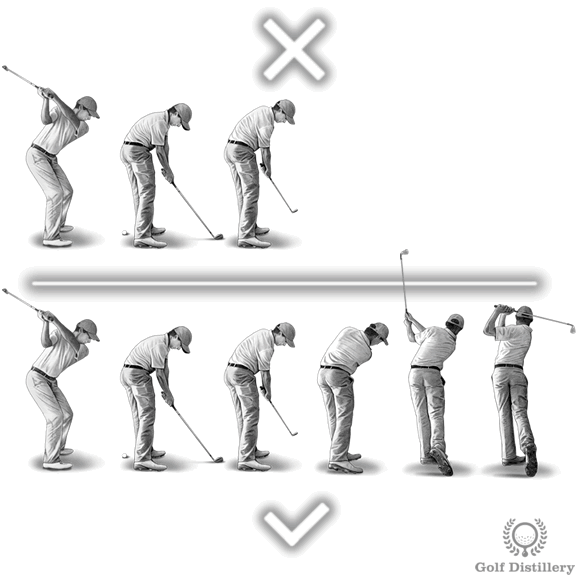
- A balanced finish shows you ran the swing properly.
- Picture your hands ahead of the ball at impact. That feeling creates compression.
Common question inside the swing: Why does the ball slice?
- A slice often comes from an open clubface at impact or an outside-in swing path. Fix the face or path with targeted drills.

Impact and ball contact: how to compress the ball
Impact is the moment of truth. Good impact feels like a brief, solid hit. For irons you want the ball first, then turf. For drivers you want a slightly upward strike.
How to get clean contact
- Hands slightly ahead of the ball at impact for irons.
- Maintain spine angle through impact.
- Rotate through the shot. Do not stop at the ball.
Understand compression
- Compression means the ball is squeezed against the clubface briefly.
- Hard compression creates better spin control and distance.
- To increase compression, create shallow angle of attack and forward shaft lean at impact.
Real-world tip: Use a tee under the ball in practice with short irons to train ball-first contact. Remove the tee and the feel often carries over.

Common mistakes and how to fix them
Fixing errors fast saves range time. Here are the common faults and simple fixes.
Over-the-top swing
- Fault: Outside-in path that causes slices or pulls.
- Fix: Drop the club inside during transition. Try the “pump” drill to rehearse the move.
Flipping at impact
- Fault: Hands release too early, creating thin or fat shots.
- Fix: Practice half-swings holding a steady wrist angle into impact.
Standing up or early extension
- Fault: Body straightens and lifts at impact.
- Fix: Strengthen posture with core drills. Use a chair to feel the hip hinge.
Too tight a grip
- Fault: Loss of feel and speed.
- Fix: Grip the club lighter. Count to three and relax on the takeaway.
I once fixed my slice by spending a week on one drill: slow-motion transition with a foot pivot. Simple work gave big gains.

Practice drills and progressions for better strikes
Effective practice targets one thing at a time. Try these drills in order.
Drill 1: Impact bag
- Purpose: Feel solid contact and correct impact position.
- How: Hit a soft bag or towel wrapped on the club. Focus on hands ahead at contact.
Drill 2: Headcover under trailing arm
- Purpose: Keep the arms connected to the body.
- How: Place a headcover under your trail armpit and hit shots without losing it.
Drill 3: Tee drill for irons
- Purpose: Teach ball-first contact.
- How: Tee the ball slightly off the turf and strike. Progress to turf.
Drill 4: Alignment stick swing path
- Purpose: Train inside-out or neutral path.
- How: Place a stick outside the ball. Swing inside it on the downswing.
Progression plan
- Week 1: Work on setup and grip only.
- Week 2: Add one swing path drill.
- Week 3: Practice impact drills and hit full shots.
My routine: 15 minutes of technique drills, then 20 balls focusing on one feel. I stop when I repeat the swing three times in a row.
Equipment and course factors that affect strikes
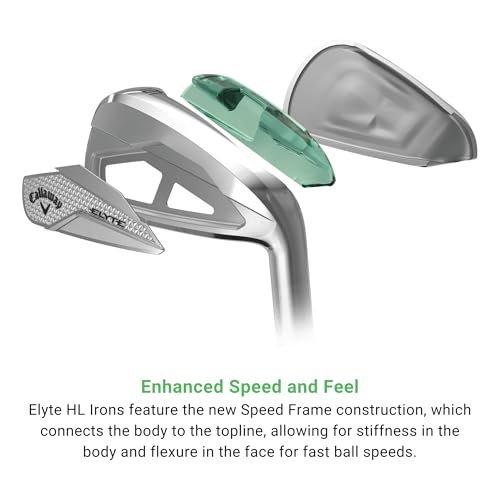
Clubs and course setup change how you strike the ball. Match equipment to your swing for best results.
Club fit matters
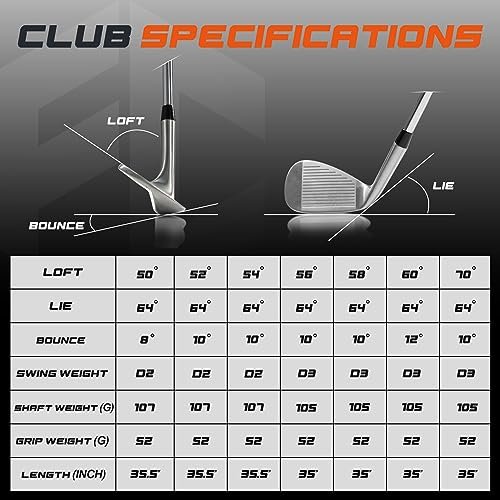
- Shaft flex and clubhead lie affect contact.
- Wrong loft or lie can force compensations in your swing.
Ball choice
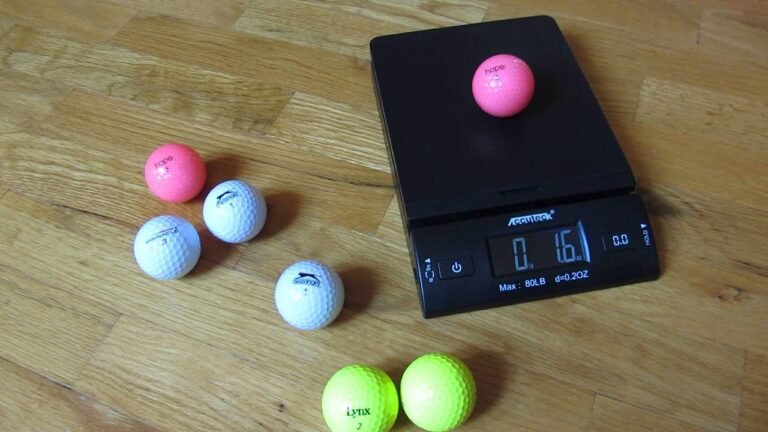
- Harder balls can add distance but may reduce feel.
- Choose a ball that matches your speed and spin needs.
Course conditions
- Wet or soft turf can affect how the club digs.
- Firm fairways favor low, controlled strikes.
Pro tip: Get a basic club fitting. Small changes to lie or shaft can make striking easier and more consistent.
Frequently Asked Questions of how to strike a golf ball
What is the most important thing when you strike a golf ball?
The clubface angle at impact is most important. A square face aimed where you want the ball to start produces consistent results.
How do I hit the ball solid every time?
Solid strikes come from a stable setup, correct weight shift, and hands slightly ahead at impact. Practice impact drills and repeat one feel per session.
Should my hands be ahead of the ball at impact?
Yes for irons. Hands ahead create forward shaft lean and better compression. For a driver the hands can be more neutral with an upward strike.
How do I stop hitting fat or thin shots?
Fat shots happen if you hit the ground before the ball; thin shots occur if you lift or flip. Use tee and impact bag drills to train proper contact.
Can equipment cause poor strikes?
Yes. Wrong shaft flex, wrong lie angle, or poorly fitted clubs can force swing compensations. A basic fitting can reveal major issues.
Conclusion
Mastering how to strike a golf ball takes clear steps, steady practice, and attention to feel. Start with a solid setup, learn to control the clubface, and focus on impact position. Use simple drills and track small gains. Try one drill per session and be patient. Your strikes will improve with focused practice and honest feedback.
Take action: pick one drill from this guide, practice it three times a week for two weeks, and note the difference. Share your progress or questions in the comments below.