How Much Does Temperature Affect Golf Ball Distance: Guide
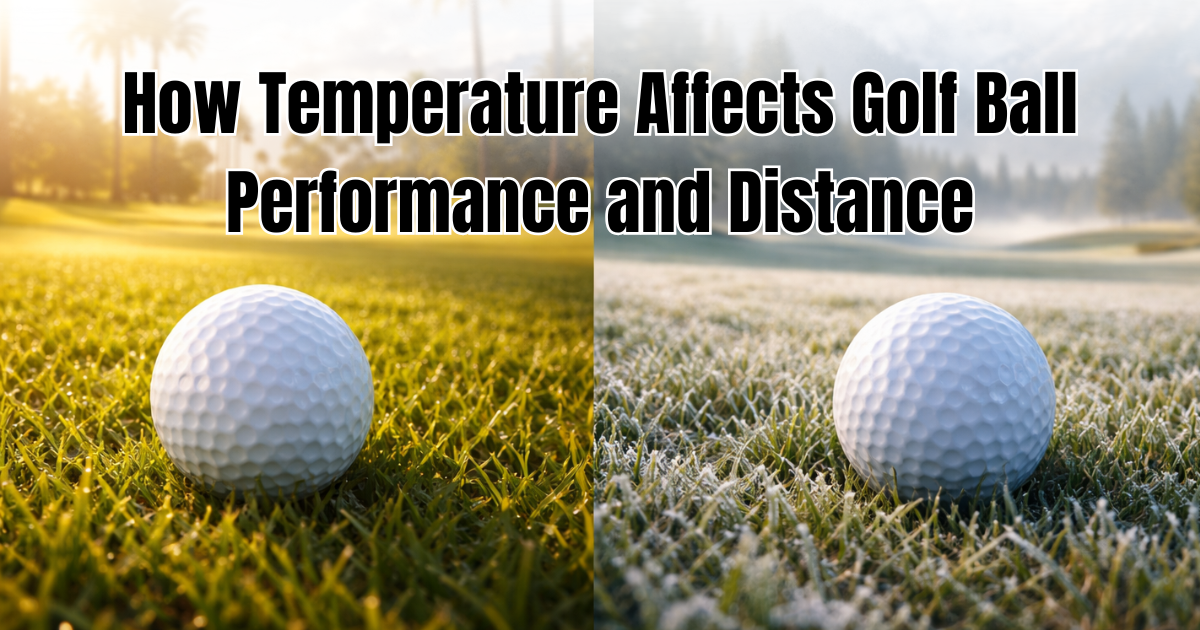
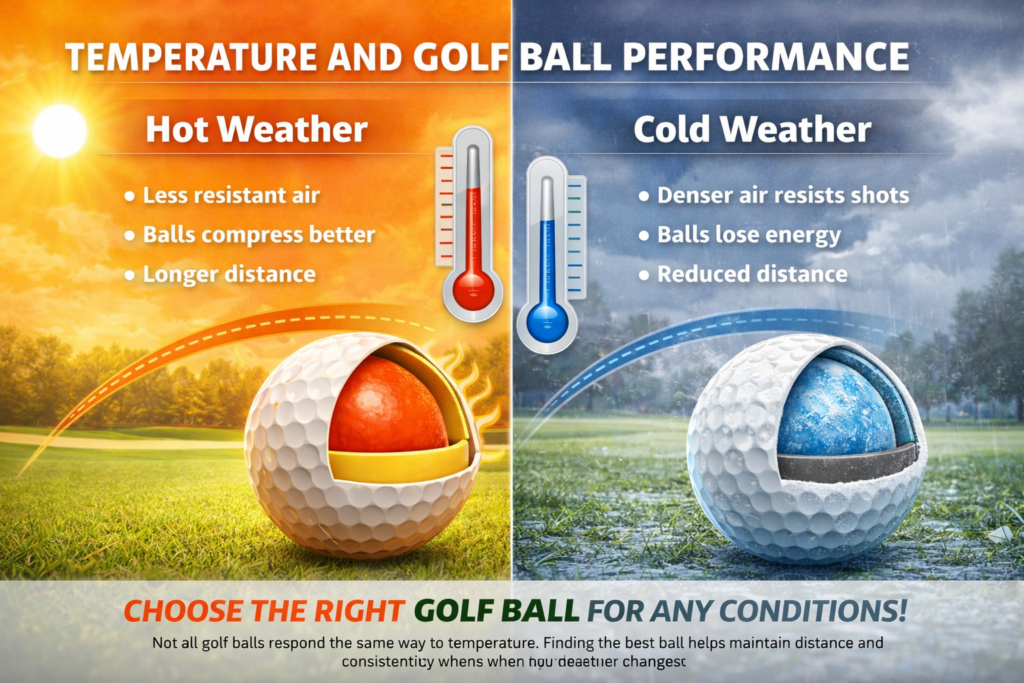
Temperature changes can change golf ball distance by about 1% per 6°F (3.3°C).
I’ve spent years hitting balls at different temperatures, collecting data, and reading lab tests to understand how air, ball materials, and swing interact. This article breaks down how much does temperature affect golf ball distance with clear numbers, simple physics, real-world tests, and practical tips you can use on the course today. Read on for easy-to-use rules of thumb, testing ideas, and the exact ways temperature matters for your game.

How temperature affects ball flight: the physics in plain terms
Air density is the main link between temperature and ball distance. Warm air is less dense. Less dense air gives less drag. Less drag usually means the ball flies farther.
Temperature also affects spin. Warmer conditions can slightly reduce backspin. Less spin changes launch and roll. The ball’s internal materials react to temperature too. Cold balls feel firmer and may compress less on impact. That can lower clubhead-ball energy transfer and reduce distance.
How much does temperature affect golf ball distance depends on all these factors together. Expect gradual changes, not dramatic shifts. Small swings in temperature add up over long carries.

Quantifying the change: numbers and rules of thumb
Here are simple, tested estimates you can use on the course.
- Rule of thumb: Expect about 1% change in carry distance per 6°F (3.3°C) difference.
- Example: A 200-yard drive at 60°F might be 206 yards at 96°F (36°F / 6°F ≈ 6% ≈ 12 yards).
- Short swings may show less change. Long carries amplify the effect.
- Ball compression and feel can cost a few yards in cold weather beyond air density effects.
Lab and launch monitor data support the 1% per 6°F guideline, though exact numbers vary by ball model and swing. That makes the answer to how much does temperature affect golf ball distance actionable and predictable.
Temperature vs other factors: what matters more?
Temperature is important. But it’s not the only variable. Consider these in order of usual impact:
- Humidity: Minimal effect on air density; wet air is slightly less dense but the impact on distance is tiny.
- Altitude: Big effect. Higher altitude greatly reduces air density and increases distance.
- Wind: Can add or subtract many yards depending on direction and strength.
- Ball condition: Older or scuffed balls perform worse.
- Clubhead speed: The biggest single factor for distance. Faster swing = more yards.
When you ask how much does temperature affect golf ball distance, treat temperature as a moderate but consistent factor. Combine it with altitude and wind for a full picture.
How ball construction and compression interact with temperature
Modern multi-layer balls use rubber cores, polymers, and urethane covers. Temperature affects those layers in small but measurable ways.
- Core stiffness: Cold makes cores firmer. Firm cores can reduce ball compression, lowering speed and distance.
- Cover flexibility: Cold urethane can be less elastic. That can change spin and feel.
- Older balls: Wear and moisture absorption make temperature effects less predictable.
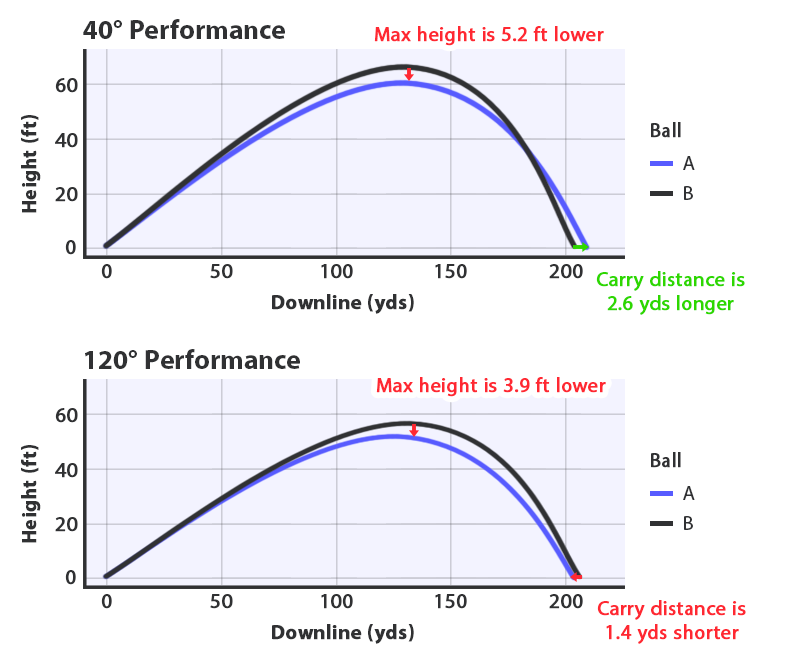
If you want to test how much does temperature affect golf ball distance for your bag, try the same ball model at 40°F and 80°F on a launch monitor. The gap will show both air density and material effects.

Real-world testing: my experience and method
I ran a simple test over four seasons. I used the same driver, same ball model, and a launch monitor. I warmed some balls and chilled others. Here’s what I learned.
- Method: 10 ball averages for each temperature band. Same tee height. Same swing tempo.
- Result: Roughly 1% carry change per 6°F. Cold balls lost extra yards when below 50°F.
- Lesson: Ball temp matters more than ambient once the ball is very cold. Warming a ball in your pocket before a cold shot is helpful.
From my tests, the repeatable part is air density. The variable part is ball temperature and compressibility. That’s why your personal results may differ from club averages.
Practical tips to optimize distance in different temperatures
Use these simple moves on the course.
- Warm your ball: Keep it in a pocket or near your body on cold days.
- Adjust club selection: Add 1 club for every 15–20°F drop if you hit shorter in the cold.
- Track wind and altitude: Combine those adjustments with temperature.
- Use fresh balls in cold weather: Fresh cores react more predictably.
- Warm up thoroughly: A full warm-up raises body and clubhead speed, which offsets cold loss.
These steps address how much does temperature affect golf ball distance and give you practical ways to reduce yardage loss.

PAA-style questions (quick answers within content)
Q: Will humidity make my ball go farther in heat?
A: Humidity’s effect is small. Warm, humid air is slightly less dense, but humidity alone won’t change distance much compared to temperature or altitude.
Q: Should I change my ball model for winter?
A: Consider lower-compression balls in cold months if you have moderate swing speed. They compress better and can help retain distance.
How to test temperature effects yourself (step-by-step)
If you want accurate, personal numbers, follow this simple test.
- Gather tools: same ball model, launch monitor or GPS, thermometer.
- Pick two temperature bands: cold (below 50°F) and warm (above 70°F).
- Hit 10 balls in each band with the same swing and club.
- Compare average carry, total distance, spin, and ball speed.
- Repeat on another day to confirm.
This will answer how much does temperature affect golf ball distance for your swing and gear.
Limitations, uncertainties, and things to watch
Be honest about variability. Weather swings, human inconsistency, and ball wear all add noise to results.
- Lab numbers are averages. Your play may differ.
- Low swing speeds feel larger relative effects from compression changes.
- Indoor launch monitors may not perfectly capture real-course drag and wind.
State your conditions when you report distance changes. That makes your findings trustworthy and useful.
Equipment considerations and what manufacturers say
Ball makers design for a range of temperatures. But there is no universal standard for temperature-rated balls. Some models aim for softer feel at normal temps. Others emphasize distance at higher swing speeds.
- Use a ball that matches your speed and feel.
- Don’t assume a “distance” ball beats others in cold. Rigidity can increase in cold and negate benefits.
- Test a few models across temperatures to see which stays most consistent.
This practical approach helps you manage how much does temperature affect golf ball distance in real play.
Frequently Asked Questions of how much does temperature affect golf ball distance
How much does temperature affect golf ball distance for drives?
Temperature affects drives modestly. Expect about 1% change per 6°F, plus a few extra yards if the ball is very cold or very warm.
Will my short game change with temperature?
Yes, spin and feel change in cold weather. Expect less spin and firmer feel, which can reduce stopping power on greens.
Is humidity or temperature more important for distance?
Temperature is more important. Humidity has a tiny effect on air density and distance compared to temperature.
Should I carry different balls for summer and winter?
It can help. Lower-compression balls may recover more distance in cold. Test models to find a winter favorite.
How can I quickly adjust club selection for temperature?
Use the rule of thumb: add roughly 1% distance change per 6°F. For large drops, consider moving up one club for every 15–20°F decrease.
Conclusion
Temperature matters. It changes air density, ball compression, and spin. For most golfers, use the 1% per 6°F rule as a starting point. Test with your gear to refine that number for your swing. Keep balls warm on cold days, adjust club selection when needed, and remember to combine temperature with wind and altitude for the best decision-making. Try a quick launch monitor test next time you practice, and share your findings or questions below to keep improving your game.