How To Clean Mold Off Golf Bag: Quick Safe Tips
Mix white vinegar and gentle soap; scrub, rinse, dry, and treat leather carefully.
I’ve spent years maintaining golf gear and rescuing damp, moldy bags after wet rounds or long storage. This guide shows practical, experience-based methods for how to clean mold off golf bag safely and effectively, whether your bag is nylon, canvas, or leather. Read on for step-by-step cleaning, easy DIY solutions, material-specific tips, and long-term prevention so your clubs and gear stay fresh.
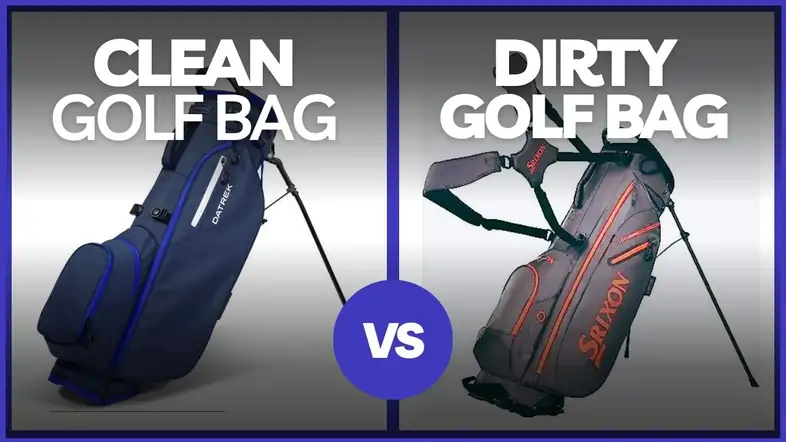
Why mold grows on golf bags
Mold thrives where moisture, warmth, and organic matter meet. Golf bags often sit in damp trunks or basements. Sweat, grass, and leather oils feed mold, making it common on straps, pockets, and liners.
Understanding why mold appears helps you stop it. Regular cleaning and proper drying are the best defenses against future mold outbreaks.
Essential safety and materials before you start
Protect yourself and your gear. Mold spores can irritate the lungs and skin, and cleaners can harm fabrics or finishes if misused.
- Wear gloves, eye protection, and a mask when scrubbing mold.
- Work in a well-ventilated area or outside to avoid inhaling spores.
- Test any cleaner on a hidden spot to check for colorfastness or finish damage.
- Remove clubs and accessories before cleaning to protect metal and grips.
Tools and cleaners that work
Choosing the right tools and cleaners makes how to clean mold off golf bag simple and safe.
- Soft-bristle brush or toothbrush for seams and pockets.
- Microfiber cloths for wiping and drying.
- Spray bottle for even application of cleaners.
- White distilled vinegar solution (1 part vinegar to 3 parts water) for most fabrics.
- Mild dish soap mixed with water for gentle degreasing and cleaning.
- Baking soda paste for stubborn stains and odor control.
- Hydrogen peroxide (3%) for spot treating on colorfast fabrics; avoid on colored leather.
- Leather cleaner and conditioner specifically formulated for leather bags.
- Commercial mold and mildew cleaner for heavy infestations—follow label directions.
Avoid strong bleach on colored fabrics and leather, as it can strip dyes and weaken materials. When in doubt, use a gentler solution first and reapply if needed.
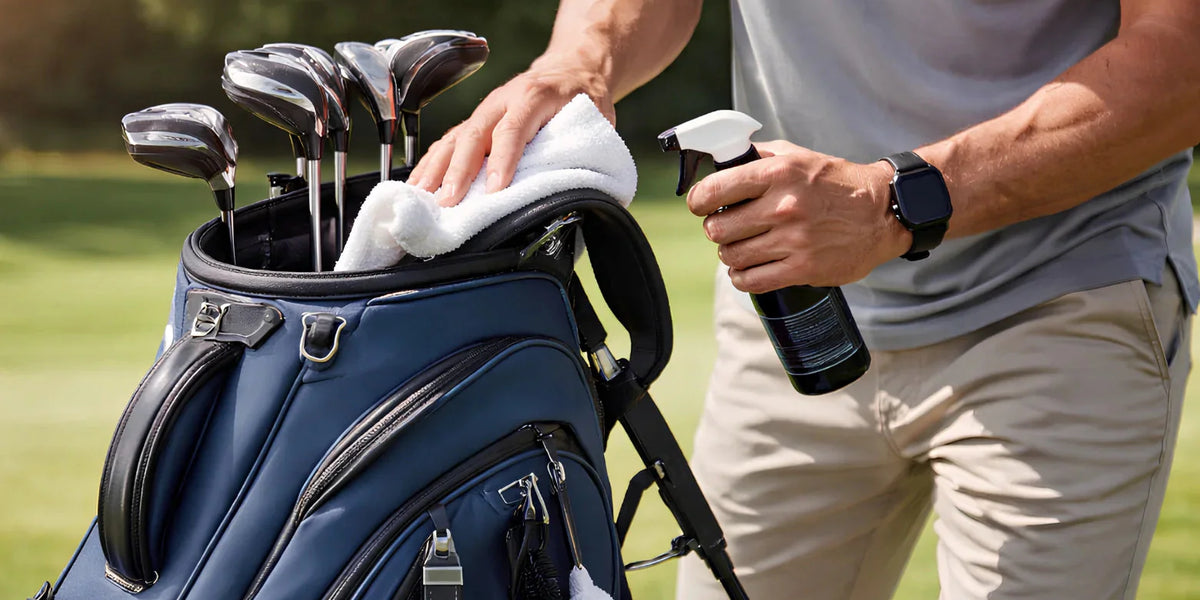
Step-by-step: how to clean mold off golf bag
Follow these steps to remove mold safely and restore your bag.
- Prep and isolate: Move the bag outside or to a ventilated area. Remove clubs, balls, towels, and loose items.
- Dry and brush off loose mold: Use a soft brush to remove dry spores into a trash bag. Dispose of the brush-cleaning debris safely.
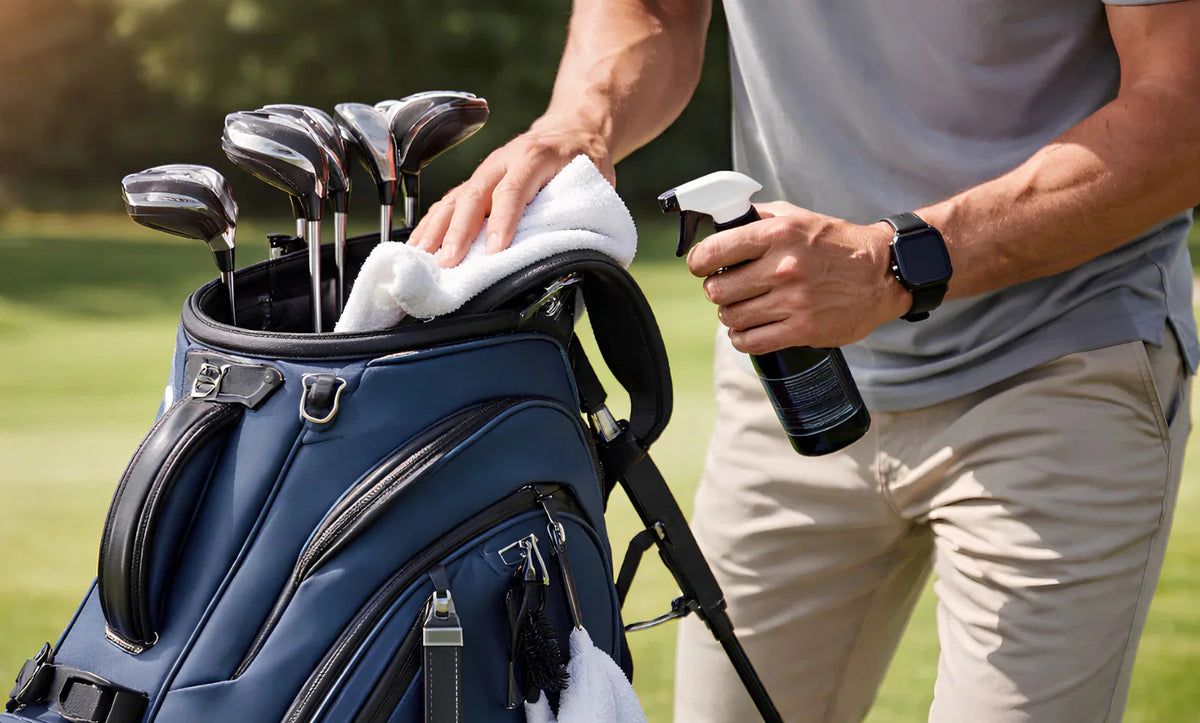
- Apply cleaner: Spray the vinegar solution or soap mix on affected areas. Let sit 5–10 minutes to loosen mold.
- Gently scrub: Use a soft brush or cloth to scrub seams, zippers, and pockets. Work in small sections to avoid spreading spores.
- Rinse and wipe: Wipe with a clean damp cloth to remove residues. Rinse the cloth frequently.
- Treat stubborn spots: Apply baking soda paste or hydrogen peroxide on tough stains. Let sit, then blot and rinse.
- Dry thoroughly: Air-dry in direct sunlight if possible, or use fans. Ensure pockets and liners are completely dry to prevent regrowth.
- Condition leather: Once dry, apply a leather conditioner to restore oils and protect the surface.
- Final check: Inspect zippers, seams, and lining for lingering mold or damage. Repeat cleaning if necessary.
Timing note: Allow several hours of drying; avoid stuffing the bag back into a cramped trunk until fully dry.

Cleaning by material: nylon, canvas, leather, and synthetic options
Different materials respond to different cleaners. Here’s how to approach each when learning how to clean mold off golf bag.
Nylon and polyester bags
These materials are durable and handle vinegar or soap solutions well. Use a soft brush, rinse thoroughly, and air-dry. For odors, sprinkle baking soda inside overnight and vacuum it out.
Canvas bags
Canvas tolerates stronger cleaning but may shrink if soaked. Spot clean with vinegar solution and a scrubbing brush. Use minimal water and dry flat in sunlight.
Leather and genuine leather trims
Leather is delicate. Never saturate leather with water or vinegar. Use leather cleaner for mold, then condition the leather once dry. If mold penetrates stitching, consult a leather specialist to avoid color loss.
Synthetic leather and vinyl
Wipe with a mild soap solution and rinse. For stubborn mold, use a diluted hydrogen peroxide spot test first. Avoid harsh solvents that can crack vinyl.

Drying, deodorizing, and restoring odor
Mold loves moisture. Proper drying and odor removal finish the job.
- Air sunlight: Sunlight helps kill spores and dries materials quickly. Rotate the bag so all sides receive light.
- Use fans and dehumidifiers: These speed drying in humid climates or indoors.
- Baking soda for odors: Sprinkle inside pockets, leave overnight, then vacuum.
- Activated charcoal pouches: Place them in the pockets to absorb lingering smells.
- Reapply leather conditioner: This keeps leather supple and helps block moisture.
I once left a bag in a damp trunk after a rainy tournament. Quick cleaning with vinegar, thorough sun drying, and a good leather conditioner saved it—and taught me to always dry the bag before storing.

Preventing mold and best storage practices
Prevention is easier than deep cleaning. Small habits keep your bag mold-free.
- Empty pockets after each round and let the bag air out.
- Dry wet towels or rain covers separately before placing in the bag.
- Store bags upright in a dry, ventilated closet or on a rack.
- Use silica gel packs or moisture absorbers inside pockets during storage.
- Clean the bag seasonally, or more often in humid months.
- Inspect seams and liners regularly for early mold signs.
Consistent care reduces the need to learn how to clean mold off golf bag frequently.
When to repair or replace your golf bag
Not all mold damage is reversible. Consider repair or replacement if:
- Mold has deeply stained or damaged fabric fibers beyond cleaning.
- Leather is cracked or has lost structural integrity from mold and moisture.
- Persistent odors remain after multiple cleanings and professional treatments.
- Structural elements like padding, zippers, or liners are failing.
If the bag has sentimental value or is high-end, a professional restoration might be worth the cost. For inexpensive or heavily damaged bags, replacement is often the safer, long-term choice.
Frequently Asked Questions of how to clean mold off golf bag
How long does it take to remove mold from a golf bag?
Cleaning a lightly moldy bag can take 30–60 minutes, plus drying time. Heavily infested bags may require repeated treatments and several days to dry fully.
Can I use bleach to clean mold on my golf bag?
Bleach can remove mold on some whites but often damages colors, fabrics, and leather. Use gentler options like vinegar or commercial mold removers first.
Is mold dangerous on golf bags?
Mold on bags can cause allergic reactions or respiratory irritation in sensitive people. Use precautions and clean mold promptly to reduce health risks.
Will sunlight alone get rid of mold on a golf bag?
Sunlight helps kill surface spores and removes moisture but may not remove deep stains. Combine sunlight with cleaning for best results.
How often should I clean my golf bag to prevent mold?
Clean and inspect your bag every few months or after exposure to heavy rain. Regular light cleaning and drying after each wet outing are the best preventive steps.
Conclusion
You can successfully restore a moldy golf bag with the right approach: protect yourself, pick the correct cleaner for the material, scrub gently, and dry thoroughly. Small habits—drying after rain, airing out pockets, and seasonal cleaning—keep mold from returning. Try the step-by-step method here on your next cleaning, and share your results or questions to help others protect their gear. Consider subscribing or commenting below for more gear care tips and hands-on advice.