How To Draw A Golf Ball Easy: Simple Step-By-Step Guide
Draw a simple, realistic golf ball with a clean circle, a ring of dimples, and soft shading.
I’ve drawn hundreds of objects and teach simple art steps. This guide shows exactly how to draw a golf ball easy, with clear steps, tips, and practice drills. You will learn tools to use, a short step-by-step method, how to add dimples and shading for realism, and common mistakes to avoid. Read on and get a smooth, confident result fast.
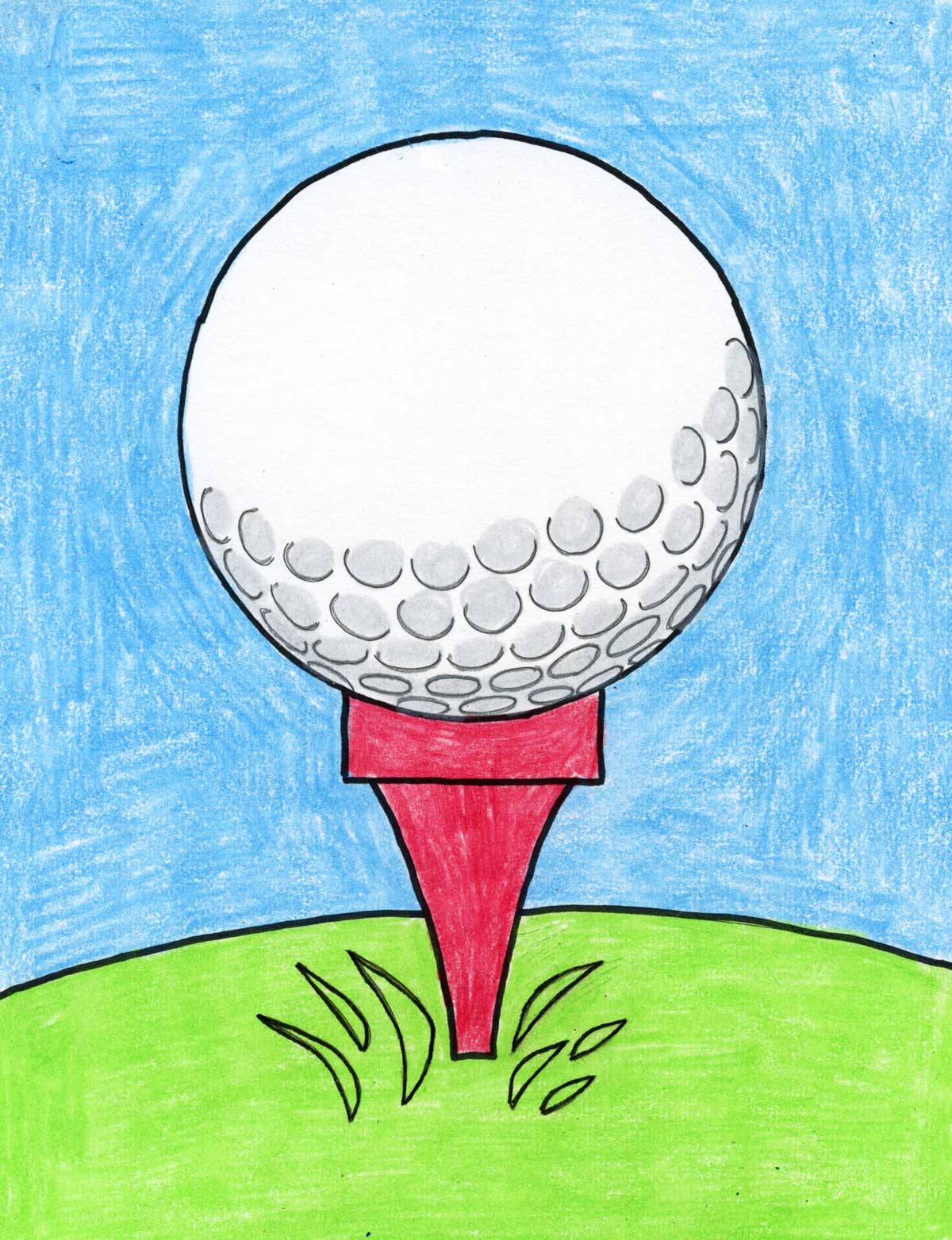
Materials and tools you'll need for how to draw a golf ball easy
Use a few basic items. These keep the process fast and friendly for beginners.
- Pencil (HB or 2B)
- Eraser (kneaded and a small eraser)
- Paper (sketch paper or printer paper)
- Blending stump or cotton swab for soft shading
- Optional: fine-tip pen or marker for outlines
Choose smooth paper for clean circles. A kneaded eraser lifts graphite gently. These tools make how to draw a golf ball easy and repeatable.

Step-by-step: how to draw a golf ball easy
Follow these short steps. Each step is simple and builds on the last.
- Draw a light circle as the ball outline. Use a compass or trace a coin for a perfect circle.
- Mark the light source. Pick where the light hits the ball, usually top-left or top-right.
- Add a faint center guide. Draw a very light horizontal and vertical line to place dimples.
- Sketch a few dimples along the curve. Start with light oval or round marks. When learning how to draw a golf ball easy, keep them loose.
- Fill dimples in bands. Work from the center outward, keeping shapes smaller near the edges.
- Add soft shading opposite the light source. Use light pencil strokes and a blending stump.
- Erase a small highlight on the lit side. This bright spot sells the round shape.
- Clean up edges and ink if desired. A thin outline can help for cartoons or simple logos.
Repeat these steps slowly. Practicing the same short sequence makes how to draw a golf ball easy and natural.
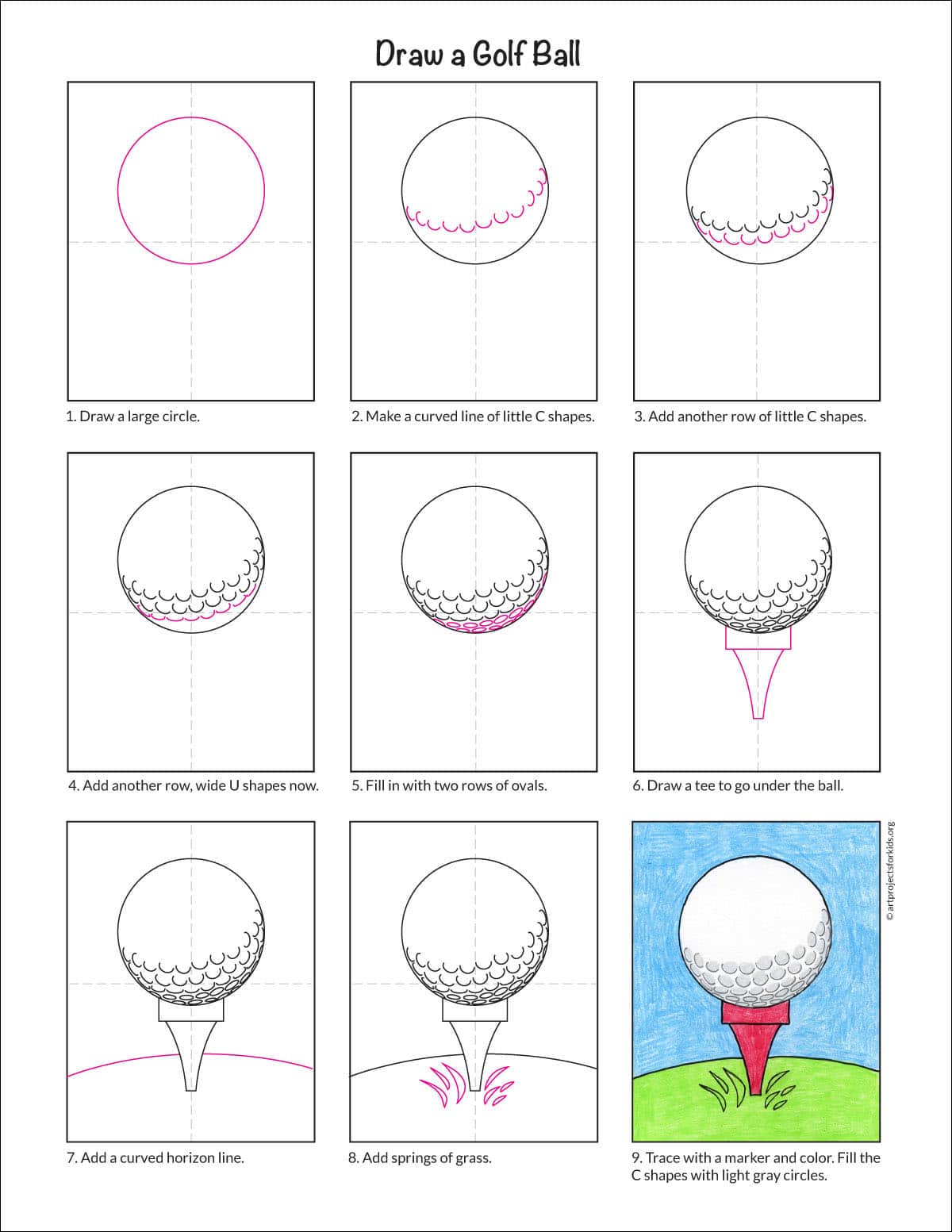
Adding dimples and shading to make it realistic — how to draw a golf ball easy
Dimples and shading bring depth. Use small marks and soft shadows for realism.
- Dimples shape: Draw shallow, slightly oval marks. Space them evenly in curved rows.
- Size and spacing: Dimples are larger at the center and shrink toward the edge.
- Shadow logic: The side away from the light gets darker. Add a cast shadow on the ground for weight.
- Texture: Vary pencil pressure slightly. Too much pressure flattens the look.
Practical tip: use a light touch for dimples and build value slowly. This lets you correct spacing and tone.
How many dimples should I draw for a simple sketch?
Draw just enough to suggest texture. Ten to twenty dimples in bands will read as a golf ball without crowding the sketch.
Is it better to use a pen or pencil for dimples?
Start with pencil for flexibility. Ink only after you like the placement and shading.
How do I make the ball look round with simple shading?
Place the highlight opposite the shadow and blend midtones carefully. A soft gradient around the highlight creates illusion of roundness.

Tips, common mistakes, and practice exercises for how to draw a golf ball easy
Small habits speed progress. These tips are from hands-on practice and teaching.
- Keep circles light at first so you can erase and refine.
- Avoid identical dimples; slight variation looks natural.
- Don’t outline dimples heavily; that makes them read as stickers.
- Use a blending stump for midtones, not water or heavy smudging.
- Step back and view from a distance to see overall balance.
Common mistakes to avoid:
- Making dimples too regular, which looks artificial.
- Shading the entire ball too dark. Leave soft midtones.
- Ignoring the light source; inconsistent light kills realism.
Practice exercises:
- Draw three balls in 10 minutes, each with a different light angle.
- Sketch only dimples on an empty circle to train spacing.
- Try drawing a ball with a thin outline, then without one to learn soft edges.
Personal note: I once filled a page with too-large dimples. It looked cartoonish. Slowing down and drawing smaller rows fixed it. Small changes like that made how to draw a golf ball easy and realistic for me.
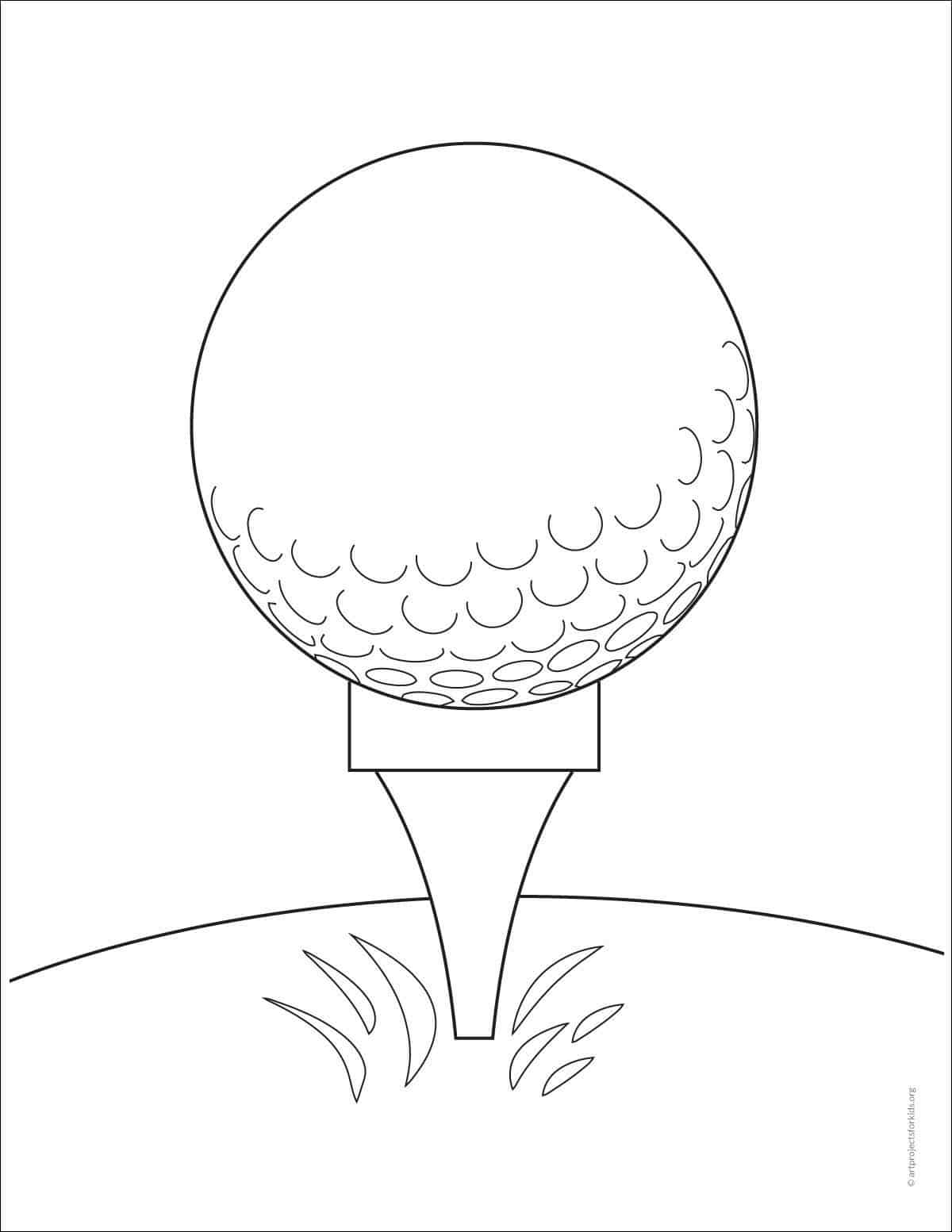
Frequently Asked Questions of how to draw a golf ball easy
What is the quickest way to draw a golf ball?
Start with a light circle, mark a highlight, add a few dimples in curved rows, then shade opposite the light. Keep marks light and build tone gradually.
Which pencil is best for drawing a golf ball?
Use HB for fine lines and 2B for shading. A soft pencil gives darker shadows while an HB keeps dimples neat.
How do I space dimples evenly?
Use faint curved guide lines as rows, then place dimples along those curves. Keep them slightly staggered like bricks for a natural look.
Can I draw a golf ball without shading?
Yes. A clean circle with a few dimples and a small highlight reads as a golf ball in simple or cartoon styles.
How long does it take to learn how to draw a golf ball easy?
With short daily practice, you can draw a tidy golf ball in a week. Focus on circle control, spacing, and soft shading for fast improvement.
Should I trace a circle or freehand it?
Tracing helps beginners get a perfect base. Freehand is a good next step to build control and confidence.
How do I add a cast shadow under the ball?
Draw an oval shadow opposite the light source. Soften its edges and blend lightly for realism.
Can I use colored pencils to draw a golf ball?
Yes. Use light gray tones for shadows and a white pencil for highlights on textured paper for a clean look.
How do I fix dimples that look wrong?
Erase lightly and redraw smaller. Adjust spacing or shading to blend the change into the surrounding area.
Is there a simple way to practice dimples?
Fill a circle with rows of small ovals for five minutes each day. This builds muscle memory fast.
Conclusion
You now have a clear, simple path for how to draw a golf ball easy. Start with a light circle, add dimples in curved rows, and shade opposite your light source. Practice short drills, avoid heavy outlines, and keep a soft touch to build realism. Try drawing three quick balls today and compare your progress in a week. If you found this helpful, leave a comment, share your sketch, or subscribe for more easy drawing guides.