How To Compress The Golf Ball With Irons: Gain Distance
Compress the ball by hitting down with irons, solid contact, and a controlled forward shaft lean.
I’ve played and taught golf for years, so I know how to compress the golf ball with irons feels and sounds. This guide breaks down the setup, swing feel, drills, gear choices, and common fixes you can use today to make cleaner, firmer iron strikes and better ball compression.

Understanding ball compression and why it matters
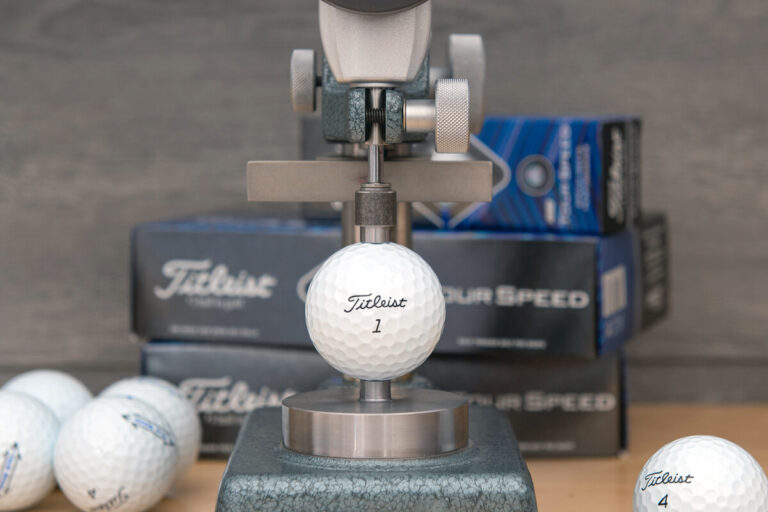
Ball compression with irons means crushing the ball briefly between clubface and turf at impact. Good compression creates a crisp sound, lower spin for long irons, and better distance control for scoring clubs.
Why compress the ball with irons matters
- Better energy transfer. A compressed ball launches faster and goes farther.
- Tighter dispersion. Clean compression helps you be more accurate.
- Improved feel. You’ll get consistent feedback and tempo from the strike.
How compression happens in an iron swing
- Low point control. The club must reach its low point just after contact.
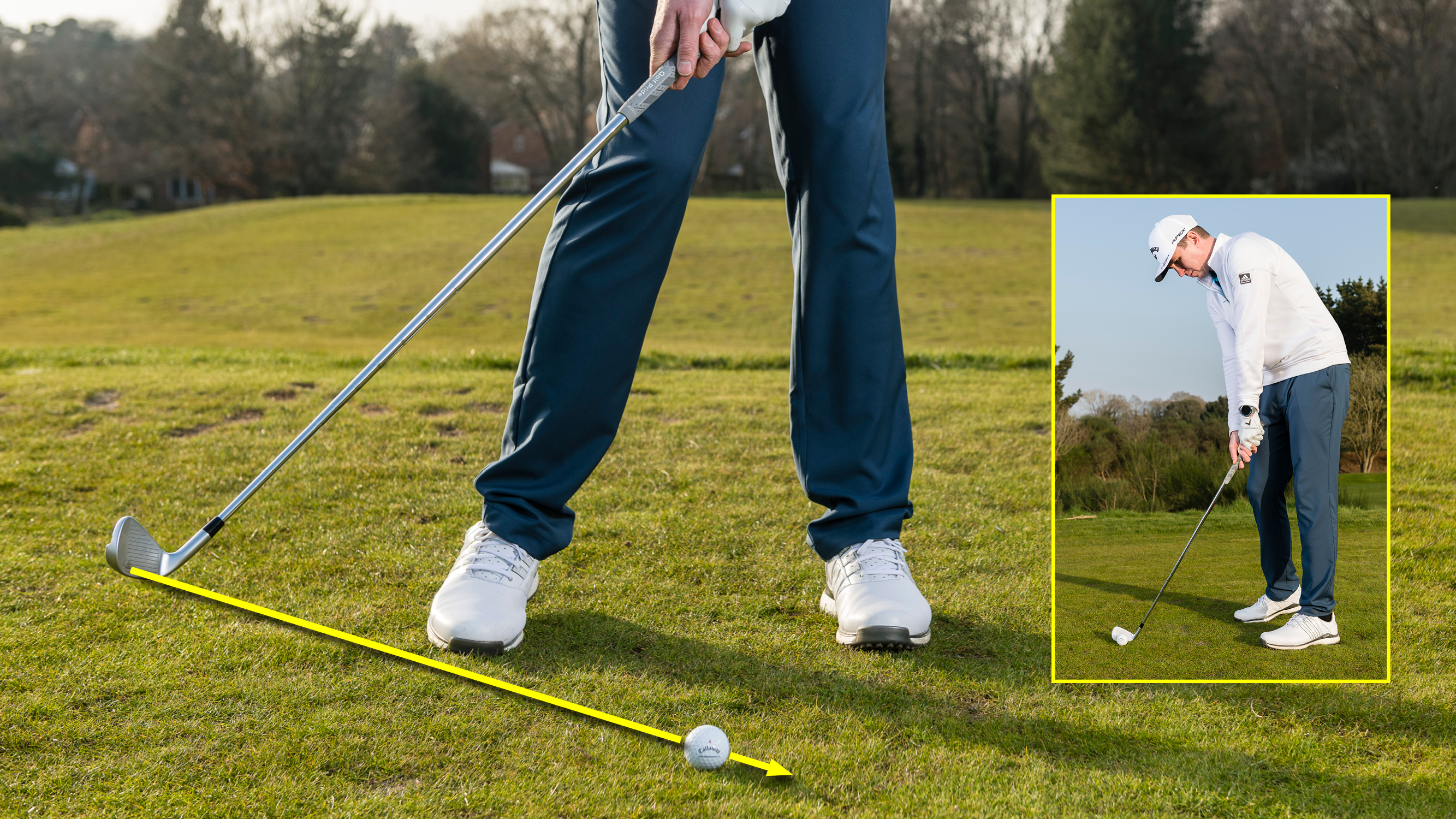
- Forward shaft lean. Slight shaft lean at impact delofts the club face.
- Solid contact. A descending blow compresses the ball against the face.
- Proper loft and speed. The face loft and clubhead speed together determine launch and spin.
My experience
- Early in my playing career I hit high thin shots. Once I focused on hitting down and forward shaft lean, distance and control improved fast. Small technical tweaks drove big gains.
Setup and technique to compress the golf ball with irons
A reliable setup makes compression repeatable. Keep things simple and consistent.
Key setup points
- Ball position: Place the ball slightly back of center for short irons, center for mid irons, and a touch forward for long irons.
- Weight distribution: Start with 55% weight on your front foot to encourage a downward strike.
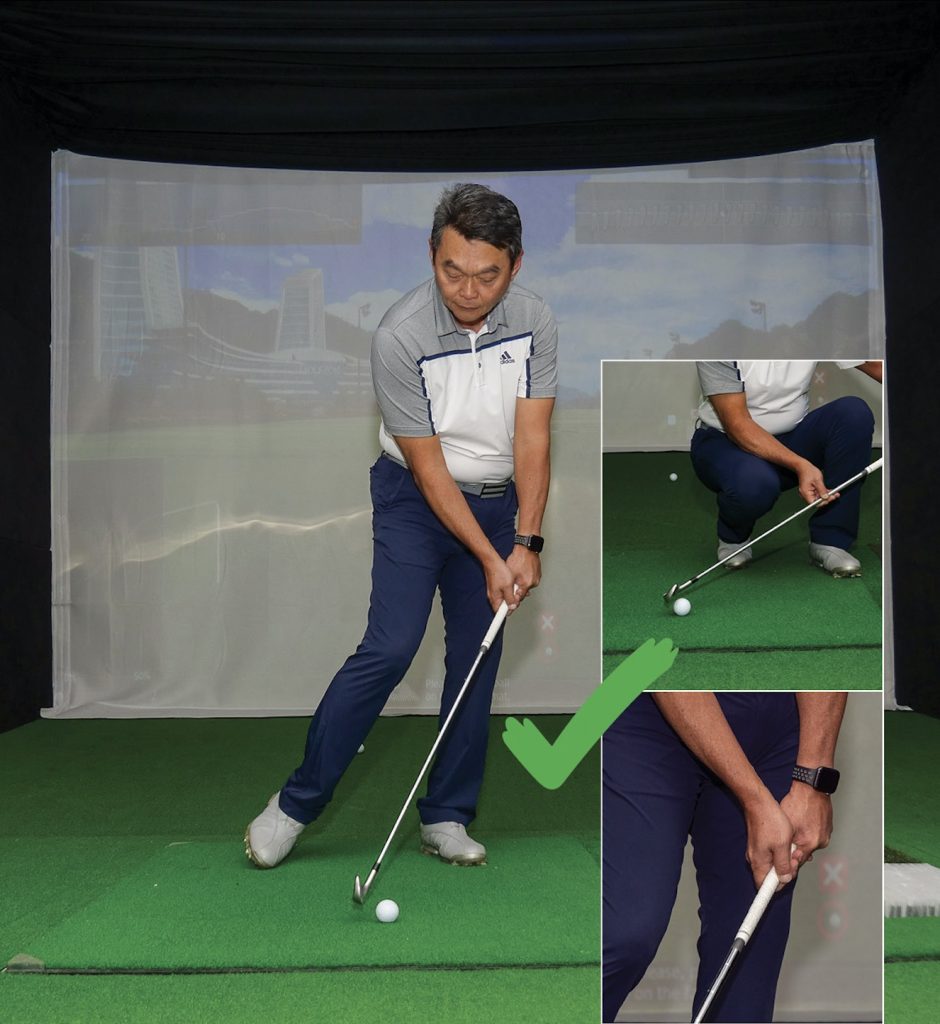
- Hands and shaft: Grip light and set a slight forward shaft lean at address. This sets the feel for impact.
Impact essentials
- Attack angle: Aim for a slight downward attack. The club should move down through the ball then continue to the turf.
- Low point: Feel the low point slightly ahead of the ball. That ensures you hit the ball first, then the turf.
- Rotation and body: Rotate through the shot with your hips and chest leading the hands into impact.
- Tempo: Use smooth tempo. Fast hands alone make thin contact.
Practical cues to use
- “Hit down and through.” Short and clear.
- “Hands ahead of ball at impact.” Visual and effective.
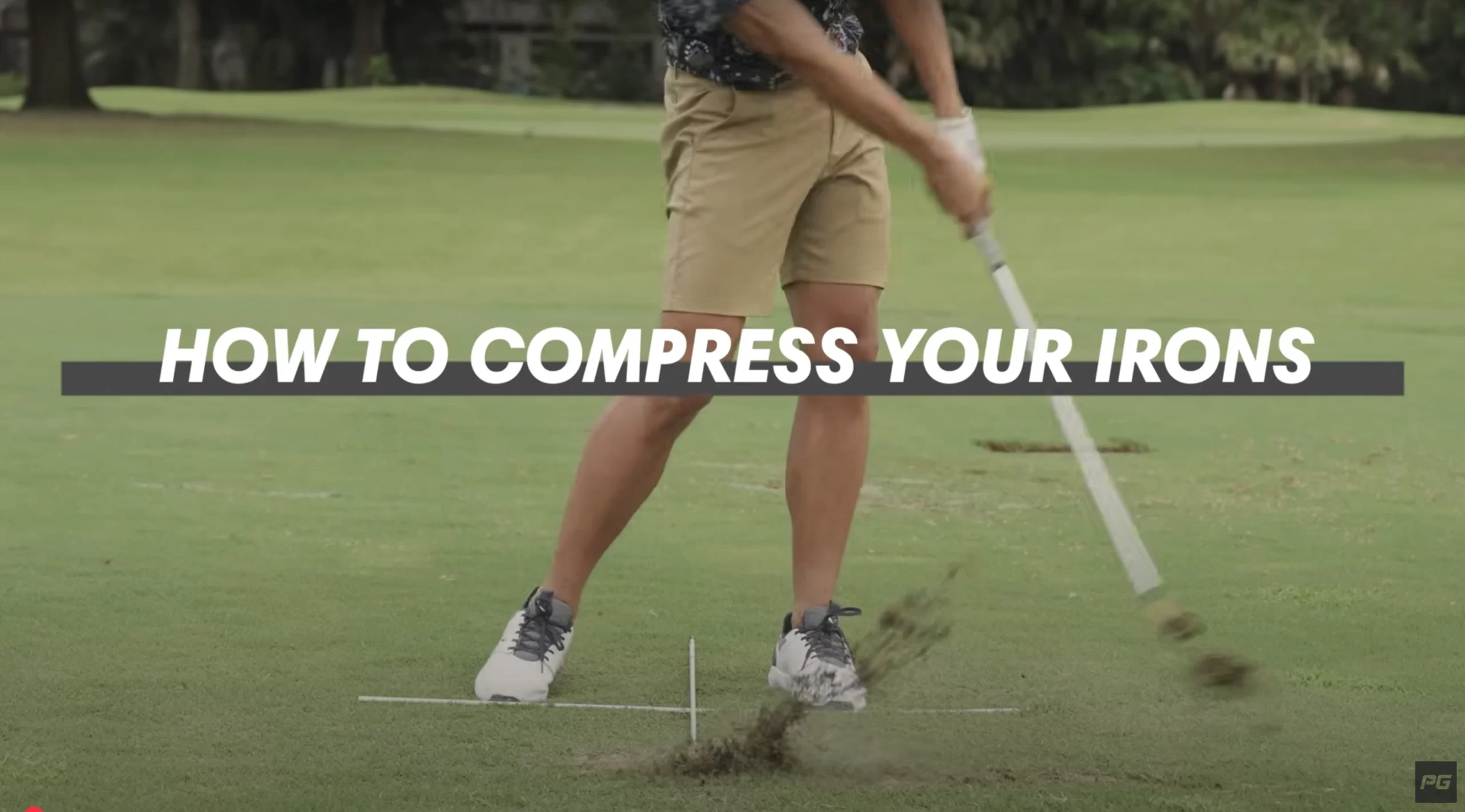
- “Make divot after ball.” If you make a divot after the ball, you compressed it.
PAA-style quick answers
- Will compressing lower my launch? Yes, compressing with irons tends to lower launch slightly and reduce spin for more roll.
- Can I compress with any iron? Yes, but it’s easier with shorter irons; long irons need more speed and precise low-point control.

Drills to improve compression
Drills make the feel repeatable. Practice these in short sessions.
Towel drill
- Place a towel 2–3 inches behind the ball.
- Take slow swings where the club hits the ball then the towel.
- Focus on hitting down and into the towel after contact.
Gate drill for center strikes
– Place two tees just wider than your clubface.
- Swing through, aiming to strike the ball cleanly without touching tees.
- This encourages center-face contact and solid compression.
Feet-together balance drill
- Hit half-swing shots with feet together.
- This forces better balance and a more controlled low point.
- Use short irons first, then progress.
Forward-lead drill
- Take normal setup but feel your hands a bit ahead at impact.
- Use a three-quarter swing and watch for a shallow divot starting after the ball.
- This reinforces forward shaft lean and ball-first contact.
Progression plan
- Start slow with the towel drill for 10 minutes.
- Add gate drill for accuracy.
- Finish with full swings focusing on the same feels.

Club and equipment choices that help compression
The right gear helps you compress the golf ball with irons. But technique matters most.
Shaft flex and feel
- Use a shaft flex that matches your swing speed. Too soft adds unwanted lag; too stiff can block feel.
- Lighter, moderate flex shafts help many players compress the ball more consistently.
Loft and face technology
- Modern irons often have thin faces that launch easily. Still, compression comes from impact quality, not just gear.
- Lower loft and heavier heads can help players with good speed get more roll and compression on long irons.
Ball choice
- Firmer mid-compression golf balls are easier to compress for players with moderate swing speeds.
- Higher swing speed players may prefer softer balls for spin control, but technique must be consistent.
When to fit
- Consider a club fitting if you struggle to compress with multiple clubs. Fitters can tune shaft, lie, and loft to your swing.
My gear note
- After testing, I found that a slightly heavier head and a stiff shaft helped me compress long irons. Short irons responded well to lighter shafts for feel.
Common mistakes and how to fix them
Fix these common errors to improve your compression quickly.
Mistake: Hitting up on the ball
- Effect: Thin, high shots with less compression.
- Fix: Move ball slightly back, feel a downward blow, and shift weight forward.
Mistake: Hands too high at impact
- Effect: Too much lofted face and weak contact.
- Fix: Drill forward-lead and focus on hands ahead at impact.
Mistake: Swinging too hard
- Effect: Loss of timing and fat or thin strikes.
- Fix: Smooth tempo and accelerate through impact rather than at it.
Mistake: Poor weight shift
- Effect: Hitting behind the ball or topping.
- Fix: Feel a small weight move to the front foot during downswing.
Mistake: Inconsistent low point
- Effect: Fat or thin shots.
- Fix: Slow the transition and use the towel drill to train the low point.
Practice plan and progress tracking
Structure practice to build reliable compression.
Weekly plan (3 sessions)
- Session 1: Short game and feel work (20 minutes). Use towel drill and forward-lead.
- Session 2: Mid-iron focus (30 minutes). Use gate and feet-together drills, then 30 balls on the range.
- Session 3: Simulated pressure (30 minutes). Play on-course targets with scoring to test compression under pressure.
Metrics to track
- Ball flight: Is it lower and tighter when compressed?
- Divot placement: Does the divot start after the ball?
- Sound: A crisp “thud” usually means good compression.
- Carry distance: Record repeatable gains as compression improves.
Adjustments
- If you still thin shots, return to drills and slow your swing.
- If you hit too fat, check weight shift and low point drills.

Frequently Asked Questions of how to compress the golf ball with irons
What is the easiest way to compress the ball with irons?
Focus on hitting down and keeping your hands slightly ahead at impact. Use the towel drill to train the low point and impact feel.
Can beginners learn to compress quickly?
Yes. With short, focused practice sessions on setup and simple drills, beginners can see improvements in a few weeks.
Does shaft flex affect compression?
Yes. Shaft flex affects timing and feel. Choose a flex that matches your swing speed for better compression consistency.
How do I know I compressed the ball correctly?
You’ll see a divot that starts after the ball and hear a crisp sound. Ball flight will be more penetrating and consistent.
Are there any risks to trying to compress more?
Overdoing it can cause tension and bad timing. Keep tempo smooth, and prioritize balance and low-point control.
Conclusion
Compression with irons comes down to simple, repeatable steps: the right setup, a descending attack, slight forward shaft lean, and solid low-point control. Practice short, focused drills, track divot and ball-flight cues, and match your gear to your swing. Start small, build confidence, and measure progress. Try one drill today and make it a habit for a week — you’ll feel and hear the difference. Leave a comment with your progress or subscribe for more drills and tips.