How To Stop Hitting Behind The Golf Ball: Beat Fat Shots
Hit the ball first by shifting your weight, placing the ball forward, and striking down slightly.
I’ve coached golfers of all levels and fixed countless fat shots by focusing on simple swing and setup changes. This guide explains exactly how to stop hitting behind the golf ball with clear causes, step-by-step drills, equipment checks, and a practice plan you can use today.
Why you keep hitting behind the golf ball
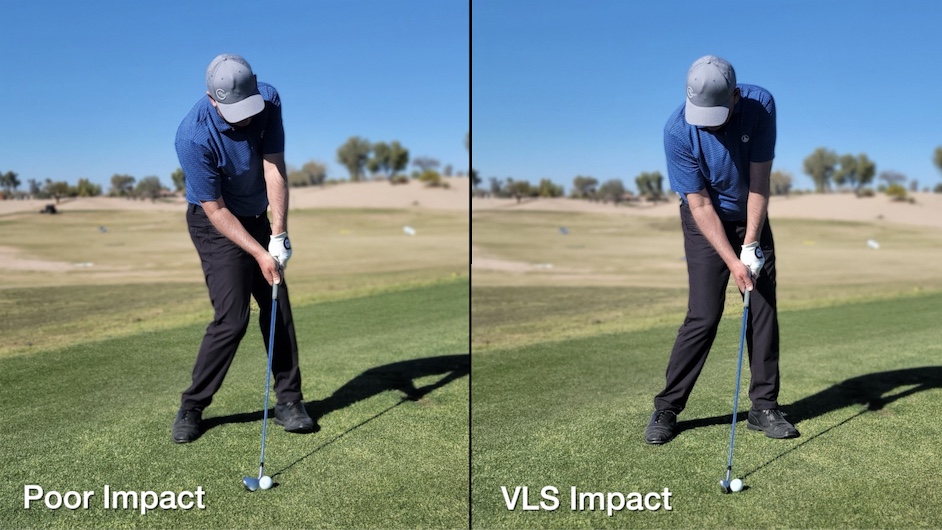
Hitting behind the golf ball means contacting turf before the ball. This makes the ball lose distance and feel weak. Common causes are poor weight shift, the ball too far back, an early arms-first release, or a steep shaft angle at impact.
When you understand the root cause, you can fix it fast. Below I break down each cause and give drills that work on the range and on the course.
Setup fixes: simple changes that stop fat shots
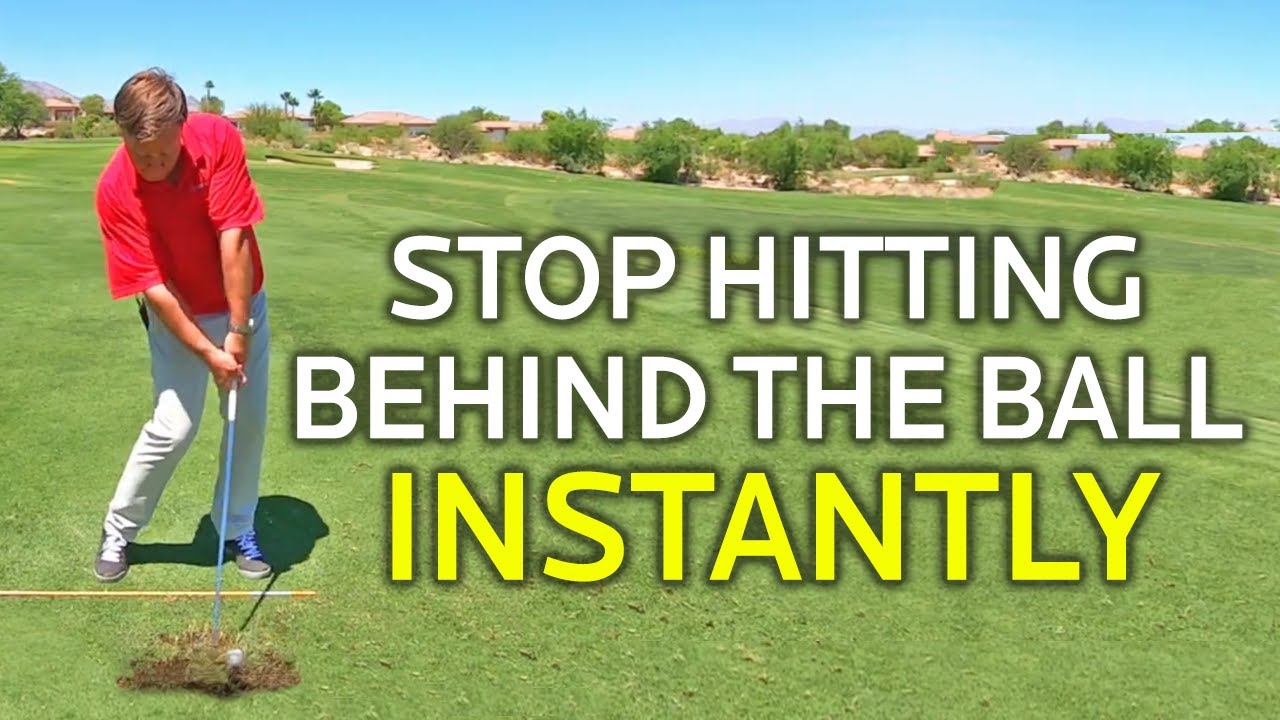
Start with setup. Small setup tweaks solve many problems fast.
- Ball position
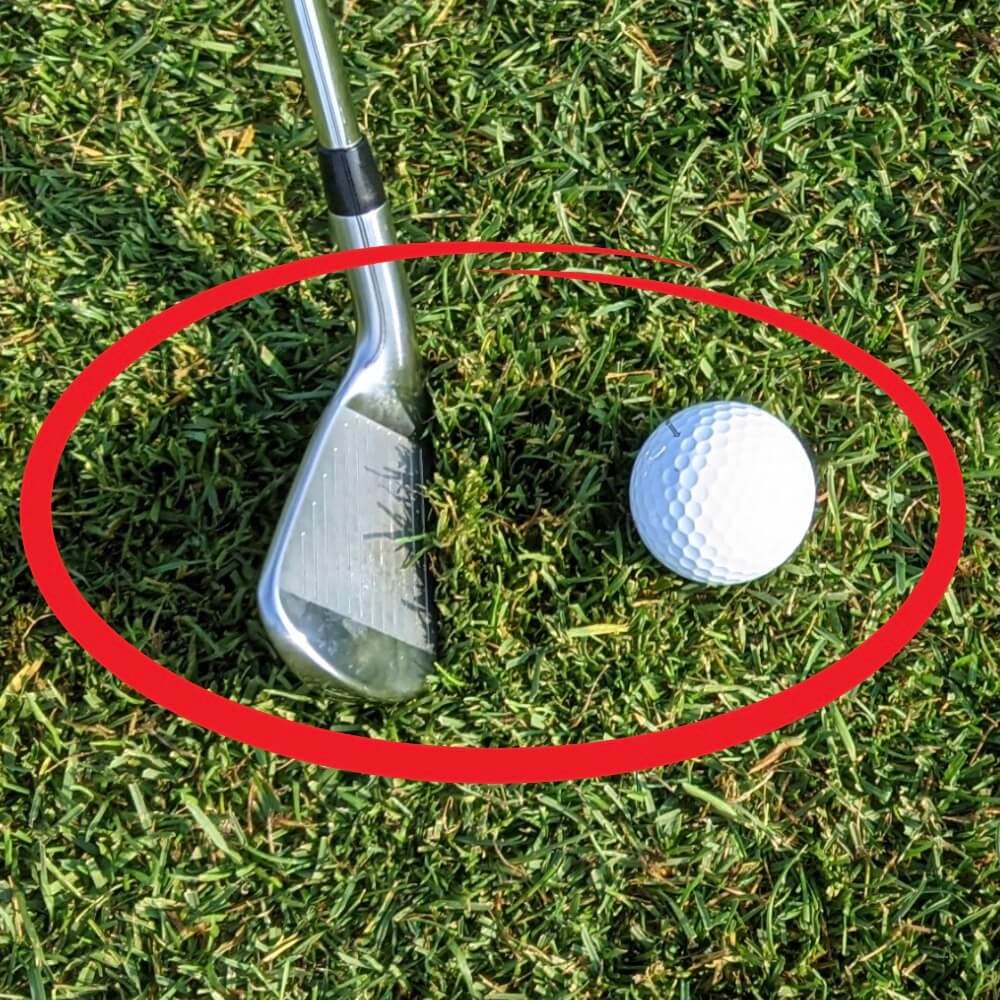
- Move the ball slightly forward in your stance for mid irons. This helps you hit down on the ball with the clubhead hitting the ball before the ground.
- Stance and balance
- Stand shoulder-width for most irons. Flex knees slightly and keep weight centered on the balls of your feet.
- Posture and spine angle
- Tilt from your hips, not your waist. Keep a slight forward tilt to encourage a downward strike.
- Grip and wrist set
- Neutral grip and soft wrists. Tense hands cause early release and fat shots.
These setup changes are the first steps to learn how to stop hitting behind the golf ball. Small fixes here deliver big results.
Swing changes and drills to stop hitting behind the golf ball
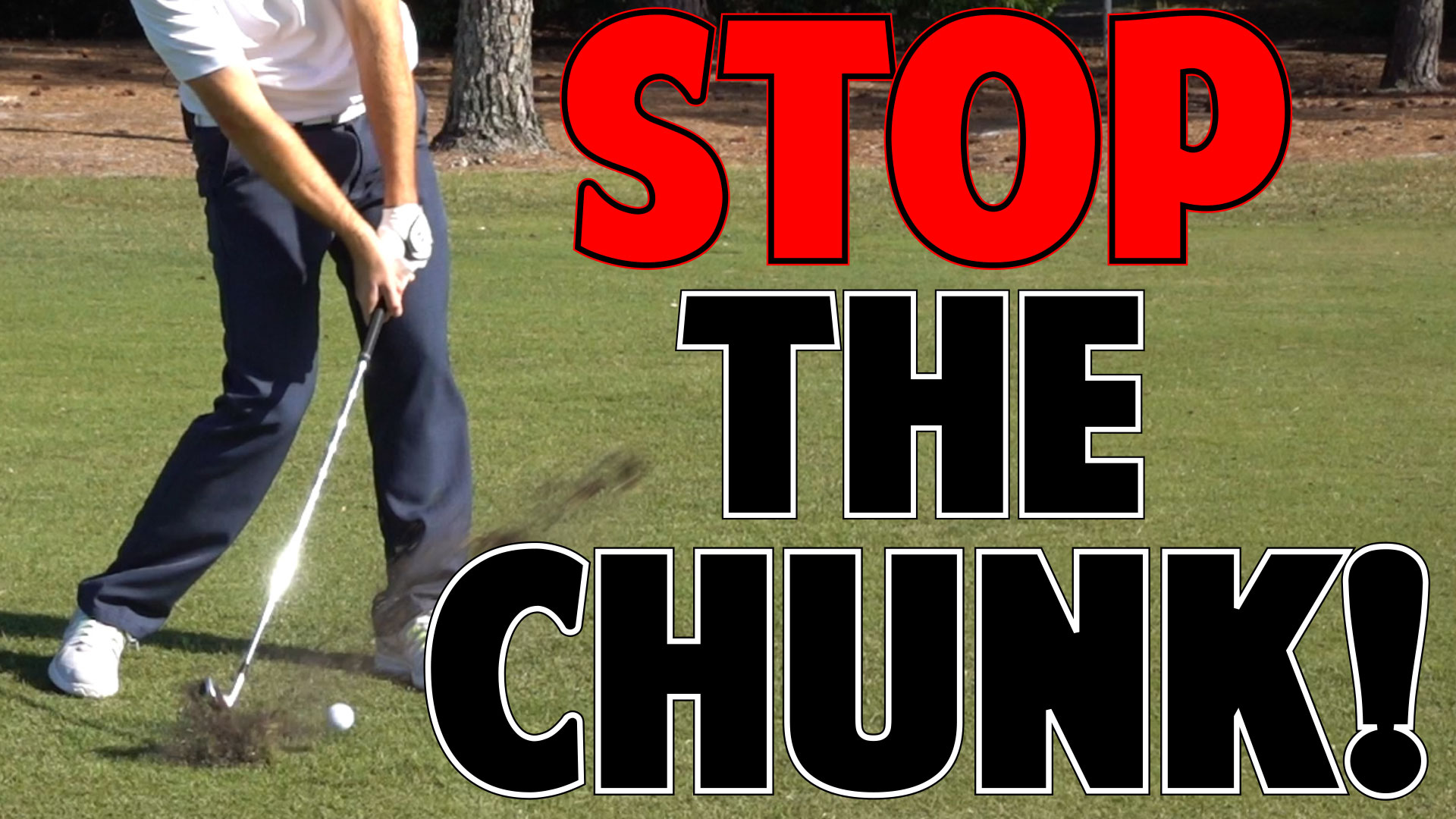
Change one thing at a time. Try these drills in the order listed.
- Tee drill (short irons)
- Place a tee an inch behind the ball. Try to hit only the ball and leave the tee in the turf. This trains strike first, then turf.
- Headcover drill
- Put a headcover an inch behind the ball. If you hit the cover you hit fat. Focus on hitting the ball and missing the cover.
- Forward ball drill
- Move ball slightly toward your front foot. This helps you meet the ball on a shallower, descending arc.
- Step-through drill
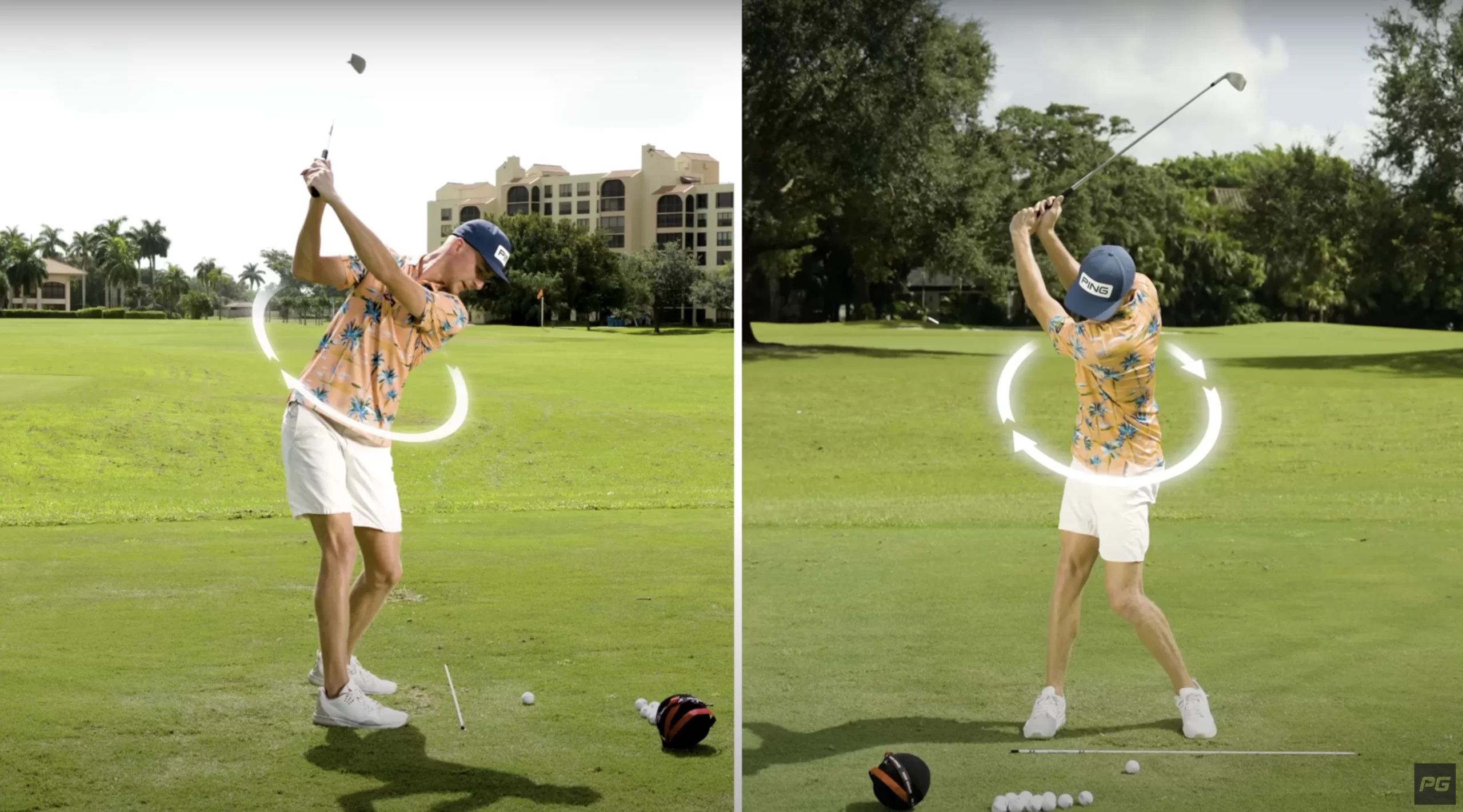
- Make a short swing and step your back foot toward your front at impact. This promotes weight shift onto the front foot and discourages hanging back.
- Slow-motion impact practice
- Slow a swing down and hold the impact position. Check that hands are slightly ahead of the ball at contact.
Practice these drills for short sessions of 10–15 minutes. Repetition with focus beats long, unfocused practice.

Common swing faults and quick fixes
Knowing the fault helps you pick the right drill.
- Hanging back
- Fault: Staying on your back foot through impact.
- Fix: Use the step-through drill and feel weight on your lead leg at contact.
- Early release
- Fault: Letting the wrists uncock before impact.
- Fix: Practice holding the lag with slow swings and use impact bags or the padded-shaft drill.
- Over-steep downswing
- Fault: Coming down too steeply and hitting ground before the ball.
- Fix: Flatten the swing plane. Use alignment sticks as a visual guide for a shallower path.
- Ball too far back
- Fault: Ball placed behind ideal spot causing the club to hit turf first.
- Fix: Move ball forward one half to one full ball position and test.
Each fix directly contributes to learning how to stop hitting behind the golf ball. Pick the one that matches your fault and repeat the relevant drill daily.
Equipment and setup checks: does your gear make it worse?
Club setup and ball selection can affect fat shots.
- Loft and lie
- Older clubs or wrong lie angles can push you into bad swing moves. Get a quick fitting if clubs feel inconsistent.
- Shaft length and flex
- Too long or too flexible a shaft can alter timing and increase fat shots. Test alternatives at the range.
- Grip size
- Grips that are too big or too small change wrist action and release. Try demo grips to see if it helps.
- Ball type
- Very soft balls can feel worse on thin or fat strikes, but changing the ball won’t fix the underlying swing.
I once saw a player fix fat shots simply by switching to slightly shorter clubs and improving ball position. Gear matters but only after you fix basics.

Practice plan to stop hitting behind the golf ball
A focused plan beats aimless repetitions. Try this four-week routine.
Week 1: Setup and feel
- 3 sessions of 20 minutes each
- Focus on ball position and weight shift
- Use tee drill and step-through drill
Week 2: Speed and impact
- 3 sessions of 30 minutes each
- Add slow-motion impact practice
- Use headcover drill for instant feedback
Week 3: On-course simulation
- 2 range sessions, 1 short-game session
- Use practice swings before every shot on course
- Track fat vs solid shots in a notebook
Week 4: Consolidation
- 2 half-hour practice sessions
- Mix full swings and short-game shots
- Play 9 holes focusing on setup for each shot
Record results. I recommend counting solid strikes vs fat strikes. Small wins each session build real confidence in how to stop hitting behind the golf ball.
How to use feedback and technology
Use simple tools to speed learning.
- Impact tape or spray
- Shows point of contact. Use it to confirm you hit the ball first.
- Video recording
- Record from the front and down-the-line. Compare swings over sessions.
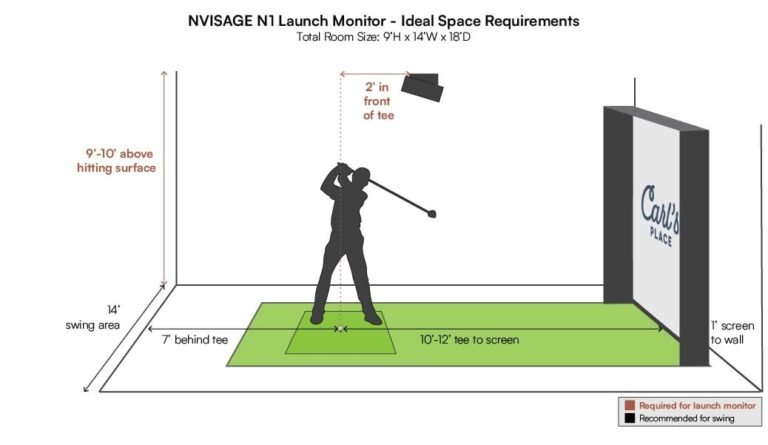
- Launch monitor (if available)
- Check clubhead speed and angle of attack. Aim for a slightly negative angle of attack with irons.
I used a launch monitor to show a student their angle of attack. Seeing data helped them trust the step-through drill and stop hitting behind the golf ball faster.

Mental cues and course play tips
Simple mental cues help on real holes.
- Cue: “Hands ahead”
- Think hands slightly forward at impact.
- Cue: “Step through”
- Use a small step with back foot to ensure weight shift.
- Pre-shot routine
- Practice one slow, focused swing before each shot to groove a correct strike.
On the course, use conservative club choice and aim for solid contact. Confidence in strike beats extra yardage.

My experience: mistakes I made and lessons learned
Early in my coaching I overcomplicated fixes. I told players to change 5 things at once. That failed. Later, I found one small swing or setup change would end fat shots quickly.
I learned to:
- Diagnose first, then prescribe one drill.
- Use visual feedback like tape or video.
- Build habit with short, repeatable practice sessions.
These lessons shaped my approach and help golfers fix how to stop hitting behind the golf ball without frustration.
Frequently Asked Questions of how to stop hitting behind the golf ball
Why do I keep hitting behind the golf ball with my irons?
Most often it’s weight staying back or ball position too far behind. Fix your setup and use step-through and tee drills to train hitting the ball first.
Will changing my clubs fix fat shots?
Clubs can contribute but rarely cause fat shots. Focus on setup and swing first; then check club length, lie, and shaft if problems persist.
How does ball position affect hitting behind the golf ball?
Ball too far back makes the club meet the ground before the ball. Move the ball slightly forward and test until strikes improve.
Are fat shots more common with certain clubs?
Yes. Short irons and wedges show fat shots more because the swing is more vertical. Practice with those clubs and use the headcover drill for fast feedback.
How long will it take to stop hitting behind the golf ball?
With focused practice most golfers see improvement in 2–4 weeks. Short daily sessions and simple drills accelerate progress and build confidence.
Can fatigue cause hitting behind the golf ball?
Yes. Tired legs or poor posture late in a round lead to hanging back. Maintain posture and use shorter backswing to conserve energy and keep solid contact.
Conclusion
Fixing fat shots comes down to diagnosis, simple setup fixes, targeted drills, and consistent practice. Focus on weight shift, ball position, and a slightly forward hand position at impact. Start with one drill today, practice short and smart, and track your progress to master how to stop hitting behind the golf ball. Try the tee or headcover drill this week and leave a note about your results or questions below — I’ll help you fine-tune your plan.