How Much Does A Home Golf Simulator Cost: Price Guide
Expect to spend $1,500 to $50,000+ for a home golf simulator, depending on features.
I’ve researched, tested, and helped set up several home systems, so I know exactly how much does a home golf simulator cost and why prices can swing wildly. Read on for a clear, friendly guide that breaks down tiers, real component costs, installation tips, and mistakes to avoid so you can pick the right setup for your space and goals.
Typical price ranges and what they include
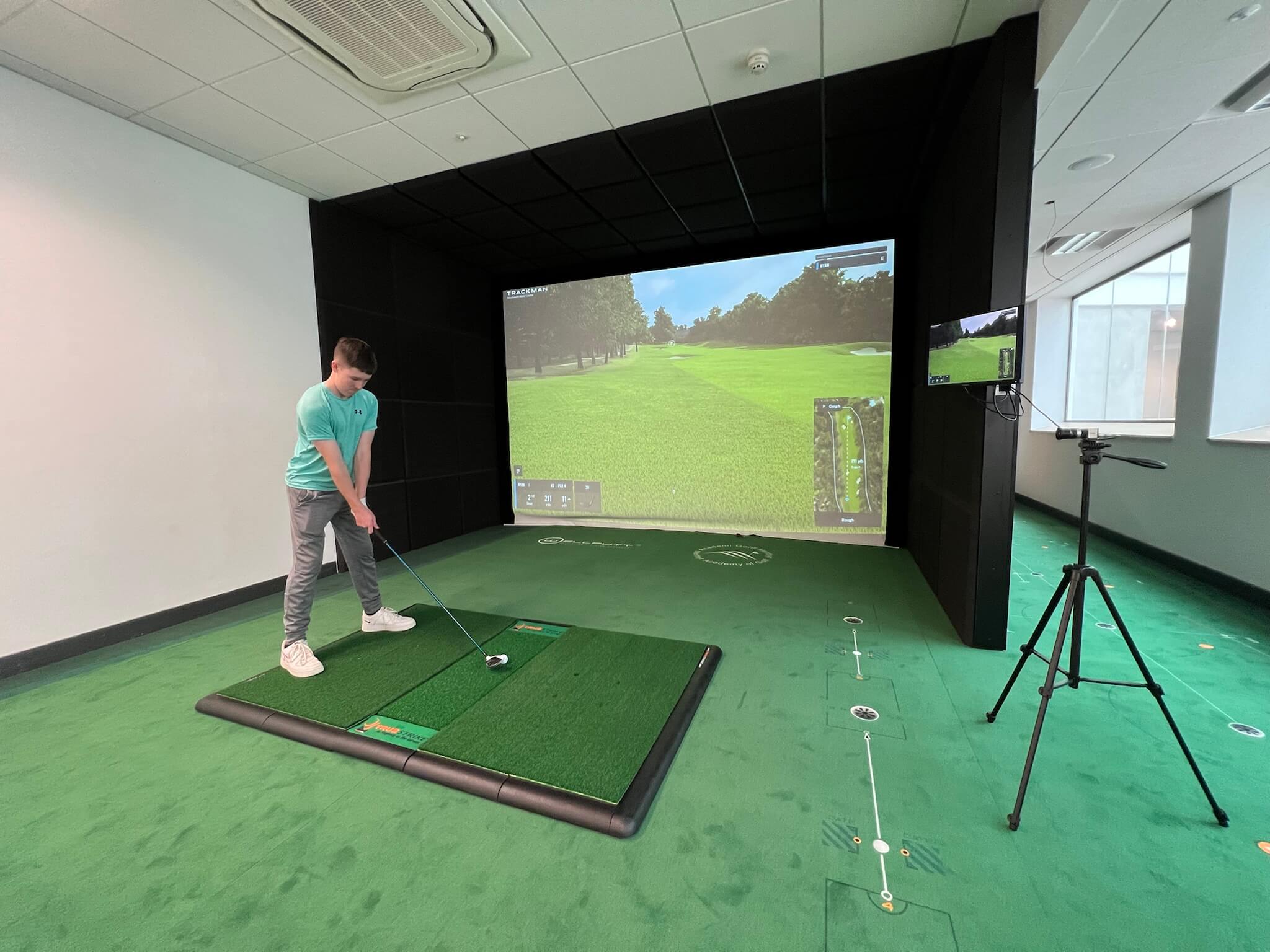
How much does a home golf simulator cost depends mostly on your goals. Here are clear price tiers with what you typically get.
-
Entry level: $1,500 to $5,000.
- Includes a basic launch monitor or sensor, a hitting mat, net or basic screen, and entry software. Good for casual practice and swing data, but limited course play and short-game feedback.
-
Mid-range: $5,000 to $15,000.
- Adds higher-quality launch monitors, more realistic simulator software, impact screen, better mat, projector or large display, and more accurate shot tracking. Ideal for serious hobbyists.
-
Premium home: $15,000 to $50,000+.
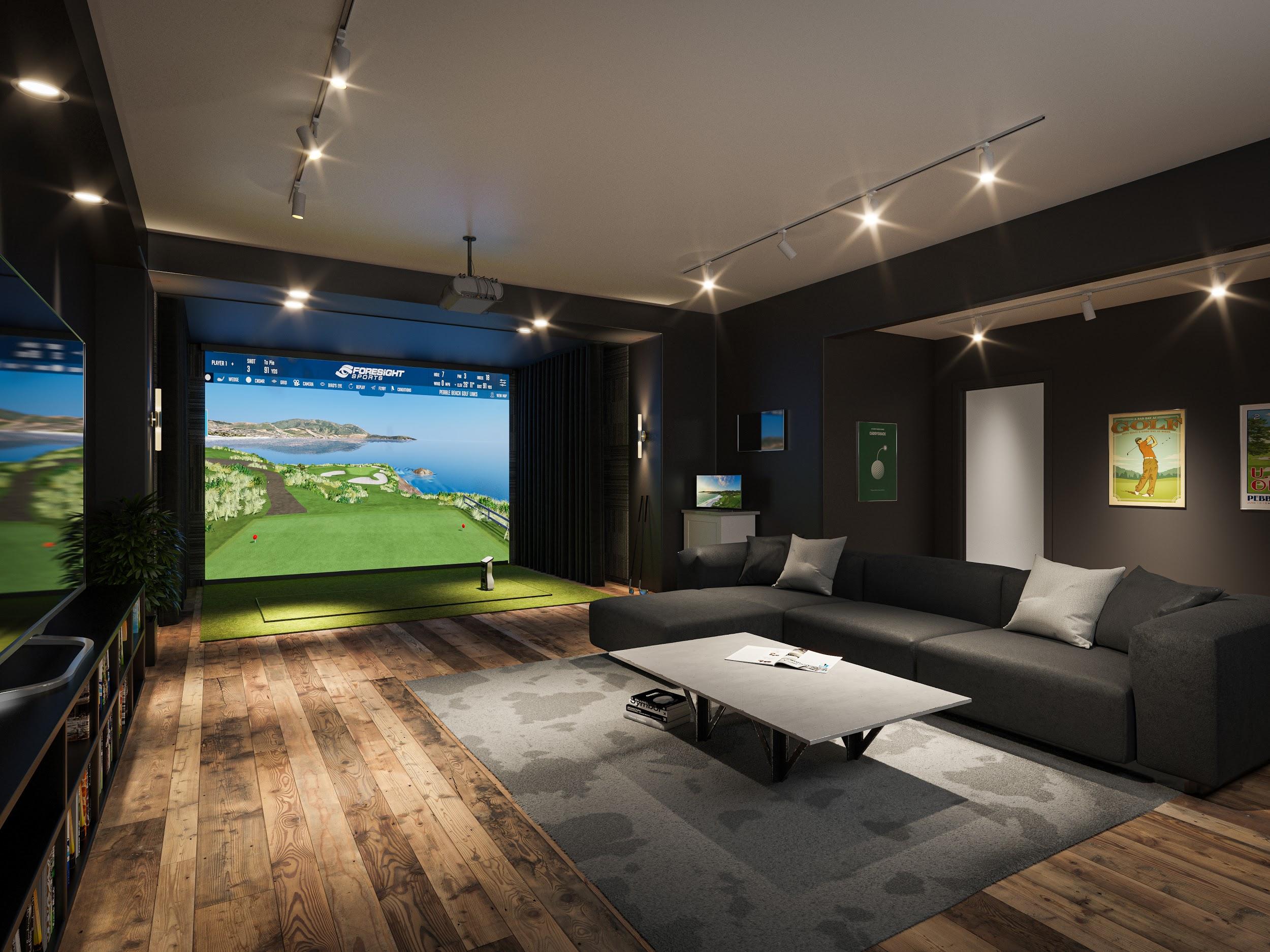
- High-end launch monitors, professional-grade software with thousands of courses, a permanent enclosure, top-tier projector, dedicated PC, and full-room audio/lighting. Near-golf-club-level accuracy and immersive play.
-
Commercial/elite builds: $50,000 and up.
- Multi-simulator rooms, professional construction, custom enclosures, top-tier cameras and sensors, and full integration for club fitting and teaching.
Price often reflects accuracy, play realism, and durability. If you want tour-level data and pro fittings at home, plan for the higher end. If you want a fun practice tool, an entry-level setup can be a great start.
Breakdown of key components and cost drivers
When figuring out how much does a home golf simulator cost, break the system into parts. Each part adds cost and value.
-
Launch monitor or tracking system: $300 to $25,000+.
- Radar-based units tend to be mid-to-high priced and give full ball-flight data. Camera-based systems are available across budgets. Accuracy varies by model.
-
Software and course access: $0 to $3,000+ (or subscription).
- Some systems include basic software; premium packages add many courses and multiplayer features. Ongoing subscriptions are common.
-
Impact screen or net: $100 to $2,000.
- Durable impact screens are pricier but needed for immersive play and projector setups.
-
Projector or large display: $300 to $3,000+.
- Brightness and resolution matter for realism. Short-throw projectors are common in tight rooms and cost more.
-
Hitting mat and turf: $100 to $1,000.
- Good mats protect clubs and feel closer to turf. Cheaper mats wear quickly.
-
Enclosure and frame: $200 to $5,000+.
- DIY nets are cheap. Custom frames and sewn enclosures are more costly but look and perform better.
-
Computer or tablet: $200 to $3,000+ depending on specs.
- High-end simulators need a powerful PC to run graphics-heavy software.
-
Installation and construction: $0 to $10,000+.
- DIY install saves money. Professional installation, soundproofing, lighting, and structural changes add cost.
-
Accessories: $50 to $2,000.
- Cameras, launch pads, club sensors, chipping nets, and club-fitting gear.
PAA-style questions
How accurate are home golf simulators?
Accuracy varies by sensor and price. Premium launch monitors deliver near-professional accuracy, while entry-level units provide useful trends and practice feedback.
Can you practice short game indoors?
Short-game practice is possible, but very short chips and true green speed require specialized setups and surfaces. Many systems are best for full swings and approach shots unless you add specific short-game mats.

Space, setup, and installation costs
How much does a home golf simulator cost also ties to your available space. Room size and setup needs change the budget.
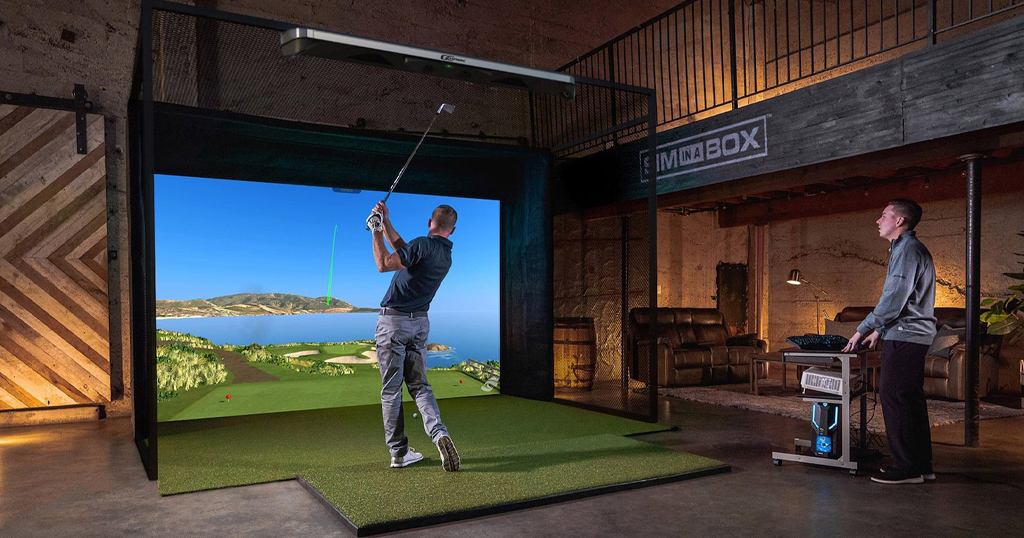
- Minimum space: width 10 feet, depth 12–15 feet, ceiling 8.5–10 feet for comfortable full swings. Smaller spaces need compact launch monitors and short-throw projectors.
- Ceiling height upgrades: cutting into ceilings or adding beams can add thousands. Avoid setups that force you to alter your swing.
- Floor and wall protection: turf, mats, and wall padding cost $200 to $2,000 depending on materials. Protecting floors is cheap insurance.
- Electric and network upgrades: outlets, cable runs, and Wi-Fi may add a few hundred dollars. A wired internet connection is ideal for updates and multiplayer.
- Professional installation: $500 to $5,000. Professionals ensure correct projector alignment, sturdy frames, and safety.
Personal tip from experience: measure twice, order once. I sized my room and paid extra for a short-throw projector. It made the image crisp and saved me months of frustration.
Ongoing costs, ROI, and resale value
When you ask how much does a home golf simulator cost, remember ongoing costs and potential returns.
- Subscriptions and software updates: $0 to $300 per year. Course libraries often use subscription models.
- Replacement parts and maintenance: replace mats and screens every few years. Budget $100–$1,000 over time.
- Electricity and wear: minimal relative to other home systems, but projectors and PCs use power.
- Resale value: reputable brands hold value well. Mid to high-end units often resell for 40–70% of original price if well maintained.
- ROI: measure value as saved range fees, travel time, improved practice, and extra lessons you take. For avid players, a simulator can pay back in saved range and lesson costs over a few years.
A practical example: if you replace weekly range trips and lessons costing $50 each, a $10,000 setup can earn back value in under 5 years. Your mileage will vary by use.
How to pick the right simulator for your budget
Deciding how much does a home golf simulator cost for you starts with priorities. Follow these steps.
-
Define your goals.
- Practice only, play virtual courses, teach lessons, or club fitting.
-
Set a clear budget range.
- Include a buffer for installation and accessories.
-
Choose the right core: launch monitor first, enclosure and projector next.
- A better launch monitor upgrades the experience more than flashy extras.
-
Try before you buy.
- Demo units at golf stores, pro shops, or trade shows. Bring your clubs.
-
Plan for future upgrades.
- Buy modular components you can upgrade, like a better camera or software.
Common mistakes I’ve seen: buying the cheapest monitor first, then realizing the software or enclosure is the weak link. Focus on the component that matches your main use. If you want realistic play, invest in accurate tracking and good graphics. If you want swing data, a trusted launch monitor is essential.

Frequently Asked Questions of how much does a home golf simulator cost
How much does a basic home golf simulator cost?
A basic setup usually costs between $1,500 and $5,000. This includes a simple launch monitor, mat, net or low-cost screen, and basic software.
Is a $5,000 simulator worth it?
A $5,000 setup often hits the sweet spot for serious hobbyists. It typically offers better accuracy, a usable screen, and more immersive software than entry-level kits.
Will a home simulator improve my game?
Yes, regular, focused practice with accurate data improves technique and course management. The quality of feedback matters; better systems give clearer direction.
Do I need a lot of space for a simulator?
You need enough room for a full swing. Typical minimum is 10 feet wide, 12–15 feet deep, and 8.5–10 feet high. Compact systems can work in smaller spaces but may limit realism.
Can I build a simulator myself and save money?
Yes. DIY builds can save money on enclosures and installation. However, accuracy depends on sensors and software, so don’t cut corners on the launch monitor if performance matters.
Conclusion
The answer to how much does a home golf simulator cost is: it depends on what you want. From $1,500 entry kits to $50,000+ luxury builds, the price reflects accuracy, realism, and durability. Start by defining your goals, prioritize a quality launch monitor, and plan your space carefully. Try demos, budget for installation, and choose modular parts you can upgrade.
Ready to pick a setup? Measure your room, list your must-haves, and test a few models. If you found this helpful, leave a comment with your budget and goals, and I’ll help you narrow the options.