How A Golf Ball Is Made: Inside The Manufacturing Process
A golf ball is made by forming a rubber core, applying layered covers, then molding dimples for flight.
I’ve written about equipment and worked around golf manufacturing for years, so I’ll walk you through exactly how a golf ball is made. This guide explains materials, step-by-step production, quality checks, design choices, and environmental trade-offs. Read on to learn the full process, practical tips, and what each stage means for distance, feel, and accuracy.
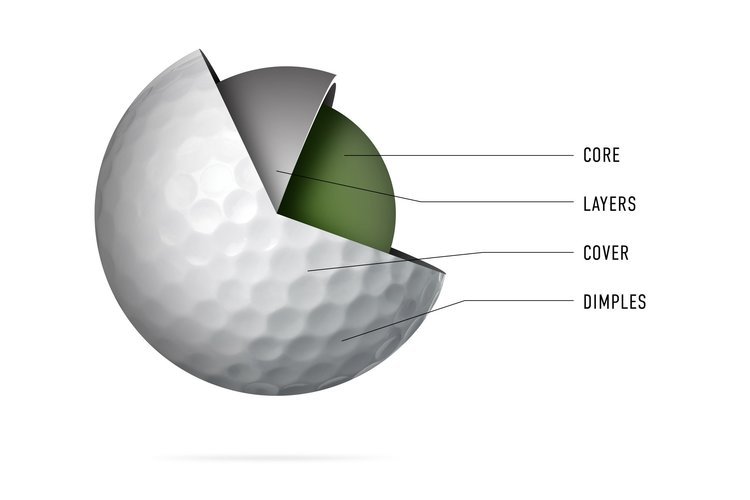
Materials and design basics
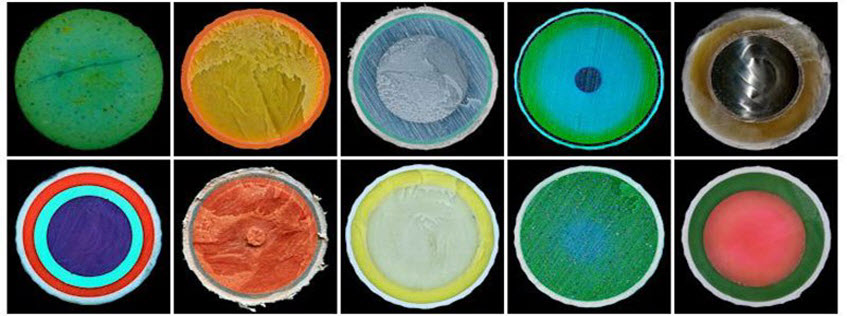
A golf ball starts with clear design goals. Makers decide feel, spin, and distance first. Those goals shape the materials and the number of layers.
Common materials include:
- Rubber or synthetic blends for the core
- Ionomer or urethane for covers
- Pigments and additives for color and durability
How a golf ball is made always begins with those choices. The core material affects compression and energy transfer. The cover material affects spin and feel.
Step-by-step manufacturing process
Below is a simplified, stepwise look at how a golf ball is made. Each step is short and practical.
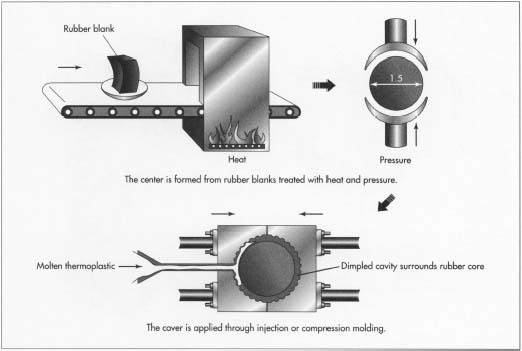
- Core mixing and molding
- Rubber compounds are mixed with oils and accelerants.
- The compound is formed into slugs and molded under heat and pressure to create the core.
- Core size and compression are tuned to the design goals.
- Applying intermediate layers (for multi-layer balls)
- Liquid or molded layers are added to control spin and launch.
- Each layer is cured and checked before the next step.
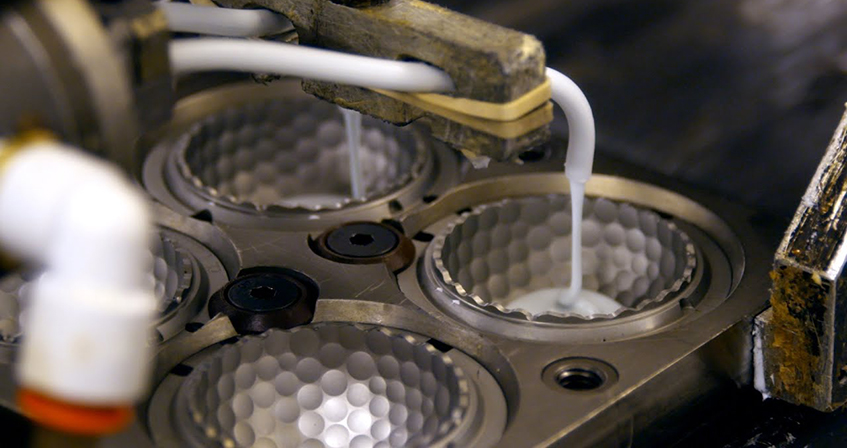
- Cover molding
- Two-piece balls use injection-molded covers. Multi-piece balls often use cast urethane.
- Molds press the cover material around the core or layers.
- Dimpling and finishing
- The ball is placed in a mold that creates dimples and imprints logos.
- Finishes and paints are applied. A clear coat adds durability.
- Final curing and polishing
- Balls go through ovens or UV chambers to cure coats.
- Polishing provides the final smooth finish.
This sequence defines how a golf ball is made from raw compounds to a playable product.

Core technology and why it matters
The core is the energy engine of the ball. Its design changes how the ball compresses and rebounds.
Key points:
- Soft cores compress more, giving more feel on short shots.
- Firmer cores return energy for longer drives.
- Multi-layer cores let designers balance low- and high-speed performance.
When you ask how a golf ball is made to travel farther, core chemistry is often the answer. Experimentation with core blends is a major part of product development.
Cover types and dimple design
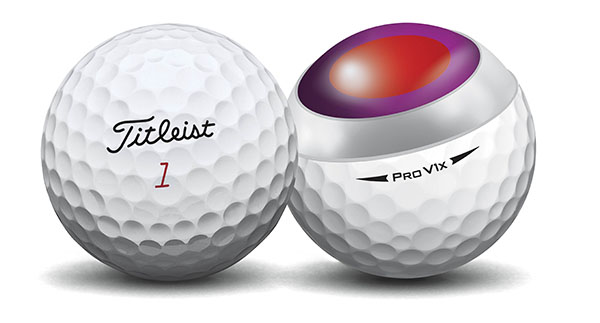
The cover is the contact surface with the club. It greatly influences spin and control.
Cover choices:
- Ionomer covers are durable and common on distance balls.
- Urethane covers offer softer feel and better greenside spin.
Dimple design controls lift and drag. Engineers test dozens of dimple patterns to tune aerodynamics. How a golf ball is made to fly straighter or with more lift often comes down to dimple depth, shape, and arrangement.

Quality control and testing
Manufacturers use strict checks to ensure each ball performs as intended. Quality steps are frequent and measurable.
Common checks:
- Dimensional checks for size and sphericity
- Compression tests to ensure consistent feel
- Spin and velocity testing using robots and launch monitors
- Visual inspections for paint faults and seam defects
These controls answer how a golf ball is made to meet player expectations. Consistent testing keeps performance predictable.
Types of golf balls and how design affects manufacturing
Balls are made for different players. Each type changes how a golf ball is made in the plant.
Examples:
- Two-piece distance balls: simpler build, higher speeds, fewer layers
- Multi-layer tour balls: more manufacturing steps, tighter tolerances
- Specialty balls (soft feel, high spin): require specific cover chemistry and extra QC
Manufacturing time, cost, and testing grow as designs get more complex. That’s why premium balls often cost more.

Environmental impact and recycling
Manufacturing golf balls uses plastics and energy. That raises environmental questions.
Facts to consider:
- Most balls are not biodegradable. Lost balls are a pollution source.
- Recycling programs and research into biodegradable cores exist.
- Makers are reducing solvent use and improving energy efficiency.
Understanding how a golf ball is made helps golfers make greener choices. Buy used balls when possible, and support recycling initiatives.
My hands-on experience and practical tips
I’ve inspected production lines and tested dozens of ball models. I learned a few useful things firsthand.
Lessons learned:
- Small changes in cover mix drastically affect short-game spin.
- Early prototypes often fail dimple tests; iteration matters.
- When testing how a golf ball is made for distance, use consistent launch conditions.
Tips for golfers:
- Match ball type to your swing speed and priorities.
- Don’t assume a pricier ball is always better for your game.
- Try a sleeve of different constructions to feel differences.
These personal notes show practical outcomes of manufacturing choices.
Frequently Asked Questions of how a golf ball is made
What materials are used when explaining how a golf ball is made?
Most golf balls use rubber-based cores and ionomer or urethane covers. Pigments and clear coats finish the surface.
How long does it take to make a single golf ball?
Actual production time per ball is minutes when automated, but development and curing can add hours. Batch processes speed up large runs.
Why do golf balls have dimples and how does that affect how a golf ball is made?
Dimples reduce drag and improve lift. Dimple molds add a critical step to the manufacturing process to ensure consistent flight.
Are multi-layer balls harder to make than two-piece balls?
Yes. Multi-layer balls require extra molding and inspection steps, raising complexity and cost.
Can golf balls be recycled after learning how a golf ball is made?
Some programs recycle or repurpose old balls, but wide-scale recycling is limited. Research into biodegradable materials is growing.
Does the core affect distance in the way a golf ball is made?
Yes. Core composition and compression are key to energy transfer, which directly impacts distance.
Conclusion
You now have a clear view of how a golf ball is made, from material choices to final testing. The process blends chemistry, precision molding, aerodynamics, and quality control to create a tiny object with big performance effects. Try different constructions, pay attention to feel and spin, and use what you learn to pick the right ball for your game. If you enjoyed this guide, leave a comment with your favorite ball or subscribe for more gear breakdowns and hands-on tips.