How Much Is A Golf Simulator: Cost Guide & Buying Tips
A home golf simulator can cost from about $1,000 to over $150,000 depending on setup.
I’ve spent years testing simulators and advising players on budgets and choices. This guide gives a clear, expert view on how much is a golf simulator, what drives price, and how to pick the best option for your skill level and space. Read on to learn realistic price ranges, what you get at each level, and practical tips I’ve learned from real installs.
How much is a golf simulator: price ranges and what to expect
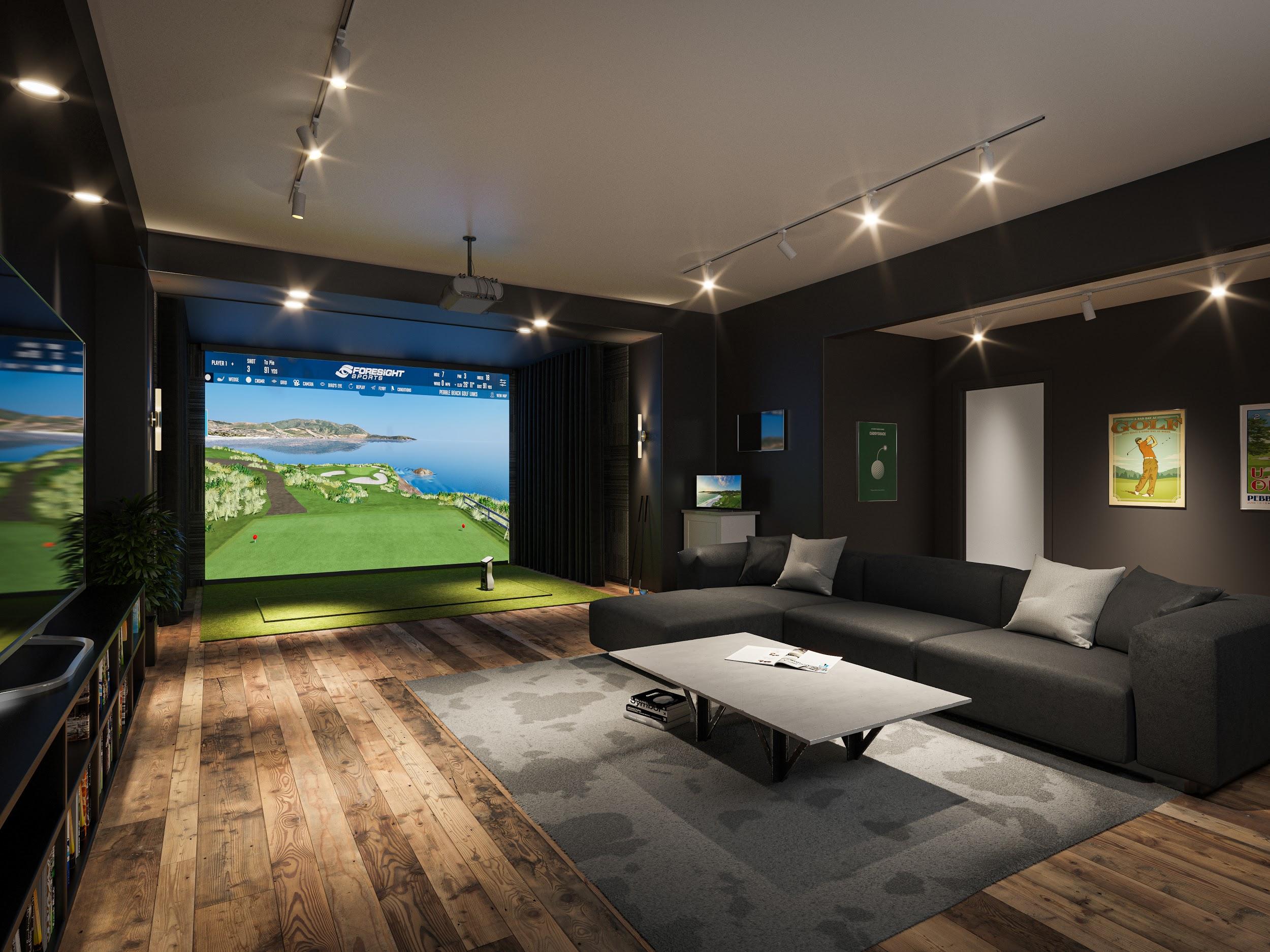
There is no single answer to how much is a golf simulator. Prices vary by hardware, software, space needs, and installation. You can buy a basic setup for home practice or a pro-level system for commercial use.
Typical price bands
- Budget: $1,000 to $5,000. Basic launch monitors, net, mat, and entry-level software. Good for casual practice and swing feel.
- Mid-range: $5,000 to $20,000. Better launch monitors, impact screens, accurate software, and improved integration. Solid for serious golfers.
- High-end: $20,000 to $80,000. High-precision tracking, premium screens, immersive graphics, and pro club-fitting tools.
- Commercial/pro: $80,000 to $150,000+. Multi-sensor rigs, dedicated rooms, pro-grade calibration, and warranty plus service.
What you get at each price point
- Budget setups: Accurate enough for basic practice. May lack club tracking, high frame-rate cameras, or full course visuals.
- Mid-range setups: Reliable data for improvement. Often include ball and club data, replay, and course play.
- High-end and commercial: Tour-level accuracy, advanced analytics, and full realism for playing or running a business.

Key components that determine how much is a golf simulator
Knowing the parts helps explain how much is a golf simulator. Each component adds cost and value.
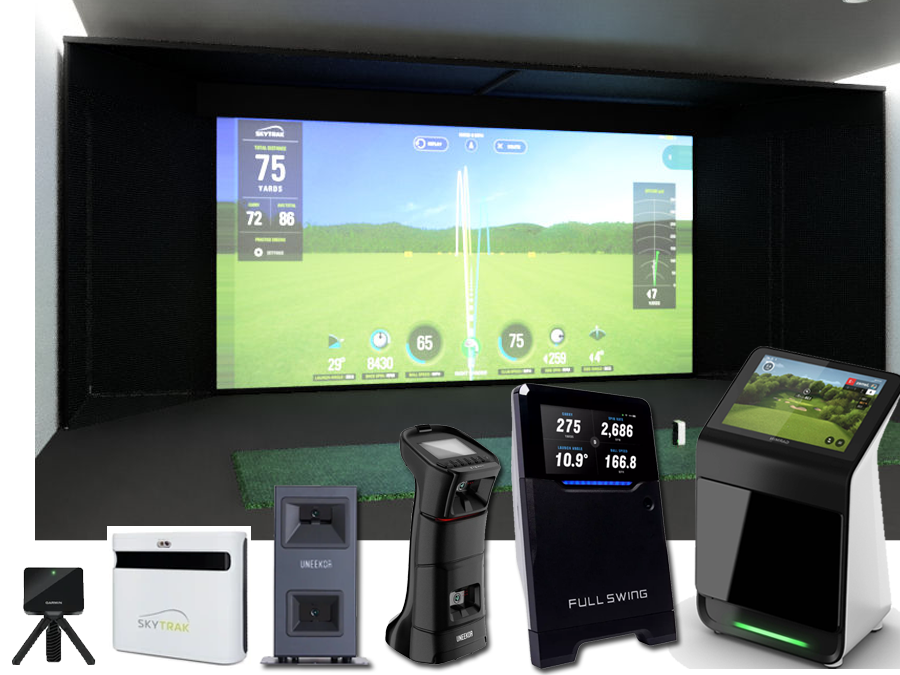
Launch monitor or tracking system
- Optical camera systems and radar-based units both track ball flight. Multi-camera systems track club data more accurately.
- Higher frame rates and more sensors equal better accuracy and higher cost.
Software and course licenses
- Basic software gives practice ranges and simple metrics. Premium software includes thousands of courses and multiplayer play.
- Annual subscriptions or per-course fees can add ongoing costs.
Screens, projectors, and enclosures
- Impact screens and enclosures range from simple nets to heavy-duty screens that handle ball speeds.
- Projector quality affects image clarity. Short-throw projectors cost more but need less space.
Mats, tees, and hitting surfaces
- Mats vary in realism and durability. True-roll mats cost more but feel closer to real turf.
- Replacing cheap mats often costs more over time.
Space and installation
- Room size affects whether you need a short-throw projector or more clearance.
- Professional installation raises costs but avoids structural or calibration issues.
Accessories and maintenance
- Add-on cameras, club-fitting gear, speakers, and lighting improve experience.
- Calibration and part replacements are common ongoing costs.

Types of systems and their price examples
This section breaks down common system types and gives sample price ideas so you can compare.
Portable and budget launch monitors
- Example: Basic radar or doppler units with a net and mat. Cost: $1,000 to $3,000.
- Good for golfers who want portability and low cost.
Integrated home simulators
- Example: Mid-range launch monitor, impact screen, mid-priced projector, and software. Cost: $5,000 to $25,000.
- Good balance of accuracy and realism for home use.
Premium home theaters
- Example: High-end launch monitor, short-throw projector, heavy-duty screen, pro software. Cost: $25,000 to $80,000.
- Near-tour accuracy and immersive play.
Commercial installs and multi-bay studios
- Example: Multiple bays, pro-grade sensors, enterprise licensing. Cost: $80,000 to $150,000+.
- Designed for clubs, centers, and retail fitting.
Examples from my work
- A friend wanted a realistic home setup and spent $18,000 on a mid-range unit. It fit a garage and gave very accurate club data.
- I consulted on a small studio that installed two bays for about $95,000. The business recouped costs in two years.
DIY versus professional installation and running costs
Deciding how much is a golf simulator also means choosing how to install and run it. Each path has pros and cons.
DIY approach
- Lower upfront cost. You can save by assembling components yourself.
- Risks include poor calibration, improper screen mounting, and limited warranty support.
Professional installation
- Higher initial cost. Professionals handle structural, wiring, and calibration work.
- Benefits include correct setup, warranty coverage, and less downtime.
Ongoing expenses
- Software subscriptions add annual fees.
- Replacement mats, bulbs, and occasional calibration add to running costs.
- If used commercially, insurance and service contracts are additional expenses.
Benefits and limitations tied to cost
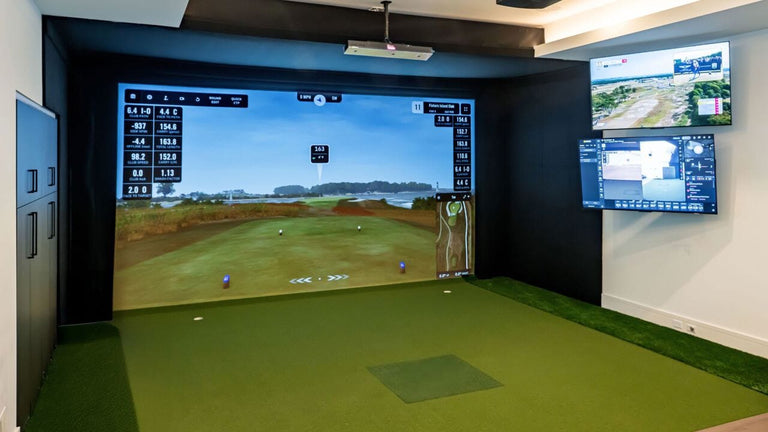
Understanding value helps justify how much is a golf simulator. Higher cost often brings better data and long-term value, but not always.
Benefits of investing more
- Better accuracy for practice and club fitting.
- Higher realism for entertainment and training.
- Greater durability and support.
Limitations and diminishing returns
- Beyond a point, extra price buys small improvements for casual players.
- Space constraints can limit what premium gear can deliver.
- Ongoing fees and maintenance may surprise buyers.

How to choose the right simulator for your goals
Make clear choices so your spending matches your needs. Ask these simple questions.
Questions to guide your purchase
- What is your budget for upfront and yearly costs?
- Do you need portability or a permanent room setup?
- Will you use it for casual practice, serious training, or commercial use?
- How much accuracy do you need for club-fitting or coaching?
Decision path I use with clients
- Casual player: Look at budget units under $5,000 that are easy to set up.
- Serious amateur: Aim for a mid-range system with ball and club tracking around $5,000–$25,000.
- Coach or fitter: Invest in high-end tracking and software. Budget for installation and licenses.
- Business owner: Plan for commercial hardware, support, and licensing plus room fit-out.
My hands-on tips
- Always test a system before buying when possible. Accuracy can differ by brand.
- Factor in space and ceiling height early to avoid costly returns.
- Consider used equipment if you want high-end features on a smaller budget.
Simple buying checklist
Use this checklist when evaluating how much is a golf simulator so you don’t miss hidden costs.
- Confirm the total price includes software and course licenses.
- Check warranty and support options.
- Measure your space and confirm projector and sensor needs.
- Ask about calibration, updates, and subscription fees.
- Test data output and verify key metrics you care about.

Pricing summary and quick comparisons
Here’s a short recap to help you decide how much is a golf simulator for your needs.
- Under $5,000: Good for casual practice and travel. Limited realism.
- $5,000–$20,000: Best value for serious home golfers who want accurate data.
- $20,000–$80,000: Premium home setups with near-tour accuracy.
- $80,000+: Commercial-level systems for businesses and clubs.
Frequently Asked Questions of how much is a golf simulator
How much is a golf simulator for a basic home setup?
A basic home simulator typically costs between $1,000 and $5,000. This range includes a budget launch monitor, mat, net or screen, and entry-level software.
Is $5,000 enough for a good golf simulator?
Yes, $5,000 can buy a solid mid-range setup that offers reliable ball data and good software. Expect better accuracy and features than budget options.
What ongoing costs should I expect after buying a simulator?
Plan for software subscriptions, replacement mats, projector bulbs, and occasional calibration. These costs can be a few hundred to a couple thousand dollars per year.
Can I build a simulator for under $1,000?
You can assemble a very basic setup under $1,000 using a simple launch monitor or mobile app, a net, and a mat. Accuracy and features will be limited.
Do commercial simulators cost more than home systems?
Yes, commercial simulators cost significantly more due to rugged hardware, multi-bay setups, pro-level software, and service contracts. Budgets often start around $80,000 for full installs.
Conclusion
Choosing how much is a golf simulator depends on your goals, space, and wallet. Smaller budgets can still improve your game, while higher investments bring pro-level accuracy and a richer experience. Think about what matters most to you, test systems when possible, and plan for ongoing costs. Ready to pick your setup? Try a demo, list your must-haves, and start with a budget that matches your goals — then upgrade as you grow. Leave a comment with your space and goals, and I’ll help point you to the best options.