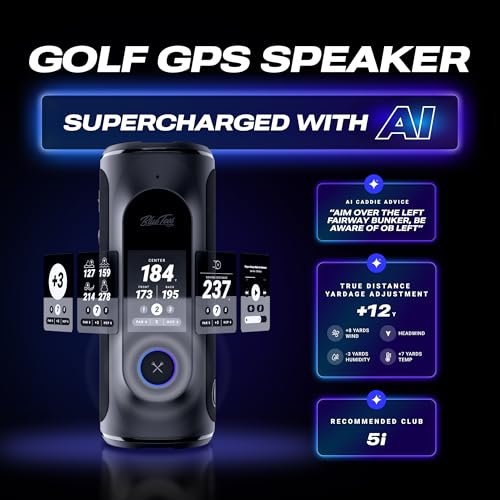
How Much Is A Golf Range Finder: Price Guide & Tips
A quality golf range finder typically costs between $100 and $500, with budget and premium options available.
I’ve tested dozens of devices on public courses and in practice sessions, so I know what drives price and value. This guide breaks down how much is a golf range finder, what features matter, and how to pick the right unit for your game. Read on for clear price ranges, buying tips, and real-world advice to help you spend wisely.

How much is a golf range finder? Overview and price ranges
When people ask how much is a golf range finder, they usually mean what to expect to pay for reliable performance. Prices vary by type and feature set. Expect basic models from about $50 to $120. Mid-range laser and GPS units typically run $120 to $300. Premium models with slope, advanced optics, and target-lock tech cost $300 to $700 or more.
Here’s a simple breakdown:
- Budget: $50 to $120 — Basic GPS apps or entry-level lasers with limited range.
- Mid-range: $120 to $300 — Better optics, faster readings, common features like slope.
- Premium: $300 to $700+ — Pro-level accuracy, wind/tournament modes, top optics.
How much is a golf range finder depends on what you plan to use it for. If you want simple yardages, a lower-cost unit works. If you want pin-locking and tournament-ready tech, plan a bigger budget.
Types of range finders and their typical costs
Knowing the main types helps answer how much is a golf range finder for your needs.
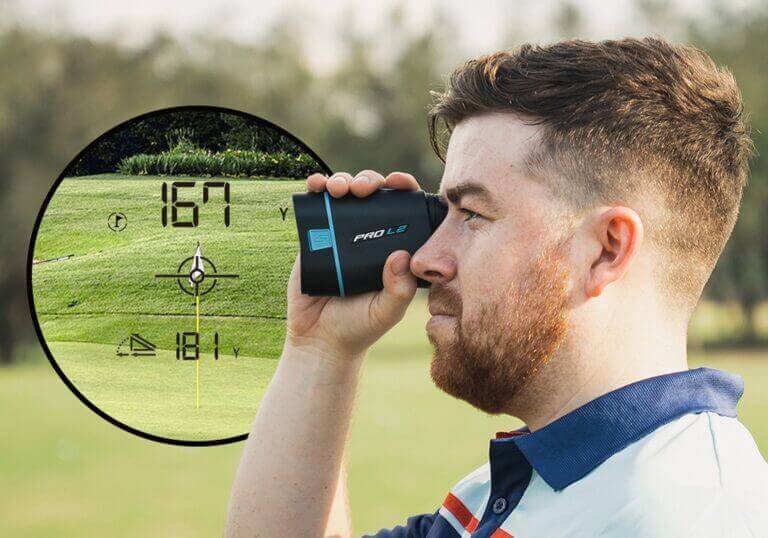
Laser range finders
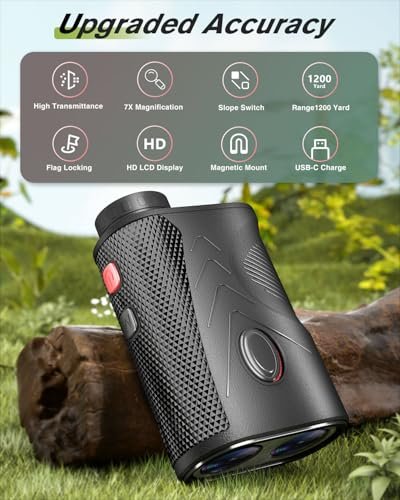
- What they do: Use a laser to measure distance to a target.
- Typical cost: $80 to $600.
- Strengths: Very accurate, long range, fast readings.
- Limits: Needs line of sight; can be tricky on crowded holes.
GPS range finders
- What they do: Use satellite maps to show hole distances.
- Typical cost: $50 to $400.
- Strengths: Easy to use, good for course layout and hazards.
- Limits: Less pinpoint accuracy to flag; depends on course mapping.
Watch-based range finders
- What they do: GPS on your wrist with hole maps.
- Typical cost: $150 to $500.
- Strengths: Hands-free, convenient.
- Limits: Smaller screen, fewer laser features.
Phone apps and attachments
- What they do: Use phone GPS or attachable lasers.
- Typical cost: $0 to $200.
- Strengths: Cheap and flexible.
- Limits: Phone battery, legal limits in tournaments.
Hybrid models
- What they do: Combine laser and GPS features.
- Typical cost: $200 to $700.
- Strengths: Best of both worlds.
- Limits: Higher cost and complexity.
What features drive price and value?
When deciding how much is a golf range finder, focus on features that affect play and longevity.
Accuracy and range
- Higher accuracy and longer ranges boost price.
- Pro units advertise sub-yard accuracy at long distances.
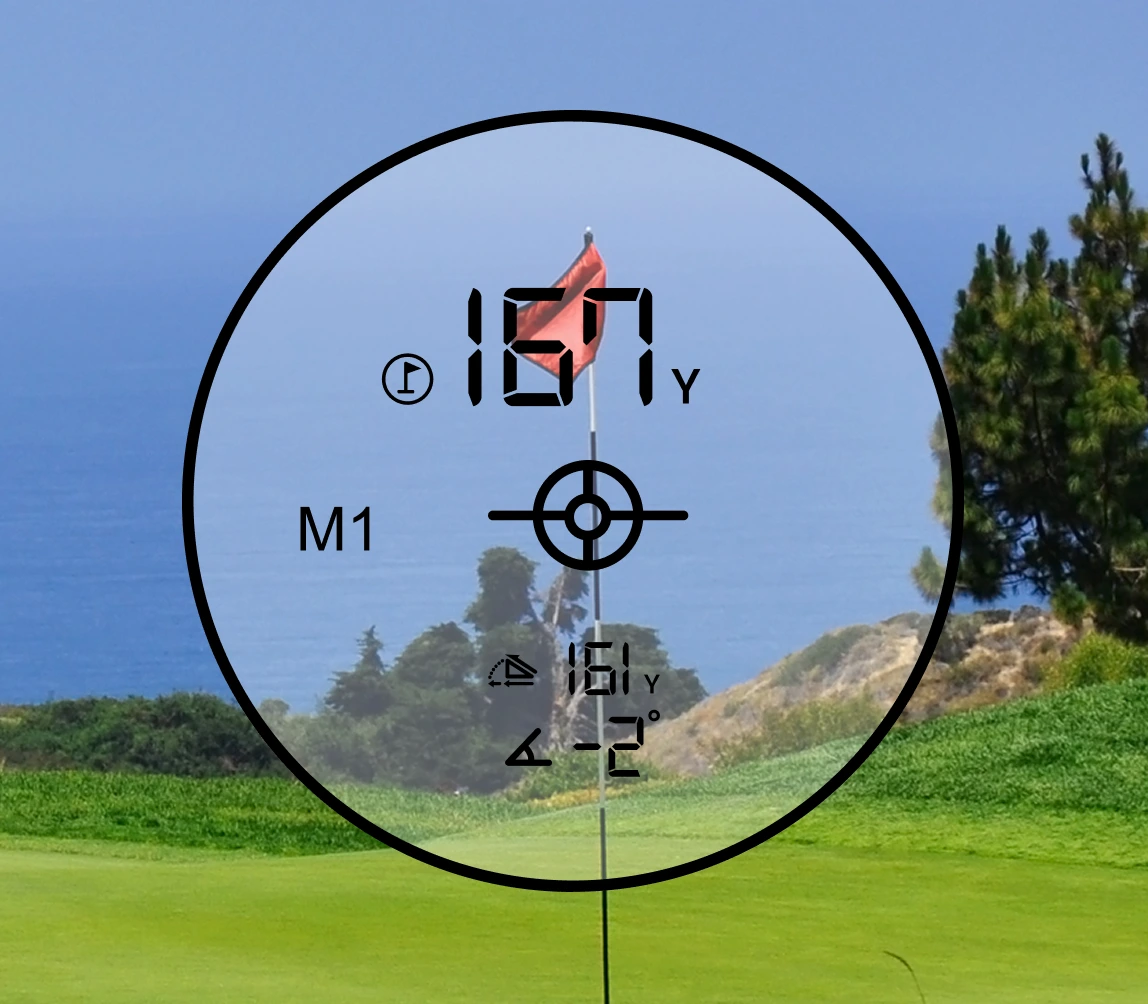
Slope compensation
- Adds elevation correction to yardage.
- Useful on hilly courses; often removed for tournament modes.
Optics and magnification
- Better glass means clearer views and easier pin-locking.
- Higher magnification helps but may raise cost.
Target-lock and vibration
- Helps confirm you’re measuring the flag, not background.
- Premium units use vibration or locking beams.
Build quality and weatherproofing
- Metal bodies and waterproofing add cost.
- Durable units last longer and stay accurate.
Battery type and life
- Rechargeable batteries add convenience and cost.
- Replaceable coin cells keep price down.
Course maps and updates
- GPS units with lifetime updates often cost more.
- Regular map updates improve on-course accuracy.
Brand and warranty
- Established brands often charge a premium.
- Longer warranty and support add trust and value.
Best picks by budget (what to buy at each price point)
If you’re wondering how much is a golf range finder for your budget, here are practical options.
Under $100
- What to expect: Basic laser or simple GPS app.
- Good for: Casual players who want better yardages than guessing.
- Tip: Check return policy; optics may be basic.
$100 to $250
- What to expect: Solid laser units with slope, clear optics.
- Good for: Most weekend players who want accuracy without high cost.
- Tip: Look for target-lock and good customer reviews.
$250 to $500
- What to expect: High-end lasers, hybrid GPS/lidar options, watch units.
- Good for: Serious players who want consistent pin readings.
- Tip: Consider battery type and weatherproofing.
$500 and up
- What to expect: Tour-level gear, best optics, fastest target-lock.
- Good for: Competitors and tech-forward golfers who need top performance.
- Tip: Only buy if you use advanced features often.
How to choose: matching price to play and goals
Deciding how much is a golf range finder starts with your goals. Ask yourself these quick questions:
- Do I need pinpoint pin distance or just hole layout?
- Will I use slope compensation often?
- Do I play in wet or rough conditions?
- Am I playing competitively with gear limits?
Buy to match need, not want. If you play twice a month, a mid-range unit will most likely serve you well. If you play daily and value every advantage, a premium model may be worth the cost.

Personal experience, mistakes to avoid, and practical tips
I’ve used budget and premium range finders across different courses. Here are what I learned.
Real-life lessons
- Cheap optics can slow you down. I once missed a birdie putt because I couldn’t lock the pin quickly.
- Slope is useful in practice, but I turn it off in tournaments.
- Rechargeable batteries are convenient, but bring a backup on long rounds.
Mistakes to avoid
- Don’t buy only on price. Look for field-tested accuracy.
- Avoid models with poor support or limited warranty.
- Don’t ignore ergonomics; comfort matters over 18 holes.
Practical tips
- Try before you buy if a retailer will demo the unit.
- Use a combination of GPS app and laser for best results.
- Keep firmware updated on GPS units for course accuracy.
Where to buy and how to save money
Knowing where to shop affects how much is a golf range finder you end up paying.
Places to buy
- Specialty golf stores: Good demos and returns.
- Big-box retailers: Often run seasonal sales.
- Online marketplaces: Wide range and user reviews.
- Authorized dealers: Best warranties and support.
Ways to save
- Buy during holidays or off-season sales.
- Look for last-year models; features rarely change dramatically.
- Consider certified refurbished units for big savings.
- Trade-in programs can lower cost on upgrades.
Quick questions (PAA-style)
How accurate are range finders?
- Laser range finders are typically accurate to within 1 yard. GPS units vary more, often within 3 to 6 yards depending on mapping quality.
Do I need slope compensation?
- Slope helps on hilly courses by adjusting distance for elevation. Turn it off for official play where rules forbid slope features.
Can I use my phone instead?
- Phone GPS apps give general distances and are budget-friendly. They lack pinpoint laser accuracy and may use more battery.

Frequently Asked Questions of how much is a golf range finder
What is the average cost of a good golf range finder?
A reliable mid-range golf range finder often costs between $120 and $300. This range gives you solid accuracy and useful features like slope compensation.
Are expensive range finders worth the price?
Higher-priced units offer faster readings, better optics, and extra features that help serious players. For casual golfers, mid-range units usually give the best value.
Can I use a range finder in tournaments?
Many tournaments allow range finders without slope. Check local rules. Turn off slope mode if required.
How long do range finders last?
With normal use, quality range finders last 3 to 7 years depending on care. Weather exposure and drops shorten life, so use covers and handle gently.
Is a laser better than GPS?
Laser range finders are more precise to a target. GPS gives better hole layout context. The best choice depends on whether you need exact pin distance or course navigation.
Do cheaper models give accurate readings?
Cheaper models can be accurate at short ranges but may struggle at long distances or with small targets. Compare real-user reviews before buying.
How often should I replace my range finder?
Replace when performance declines or when newer tech offers meaningful improvements you will use. Many golfers upgrade every 3 to 5 years.
Conclusion
Deciding how much is a golf range finder comes down to your needs and how much you value accuracy, speed, and features. Budget units can help casual players. Mid-range models give the best balance of price and performance. Premium units suit competitive players who want every edge. Use demos, read reviews, and match purchase to how you play.
Take action: try a demo at a local shop or test a mid-range model on your next round. If this guide helped, subscribe for gear updates or leave a comment with your priorities and I’ll suggest models that fit your budget.