How Big Is A Golf Ball: Size, Weight & Measurements
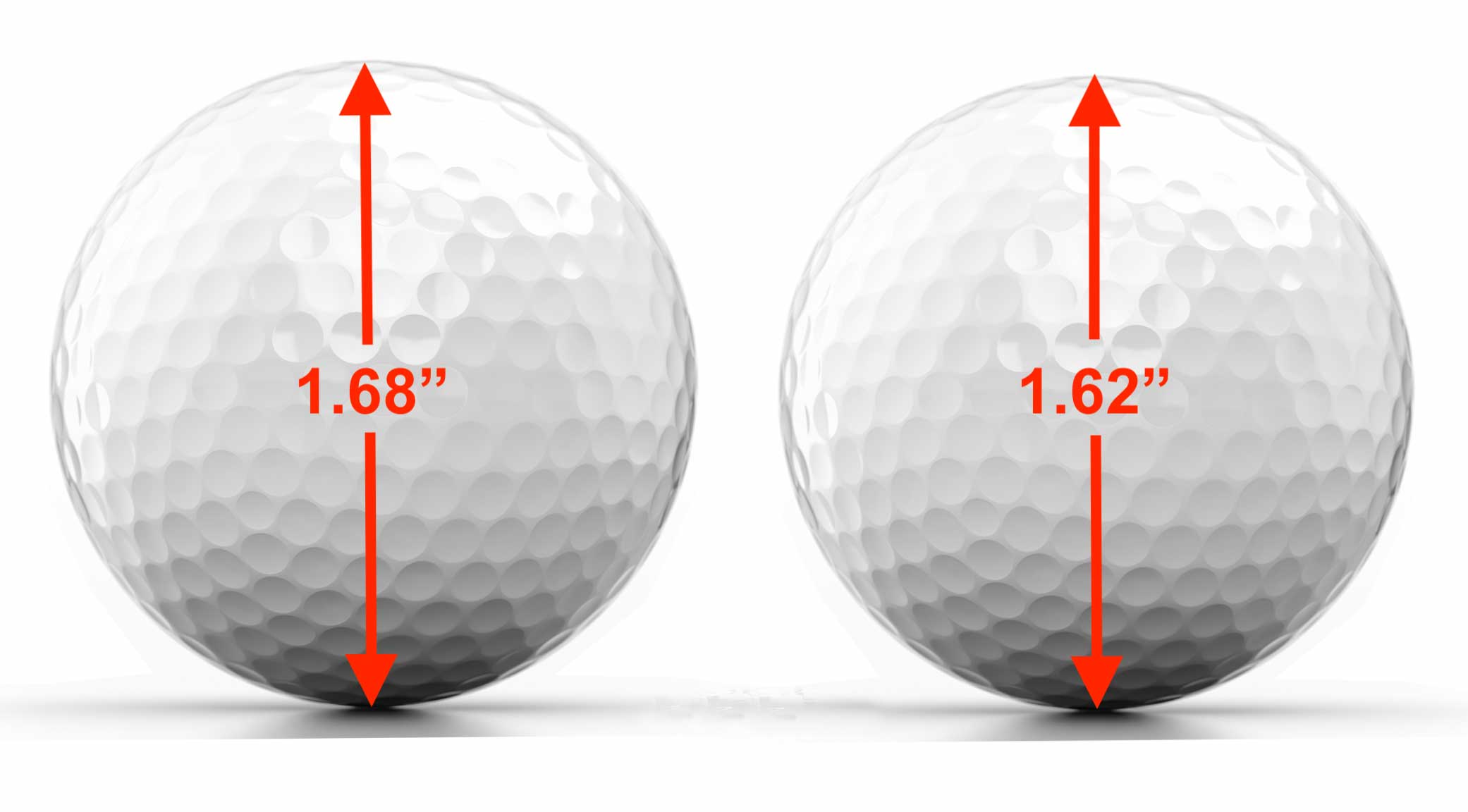
A golf ball is about 1.68 inches (42.67 mm) in diameter and weighs up to 45.93 grams.
I’ve spent years around golf — as a player, tester, and gear writer — so I know the tiny facts that matter. This article explains exactly how big is a golf ball, why that size is set, and what it means for performance. Read on for clear numbers, simple comparisons, testing tips, and real-world notes from my time checking balls on the range and in the shop.
Physical dimensions and official standards
The official answer to how big is a golf ball starts with rules. The Rules of Golf state a ball must have a diameter of not less than 1.68 inches (42.67 mm). The weight must not exceed 1.620 ounces (45.93 grams).
That diameter gives a circumference near 5.28 inches (about 134 mm). The standard volume of a regulation golf ball is about 40.7 cubic centimeters, or roughly 2.48 cubic inches. These limits ensure fairness and consistency across the game.
Why size matters for play
Knowing how big is a golf ball helps you understand flight and feel. Diameter affects air flow and how dimples behave. Small changes around the legal limit would change lift and drag and alter distance a lot.
Manufacturers optimize dimple patterns and cover materials around that fixed size. Players get predictable launch, spin, and roll because size is standardized. That stability is why the rules keep the ball size fixed.
How golf balls are measured and manufactured
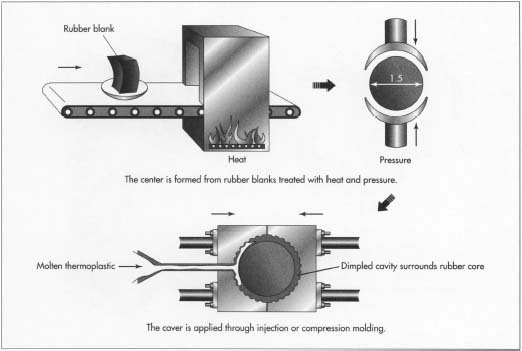
To answer how big is a golf ball in practice, manufacturers use precise gauges and calipers. Each ball is checked for diameter, sphericity, and weight. Production tolerances are tight so every ball meets the rule limits.
Balls are molded or wound, then finished with a cover and dimples. Quality control includes visual inspection and machine measurement. Labs may test hundreds of balls per batch to ensure consistent size and performance.

Comparing a golf ball to everyday objects
If you still wonder how big is a golf ball by sight, here are quick comparisons that help.
- Ping-pong ball: about 40 mm. A golf ball is slightly larger, by roughly 2.7 mm.
- A quarter coin: about 24 mm across. A golf ball is much bigger than a quarter.
- A lime or small plum: close in size, though limes can be irregular.
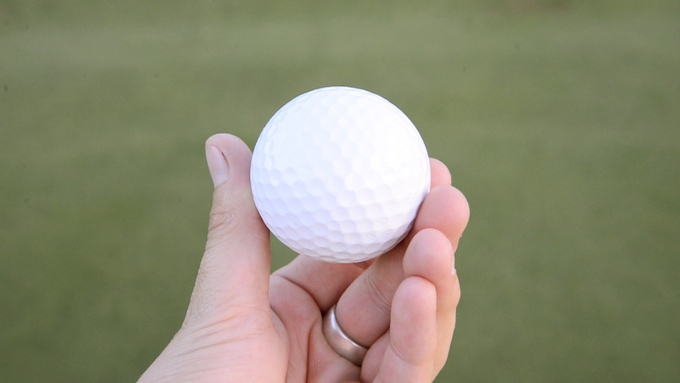
These comparisons make the size easy to picture. On the course, a golf ball looks compact but packs a lot of engineering into that small shell.

Practical tips for golfers and common misconceptions
Many golfers ask if there are different-sized golf balls. The short answer: no, regulation play uses one size. Specialty or novelty balls may vary, but they aren’t legal for tournament play.
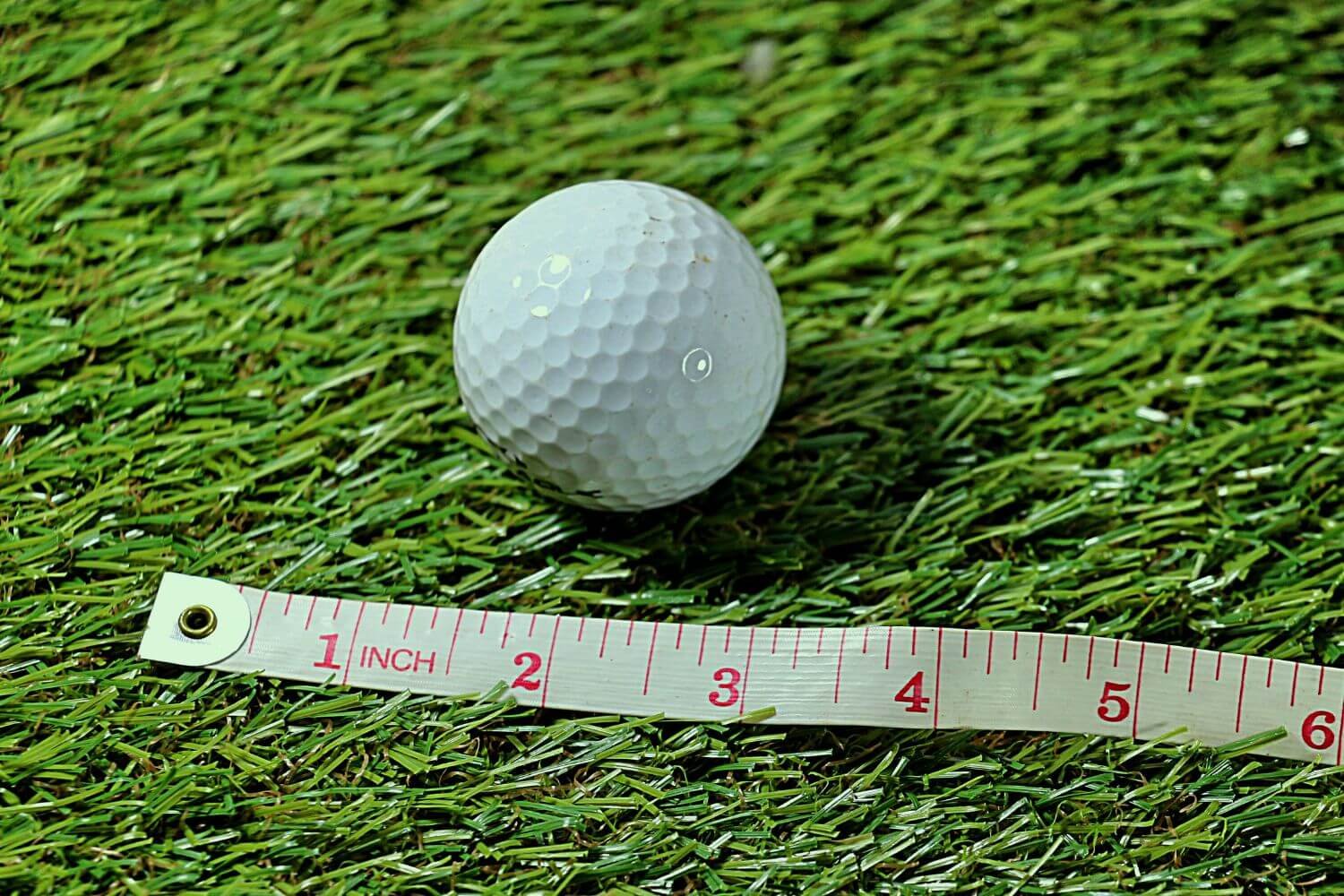
If you want to test how big is a golf ball for yourself, use a caliper or tape and check diameter and weight. I’ve done this on the range to confirm older balls still meet specs. Often a scuffed ball keeps its size but may perform worse due to surface damage.
Choose balls by feel, spin, and launch, not size. Size is fixed, so focus on cover type, compression, and dimple design for performance gains.
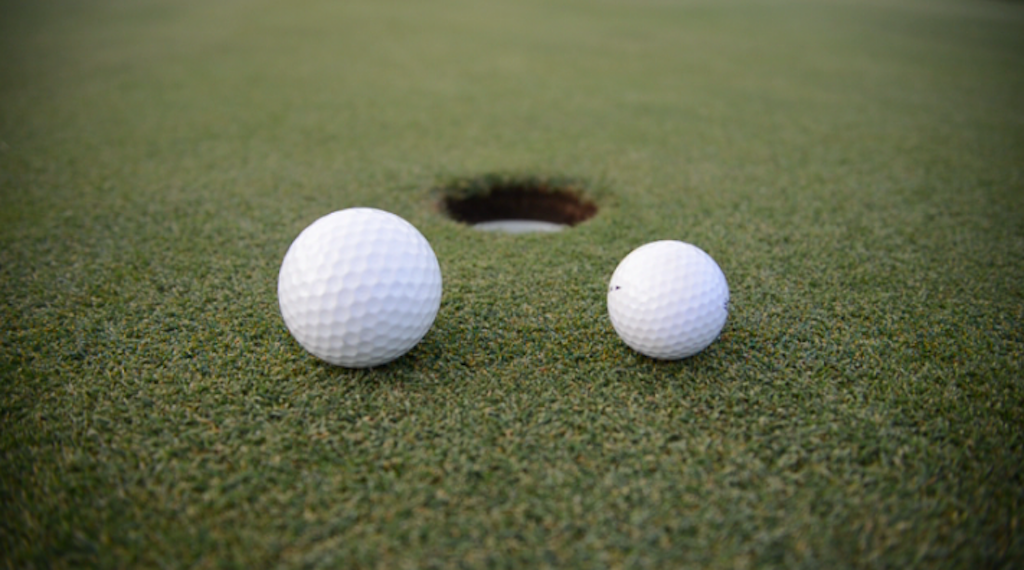
Frequently Asked Questions of how big is a golf ball
What is the exact diameter of a golf ball in inches and millimeters?
A regulation golf ball must measure at least 1.68 inches, which is 42.67 millimeters. That is the official minimum diameter used in play.
How heavy is a standard golf ball?
A golf ball must not weigh more than 1.620 ounces, or 45.93 grams. Manufacturers design balls to stay under this weight limit.
Do golf balls come in other sizes for casual play?
Yes, novelty and practice balls can be smaller or larger. These are not allowed in official tournaments and may fly differently.
Does ball size affect distance and control?
Size is fixed by rule, so other factors like dimple design, cover material, and compression mainly affect distance and control. Even tiny surface changes change how a ball reacts in flight.
How do manufacturers test the size of a golf ball?
They use calipers, gauge blocks, and automated inspection machines. Quality labs measure diameter, weight, and roundness to ensure conformity.
Can a damaged ball change size over time?
Damage rarely changes diameter in any meaningful way. Cuts and scuffs affect aerodynamics more than size, which can reduce distance and worsen spin control.
Conclusion
Understanding how big is a golf ball gives you a clearer view of why the game feels and plays the way it does. The rules lock in diameter and weight so makers can fine-tune dimples, covers, and construction for real benefits. If you play, test balls by feel and specs. If you tinker, keep a caliper handy and compare older balls to new ones.
Try this next time you’re at the course: check a ball’s size, then hit a few shots and note the feel and distance. Share your findings in the comments, subscribe for more gear tips, or ask a question below — I’d love to hear about your experience with golf balls.