How Much Does A Golf Ball Weigh: Standard Weight Guide
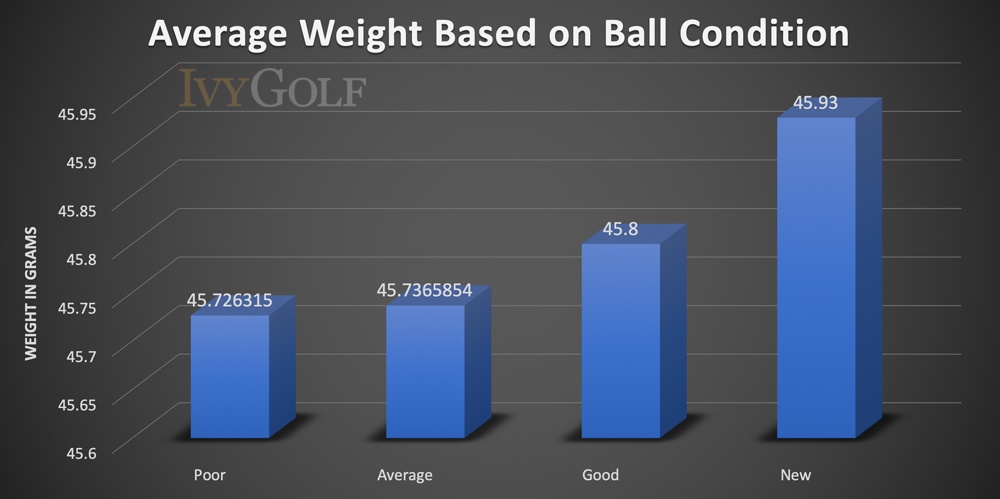
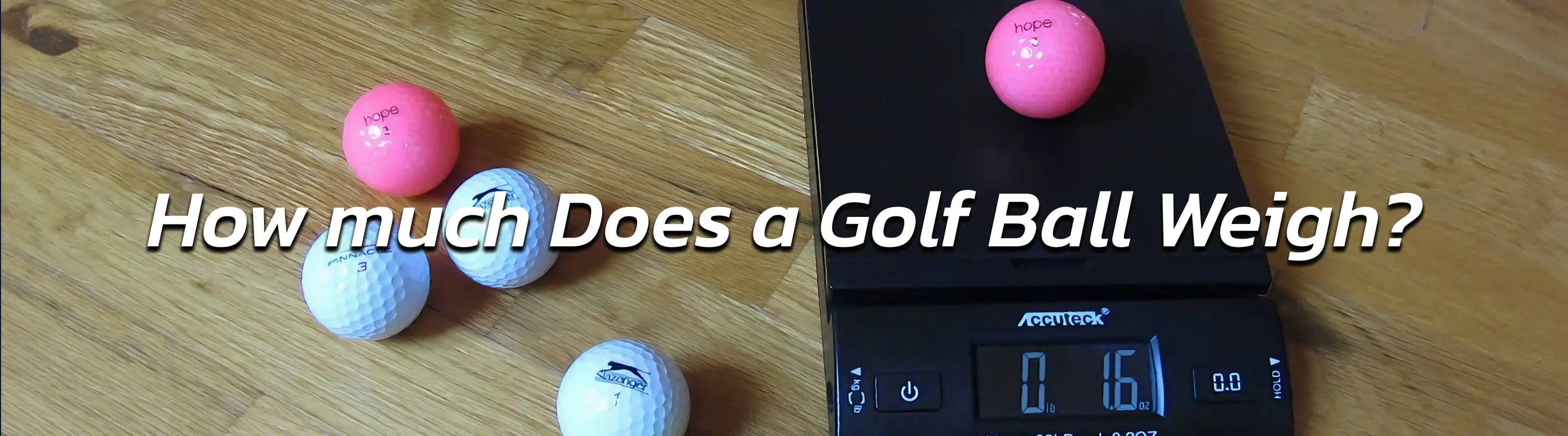
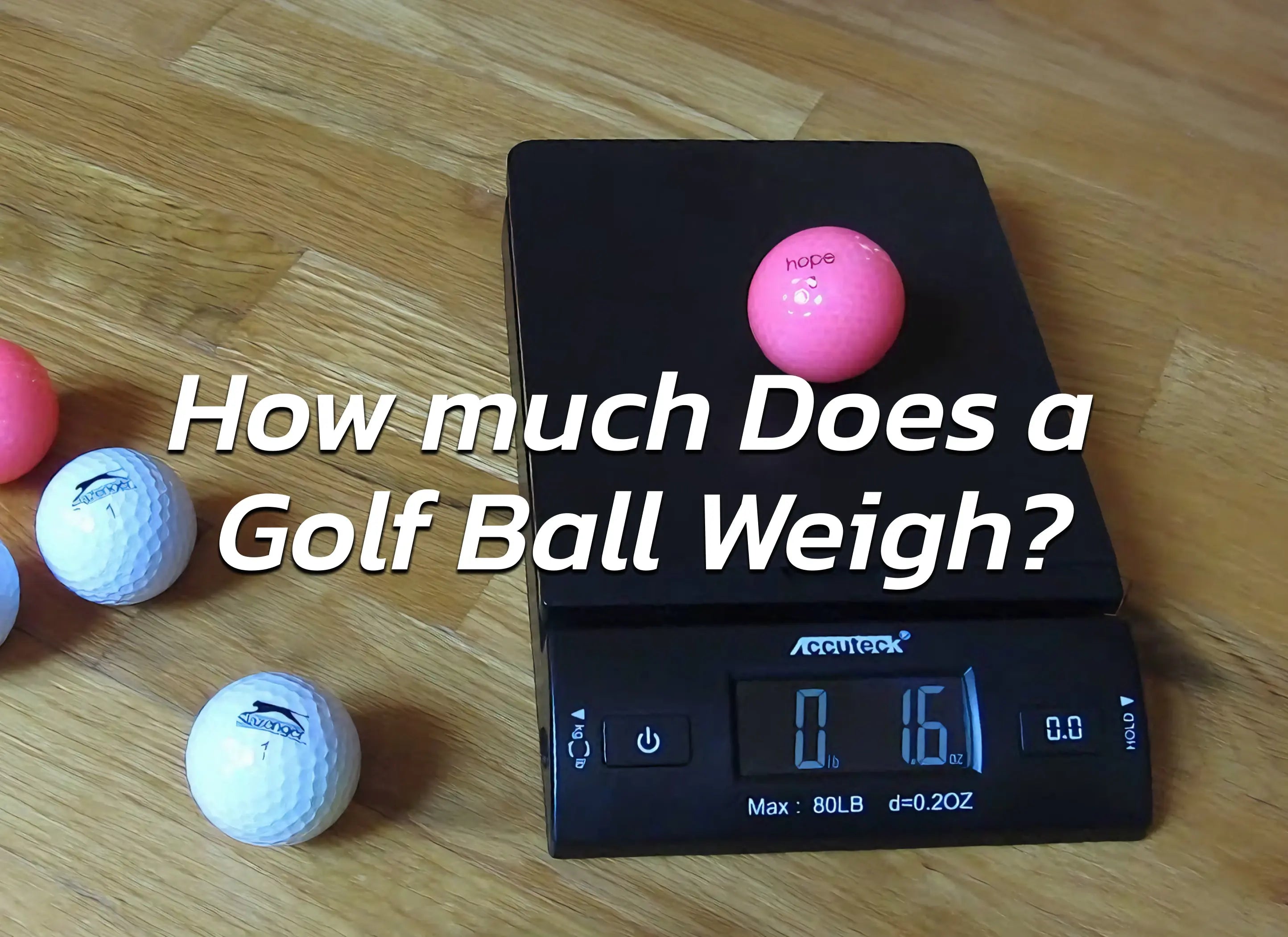
A standard golf ball weighs 1.62 ounces (45.93 grams) or less, per official rules.
I’ve worked with golfers, coaches, and gear techs for years, so I know the small details matter. This article digs into how much does a golf ball weigh, why that number exists, and what it means for your game. You’ll get clear rules, real-world testing notes, and simple tips to pick the right ball. Read on to understand weight, feel, and performance without the jargon.

Official weight standards and definitions
The governing bodies set the rule. A golf ball must not weigh more than 1.62 ounces. That equals 45.93 grams. The rule ensures fairness in competition and consistency in play.
Manufacturers design balls to meet this limit. Most tour and retail balls sit right at or just under 1.62 ounces. Some practice or novelty balls fall outside that range and are not legal for competition.
Why the rule matters:
- Keeps play fair across courses and players.
- Makes ball performance predictable for players and equipment makers.
- Helps maintain safety and course integrity.

How weight is measured and reported
Weight is measured on precise scales in controlled settings. The USGA and R&A test mass and diameter during approval. Manufacturers report grams and ounces on specs and marketing pages.
Common labels you will see:
- 1.62 oz or 45.93 g for competition-grade balls.
- Slight rounding differences in marketing can appear, but the legal limit is exact.
- Practice balls sometimes list approximate weight only.
Why weight matters to performance
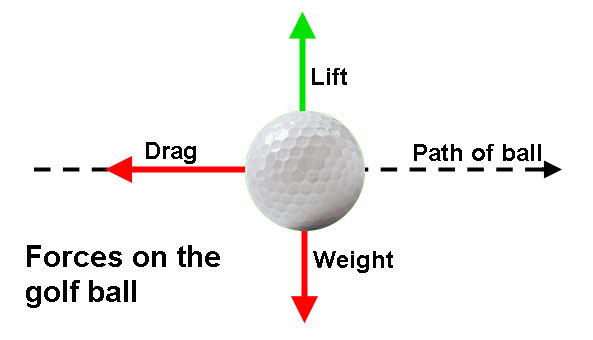
How much does a golf ball weigh affects flight, spin, and feel. Heavier mass can increase momentum. That can slightly change launch and carry.
Key performance effects:
- Flight stability: A ball near the limit resists wind better than a lighter ball.
- Feel: Weight changes are subtle; feel mainly comes from compression and cover material.
- Distance: Differences due to weight alone are usually small. Swing speed, launch angle, and spin dominate distance.
Practical takeaway: small weight changes rarely beat improvements in swing or contact.
How manufacturers control weight and design choices
Manufacturers balance core size, layer count, and cover materials to hit the weight target. They tune density and thickness rather than changing total mass much. That keeps the ball legal while shaping feel and spin.
Design levers include:
- Core composition and density.
- Number of layers and their materials.
- Cover thickness and dimple design.
These elements let companies make soft-feeling balls, high-spin balls, or long-distance balls — all still within the same weight limit.
Common misconceptions about weight
Many players think heavier balls always fly farther or that lighter balls are weak. The truth is subtler. How much does a golf ball weigh matters, but it is only one factor.
Myths and realities:
- Myth: A heavier ball always wins in wind. Reality: Weight helps, but aerodynamics and spin matter more.
- Myth: Heavier equals more distance. Reality: Launch conditions and energy transfer matter most.
- Myth: Feel equals weight. Reality: Compression rating and cover material create feel.

Practical tips for choosing a ball based on weight and feel
Pick a ball for your swing and goals, not just weight. Most good balls meet the legal weight. Focus on these points.
Tips:
- Choose a ball that matches your swing speed and desired spin.
- Try balls in a short session to compare feel and distance.
- Use legal-weight balls for tournaments and practice rounds if you want consistency.
- Don’t obsess over tiny weight differences. Improve contact and launch first.
My experience testing golf ball weight and performance
I’ve tested dozens of ball models on launch monitors and on-course. I saw very small distance shifts when comparing balls at legal weight. The biggest gains came from better spin control and consistent contact.
What I learned:
- Proper contact beats a slightly heavier ball every time.
- In windy conditions, I preferred balls with tighter spin control rather than just “heavier” marketing claims.
- Practice with the ball you play in competition for consistent feel.

PAA-style quick questions and concise answers
What is the maximum weight allowed for a golf ball?
The official maximum is 1.62 ounces (45.93 grams). Balls heavier than that are not legal for competitive play.
Do lighter golf balls fly farther?
Not necessarily. Lighter balls may launch differently, but distance depends more on spin and launch angle than tiny weight changes.
Are practice balls usually the same weight as real balls?
Some are, but many practice or foam balls are lighter. Check the label if you want realistic practice.
Do golf ball weights vary between brands?
All major brands aim for the legal limit. Variations are tiny and come from design choices, not brand differences.
Can weight affect feel off the putter?
Feel on the green depends more on core and cover than on tiny mass differences, though some players sense small changes.

Frequently Asked Questions about how much does a golf ball weigh
What is the exact weight limit for a golf ball?
The exact limit is 1.62 ounces or 45.93 grams. Any ball above that is not legal for official play.
How does weight affect ball flight?
Weight influences momentum and wind resistance, but aerodynamics and spin are larger factors. The effect of small weight changes is minor.
Are there golf balls lighter than the legal limit?
Yes. Some novelty and practice balls are lighter. Competition balls usually sit just under the legal limit.
Should I choose a ball based on weight alone?
No. Choose based on feel, spin, launch, and how it suits your swing. Weight is only one small variable.
Can I weigh my golf ball at home?
Yes, with a precise scale. Consumer scales may not be accurate enough, so expect small measurement error.
Conclusion
Knowing how much does a golf ball weigh gives you clarity. The official cap is 1.62 ounces (45.93 grams), and most quality balls meet that standard. Focus on consistent contact, the right ball construction, and testing to find what works for your swing. Try a few models, use a launch monitor if possible, and pick the ball that feels best and produces the results you want. If this helped, leave a comment with your favorite ball or subscribe for gear tests and simple tips.