Putting Stroke Arc: Master Your Path For Consistent Putting
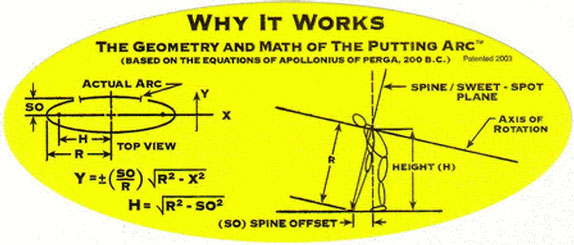
A putting stroke arc is the gentle curved path your putter head follows through the ball to the hole.
I’ve spent years testing strokes on practice greens and with launch monitors, coaching golfers from weekend hackers to club champions. This guide explains what the putting stroke arc does, how to find your ideal arc, and step-by-step drills I’ve used to improve consistency and make more putts. You’ll get clear definitions, easy drills, setup tips, and common mistakes to avoid so you can shape a reliable putting stroke arc that fits your eye and body.

What is a putting stroke arc?
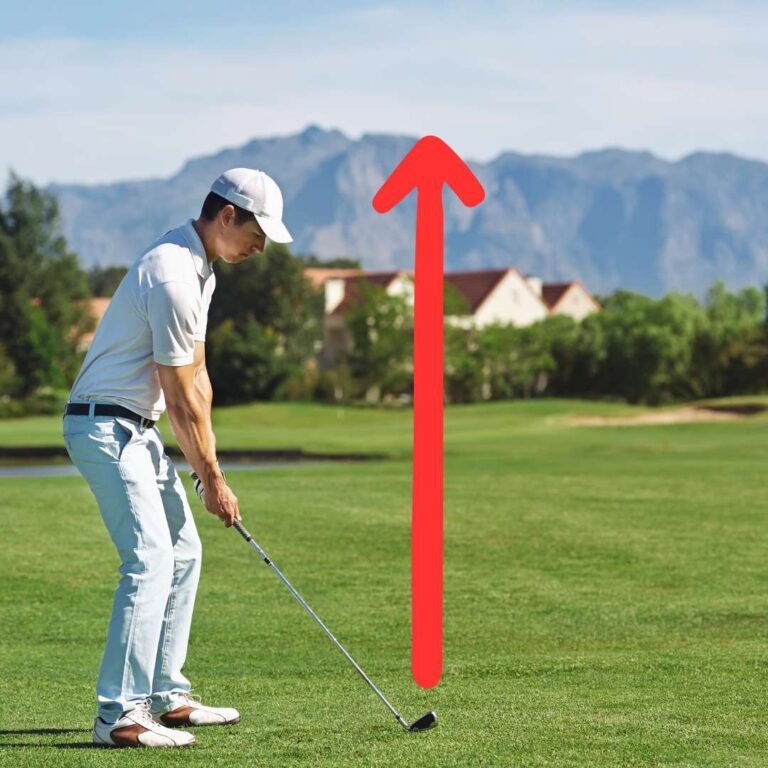
A putting stroke arc is the path the putter head travels from takeaway through follow-through. The arc can be straight, inside-out, or outside-in. Each arc affects face angle at impact and the initial roll of the ball.
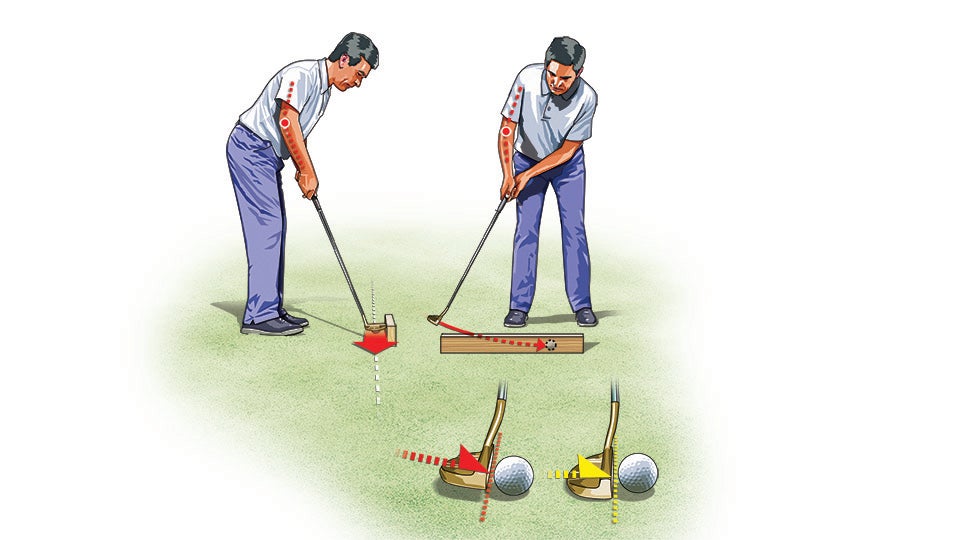
A neutral arc means the putter face returns square to the target line at impact. A strong inside arc often pairs with a face that closes through impact. An outside arc often leads to an open face at impact unless countered by wrist or body rotation. Understanding the arc helps you control direction and pace.

Types of putting stroke arcs and how they affect roll
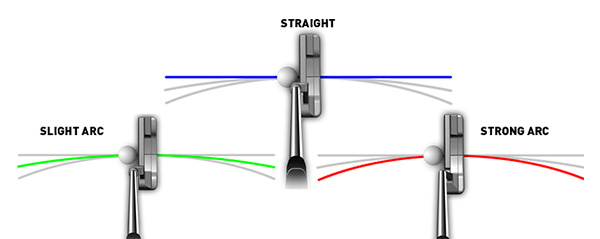
There are three common arc types. Each has distinct feel and ball behavior.
- Straight-back-straight-through arc: The putter moves almost on a single line. This minimizes face rotation and is easy to align. Many short-game instructors prefer it for short putts.
- Slight inside-to-square-to-inside arc: The putter takes a small arc away and returns square. This is the most common natural arc for people who hinge the wrists slightly. It provides a consistent release and good forward roll.
- Pronounced inside-to-outside arc: The putter comes well inside the target line and pushes out through impact. This arc often helps smooth longer strokes but needs face control to avoid misses.
How the arc affects roll:
- A square return keeps initial ball direction true.
- Face rotation during an arc affects sidespin and can cause early skidding.
- Smoother arcs promote true roll sooner, improving distance control.
How to measure and analyze your putting stroke arc
You can analyze the putting stroke arc with simple tools or tech. Use a mirror, alignment sticks, and phone video to start. For deeper analysis, a launch monitor or high-speed camera shows face angle and path.
Step-by-step simple test:
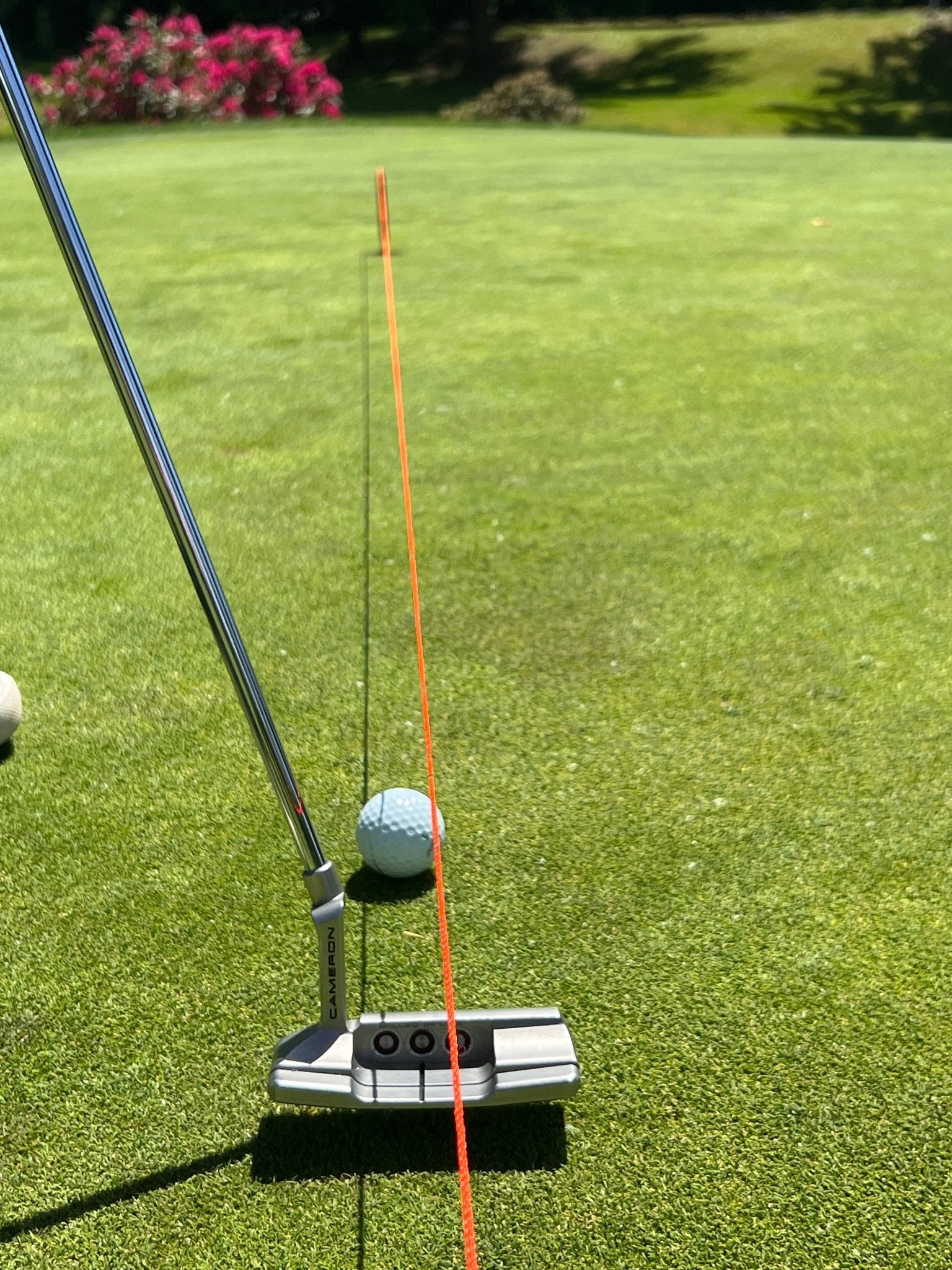
- Set an alignment stick on the target line.
- Place another stick parallel just outside the putter path.
- Record a few strokes from the face-on and overhead angles.
- Watch where the putter head travels away and back.
Key numbers to note:
- Path direction at impact (inside, square, outside).
- Face angle at impact (open, square, closed).
- Stroke length and tempo.
My experience: filming three putts tells you far more than feel. Players often think they use a straight stroke, but video reveals a subtle arc that changes their aim.
Common problems and fixes for putting stroke arc
Many putting errors stem from mismatched arc and setup. Here are frequent issues and practical fixes.
- Problem: Putter path too outside, causing open face misses.
- Fix: Move eyes slightly left of the ball and feel a more inside takeaway. Practice short strokes with a gate to guide path.
- Problem: Excessive inside arc with closing face.
- Fix: Reduce wrist break and focus on body rotation. Use a single pendulum motion from the shoulders.
- Problem: Inconsistent arc on long putts.
- Fix: Control tempo and use longer follow-throughs. Mark a spot on the mat to replicate finish positions.
Practice tip: Small changes in setup alter the arc. Move the ball position forward or back one inch and test. Note how the putting stroke arc shifts.

Drills to develop the ideal putting stroke arc
These drills helped my students lower three-putts and gain confidence. Keep strokes short and repeatable when practicing.
- Gate drill for path control
- Place two tees slightly wider than the putter head on the takeaway side.
- Practice strokes that pass cleanly between the tees to encourage a correct path.
- Pencil-roll drill for face control
- Lay a pencil along the target line.
- Roll the ball keeping it close to the pencil to teach square contact and early roll.
- Mirror or alignment stick drill for arc awareness
- Use a mirror or record overhead to check the arc.
- Make tiny adjustments until your arc returns square at impact.
- Tempo-count drill
- Count “one-two” on the stroke to fix timing.
- Use a metronome app for consistency.
I used the gate drill for two weeks and reduced my left misses by half. Small, targeted drills build muscle memory fast.
Equipment, setup, and alignment tips
Equipment and setup play big roles in shaping a consistent putting stroke arc. Choose gear and alignment that match your natural arc.
- Putter lie and length
- A putter that is too long or short forces awkward shoulders and changes arc.
- Try a measured fitting or bend to achieve a natural arc.
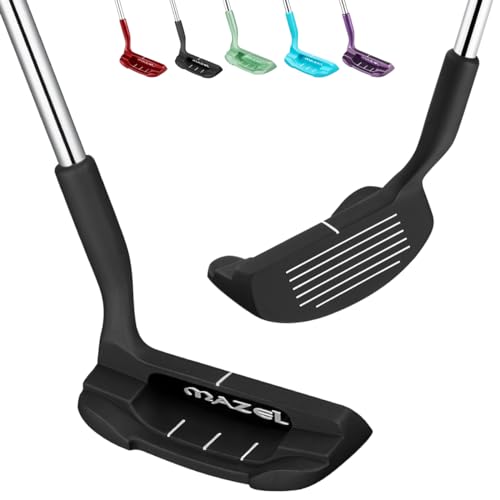
- Face-balanced vs. toe-hang putters
- Face-balanced putters suit straighter arcs.
- Toe-hang putters match natural inside arcs and can help close the face smoothly.
- Ball position and stance
- Ball too far forward promotes an outside path.
- Ball centered or slightly forward supports a neutral arc.
- Eye position
- Eyes over or just inside the ball often help alignment and reduce path variance.
Tip from the bag: don’t force a new arc by switching putters too often. Test changes slowly and keep a notebook of results.
Reading greens and adjusting your putting stroke arc
Green reading interacts with your arc. Some slopes nudge you toward certain stroke choices.
- Uphill putts
- Require more force. Maintain a smooth, slightly longer backswing while keeping the arc consistent.
- Downhill putts
- Demand softer contact and controlled arc to avoid runaway putts.
- Sidehill or breaking putts
- Aim and arc must work together. Match your arc to the line you trust and make minor speed adjustments.
Play to your arc. If you have an inside arc that produces a gentle right-to-left release, aim to align that release to break lines rather than fighting it.
Frequently Asked Questions of putting stroke arc
What is the ideal putting stroke arc for most amateurs?
Most amateurs benefit from a slight inside-to-square-to-inside arc. It pairs well with natural shoulder motion and keeps the face square at impact.
Can a straight putting stroke arc work for everyone?
Yes. A straight-back-straight-through arc can work well, especially for short putts, but it may feel forced for players with natural wrist hinge.
How do I know if my putter face is closing during the arc?
Record face-on video or use a mirror. If the face angle rotates toward the ball as you approach impact, it is closing.
Should I change my putter to match my arc?
Fitting helps. Face-balanced putters suit straighter arcs while toe-hang putters help players with inside arcs. Try both before changing.
How long does it take to change my putting stroke arc?
Small changes can show improvement in weeks with consistent drills. Major changes may take months and can be risky during competition.
Conclusion
The putting stroke arc is a small detail with big payoffs. Learn your natural arc, test simple drills, and match equipment and setup to that arc. Start with short drills, film your stroke, and make one change at a time to build confidence.
Take action: try the gate and pencil drills this week, note improvements, and leave a comment with your results.