Iron Swing Path: Improve Accuracy With Simple Drills
An iron swing path is the clubhead’s route through the ball’s impact zone.
I have coached and played for years, testing swings on the range and on course. This article explains what an iron swing path is, why it matters, and how to find and fix yours. I blend clear how-to steps, real-world drills, and lessons from my own practice to help you shape a repeatable iron swing path that makes more solid contact and better ball flight. Read on to learn practical tips you can use today.

Understanding the iron swing path
An iron swing path is the line the clubhead follows before, at, and after impact. It sets the clubface approach angle and affects spin, launch, and shot shape. A small change in path can turn a good shot into a thin, fat, or hooked shot. Learning the basics helps you aim practice and drills with purpose.

Why the iron swing path matters
The iron swing path controls where the club meets the ball. A neutral path that matches the target line gives straighter shots and solid contact. An inside-out path tends to draw or hook the ball, while an outside-in path leads to slices or pulls. If you want more consistency and fewer mystery shots, the path is a key place to start.
Common iron swing path patterns and their causes
Most golfers show one of a few common paths. Here are the patterns and likely causes.
- Inside-out path — Often caused by swinging the hands ahead at impact or an early hip turn.
- Outside-in path — Common with over-the-top moves, poor sequencing, or casting the club.
- Neutral path — The goal; achieved with good sequencing and a square clubface at impact.
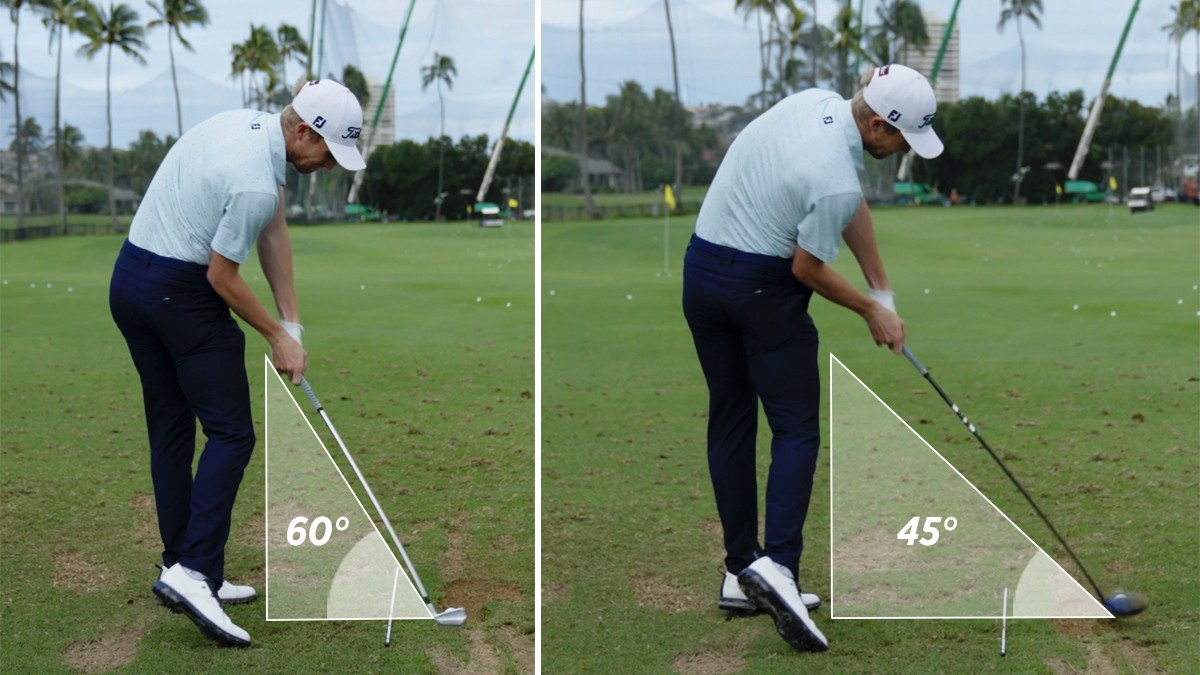
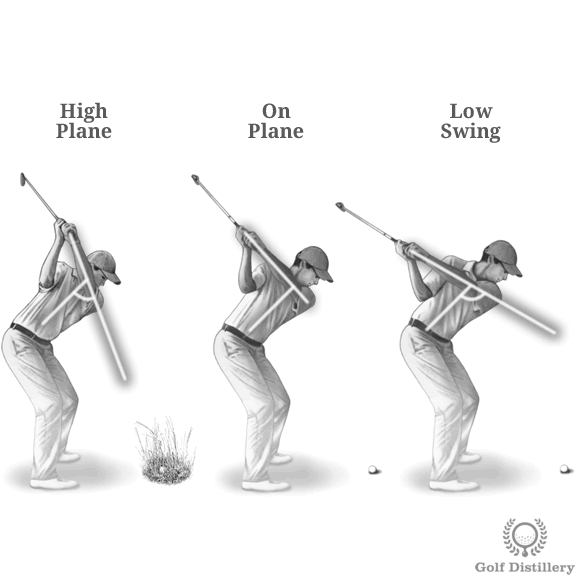
- Shallow or steep paths — Can come from posture, ball position, or shoulder tilt.
Understanding which pattern you show helps pick the right drills and fixes. I used video to spot my own outside-in move and fixed it with a simple drill in two weeks.

How to diagnose your iron swing path
You can check your iron swing path with simple tools and tests. Use these steps to find your pattern.
- Foot spray or impact tape — Spray the clubface to see where you hit the ball and infer the path.
- Slow-motion video — Film from down the line and face-on to watch the clubhead route through the ball.
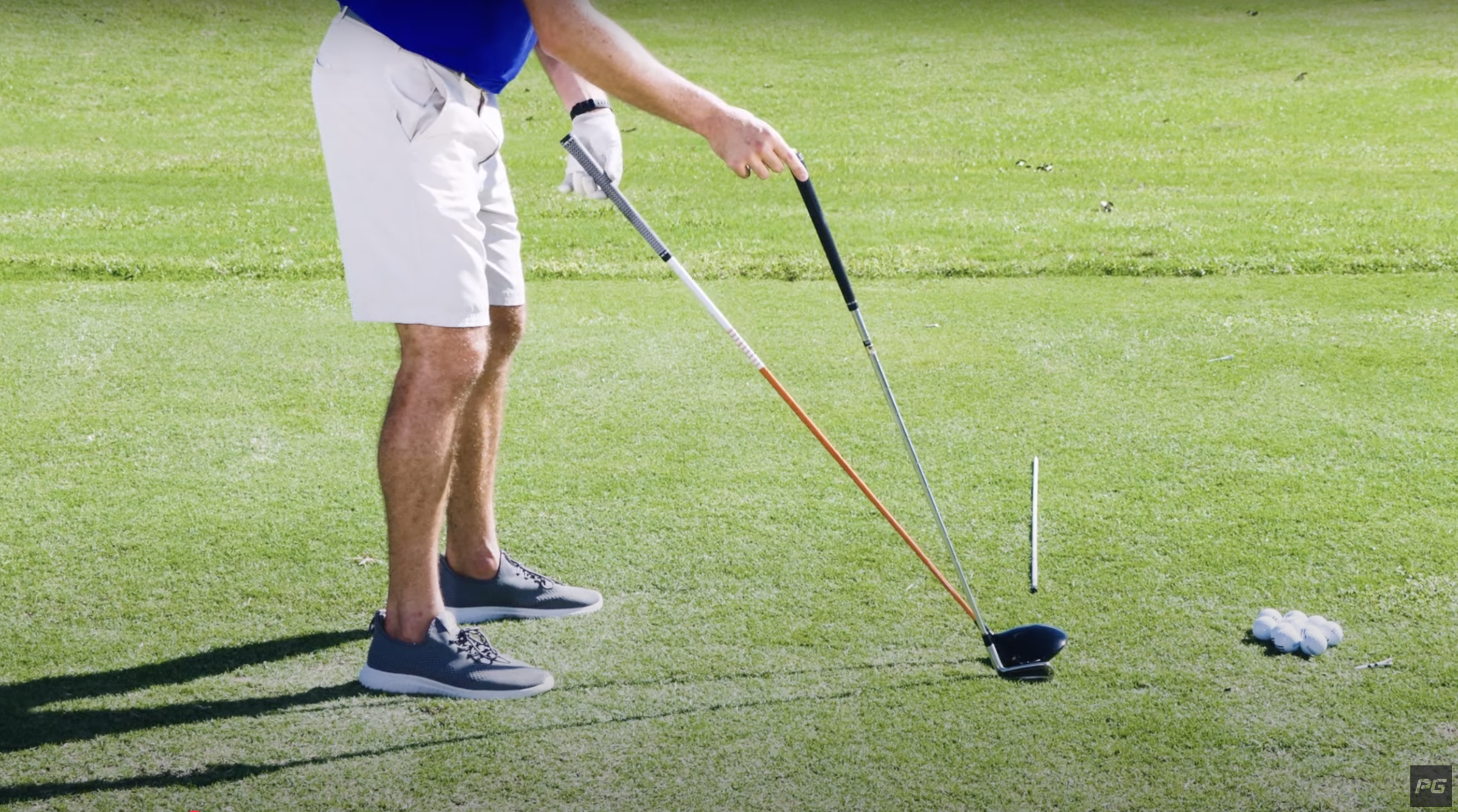
- Alignment rods — Place one rod pointing at the target and another on the expected path to visualize swing plane.
- Ball flight test — Hit shots with different goals. A consistent fade or slice suggests outside-in. A draw suggests inside-out.
Do these checks over several swings to spot a pattern. I recommend filming three full swings, then comparing them to see the repeatable path.
How to fix and train a better iron swing path
Fixing your iron swing path takes deliberate practice and a few reliable drills. Try this routine.
- Gate drill — Set two tees just outside the clubhead path and swing through without touching them.
- Pause-at-halfway drill — Swing to halfway back, pause, then swing through slowly to feel sequence.
- Impact bag or towel drill — Hit a soft bag or towel to feel forward shaft lean and a downward strike.
- Alignment swing drill — Use a rod on the ground to guide the takeaway and ensure swing starts on plane.
Practice these drills in short, focused sessions. I used the pause drill three times a week and saw my iron swing path become more neutral in six sessions. Keep notes on each session so you can track progress.

Equipment and setup considerations for the iron swing path
Small setup changes change the path you repeat. Check these items before altering your swing.
- Ball position — Move the ball slightly back for a steeper, more downward path on short irons.
- Stance width — Wider stances can limit hip turn and affect the path.
- Shaft length and lie — Wrong lie angle or shaft length can force compensations that change your path.
- Grip and posture — Strong or weak grips and a hunched stance shift your swing plane.
Get a quick club check before major swing work. I once fixed a persistent outside-in path by correcting club lie, which gave instant relief on the range.
Personal experiences, common mistakes, and lessons learned
I have made the same mistakes many golfers do. I used to rush my downswing and cast the club. That made my iron swing path swing outside-in and cost me distance and control.
Lessons I learned the hard way
- Slow down the first practice reps to feel the correct path.
- Use video early. It saves months of guesswork.
- Keep drills short. Two focused drills per session beat random practice.
These small habits made my iron swing path more consistent and my scores lower. Try to be patient. Real change is small and steady.

Advanced tips and a four-week practice plan
Once basics are stable, refine the iron swing path with more targeted work. Follow this four-week plan.
Week 1 — Awareness
- Film swings and note path pattern.
- Do gate drill and pause drill for 10 minutes every other day.
Week 2 — Build sequence
- Add slow full swings and the impact bag drill.
- Focus on hip turn and delayed hand release.
Week 3 — Speed and repeatability
- Gradually increase swing speed while keeping the path.
- Do 30 quality swings, not 100 rushed ones.
Week 4 — On-course transfer
- Play 9 holes with one swing thought focused on path.
- Practice shots from varied lies while keeping the same path.
Advanced tip: Use short clubs to grooving a feel. My best progress came when I spent two weeks with just 7-iron and 9-iron work. Track your numbers and look for steady gains.
Frequently Asked Questions of iron swing path
What is a neutral iron swing path?
A neutral iron swing path is when the clubhead travels along a line that matches your target line at impact. It creates straighter ball flight and solid contact.
How does ball flight show my iron swing path?
Ball flight hints the path: a slice often means outside-in, while a draw often means inside-out. Spin and launch help confirm the path pattern.
Can I fix my iron swing path without a coach?
Yes. Use video, simple drills, and alignment tools to self-diagnose. A coach speeds the process but focused practice works too.
How long to change a bad iron swing path?
Expect weeks of focused practice for a clear change and months to fully ingrain the habit. Consistent daily or every-other-day practice speeds results.
Should I change equipment to alter my swing path?
Fix setup and shaft fit first, not swing mechanics alone. Equipment tweaks can help, but they rarely replace correct swing sequence.
Conclusion
A reliable iron swing path makes your irons more accurate and easier to hit. Start with clear diagnosis, use focused drills, and track progress in short practice sessions. Small, steady changes yield big results on the course. Try the four-week plan, film your swings, and share your progress or questions in the comments to keep improving.