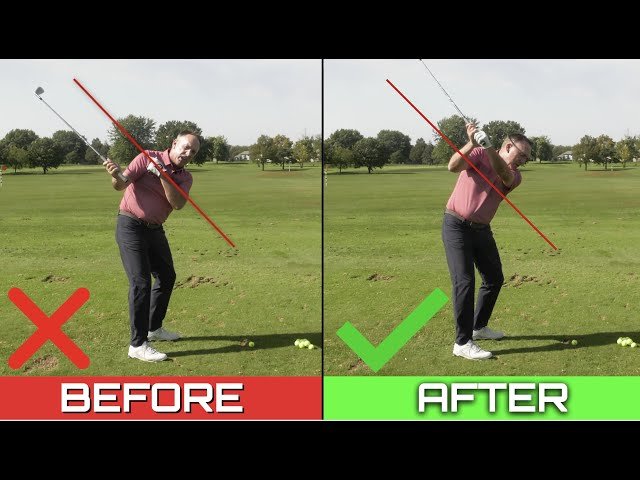
Fairway Wood Lie: Fix Your Angle For Longer Shots
Fairway wood lie determines the club’s sole angle at address, affecting contact and ball flight.
As a club fitter and coach with years on the range and in fittings, I’ve adjusted dozens of fairway woods for players of every level. This guide breaks down what fairway wood lie means, why it matters, how to test it, and practical fixes you can use right away. Expect clear steps, real-world tips from my experience, and simple drills you can use on the course or at home.
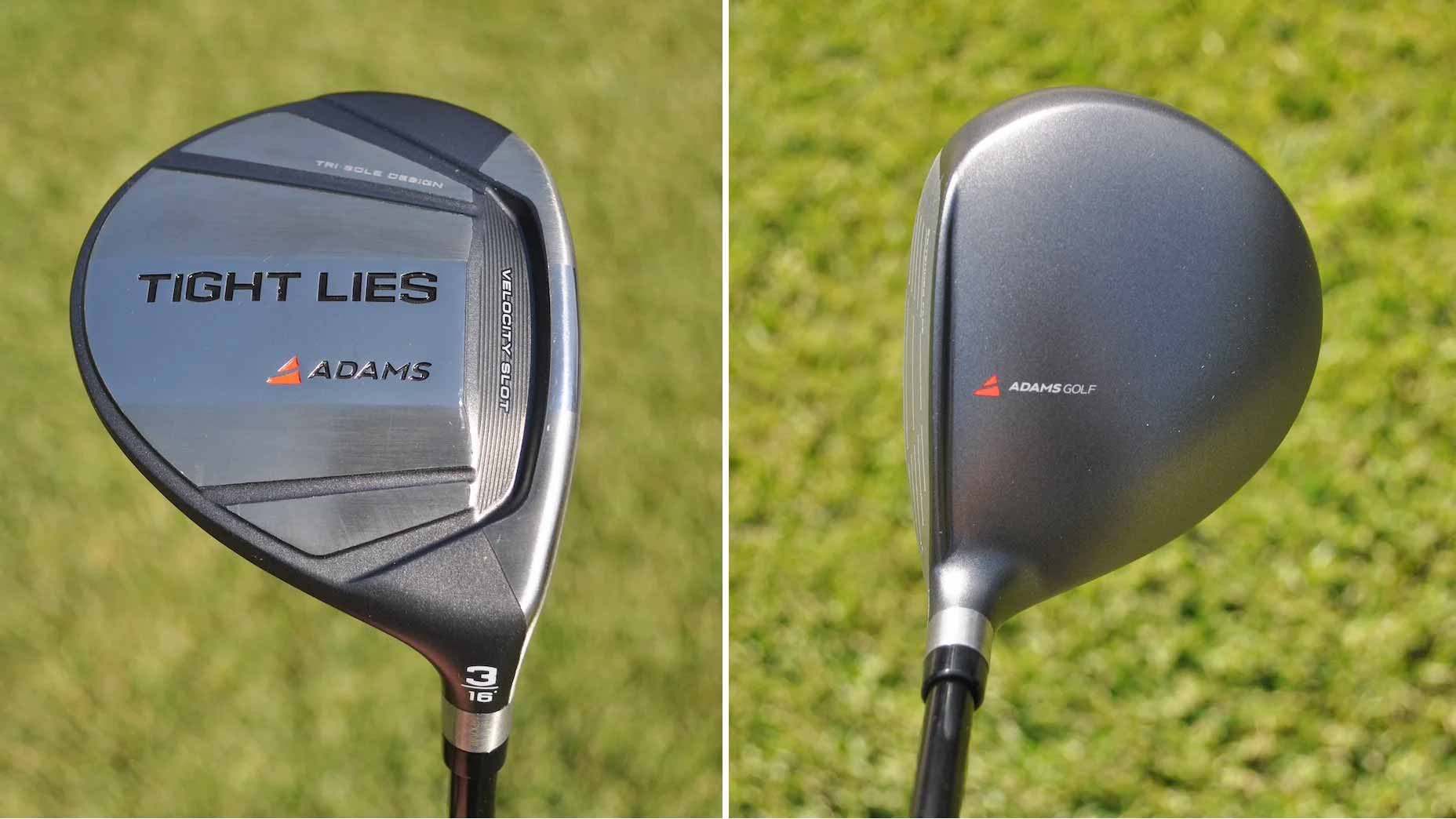
What is fairway wood lie and why it matters
Fairway wood lie is the angle between the club shaft and the ground when the club is held in a normal address position. This angle sets how the sole sits on the turf. A flat lie means the toe points up more. A upright lie means the toe points down more. Small changes in this angle change where the club contacts the ball. That affects direction, launch, and how the club interacts with the turf.

How fairway wood lie affects ball flight and turf interaction
The lie on a fairway wood matters more than many players think. A wrong lie can cause misses that look like swing faults. Here are the key effects:
- Direction control. A too-flat fairway wood lie often sends shots right for right-handed players. An upright lie tends to send shots left.
- Low or high launch. Lie changes the effective loft at impact. That shifts launch angle and peak height.
- Turf contact. If the sole digs or skims, spin and energy transfer change. Good contact gives cleaner ball speed and more predictability.
- Shot shape bias. The lie can nudge your natural fade or draw. Small degrees can feel like large swing changes.
From personal fittings, I’ve seen golfers blame swing thought when lie was the culprit. Correcting the lie fixed accuracy faster than swing changes.

How to check your fairway wood lie (simple tests and at-home checks)
You can check fairway wood lie without fancy gear. Try these steps in this order:
- Visual address check. Place the wood behind a ball on flat ground. Look at the sole. It should sit evenly with the leading edge just touching or slightly above the turf.
- Impact tape or spray. Strike a few shots onto a paper or spray the face to see where the ball hits. Centered marks show good lie and face alignment.
- Barefoot rail test. Lay the club on a flat board. Check if the sole rocks on the toe or heel. Rocking shows the lie is off.
- Short swing feel test. Hit three half-swings. If shots pull or push in the same direction, lie could be the cause.
- Professional check. A club fitter can measure lie and make exact adjustments with a lie board or loft/lie machine.
These checks are simple. I often start with the visual check on the range. It quickly rules out lie issues before costly swing changes.

Fitting, adjustments, and custom solutions for fairway wood lie
Fitting a fairway wood for correct lie yields fast gains in accuracy and consistency. Here’s how the process typically works:
- Measure setup angle. Fitters record how the club sits when the player addresses the ball. This gives a baseline for lie.
- Adjust hosel where possible. Many modern fairway woods have adjustable hosels that change loft and sometimes lie. Small tweaks can fix bias.
- Change the head or sole shape. Some heads are built with neutral lie angles. Others favor a flatter or more upright setup.
- Alter shaft length and lie through adapters. Shorter shafts can reduce toe drop. Some adapters allow precise lie changes.
- Test with real shots. A fitted club needs on-course or range verification. Real swings confirm the change.
When I fit players, I pair lie checks with launch monitor numbers. That ensures we fix direction without hurting distance or launch.

Common mistakes and drills to fix fairway wood lie issues
Players often misdiagnose lie-related misses. Here are common mistakes and simple drills to help:
Common mistakes
- Blaming the swing alone for consistent pushes or pulls.
- Using different lie angles across woods without realizing it.
- Relying only on visual setup and not testing impact marks.
Drills to try
- Alignment board drill. Place a narrow board under the sole. Hit half-swings. Watch where the sole contacts. Adjust stance until the board sits flat at address.
- Tee-line impact drill. Tee a ball low and hit shots. Use impact tape to check strike location. Move to fitting if patterns persist.
- One-club practice. Play a hole with only the fairway wood. This highlights how the lie affects shot shaping and confidence.
- Mirror address check. Use a mirror to confirm the sole sits flat and the leading edge is correctly aligned.
I recommend the alignment board drill first. It’s cheap, fast, and often reveals the lie problem.

Choosing the right fairway wood and setup for your swing
Pick a fairway wood that fits your swing, set up, and course goals. Consider these points:
- Loft and launch. Choose loft that matches your gap needs and swing speed. The lie affects the effective loft at impact.
- Head design. Shallow faces sit differently than deeper faces. Try both to see which fits your turf and swing.
- Shaft length and flex. Longer shafts can add distance but change how the sole contacts the ground. Balance length and lie.
- Adjustable options. If you play many courses or change your stance, an adjustable fairway wood gives flexibility.
- Consistency across the bag. Check that your fairway wood lie lines up with your driver and irons. Consistency reduces setup confusion.
From my fittings, players who align their fairway wood lie to their natural setup see faster on-course results.

Frequently Asked Questions of fairway wood lie
What is a normal lie angle for a fairway wood?
Most fairway woods come with a neutral lie that fits many players. Exact degrees vary by brand and model, so a measurement is best.
Can lie be adjusted on all fairway woods?
Not all fairway woods are adjustable. Some have adjustable hosels or adapters, while others require head swaps or custom bending.
How much does a 1-degree lie change affect direction?
A 1-degree change can move the shot a few yards offline at typical fairway distances. The exact change depends on swing and clubhead speed.
Will changing lie affect distance?
Yes. Lie changes alter effective loft and contact, which can change launch and spin, and thus distance. Proper fitting balances distance and accuracy.
How do I know if my miss is from lie or my swing?
Run a short-swing test and check impact marks. Consistent heel or toe marks and repeated pushes/pulls often point to lie issues rather than swing faults.
Conclusion
Fairway wood lie is a small angle with big effects. Get the lie right and you gain better direction, cleaner contact, and more reliable shots. Start with simple checks and drills, then move to a fitting if issues persist. Try one adjustment at a time and test with real shots until the results feel consistent. If you found this guide helpful, try the drills this week, leave a comment with your findings, or subscribe for more fitting and on-course tips.