Fairway Wood Shaft: Best Guide To Choose And Fit
Fairway wood shaft controls launch, spin, and forgiveness for your fairway woods.
I’ve spent years testing shafts on the course and in fitting bays, so I know how a fairway wood shaft can change distance, accuracy, and confidence. This guide breaks down materials, flex, length, and fitting advice so you can pick the right fairway wood shaft and get more consistent fairway shots. Read on for practical tips, common mistakes, and a clear path to better fairway wood performance.

Understanding the fairway wood shaft
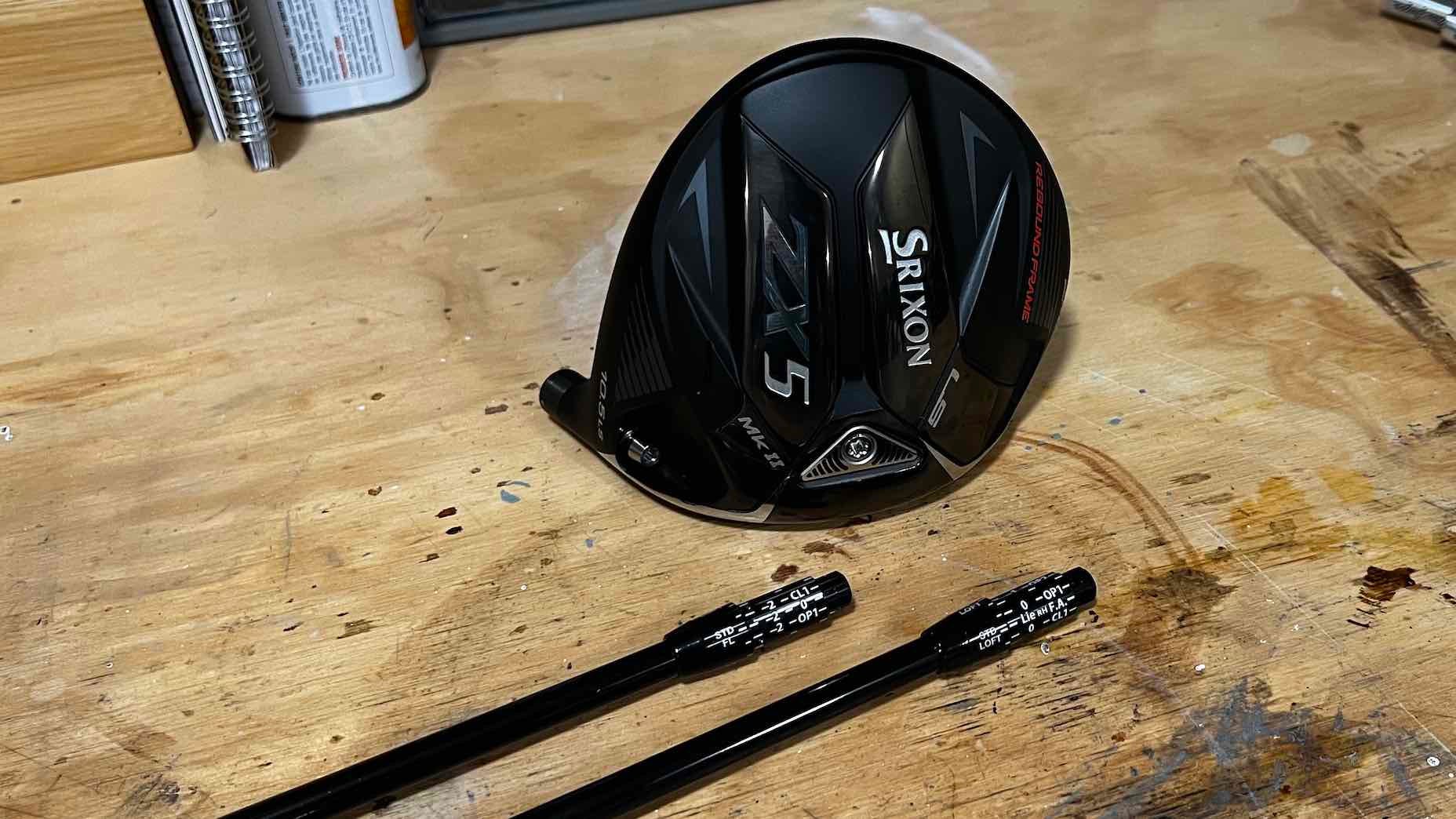
A fairway wood shaft is the long, tapered tube that connects the clubhead to the grip. It transfers energy from your swing to the clubhead and affects launch angle, spin rate, ball speed, and shot shape. The shaft’s material, flex, weight, and bend profile all influence how the head behaves at impact.
Why this matters: a properly matched fairway wood shaft helps you hit the ball higher or lower, reduce unwanted spin, and find more fairways. In short, the shaft often matters more than the head when dialing in consistent performance.
Shaft materials and construction
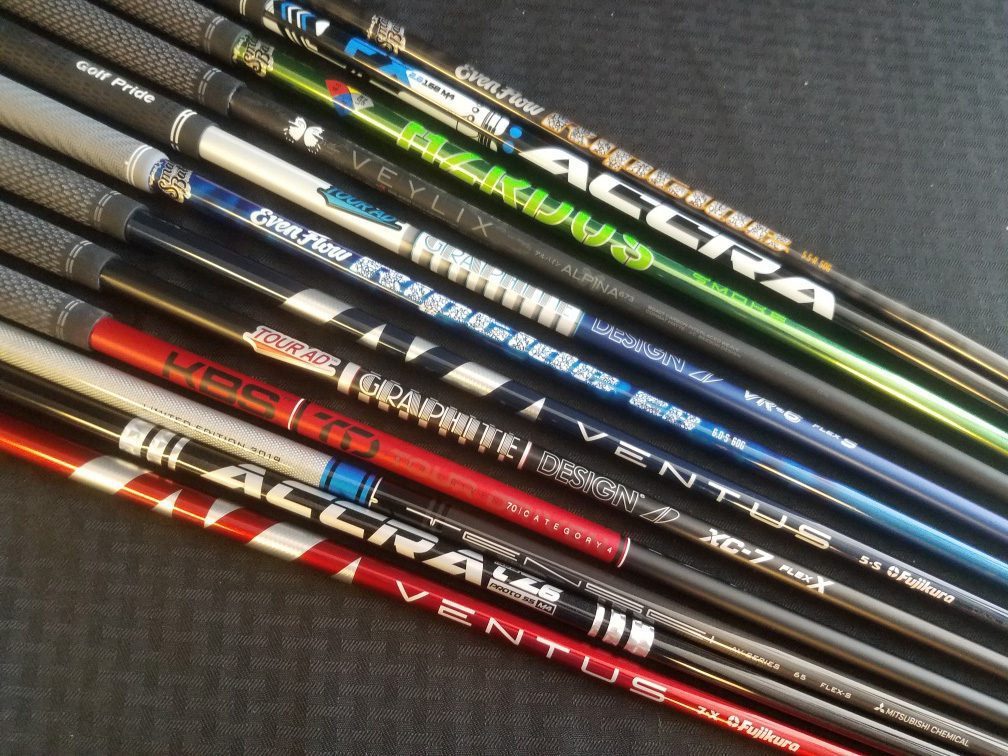
Most modern fairway wood shafts are made from graphite or composite blends. Material choice affects weight, feel, and vibration dampening.
- Graphite shafts
- Lightweight, good for generating swing speed.
- Dampens vibration for more comfort on off-center hits.
- Composite and multi-material shafts
- Use layers of different fibers to tune stiffness and kick point.
- Provide tailored feel and stability through impact.
- Construction features to watch
- Tapered vs parallel tip: Tapered tips often produce more control and quicker feel.
- Reinforcements near the tip reduce unwanted torque and improve accuracy.
Choosing the right material helps you control distance and feel without sacrificing forgiveness. Graphite is the default for most players using fairway woods because of its weight and vibration control.

Flex, torque, kick point, and feel
Shaft flex, torque, and kick point together shape ball flight and feel. Understanding each helps you match a fairway wood shaft to your swing.
- Flex
- Extra stiff, stiff, regular, senior, and ladies are common flex levels.
- Stiffer shafts suit faster swing speeds and reduce spin; softer shafts help slower swings get more launch.
- Torque
- Measured in degrees, lower torque gives a firmer feel and tighter dispersion.
- Higher torque can make the club feel whippier and help slower swingers square the face.
- Kick point (bend point)
- Low kick point promotes higher launch.
- High kick point produces a flatter, lower trajectory.
- Feel
- “Stiffness” in the hands versus in the tip changes perceived timing and accuracy.
Match flex to swing speed and tempo. For example, if you swing a fairway wood at 85–95 mph, a regular to stiff fairway wood shaft often works well. If you’re over 100 mph, lean toward stiff or extra stiff options.

Length, weight, and profile
Length and weight affect clubhead speed and control. Small changes in shaft length can have big effects on dispersion.
- Length
- Fairway woods are shorter than drivers; typical lengths range from 41 to 43 inches for a 3-wood.
- Shorter shafts improve control; longer shafts can add distance but often reduce accuracy.
- Weight
- Fairway wood shaft weights commonly range 50–80 grams.
- Heavier shafts give more control and stability; lighter shafts can increase swing speed.
- Profile (butt and tip stiffness)
- A stiffer butt section can create more control and a stronger release.
- A softer tip can increase launch and spin, useful for slower swingers.
Consider swing speed, accuracy needs, and whether you want higher launch or more roll. A balanced choice often beats chasing the lightest or longest shaft.

Choosing the right fairway wood shaft
Picking the right fairway wood shaft combines data and feel. Use this step-by-step approach.
- Measure your swing speed and tempo
- Use a launch monitor or track your ball flight at the range.
- Decide the desired ball flight
- Want higher launch or a lower penetrating shot? Choose kick point accordingly.
- Choose weight and flex
- Faster swing speeds benefit from stiffer, heavier shafts.
- Test with real heads
- The head and shaft interact; try a few head/shaft combos.
- Get a professional fit if possible
- A fitter will show ball speed, launch, and spin to guide choice.
Common mistakes to avoid:
- Choosing solely by marketing labels rather than personal data.
- Picking an ultra-light shaft hoping for extra distance without testing control.
- Ignoring tip trimming limits when adjusting length.
A well-fitted fairway wood shaft will improve clubface consistency and scoring.
Shaft fitting and testing
A proper fitting session reveals how a fairway wood shaft suits your swing. Here’s what to test and look for.
- Use a launch monitor to check:
- Ball speed
- Launch angle
- Spin rate
- Smash factor
- Try multiple shafts with the same head
- Note changes to dispersion and carry distance.
- Pay attention to feel
- Does the shaft feel stable through impact?
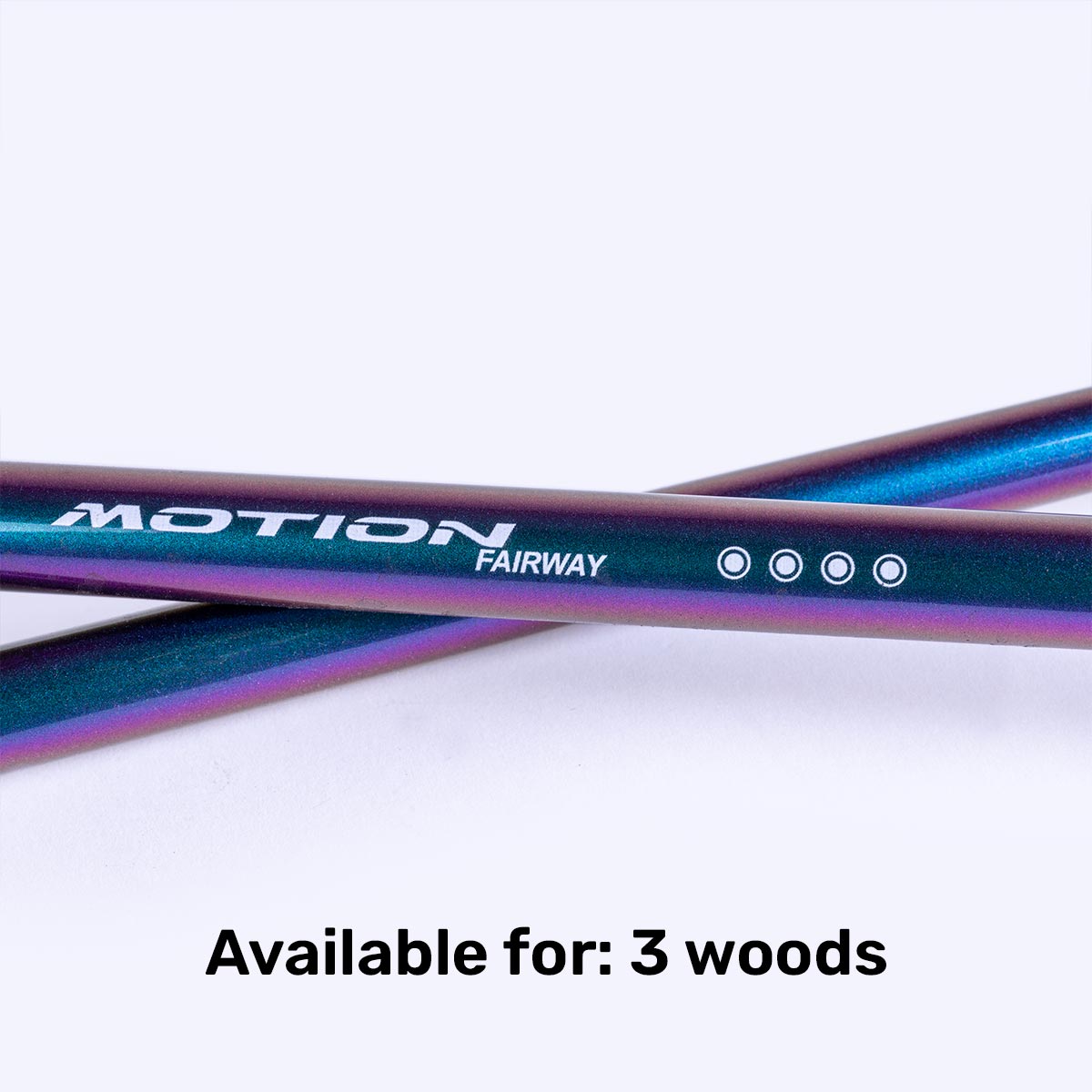
- Consider adjustable heads and hosels
- Some setups let you tune loft and lie, which affects how the fairway wood shaft performs.
If you can’t get a professional fitting, test at the range and note consistency, peak height, and where the ball lands. Keep a simple log of shafts tried and key numbers to make a clear decision.
Maintenance, trimming, and installation
Caring for your fairway wood shaft keeps performance consistent. Small mistakes in installation can change performance dramatically.
- Trimming
- Tip trimming and butt trimming change length and flex slightly.
- Trim in small increments and follow manufacturer trimming charts.
- Installation
- Use the right epoxy and allow full cure time for permanent installs.
- For adjustable hosels, ensure the adapter is compatible with the shaft tip diameter.
- Care
- Wipe shafts after play to prevent grime and oxidation.
- Avoid striking hard surfaces to prevent delamination or micro-cracks.
When in doubt, have a clubmaker or fitter trim and install the shaft to preserve intended flex and performance.

Personal experience and lessons learned
I swapped a stock fairway wood shaft for a slightly heavier, higher-kick shaft and gained better control on windy days. The change cost me a few yards but improved fairway finding by reducing ballooning shots. Key lessons from my fittings:
- Don’t assume lighter is always better. I lost accuracy chasing light shafts.
- Test shafts with the same head you play. My best combos came from real-world testing, not spec sheets.
- Small changes matter. A 5-gram weight change or one flex step made noticeable differences.
If you’re unsure, prioritize consistency over a theoretical yardage gain. That mindset saved me shots and lowered scores.
Frequently Asked Questions of fairway wood shaft
What is the best material for a fairway wood shaft?
Graphite and composite shafts are the most common, with graphite favored for light weight and vibration dampening. Composite blends offer fine-tuned stiffness and stability for more tailored performance.
How do I choose the right flex for my fairway wood shaft?
Match flex to swing speed and tempo: slower swingers benefit from softer flex, while faster swingers need stiffer shafts for control. A fitting session or simple swing speed check helps make the right choice.
Can I trim a fairway wood shaft at home?
You can trim shafts, but follow manufacturer charts carefully and trim small amounts. For best results, have a fitter or experienced clubmaker handle permanent cuts and installs.
Will changing the fairway wood shaft add distance?
A correctly matched fairway wood shaft can increase distance by improving launch and spin, but gains come from better energy transfer and consistency rather than magic. Balance distance goals with control needs.
How often should I replace a fairway wood shaft?
Shafts can last many seasons unless damaged or you change your swing significantly. Replace the shaft if you notice cracks, delamination, or a big change in feel and performance.
Conclusion
Choosing the right fairway wood shaft takes simple data, hands-on testing, and clear priorities: consistent ball flight and the right mix of launch and control. Start with your swing speed and desired ball flight, test a few weights and flexes, and favor real-world feel over marketing claims. Try a fitting session, make measured changes, and focus on consistency—small, smart adjustments yield reliable gains. If this guide helped, leave a comment with your swing speed or shaft questions, or subscribe for more gear guides and fitting tips.