
Golf Swing Tempo: Improve Rhythm For More Consistency
A consistent rhythm between backswing and downswing that matches your natural tempo.
As a golf coach and lifelong player, I’ve seen one simple change transform scores: mastering golf swing tempo. In this guide I break down what golf swing tempo is, why it matters, how to measure it, and clear drills you can use today. Expect practical steps, personal tips from my lessons, and easy drills that build a steady golf swing tempo you can trust under pressure.

What is golf swing tempo?
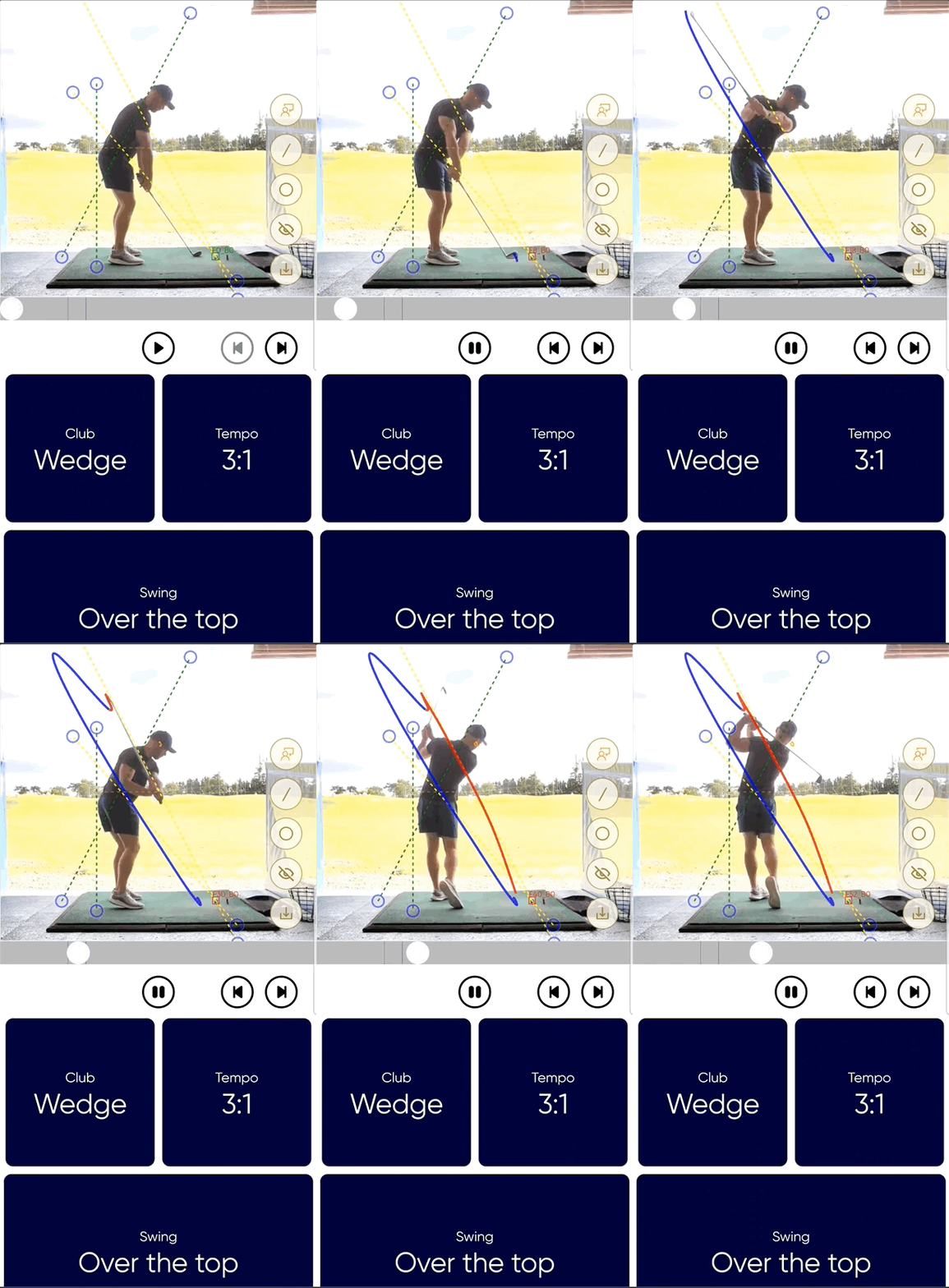
Golf swing tempo is the pace and timing between your backswing and downswing. It is not just swing speed. Tempo is rhythm—how long the backswing lasts, when the transition happens, and how the downswing flows through impact. A steady golf swing tempo helps you repeat good swings and hit more consistent shots.
Most players have a natural tempo. The goal is to find and tune it, not force a new one. I teach students to match tempo to their body and club. That leads to stable contact and better distance control.
Why golf swing tempo matters
Good tempo links movement and timing. It affects:
- Consistency: A steady golf swing tempo reduces mishits and inconsistent launch angles.
- Power control: Tempo helps you deliver clubhead speed at the right moment.
- Accuracy: Timing the transition keeps the clubface square through impact.
- Mental calm: A rhythm-focused swing reduces tension and doubt before shots.
Research and coaching consensus show rhythm matters more than raw speed for repeatable golf. From my experience, players who slow down the tempo slightly score better because they make fewer mechanical errors.

How to find and measure your golf swing tempo
Knowing your tempo starts with simple tests.
- Count method
- Take your normal swing and count “one-two” aloud: one for backswing, two for downswing. If the numbers feel rushed, slow down.
- Metronome method
- Use a metronome app. Try settings where your backswing is two beats and downswing is one beat. Adjust until it feels natural.
- Video analysis
- Record swings at 60–120 fps. Measure frames from takeaway to impact and compare across swings.
- Feel check
- Notice breathing and heartbeat. A calm breath supports a consistent golf swing tempo.
Most amateurs benefit from a 3:1 or 2:1 backswing-to-downswing ratio. The exact numbers vary. I often start students at a relaxed 3:1 and move toward a natural 2:1 as they gain control.

Simple drills to build a reliable golf swing tempo
These drills are easy to do on the range or at home. Practice slowly and increase speed only when rhythm holds.
- Step drill
- Address the ball with feet together. Step into your stance as you start the downswing. This forces a smooth transition and a steady golf swing tempo.
- Metronome drill
- Set a metronome to a comfortable beat. Move the club back on two beats and down on one beat. Repeat 20 times.
- Pause at the top
- Make a half-second pause at the top, then swing through. This trains control of the transition and timing.
- Swing tempo ladder
- Start at 50% speed for 10 swings, 75% for 10 swings, 100% for 10 swings. Keep the rhythm constant as speed increases.
- Impact sound drill
- Focus on a crisp contact sound. Rhythm that creates solid contact encourages the right timing.
I used the metronome drill for months to help my nervous players. One student cut three strokes off his handicap in six weeks by sticking to these drills and keeping practice sessions short and focused.
Common tempo mistakes and quick fixes
Many swing flaws come from bad timing. Here are frequent issues and fixes.
- Too fast transition
- Problem: Casting, poor contact, loss of power.
- Fix: Pause at the top and use a slower backswing-to-downswing rhythm.
- Over-swinging
- Problem: Loss of control and inconsistent tempo.
- Fix: Limit backswing length. Practice with controlled repetition.
- Jerky finish
- Problem: Early deceleration and mishits.
- Fix: Swing through the ball with a steady count; finish your rhythm.
- Trying to copy pros
- Problem: Chasing others’ tempo leads to mismatch with your body.
- Fix: Find your natural tempo and refine it, not copy it.
My personal mistake was trying to swing like a tour pro. I lost rhythm and hit worse. When I returned to my natural tempo, my accuracy and scores improved quickly.

Apply tempo across clubs and shots
Tempo should be consistent across irons, woods, and wedges, though speed will vary.
- Wedges
- Use the same rhythm, lower speed. This gives better feel and control.
- Irons
- Keep the same tempo. Adjust backswing length for distance.
- Woods and driver
- Maintain rhythm; allow more speed but not a faster tempo.
- Specialty shots
- Chips and putts use similar timing principles—short backswing, controlled downswing.
A favorite tip: pick one tempo and practice all clubs with it. Your brain learns the timing, and your body will adapt the swing length for distance naturally.

Building a 4-week practice plan to lock tempo
A short, focused plan beats random practice.
Week 1: Awareness and measurement
- Spend two sessions finding your tempo with counting and video.
- Do 50 swings per session with a metronome.
Week 2: Drills and control
- Do step drill and pause-at-top drill for 30 minutes, three times this week.
- Practice half shots to feel timing.
Week 3: Speed integration
- Use the swing tempo ladder. Add longer clubs with the same rhythm.
- Record progress with video.
Week 4: On-course feedback
- Play nine holes focusing only on tempo on each shot.
- Note which clubs feel off and return to drills for 10 minutes after play.
Track one metric each week: contact quality, dispersion, or distance control. Small wins compound and build a dependable golf swing tempo.

Equipment, training aids, and tech that help tempo
You do not need gadgets, but some tools speed progress.
- Metronome apps
- Great for rhythm training and portable practice.
- Tempo trainers
- Small devices that beep at set intervals to guide backswing and downswing.
- Slow-motion video
- Reveals timing issues you can’t feel.
- Weighted clubs and swing trainers
- Use for strength and feel, but keep tempo steady while training.
I prefer simple tools: a phone metronome and video. They are cheap and effective. Use high-tech aids sparingly and always pair them with feel-based practice.
Mental approach and course management for tempo
On the course, tempo is mental work. Keep it simple.
- Pre-shot routine
- Use a short, repeatable routine tied to your tempo. Breathe in on the backswing, out through impact.
- Focus on feel, not mechanics
- Think “smooth” rather than “rotate hips.” Feeling keeps tempo natural.
- Manage nerves
- Slow your breathing and match swing tempo to breath for steady play.
I coach players to hum a quiet beat in their head. It’s odd, but it keeps tempo steady under pressure. The beat becomes a trusted anchor.
Limitations and what to avoid
Tempo helps most players, but it’s not magic.
- It cannot fix severe swing flaws alone.
- Tempo preferences vary; there is no single perfect ratio for everyone.
- Overreliance on gadgets can reduce feel.
Be transparent with your progress. If tempo drills feel worse for a while, the body may be relearning timing. That is normal. Keep sessions short and consistent.
Frequently Asked Questions of golf swing tempo
What is a good golf swing tempo ratio?
A common starting point is 3:1 for backswing to downswing, then refine toward what feels natural. The ratio varies by player and club.
How do I measure my golf swing tempo at home?
Use a metronome or record slow-motion video and count frames from takeaway to impact to compare swings. Simple counting out loud also works.
Can changing tempo improve distance?
Yes. Better tempo often improves energy transfer and contact, which can increase distance and consistency. It helps before chasing raw speed.
How long does it take to change my tempo?
With focused practice, you can see improvement in weeks, but solid tempo habits take months to lock under pressure. Short, regular sessions work best.
Does tempo differ between pros and amateurs?
Yes. Pros have a refined tempo suited to their bodies and speed. Amateurs often need to find a slower, repeatable tempo that fits their athletic range.
Conclusion
Mastering golf swing tempo brings steadier shots, more control, and less stress on the course. Start by finding your natural rhythm, use simple drills, and practice with purpose. Small, consistent changes to tempo lead to big improvements in scores and confidence. Try one new drill this week, track your contact, and play with that tempo until it becomes second nature. Share your progress, ask questions below, or subscribe for more practical golf tips.