Sand wedge gives control and bunker play; lob wedge offers high loft for tight, soft shots.
I have spent years fitting wedges and testing them on courses and practice greens. This guide dives into sand wedge vs lob wedge so you can pick the right tool for each shot. I explain how they differ in loft, bounce, sole grind, and use. I share what worked for me, common mistakes, and clear drills to build confidence around the green. Read on to learn when to use each wedge and how to improve your short game with simple, proven tips.

How a sand wedge and a lob wedge differ
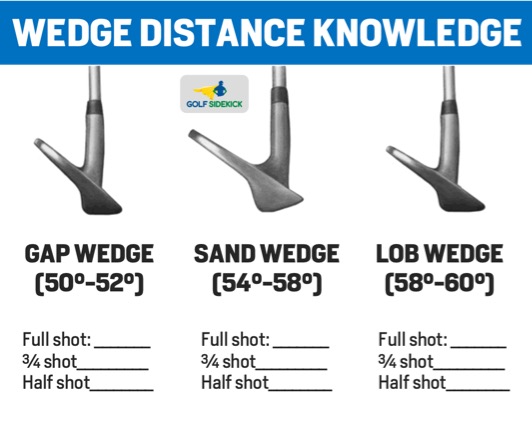
A sand wedge usually has loft between 54° and 58°. It was made to help free the ball from bunkers and tight lies. The bounce is higher to prevent digging in sand. That makes it forgiving for full and partial bunker shots.
A lob wedge has loft between 58° and 64°. It makes the ball climb fast and land soft. The bounce is often lower to help open the face for flop shots. That gives more spin and control on short, high shots.
Key physical differences:
- Loft range and spin influence how high the ball flies.
- Bounce impacts how the club interacts with turf and sand.
- Sole grind changes how open the face can be and how the club slides.
I learned early that loft is only half the story. Sole shape and bounce change results more than loft alone. Use a sand wedge when you need to sweep or splash. Use a lob wedge when you need a sky-high landing with little roll.

When to use a sand wedge
You should reach for a sand wedge in these cases:
- Bunker shots where you need to splash sand and carry the lip.
- Full short shots from 70 to 100 yards depending on your swing.
- Shots where you want a moderate peak and some roll after landing.
- Tight lies where higher bounce protects you from digging.
From my experience, the sand wedge is your go-to when you need consistent distance and forgiveness. I once saved par from a greenside bunker by trusting a sand wedge and a simple splash stroke. The key is to aim to hit behind the ball and let the bounce do its job. Practice a few bunker reps with different ball positions to learn how much sand you need.
When to use a lob wedge
A lob wedge shines in these situations:
- Flop shots over hazards or tall grass where you need max height.
- Short approach shots inside 60 yards that must stop quickly.
- Tight pin locations where backspin and a steep descent are needed.
- Shots from tight lies when you open the face and use finesse.
I remember a chip from a tight lie where a lob wedge saved a par. I opened the face, used a steeper swing, and the ball landed soft near the hole. Lob wedge shots can feel risky at first, but they offer huge reward when you master them. Keep your hands quiet and use your shoulders to control distance.

How loft, bounce, and grind affect play
Loft controls launch angle and carry. More loft means higher launch and shorter roll. Bounce keeps the club from digging in. Higher bounce is forgiving in sand and soft turf. Lower bounce helps you slide under the ball on tight lies.
Sole grind is the shaping of the club’s sole. It affects how the club moves when opened or closed. A versatile grind helps players open the face for a lob. A full sole is simpler and steady for sand shots.
Practical tip: match bounce to your turf. If you play in soft turf or deep sand, pick higher bounce. If your course has tight fairways and firm lies, lower bounce on the lob wedge helps control spin and contact.

How to choose loft gaps and set composition
Good set makeup avoids big yardage gaps. Typical choices:
- If you carry a 56° sand wedge, pair it with a 60° lob wedge to keep gaps small.
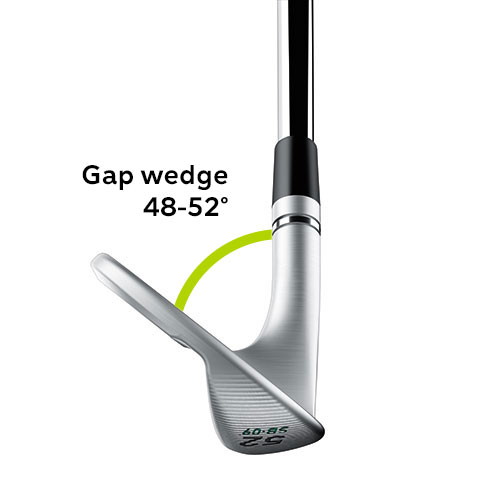
- If you use a 52° gap wedge, a 56° sand and 60° lob or 62° lob works well.
- For players who hit high-lofted irons, you may want a 58° sand and 64° lob.
Think about your swing speed and how far you hit each wedge. I track my carry distances at the range to build a clear gap chart. Use launch monitor data if possible. If you lack a lob wedge, you can open a sand wedge, but this may change bounce interaction and feel.

Practice drills to master each wedge
Drill 1: Bunker splash practice
- Place a towel 2 inches behind the ball in the sand.
- Aim to hit the towel, not the ball, with a sand wedge.
- Focus on a smooth follow-through and feel the bounce.
Drill 2: Lob-face control
- Place a tee 20 yards from a target green.
- Hit lob wedge shots with varying opening of the face.
- Note how open-face shots fly higher and stop faster.
Drill 3: Turf interaction
- Use a towel or alignment stick on the grass.
- Practice strikes that brush the turf after the ball.
- This builds consistent contact with both wedges.
I used these drills before club championships. The bunker drill fixed my tendency to dig. The lob-face drill helped me stop the ball close more often. Practice short sessions with clear goals; 15 minutes focused beats an hour of random hitting.

Common mistakes and how to avoid them
Mistake: Using a lob wedge when the lie is too deep
- Fix: Choose a sand wedge or open the face less. Match bounce to the lie.
Mistake: Swinging too hard with a lob wedge
- Fix: Use a controlled wrist position and smooth tempo. Let loft do the work.
Mistake: Neglecting wedge gapping
- Fix: Measure carry distances at the range. Adjust lofts or shafts to fill gaps.
I once bought a very low-bounce lob wedge and struggled on wet courses. I learned to test wedges on different turf before committing. Fit wedges to your course conditions and to how you like to play.
Wedge fitting and shafts
Wedge weight, shaft flex, and length change feel and spin. Heavier heads can help spin for some players. Lighter shafts may boost swing speed but can reduce feel. Many fitters test wedges with a launch monitor and turf work to assess the best bounce and grind.
When I got fitted, the tech adjusted shaft weight and loft to tighten my gaps. I saw more consistent spin and distance. If you buy off the rack, pick a set that matches your observed carry lengths and course needs.

Sand wedge vs lob wedge: quick matchup
Distance
- Sand wedge: More carry and roll for mid-short ranges.
- Lob wedge: Shorter carry but higher peak and less roll.
Control
- Sand wedge: Strong control in sand and soft turf.
- Lob wedge: Precise stopping but needs clean contact.
Versatility
- Sand wedge: Good for bunkers, chips, and full shots.
- Lob wedge: Best for high, soft shots and tight green play.
Ease of use
- Sand wedge: Easier for most golfers.
- Lob wedge: Harder to master, very useful if you can execute.
Personal tips from my experience
- Carry both if you have the skill and need tight shots. They cover very different needs.
- Start with a 56° sand wedge. Add a lob wedge only after you practice flop and open-face shots.
- Test wedges in real play, not just at the range. Course conditions reveal true performance.
- Keep a short practice routine and track your misses. Small fixes yield big results.
I once dropped a lob wedge for a season because I lacked control. After focused practice and a fitting, it became my best scoring club near the green. Be patient. Wedge play improves fast with simple, repeated practice.
Frequently Asked Questions of sand wedge vs lob wedge
What loft is a typical sand wedge?
A typical sand wedge has loft between 54° and 58°. It is built to help get the ball out of bunkers and soft lies.
Can I use a sand wedge instead of a lob wedge?
Yes, you can use a sand wedge for some lob shots by opening the face, but bounce and loft will change the feel and turf interaction. This can work in a pinch but is not a perfect substitute.
How much bounce should my sand wedge have?
Most sand wedges have 10° to 14° of bounce for forgiving bunker play and soft lies. Choose higher bounce for soft turf and lower bounce for firm turf.
Do pros carry both sand and lob wedges?
Many pros carry both, but some choose a low-lofted setup or a specialty grind based on course and shot needs. It depends on player style and course conditions.
Is a lob wedge hard to hit?
A lob wedge demands clean contact and good tempo, so it can be harder for beginners. Practice open-face shots and short swings to build confidence and control.
Conclusion
Choosing between sand wedge vs lob wedge comes down to the shots you face and your skill with open-face, high-lofted shots. Sand wedges give reliable bunker play and forgiving short shots. Lob wedges offer high launch and soft landings for tight pin work but ask for clean contact. Test wedges on real turf, track your carry distances, and practice the simple drills shared here. Pick the set that closes your yardage gaps and fits your course conditions, then commit to short, focused practice.
Try one drill this week and note the change in your short game. Share your results or ask questions below to get tailored advice.