Fairway Wood Loft Chart: Compare Loft, Distance & Tips
A fairway wood loft chart shows typical loft degrees and helps match woods for distance and trajectory.
I’ve spent years fitting golfers and testing clubs, so I know how confusing loft numbers can be. This guide breaks down the fairway wood loft chart, explains what the numbers mean, and helps you pick the right woods for your game. Read on for clear, practical steps, real fitting tips, and examples that make loft charts work for you.

How to read a fairway wood loft chart
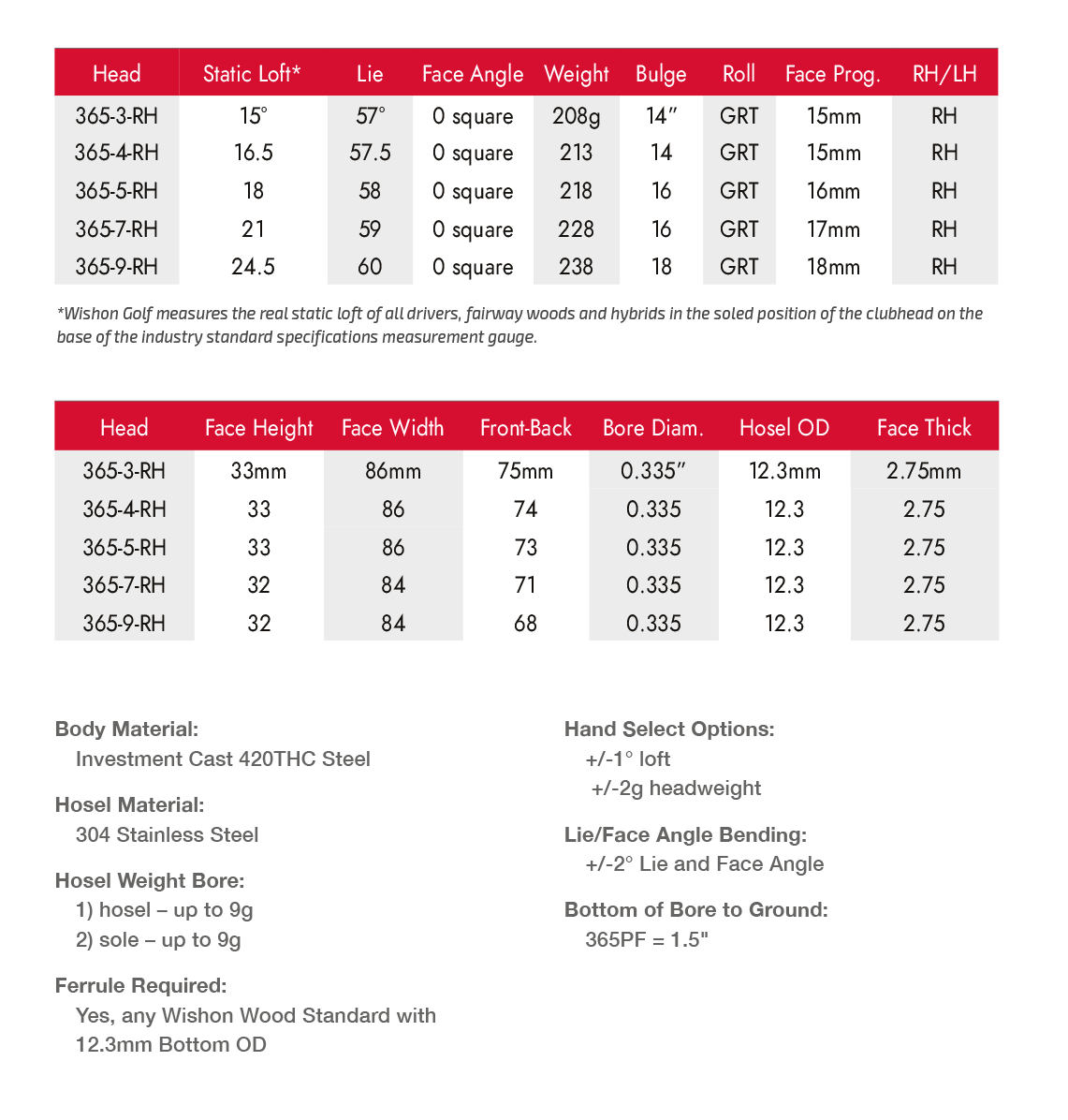
A fairway wood loft chart lists common lofts for each numbered wood. It lets you compare a 3-wood, 5-wood, 7-wood, and other fairway woods at a glance. The chart shows degrees of loft for each club, and sometimes shows the typical launch and spin ranges that pair with those lofts.
Learning to read the chart is simple. Find the club number and read the loft column. Look for gaps between lofts to spot overlaps or missing distances in your bag. A good fairway wood loft chart helps you avoid distance holes between clubs and overlap with irons.

Typical loft ranges for fairway woods
Most modern fairway woods follow these ranges:
- 3-wood: 13 to 16 degrees.
- 4-wood: 15 to 17 degrees.
- 5-wood: 17 to 19 degrees.
- 7-wood: 20 to 22 degrees.
- 9-wood: 23 to 25 degrees.
Manufacturers vary a bit. Some companies sell a 3-wood at 15 degrees while others set it at 13. The fairway wood loft chart gives you the quick view needed to compare models. Use the chart to spot if two clubs sit too close in loft and could cause overlap in your yardages.

How loft affects distance, trajectory, and spin
Loft controls the launch angle and initial spin of the ball. More loft usually means higher launch and more stopping power. Less loft gives a flatter flight and more roll after landing. That basic rule appears clearly on any fairway wood loft chart.
Here are the key effects:
- Higher loft raises ball flight and typically reduces roll.
- Lower loft increases roll and can gain yardage on firm fairways.
- Small loft gaps can cause shot overlap and confusion on the course.
When reading a fairway wood loft chart, think about the landings you need on your courses. If you play firm links-style turf, lower-loft fairway woods that run more might help. If you play soft courses, higher-loft fairway woods that land soft are better.
Building a balanced bag using a fairway wood loft chart
A good bag setup avoids big gaps and too much overlap. Use the fairway wood loft chart to plan loft progression from driver down through long irons. Typical strategies:
- Keep roughly 3 to 4 degrees between long clubs for even gaps.
- If your irons start at 19 degrees, choose fairway woods that fit above or below that loft.
- Consider hybrids to fill gaps a fairway wood chart shows you.
Practical example: If your 3-wood is 15 degrees and your 5-wood is 19 degrees, that 4-degree step works well. If a manufacturer’s chart shows a 3-wood at 13 and a 5-wood at 18, you may need a 4-wood or a hybrid to smooth the gap. Use the fairway wood loft chart to plan these in advance.
 measuring loft: tools and tips”
style=”max-width: 100%; height: auto; border: 2px solid black; border-radius: 10px; display: block; margin: 0 auto;”
loading=”lazy”
/>
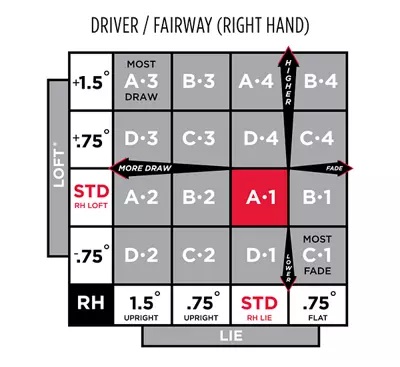
Custom fitting and measuring loft: tools and tips
A proper fit uses launch monitors and a fitting pro. But you can check loft at home. Tools and tips:
- Use a loft/lie gauge to measure the club’s face angle.
- Check the club spec sheet or a fairway wood loft chart from the maker.
- Use a launch monitor during a fitting to see carry, launch angle, and spin.
When you test clubs, record numbers. Compare them to a fairway wood loft chart to confirm if a club performs like its listed loft. I once tested two "15-degree" 3-woods that launched differently. The chart helped me see that one acted like a 13-degree wood due to head design and shaft choice.

My experience: mistakes to avoid and practical tips
I’ve fit players of all levels. Some common mistakes:
- Choosing woods by number only, not loft shown on the fairway wood loft chart.
- Buying a set with big loft gaps and expecting a shaft change to fix distance problems.
- Ignoring how shaft length and flex change launch and spin versus the chart numbers.
Tips from my testing:
- Bring a launch monitor data sheet or record carry distances when testing.
- Ask for the exact lofts on the fairway wood loft chart before buying.
- Try both standard and strong-lofted versions to find what fits your swing.
Many golfers think a 3-wood is always the same. A fairway wood loft chart shows that reality varies. Trust numbers, not just club labels.
Frequently Asked Questions of fairway wood loft chart
What is a fairway wood loft chart used for?
A fairway wood loft chart is used to compare loft degrees across fairway woods. It helps golfers plan their bag and avoid gaps or overlaps in distance.
How many degrees should be between fairway woods?
Aim for about 3 to 4 degrees between long clubs for smooth yardage gaps. Use the fairway wood loft chart to check real numbers rather than club names.
Can I change loft to get better gaps?
Yes. Many clubs can be adjusted or re-lofted by a fitter. Use a fairway wood loft chart to decide how much change is needed for even yardages.
Does loft affect spin and carry more than the shaft?
Loft has a strong effect on launch and spin, but shaft length and flex also matter. The fairway wood loft chart shows loft, but fitting tests show true performance.
Should beginners follow a fairway wood loft chart exactly?
Beginners should use a fairway wood loft chart as a guide, but focus first on consistent contact and confidence. Loft planning comes next as you dial in distances.
Conclusion
A fairway wood loft chart is a simple tool that delivers big clarity. It helps you spot loft gaps, plan bag makeup, and choose clubs that match your course needs. Use the chart alongside fittings and real-shot data to get a bag that fits your swing and playing style. Try checking your current clubs against a fairway wood loft chart this week, note any gaps, and test one change at a time to see real improvement. Leave a comment about your loft setup or subscribe to keep learning more.