Iron Loft Differences: How To Choose The Right Loft
Iron loft differences change carry, launch, and gaps between clubs by several degrees and yards.
As a long-time golfer and fitter, I’ve spent years studying how iron loft differences shape ball flight, distance control, and club choice. This guide explains what iron loft differences mean, why modern sets often have stronger lofts, and how to check and fix gapping issues. Read on for clear advice, simple test methods, and practical tips you can use on the range or at your next fitting.

Understanding iron loft differences
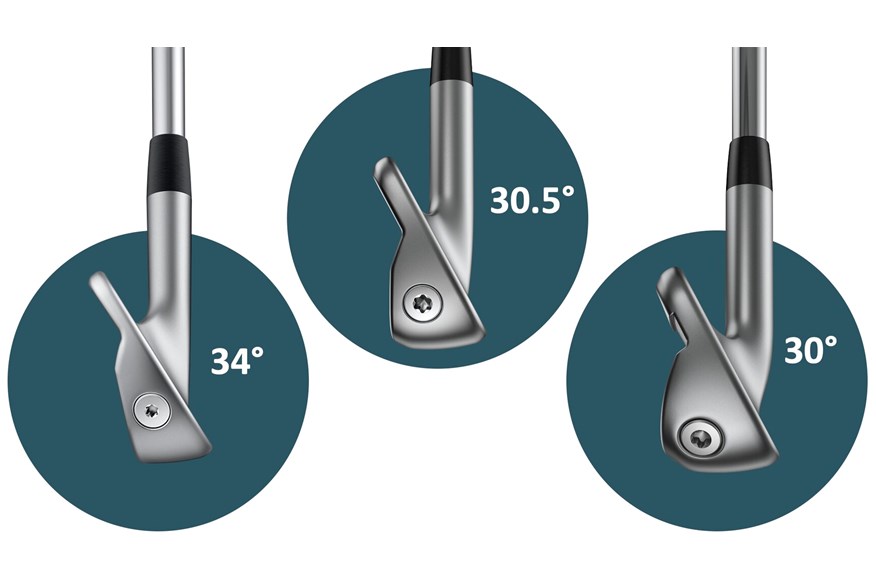
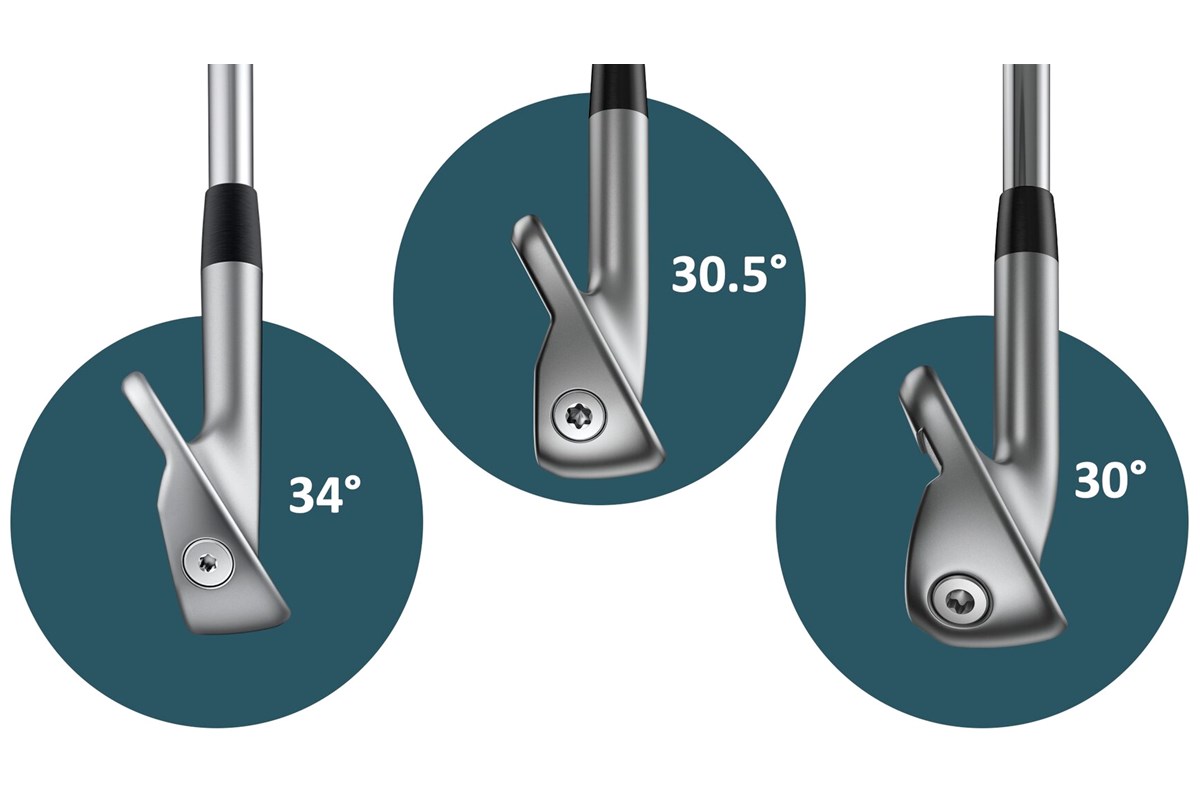
Iron loft differences means the change in loft angle from one iron to the next. Most sets aim for 3 to 4 degrees between clubs, but that varies by brand and set type. Those degree gaps directly affect carry distance, launch, and spin.
Why the gap matters:
- It sets the distance difference between clubs.
- It controls shot trajectory and stopping power.
- It affects how many clubs you need to carry.
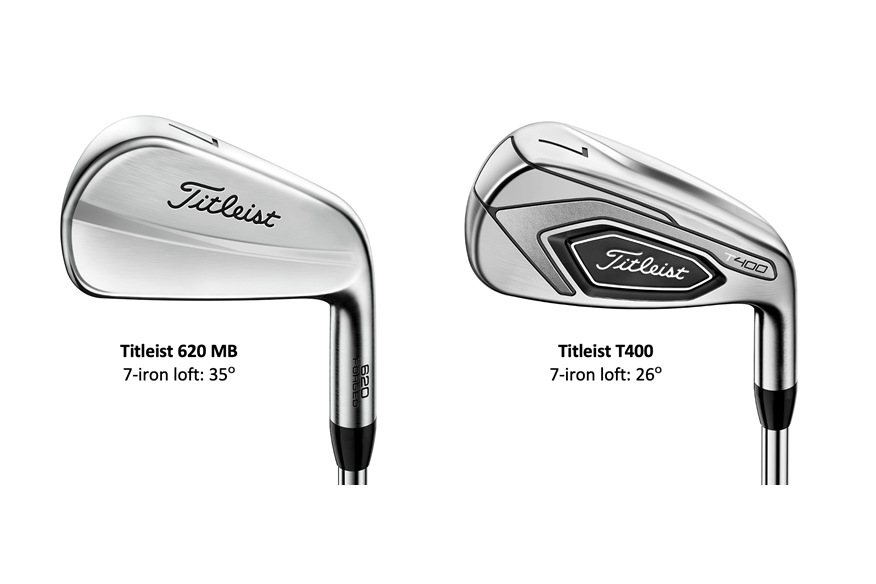
A basic loft chart helps. A traditional set might have a 4-iron at 24°, 5-iron 27°, 6-iron 30°, and so on. Modern "strong" sets compress those numbers so a 5-iron could be 24° today. This shift creates larger iron loft differences versus old school charts. Understanding those shifts is the first step to better gapping and better scoring.
How iron loft differences affect ball flight
Loft changes change launch angle, spin rate, and carry. A higher loft sends the ball higher with more spin and a softer landing. A lower loft gives lower flight, less spin, and more roll.
Practical effects:
- A 3° loft difference usually changes carry by about 8 to 12 yards, depending on swing speed.
- Stronger lofts (lower numbers) increase carry for a given club number. That can confuse distance expectations.
- Inconsistent loft differences cause overlapping distances and poor gapping.
I once played a set with uneven iron loft differences. My 6 and 7 irons were only 1° apart. That made me hit both clubs nearly the same distance and cost me strokes. After measuring and re-lofting, my gapping tightened and scoring improved.

Modern loft trends versus traditional lofting
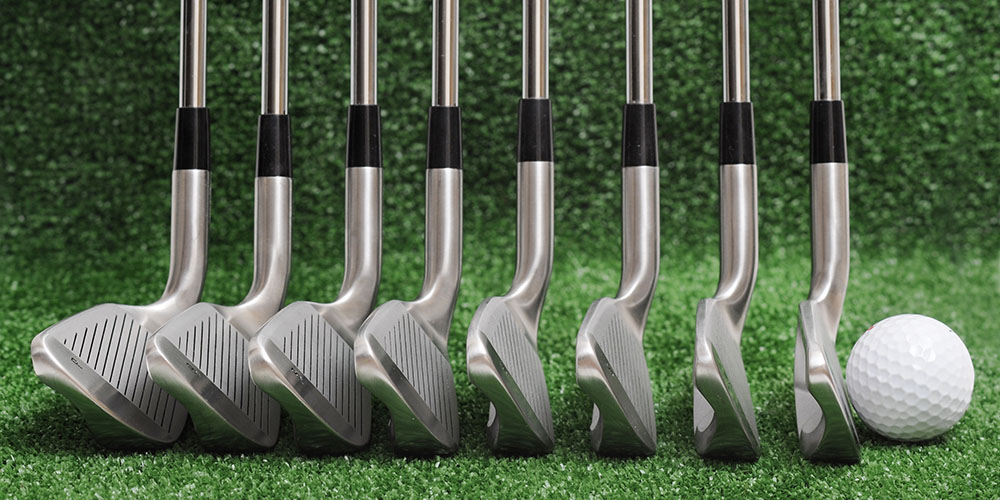
Over the last decade, manufacturers have pushed lofts stronger to make irons go farther. That trend changed common iron loft differences across the market. Now a player's 7-iron might fly like an older 6-iron.
Key trends:
- Stronger lofts lower the degree numbers for each iron.
- Loft compression means fewer clubs may cover large yardage gaps.
- Newer irons often require re-gapping with wedges or hybrids.
This trend helps distance but can hurt control. Many golfers bring wedges with higher lofts to close the gap created by stronger long irons. I recommend checking manufacturer loft specs before buying. Do not assume a "7-iron" matches your past distances.
How to measure and check your iron loft differences
You can check lofts at home or at a shop. Use a loft and lie machine for the most accurate read. Many clubmakers and fitters will measure for free or a small fee.
Simple home checks:
- Look up the factory loft spec for each numbered iron and write them down.
- Use a cheap digital angle finder to measure the club face angle relative to the ground when the shaft is level.
- Record the measured lofts and subtract adjacent clubs to see the iron loft differences.
At a fitter:
- Ask for a loft and lie check. They will show actual lofts as built.
- Inspect for bent clubs or mismatched heads. Even small bends change loft by degrees.
- If loft differences are inconsistent, consider re-lofting or replacing heads.
I once found a set where the 8-iron was bent 2° more upright. The iron loft differences were off and my distances were uneven. Fixing that one club made a huge difference in consistency.
Practical tips to address iron loft differences
Fixing poor iron loft differences can be easy. You can re-loft, mix heads, or add wedges to cover gaps.
Practical steps:
- Get a loft and lie check first. Know your numbers.
- Re-loft clubs that are off by more than 1° to get consistent gaps.
- Use hybrids for long irons if the loft differences leave a big distance hole.
- Add gap wedges in 2° to 4° increments to tidy scoring wedge distances.
- Adjust shaft length and lie only with professional help.
When I fitted players, tight gapping mattered more than raw distance. A set that carries with even spacing saves strokes. If your iron loft differences are uneven, focus on consistency, not just more distance.

Personal experience and common mistakes
I’ve helped friends who bought new sets and found surprise gaps. One had a 5-iron and 6-iron only 4 yards apart. Another had a 9-iron that flew like an old pitching wedge. These problems come from modern loft trends and factory mix-ups.
Common mistakes:
- Assuming club number equals predictable distance.
- Buying a set without measuring lofts.
- Keeping bent clubs and hoping they behave.
My tip: test new clubs on the range. Hit each iron three times and jot down carry. If numbers cluster or overlap, get a loft check. Real play results matter more than spec sheets.

Equipment recommendations and when to get fitted
Not every golfer needs a full custom fit. But if you feel gaps, age, or swing changes, fitting helps. Seek a fitter when you buy a new iron set or when distances shift.
What to bring to a fitting:
- Your current irons.
- A range of golf balls you use.
- Notes on average distances for each iron.
Fitting goals:
- Create even iron loft differences for predictable yardage steps.
- Match shaft flex and length to swing speed.
- Decide whether hybrids, utility irons, or wedges fill gaps.
A simple loft and lie check costs little and gives big returns. I schedule a re-check every few years or after noticeable changes in my swing.
Frequently Asked Questions of iron loft differences
What is a typical loft difference between irons?
Most modern iron sets aim for 3 to 4 degrees between clubs. The exact iron loft differences vary by brand and model.
How do stronger lofts affect my distances?
Stronger lofts lower the angle and make clubs fly farther, so your numbered irons will carry farther. Strong lofts can create large iron loft differences versus older sets.
Can I re-loft my irons at home?
You can adjust loft with the right tools, but it is safer to visit a pro clubmaker. Small changes can have big effects on performance.
How do iron loft differences impact wedge setup?
Uneven iron loft differences can create gaps near the scoring clubs. Adding a gap wedge or re-lofting wedges fixes distance overlap quickly.
Should I switch to hybrids for long irons?
If long irons show poor gaps or launch issues, hybrids often solve the problem. Hybrids can smooth the yardage steps left by iron loft differences.
How often should I check my lofts?
Check lofts after any hard impact, every few years, or when you buy new clubs. Routine checks prevent hidden distance problems.
Conclusion
Understanding and managing iron loft differences lets you control distance, flight, and scoring. Measure your lofts, check gaps on the range, and get fitted when gaps or odd flight patterns appear. Take action by testing each iron, scheduling a loft check, or adding a gap wedge or hybrid to tidy distances. Try one change this week and see how consistent your scoring feels—then share your results or ask for help if you need a deeper fitting.