Sand Wedge Vs Lob Wedge: Which To Use Around The Green
Sand wedge excels in bunker control; lob wedge shines for high, soft flop shots around the green.
I have fitted wedges and played thousands of short shots. I will walk you through sand wedge vs lob wedge in plain terms. You will learn clear differences, when to use each, how to choose the right loft and bounce, and easy drills to improve. Read on for tested tips, real-life mistakes I made, and confident guidance that helps your short game lower scores.

Key differences between sand wedge vs lob wedge
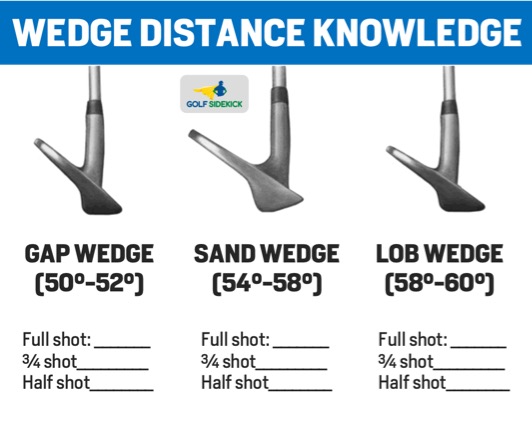
The phrase sand wedge vs lob wedge matters because many golfers carry both and yet use them poorly. Each club has a different loft, bounce, sole shape, and purpose. The sand wedge usually ranges from 54° to 58° loft. The lob wedge typically ranges from 58° to 64° loft.
Bounce is a key difference. Higher bounce helps in soft sand and fluffy turf. Lower bounce helps when you need to slide under the ball on tight lies. The sand wedge often has more bounce than a lob wedge. The lob wedge is designed for higher launch and short stopping shots. The sand wedge is built to escape bunkers and pitch near the green.
From my experience, treating sand wedge vs lob wedge as the same club costs strokes. I once used a lob wedge from a bunker and left the ball short. After that I learned to match loft and bounce to the lie.

Design and specs: loft, bounce, sole width
When people compare sand wedge vs lob wedge they first ask about loft. Loft controls trajectory and spin. Higher loft equals higher launch and quicker stop.
Key specs to check:
- Loft ranges and how they fit your bag gapping.
- Bounce angle and where the bounce sits on the sole.
- Sole width and grind options for turf interaction.
- Shaft length and flex for feel and distance control.
Match loft gaps so that yardages flow from your pitching wedge down to your lob wedge. If you carry both sand wedge and lob wedge, aim for about 8 to 10 yards between wedges. Club fitters test spin and carry. Their testing shows loft and bounce pairing reduces mishits. I prefer a sand wedge with 56° and 10° bounce and a lob wedge with 60° and 4° bounce for my turf and swing. This combo gave me cleaner contact and better scoring around greens.
When to use a sand wedge vs lob wedge on the course
Choosing between sand wedge vs lob wedge is largely a lie and shot-type decision. Use the sand wedge for:
- Bunker shots where the club needs to dig and use bounce.
- Full or three-quarter pitch shots that need a reliable stop near the pin.
- Shots from soft turf or rough where bounce prevents digging too deep.
Use the lob wedge for:
- Flop shots that must rise fast and stop quickly.
- Tight, high shots over hazards or fringe areas.
- Close shots where you need very little rollout.
Practical example: if the ball sits half buried in soft sand, the sand wedge with more bounce is the right choice. If you face a steep lip and need height, the lob wedge will lift the ball up and over. I still carry both because they solve different problems. Early in my learning, I tried to hit flops with a sand wedge. That led to chunked shots and lost strokes. Switching to the proper lob wedge changed outcomes quickly.

How to choose the right wedge setup for your bag
A good wedge setup removes guesswork. Think gap, turf, and skill when deciding between sand wedge vs lob wedge. Follow these steps.
- Map your yardages
- Measure full swing carry for each wedge.
- Aim for consistent gaps of 8 to 10 yards.
- Consider course conditions
- Soft, rutted courses favor higher bounce.
- Firm courses and tight lies favor lower bounce.
- Factor in your swing
- Steep swings often need more bounce to avoid digs.
- Shallow swings do better with less bounce.
- Try grinds and test them
- Versatile grinds fit most players.
- Specialized grinds help players with unique turf interaction.
From my fitting work, many players overlooked bounce and left the lob wedge with too much bounce. That makes flop shots harder. Get a short fitting session or demo clubs. That saves money and lowers scores.

Practical tips and drills to master both wedges
Learning sand wedge vs lob wedge is as much about practice as it is about choice. Use short, specific drills to build confidence.
Basic setup drills:
- Hit 10 sand wedge pitches to a target from 40 yards. Focus on a consistent low backswing and chest rotation.
- Hit 10 lob wedge flop shots over a towel on the ground. Practice opening the face and landing softly.
Bunker drill:
- Place a towel 2 inches behind the ball. Use a sand wedge to blast through the towel and bag at least 8 times. This teaches proper sand contact.
Distance control drill:
- Choose three landing zones at 15, 25, and 35 yards. Hit both sand wedge and lob wedge to each zone. Record which club covers each distance reliably.
Common mistakes and fixes:
- Mistake: Using the lob wedge for full bunker blasts. Fix: Use the sand wedge when sand depth is deep.
- Mistake: Opening face too much without adjusting stance. Fix: widen stance and aim left to control direction.
I practiced these drills weekly for six months. My short game improved by strokes on average. Small, focused reps beat random practice every time.

Frequently Asked Questions of sand wedge vs lob wedge
What loft is a sand wedge vs lob wedge usually set at?
A sand wedge typically sits between 54° and 58°. A lob wedge is usually between 58° and 64°. Exact lofts vary by brand and fitting.
Can I use a sand wedge instead of a lob wedge for flop shots?
You can try, but a sand wedge often won’t produce enough height. The lob wedge is better for high, soft shots that stop fast.
How much bounce should my sand wedge and lob wedge have?
Sand wedges commonly have medium to high bounce (8°–14°). Lob wedges usually have low to medium bounce (2°–8°). Choose based on turf and swing type.
Do I need both sand wedge and lob wedge in my bag?
Not always. Many players carry both for versatility. If you need simplicity, choose wedges that give proper loft gaps and handle the course you play most.
How should I practice bunker shots with my sand wedge?
Practice hitting behind the ball to splash sand. Focus on a firm lower body and an open clubface if needed. Repeating specific bunker drills builds consistency in weeks.
Conclusion
Understanding sand wedge vs lob wedge helps you make smarter club choices and saves strokes. The sand wedge excels in bunkers and controlled pitches, while the lob wedge wins when you need high, soft shots. Test lofts, check bounce, and practice targeted drills to build trust with each club. Try a simple routine: map yardages, test grinds, and run the drills above for six weeks. If this guide helped, leave a comment, subscribe for more short-game tips, or test your wedges with a local fitter to see real gains.