What Are Golf Shoes Made Of: Materials Explained
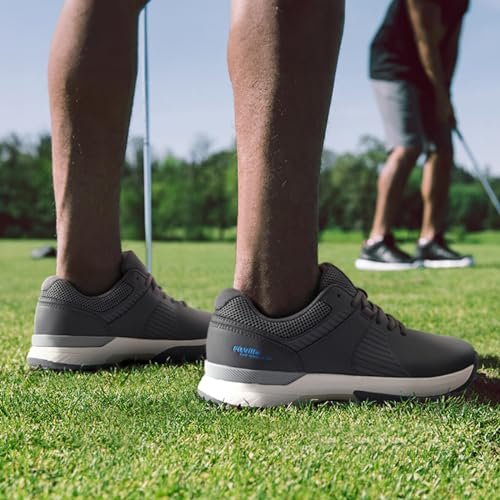
Golf shoes are made from a mix of leather, synthetic textiles, rubber, foam, plastic, and adhesives. Each material has a job. The upper supports the foot, the midsole cushions each step, and the outsole helps you stay steady during the swing. Some golf shoes also use waterproof membranes, metal or plastic spikes, or molded traction bars.
The right material mix depends on how you play. A beginner who walks nine holes needs comfort and grip. A low-handicap player may care more about ground feel and swing stability. Juniors, seniors, and golfers who play in wet climates may need different features. Understanding the materials makes it easier to see how golf shoes work on the tee box, fairway, rough, bunker, and green.

Quick answer: What are golf shoes made of?
Golf shoes are usually made of an upper, midsole, outsole, insole, lining, and traction system. The upper may use leather, synthetic leather, mesh, knit fabric, or waterproof textiles. The midsole often uses foam, while the outsole uses rubber or firm plastic. Spikes, if present, are often made of molded plastic or another hard material. These parts work together to support balance, comfort, grip, and weather protection.

The main parts of a golf shoe
A golf shoe is more than a sole with a few spikes. It is a small support system for walking, turning, and transferring force through the feet during the golf swing. Every part affects comfort, stability, heat, weight, or water resistance.
The upper supports and protects the foot
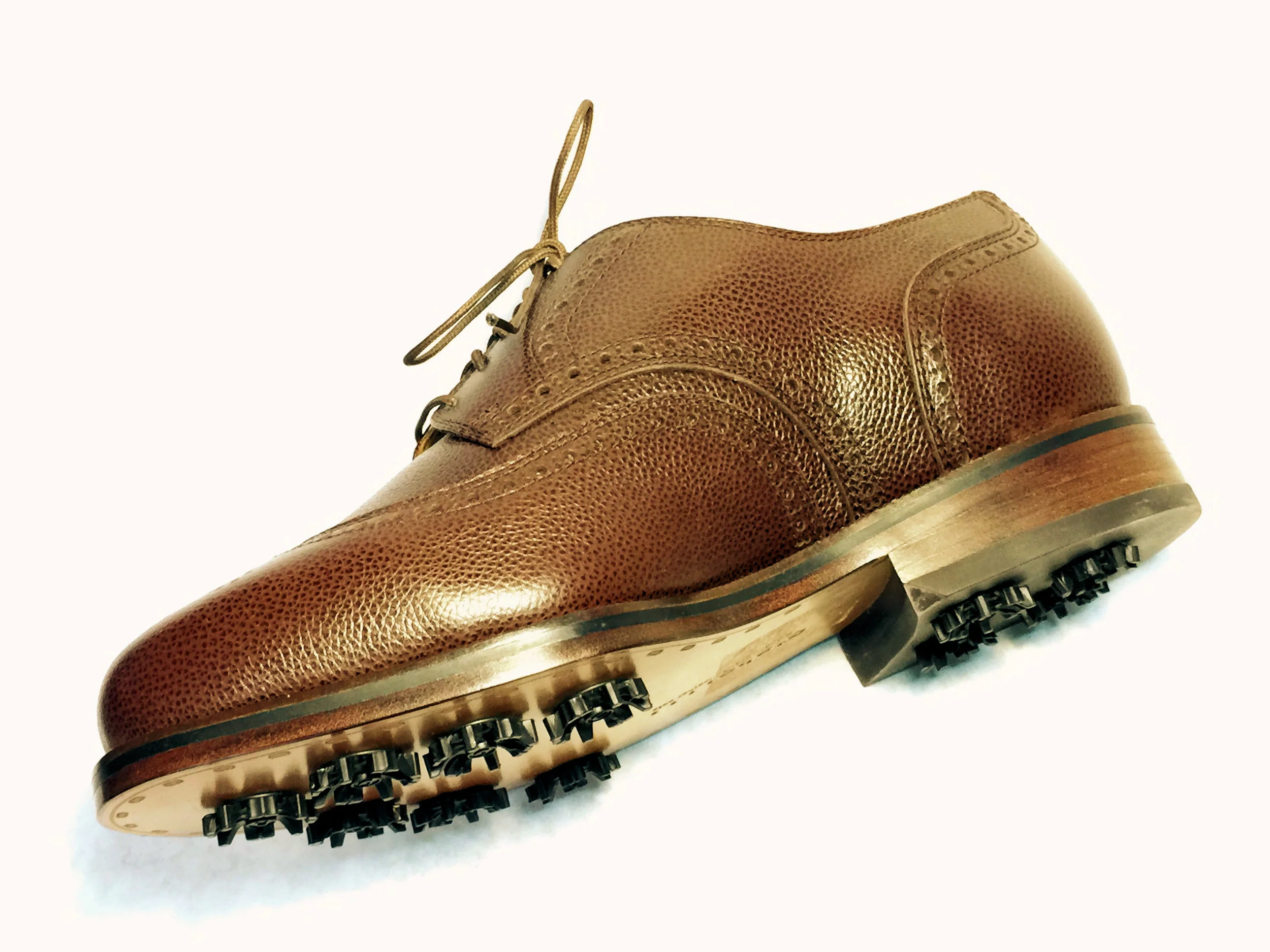
The upper is the part that covers the top and sides of the foot. It may be made from full-grain leather, synthetic leather, mesh, knit fabric, or a blend of materials.
Leather can feel firm and supportive. Synthetic materials can reduce weight and make the shoe easier to shape. Mesh and knit fabrics allow more air to pass through, which can suit golfers in hot weather. Waterproof versions often add a sealed layer or membrane beneath the outer material.
The upper also holds the laces, tongue, heel counter, and toe box. The heel counter is a firm section that helps keep the heel from sliding. The toe box gives the toes room to spread and balance.

The midsole cushions each step
The midsole sits between the upper and the outsole. It is often made from foam, such as ethylene-vinyl acetate, polyurethane, or a similar cushioning compound.
This layer absorbs some shock when you walk. It also helps reduce the force that travels from the ground into the feet, ankles, knees, and back. A softer midsole may feel comfortable during a long round. A firmer midsole may provide a more direct feel during the stance and swing.
Foam slowly changes with use, heat, moisture, and age. That does not mean a shoe has a fixed lifespan for every golfer. A walking golfer may stress the midsole more than someone who rides in a cart. A heavier player may also compress the foam more quickly.
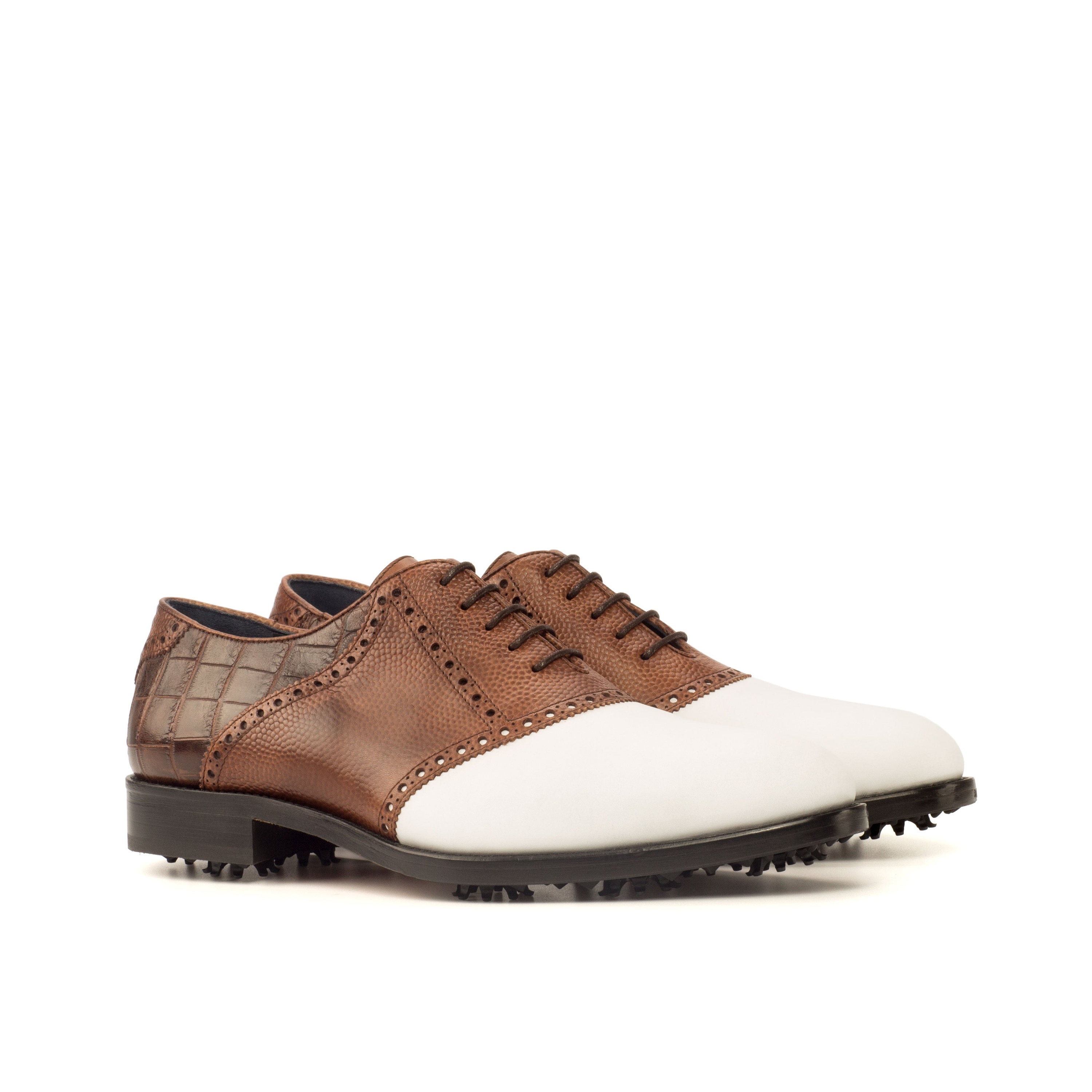
The outsole meets the ground
The outsole is the bottom layer of the shoe. It is often made from rubber, thermoplastic rubber, polyurethane, or firm molded plastic.
The outsole has two main jobs. It protects the foot from the ground and helps create traction. It also influences how much the golfer feels the turf beneath the feet.
A flexible rubber outsole may suit walking and casual movement. A firmer outsole may feel more stable during the backswing and downswing. There is no single best material for every player. Comfort, turf type, weather, swing speed, and walking habits all matter.

The insole shapes comfort and foot support
The insole sits inside the shoe under the foot. It may contain foam, fabric, molded support material, or several layers.
The insole affects how the arch and heel feel during a round. Some golfers prefer a flat, natural feel. Others need more support because of foot shape or fatigue. A golfer with persistent foot, knee, hip, or back pain should ask a medical professional for advice rather than treating the shoe as a cure.
For beginners, the key test is simple: the toes should not feel cramped, the heel should not lift sharply, and the foot should not slide inside the shoe during a slow practice swing.

The lining and tongue improve fit
The lining is the material inside the shoe. It may use fabric, mesh, synthetic leather, or soft padding. A smooth lining can reduce rubbing. A breathable lining can help move heat away from the foot.
The tongue sits beneath the laces. It spreads pressure across the top of the foot. Some tongues include padding, while others use thin mesh to reduce weight.
A poor fit can change posture. If a shoe pinches, a golfer may shift weight or stand unevenly. That can affect the stance, grip, backswing, impact, and follow-through.

| Shoe part | Common materials | Main purpose |
|---|---|---|
| Upper | Leather, synthetic leather, mesh, knit textile | Protects and supports the foot |
| Midsole | EVA foam, polyurethane foam, molded cushioning | Absorbs shock and adds comfort |
| Outsole | Rubber, thermoplastic rubber, firm plastic | Contacts the ground and adds grip |
The upper controls fit and weather protection. The midsole controls much of the walking feel, while the outsole has the greatest effect on traction.
Common materials used in golf shoes
The material used in a golf shoe changes its weight, flexibility, breathability, water resistance, and feel. No material is perfect in every condition.

Leather golf shoe materials
Leather has long been used in golf footwear because it can feel strong, smooth, and supportive. It can also shape around the foot over time.
Full-grain leather has a dense outer surface. It often resists light moisture and scuffs when cared for properly. However, leather may feel warmer and less flexible than thin mesh. It also needs suitable cleaning and drying habits.
Some golf shoes use treated leather or combine leather panels with synthetic sections. This can balance support and flexibility. A golfer who walks on cool, damp courses may value the stable feel of leather, while a golfer in hot weather may prefer more ventilation.

Synthetic leather
Synthetic leather is made from man-made layers placed over a fabric or foam base. It can look and feel similar to leather, but it is not animal hide.
This material is easy to shape into panels. It can support the toe, heel, and sides of the foot. It may also make it easier to create smooth outer surfaces that shed light moisture.
Synthetic leather can vary widely. A thin version may feel light and flexible. A thick version may feel more structured. The label alone does not tell you the full performance of the shoe, since the lining, foam, seams, and outsole also matter.

Mesh and knit fabrics
Mesh is a woven or layered textile with small openings. Knit fabric is formed from linked yarns. Both can make a shoe light and breathable.
These materials can suit summer golf, indoor practice, and golfers who dislike a warm upper. They may also flex well when walking. However, open fabric can allow water, dew, or wet grass to reach the foot unless it has a waterproof layer.
Mesh and knit can offer less outer structure than leather. That may not matter to a casual beginner. A golfer with a fast swing, strong weight shift, or a need for firm lateral support may prefer a more structured design.

Waterproof membranes and coatings
Waterproof golf shoes may use a membrane, coating, sealed seam, or a mix of these features. A membrane is a thin layer designed to block liquid water while allowing some vapor to pass.
The upper material alone does not decide whether a shoe is waterproof. Seams, tongue construction, openings, and the connection between the upper and sole also matter. Water can enter through the collar or lace area even when the outer panel resists rain.
Waterproof materials can feel warmer than open mesh. That tradeoff matters on humid days. For wet morning rounds, damp rough, and links-style conditions, water resistance can help keep the feet more comfortable.

Rubber and plastic traction materials
Rubber is common in spikeless outsoles because it can flex and grip the turf. Some designs add molded rubber lugs or bars. Others use firm plastic traction elements.
Plastic can create a stable base without adding much weight. Its shape matters as much as its chemical makeup. Wide traction bars, small nubs, and replaceable cleats each interact with grass in a different way.
Traction should support a stable stance without damaging the course. Golfers must also follow local rules and course policies. Some courses limit certain types of spikes or require specific footwear.

| Material | Strengths | Limits |
|---|---|---|
| Leather | Supportive, smooth, durable feel | Can be warmer and less flexible |
| Synthetic leather | Light structure, easy shaping | Quality and breathability vary |
| Mesh or knit | Light, flexible, breathable | May need added protection from water |
| Rubber | Flexible grip and walking comfort | Can wear on hard surfaces |
| Plastic | Firm traction and low weight | May feel stiff or change turf contact |
A material should be judged by its complete design, not by its name alone. A well-built mesh shoe may offer more support than a poorly structured leather shoe.
How golf shoe materials affect your swing
Golf shoes do not create a swing. They can, however, influence the way your feet interact with the ground. The feet are the base of the stance, and the stance affects posture, balance, and weight shift.

Grip during the backswing and downswing
During the backswing, many golfers shift pressure toward the trail foot. During the downswing, pressure moves toward the lead side. The amount and timing vary with swing style, club, flexibility, and skill level.
A sole with useful traction can help the feet stay placed while the body turns. This may matter more for players with higher swing speed or an aggressive transition. A beginner with a slow tempo may notice comfort before noticing traction.
Too little grip can allow the foot to slide. Too much grip can make turning feel blocked, especially if the shoe catches the turf while the knees and hips rotate. Good traction supports movement; it should not fight natural motion.
Stability at impact
Impact is the brief moment when the club meets the ball. A stable base can help a golfer control the lower body and keep balance through impact.
Firm materials in the heel and sidewall may reduce unwanted foot movement. A broad outsole may spread pressure across the ground. These features can help a golfer who sways or loses balance, but they do not replace work on posture, grip, or tempo.
Improving amateurs should pay attention to balance rather than chasing a rigid feel. A stable stance should still let the ankles, knees, hips, and torso move in sequence.
Comfort during the follow-through
The follow-through continues after impact. A golfer should finish in balance, with the body facing the target and weight mostly on the lead side.
A flexible outsole may make this turn feel natural. A stiff shoe may feel secure but can limit movement for some players. The best match depends on ankle mobility, leg strength, age, and swing pattern.
Seniors and golfers returning from injury may need to value comfort and easy walking. Younger players and strong athletes may tolerate firmer materials, but they still need a natural range of motion.
💡 Pro Tip: For a simple fit check, take a few slow practice swings. Watch whether your heel lifts, your toes grip the floor, or your foot slides inside the shoe. These signs often point to a fit or stability issue, not a swing fault.
| Golfer or condition | Material traits that may help | Why it matters |
|---|---|---|
| Beginner walking nine holes | Cushioning, flexible rubber, breathable lining | Reduces early foot fatigue |
| Fast swing or forceful transition | Firm heel, stable sidewall, secure outsole | Helps control foot movement |
| Senior golfer | Cushioning, light weight, easy flex | Supports comfort and walking |
| Junior golfer | Flexible build, light upper, proper foot space | Allows natural growth and movement |
| Hot climate | Mesh, knit, ventilated lining | Helps reduce heat and dampness |
| Wet climate | Membrane, sealed seams, water-resistant upper | Helps keep feet dry |
These are general guidelines, not medical rules. A golfer with pain or a known foot condition should seek personal advice from a qualified clinician.
Spiked and spikeless golf shoes
The main difference between spiked and spikeless golf shoes is how they create traction. Spiked shoes use separate cleats or replaceable spikes. Spikeless shoes use molded patterns, rubber elements, or traction bars built into the outsole.
How spiked shoes are made
Spiked golf shoes use a sole with attachment points. A cleat screws or locks into each point. The cleat may use hard plastic or another durable material.
The cleats raise the foot slightly from the ground. This can give strong grip in wet grass, soft turf, or during a powerful swing. It can also make walking on hard paths less natural.
A course may set rules about permitted spike types. Metal spikes are restricted or prohibited at many facilities, while soft or molded systems are more common. Always check the latest Rules of Golf and local course policies.
How spikeless shoes are made
Spikeless golf shoes have traction features molded into the outsole. These may look like small lugs, circles, waves, or bars.
They can feel more like regular walking shoes. This suits golfers who move between the parking area, clubhouse, driving range, practice green, and course. Their performance depends on outsole shape, rubber compound, grass condition, and wear.
Spikeless traction can lose effectiveness when the tread becomes smooth. Dirt and grass can also fill the pattern. Cleaning the outsole helps preserve contact with the ground.
| Feature | Spiked design | Spikeless design |
|---|---|---|
| Traction method | Separate cleats attach to the sole | Molded rubber or plastic patterns |
| Turf feel | Often more planted | Often more flexible and natural |
| Walking on hard ground | May feel less comfortable | Usually feels easier |
| Wet or soft turf | Can offer strong grip | Depends on tread and ground condition |
| Course policy | May have spike restrictions | Often accepted, but local rules apply |
Spiked and spikeless designs can both suit skilled golfers. The better choice depends on course conditions, walking habits, swing force, and local policy.
Materials for different golfers and playing conditions
Golf shoes serve different people. A junior learning grip and stance has different needs from a senior walking 18 holes. A woman, man, or left-handed golfer does not need a special material simply because of that identity or playing side. Foot shape, fit, movement, and conditions matter more.
Golf shoes for beginners
Beginners should focus on a secure fit, basic comfort, and enough traction for normal practice and play. New golfers often spend time on the driving range, putting green, and short-game area before playing a full round.
A soft upper and moderate cushioning can make learning more pleasant. The shoe should support a balanced stance without feeling stiff. Beginners do not need to copy the footwear preferences of low-handicap players.
Learning golf takes time. A beginner may need several practice sessions to feel natural with grip, posture, ball position, chipping, pitching, bunker shots, and putting. Comfortable footwear can remove one small distraction.
Shoes for improving amateurs
Improving players may notice how the sole affects pressure shift and rotation. They may also walk farther, practice more often, or play on courses with steep slopes.
A firmer heel and stable sidewall can suit a player who creates more ground force. Yet the shoe should still allow the lead foot to turn during the downswing and follow-through. A rigid base may not suit a golfer with limited ankle or hip mobility.
Players working to lower a handicap index should avoid blaming footwear for a slice, hook, fat shot, or thin shot. These faults usually involve club path, face angle, strike, posture, or timing. Shoes can support movement, but they do not replace sound instruction.
Shoes for seniors
Senior golfers often benefit from a balance of cushioning, easy flex, and secure heel support. Age alone does not decide the right material. Fitness, joint health, walking distance, and previous injuries matter more.
A golfer with a sore back may value shock absorption. A golfer with ankle weakness may need more structure. A golfer with healthy mobility may prefer a lighter, more flexible feel.
Warm up before a round. Use gentle ankle circles, calf raises, hip movements, and easy practice swings. Stop if pain grows, and ask a doctor about persistent pain.
Shoes for women
Women’s feet can differ in width, heel shape, arch shape, and pressure points, just as men’s feet vary. The important issue is foot shape, not a simple label.
Some golfers need more room in the toe box. Others need a secure heel or a narrower midfoot. The upper material and lacing system should hold the foot without creating numbness or hot spots.
Women who play in hot weather may value breathable materials. Those who walk wet courses may prefer stronger water protection. These needs also apply to many men, juniors, and seniors.
Shoes for juniors
Junior golfers need footwear that fits the current foot. Oversized shoes can let the foot slide and may affect balance, stance width, and confidence.
A light, flexible upper can support natural movement. The outsole should provide enough traction for safe practice without making the shoe feel heavy. Parents should check for rubbing, toe pressure, and heel movement after practice.
Junior golfers also need safe habits. Keep a clear space around every swing area, stay alert near carts, drink water, and use sun protection. Footwear is only one part of a safe golf routine.
Right-handed and left-handed golfers
Golf shoe materials do not change based on whether a golfer is right-handed or left-handed. Both players need balanced support and reliable traction.
However, swing patterns can place different demands on each foot. A right-handed golfer may load the trail right foot during the backswing and the lead left foot during the downswing. A left-handed golfer reverses those roles.
A golfer with unusual wear on one side should check stance, walking pattern, and fit. One-sided wear can also relate to posture or movement habits.
| Playing setting | Main material concern | Useful question |
|---|---|---|
| Dry parkland course | Comfort and flexible traction | Can I walk and turn with ease? |
| Wet morning round | Water resistance and sealed seams | Will dew reach the foot? |
| Links course | Wind, firm ground, and uneven turf | Does the sole stay stable without feeling stiff? |
| Executive course | Light weight and easy walking | Can I move comfortably between shots? |
| Driving range | Durable upper and outsole | Can the shoe handle repeated practice? |
| Practice green | Gentle traction and clean outsole | Could the tread mark or disturb the surface? |
Course type changes the demand on footwear. A flat executive course may be easy to walk, while a hilly course can test cushioning, grip, and foot stability.
Waterproof golf shoes and breathability
Waterproof golf shoes are made by combining a water-resistant outer material with a barrier layer, sealed construction, or protective coating. Breathable golf shoes usually use mesh, perforated panels, knit fabric, or a lining that allows more air movement.
What makes a golf shoe waterproof?
A waterproof shoe must limit water entry through the outer material, seams, tongue, and collar. The sole connection must also resist leaks.
Some shoes use a waterproof membrane. Others use coated synthetic material or treated leather. A water-resistant shoe may handle dew and light moisture but not remain dry in heavy rain.
Waterproofing can decline when the outer layer cracks, the seam seal breaks, or the upper becomes worn. Dry shoes at room temperature. Strong heat can damage adhesives, foam, leather, and waterproof layers.
What makes a golf shoe breathable?
Breathability depends on air flow and moisture transfer. Mesh has open spaces that allow air through. Knit fabric can flex and vent heat. Thin linings may feel cooler than thick padding.
Breathability and waterproofing often involve a tradeoff. A dense barrier blocks more water but may reduce air movement. An open upper feels cooler but may let in rain and wet grass.
In hot weather, wear suitable socks, drink water, and take shade breaks when possible. Heat affects the mental game, focus, and swing tempo as well as the feet.
⚠️ Safety Warning: Leave the course at the first lightning warning or when the facility tells you to stop. Golf shoes do not protect against lightning. In heat, use water, sun protection, and rest breaks.
| Condition | Likely material priority | Possible tradeoff |
|---|---|---|
| Hot, dry day | Mesh, knit, ventilated lining | Less rain protection |
| Cool, wet morning | Membrane, treated upper, sealed seams | Less air flow |
| Heavy rain | Strong water barrier and covered tongue | More heat and weight |
| Dry, firm turf | Flexible rubber or molded traction | Less need for deep cleats |
| Soft, slippery turf | Firm traction elements | May feel less natural on paths |
Weather can change during a round. Check the course forecast and your own comfort rather than relying on one material label.
Golf shoe construction and course care
Golf shoes interact with living turf. Their outsole pattern, pressure, and cleanliness can affect grass, especially on delicate greens and wet ground.
Protecting greens and fairways
Walk carefully near the putting surface. Avoid dragging your feet. Do not twist sharply on the green unless the course permits normal movement under its local practices.
Repair ball marks, replace divots, and rake bunkers. Keep carts away from restricted areas. Follow signs near wet ground, young turf, and protected zones.
Cleaning different materials
Remove loose grass and soil after play. Use a soft brush for fabric and textured surfaces. Wipe leather or synthetic panels with a suitable damp cloth and let them dry naturally.
Do not place wet golf shoes against a heater or leave them sealed in a damp bag. Heat can warp materials and weaken glue. Clean outsole grooves so traction patterns do not fill with mud.
Why worn materials matter
Worn tread can reduce grip. A flattened heel can change foot alignment. A compressed midsole can make walking feel harder. Cracked leather, split seams, and loose cleats can also affect comfort and stability.
Inspect the shoes before a competition, junior event, or long walking round. This is not about appearance. It is about safe movement and a consistent stance.
🌿 Course Care Note: Clean mud from the outsole before walking onto a putting green. Small habits protect turf and show good golf etiquette.
| Sign of wear | Possible effect | Sensible response |
|---|---|---|
| Smooth outsole tread | Less grip on wet grass | Inspect traction and walk carefully |
| Split upper seam | Water entry and foot movement | Stop using the shoe if fit becomes unsafe |
| Compressed midsole | Less cushioning | Reduce long walking until comfort improves |
| Loose cleat | Uneven stance or turf damage | Follow the manufacturer’s maintenance method |
| Cracked lining | Rubbing and blisters | Check fit and skin irritation |
If a shoe causes pain, numbness, or repeated blisters, stop and address the cause. Persistent pain deserves medical advice.
Golf shoe materials and Rules of Golf
The Rules of Golf do not generally require one universal shoe material. Golfers must still follow the current Rules of Golf, local rules, and event policies.
Spikes and local rules
A committee may set conditions about footwear or spike types. Some facilities prohibit traditional metal spikes because they can damage surfaces. Others may have rules for practice areas, clubhouses, or competition rounds.
Check the latest Rules of Golf and your local committee for updates. A course’s house policy may apply even when a specific issue is not a penalty under the main Rules.
Moving the ball and using the feet
Golf shoes do not give permission to improve a lie. A player may not press down grass, move loose impediments improperly, or improve the area of intended stance outside the allowances in the Rules.
A golfer must also avoid gaining an unfair advantage from unusual actions. If you are unsure whether a shoe, spike, or stance action affects the lie or area of swing, ask a rules official or the committee before continuing.
Stroke play, match play, and casual rounds
In stroke play, every player counts total strokes. In match play, players compare holes. Casual play may use formats such as scramble or Stableford, but the event committee sets the conditions.
Footwear rules can matter more in organized events. Parents of junior golfers should read the event notice. Players in club competitions should check local conditions before teeing off.
📜 Check the Rules: Rules and equipment policies can change. Check the latest Rules of Golf, the event conditions, and the local committee before a tournament.
Pros and limits of common golf shoe materials
Every material has strengths and limits. A clear comparison helps golfers understand why one design may feel good in one season but less useful in another.
| Material approach | Pros | Cons |
|---|---|---|
| Leather upper | Strong support and smooth feel | May feel warm or stiff |
| Synthetic upper | Light structure and easy shaping | Breathability varies |
| Mesh or knit upper | Light and airy | Less protection from water |
| Waterproof membrane | Helps block rain and dew | May reduce ventilation |
| Soft foam midsole | Comfortable walking feel | May compress with heavy use |
| Firm outsole | Stable ground contact | Can feel less flexible |
The best material depends on the golfer and the course. A walking senior may value cushioning, while a strong player on soft turf may value firm traction.
Common misconceptions about what golf shoes are made of
Golf shoe materials often lead to simple but misleading claims. The shoe’s full structure matters more than one material name.
“Leather is always better than synthetic material”
Leather can feel durable and supportive, but synthetic materials can also provide structure, water resistance, and low weight. Quality, construction, fit, and care all matter.
“Spikes always give better traction”
Spikes can provide strong grip in some conditions. Spikeless designs can also offer useful traction through rubber patterns and firm bars. Wet turf, outsole shape, swing force, and wear affect the result.
“Waterproof means cool and dry in every condition”
Waterproof materials can block outside water. They cannot stop all sweat or heat. Breathable socks, proper fit, weather planning, and breaks still matter.
“A golf shoe can fix a swing fault”
A golf shoe cannot fix a slice, hook, shank, fat shot, or poor putting stroke. It may support balance, but swing changes require practice, feedback, and sometimes a lesson with a PGA professional.
How to assess golf shoe materials before a round
You can learn a great deal from a short inspection and a few simple movements. This suits beginners, parents, and improving golfers who want to understand fit without overthinking equipment.
A simple material and fit checklist
- Check that the upper holds the foot without pinching.
- Press the toe area and make sure the toes can move.
- Walk on a firm surface and watch for heel lift.
- Bend the shoe near the ball of the foot.
- Look at the outsole pattern for clean, even traction.
- Check seams and the tongue for likely water entry.
- Take slow practice swings and notice sliding or pressure points.
The shoe should feel secure when you stand in your golf posture. It should also allow a natural weight shift and follow-through.
When a lesson may help more than new footwear
If you keep slipping, first check the lie, grass, stance width, balance, and swing tempo. A PGA professional can observe whether the problem comes from the shoes or from movement.
A lesson suits golfers with a recurring slice, hook, loss of balance, or painful weight shift. Seek medical advice for ongoing back, knee, ankle, elbow, or wrist pain. Do not practice through sharp pain.
Frequently asked questions
Q: Are golf shoes made from real leather?
A: Some golf shoes use real leather, often in the upper. Others use synthetic leather, mesh, knit fabric, or a blend. The material should be judged by its support, fit, breathability, water resistance, and comfort.
Q: Are synthetic golf shoes waterproof?
A: Not always. Synthetic material may resist some moisture, but waterproofing depends on coatings, membranes, seams, the tongue, and the sole connection. Check the full construction rather than assuming all synthetic shoes are waterproof.
Q: Are spikeless golf shoes made of rubber?
A: Many spikeless golf shoes use rubber or rubber-like compounds in the outsole. They may also include firm plastic traction elements. The tread pattern is as important as the material.
Q: What materials are best for golf in the rain?
A: A water-resistant upper, waterproof barrier, and sealed seams can help in rain. The shoe should also have traction suited to wet grass. No material keeps feet comfortable if water enters through the collar or if the golfer stands in deep puddles.
Q: What are golf shoes made of for beginners?
A: Beginners can use golf shoes made from leather, synthetic leather, mesh, knit, or mixed materials. A secure fit, moderate cushioning, and reliable traction matter more than the material name.
Q: What golf shoe materials suit seniors?
A: Many senior golfers prefer cushioning, light weight, a flexible forefoot, and a secure heel. The right choice depends on walking distance, balance, joint health, and foot shape.
Q: Do women’s golf shoes use different materials?
A: Women’s golf shoes may use the same broad materials as men’s shoes, including leather, synthetic textiles, mesh, foam, rubber, and plastic. The main difference is often the shape of the footbed, heel, toe box, and overall fit.
Q: What materials are safest for junior golfers?
A: Juniors need a light, flexible, well-fitting shoe with enough traction. Oversized footwear can affect balance and movement. Parents should check for rubbing, heel slip, and toe pressure after practice.
Q: Can golf shoes damage a putting green?
A: Any footwear can damage turf if a golfer drags feet, twists sharply, walks in restricted areas, or ignores course conditions. Follow local instructions, repair ball marks, and keep outsole patterns clean.
Q: Do golf shoes affect swing speed?
A: Golf shoes do not directly create swing speed. They can affect balance, traction, and comfort. Swing speed depends more on technique, mobility, strength, sequencing, and tempo.
Q: How long does it take to get used to golf shoes?
A: Many golfers adjust after a few short walks and practice swings. A stiff or unusual sole may take longer. Wear the shoes during limited practice before using them for a long round or tournament.
Q: Can golf shoes help with a slice?
A: Golf shoes cannot correct a slice by themselves. A slice often relates to an open clubface, swing path, grip, posture, or impact pattern. A PGA professional can help identify the cause.
Q: Can I wear golf shoes off the course?
A: Spikeless shoes may feel comfortable on paths and other firm surfaces, but course and facility policies still apply. Spiked shoes may feel awkward or cause damage on hard floors.
Final thoughts
Golf shoes are made from several materials because golf asks a lot from the feet. Leather and synthetic panels can support the upper. Mesh and knit fabrics can improve air flow. Foam can cushion the midsole, while rubber and plastic create traction beneath the foot.
The best material mix depends on the golfer, not a simple label. Beginners need a stable and comfortable base for learning. Improving players may notice ground contact during the swing. Seniors, juniors, women, men, left-handed players, and right-handed players should all focus on fit, movement, weather, and course conditions.
Use footwear as one part of a sound golf routine. Warm up, keep a balanced stance, respect the course, follow local rules, and seek professional or medical advice when a problem continues. A well-made golf shoe should support the game without becoming a distraction.