What Golf Shoes Does Jason Day Wear: Brand And Model
Jason Day is known for a bold look on the golf course, but his footwear choice is more than a style detail. His golf shoes must support a fast swing, steady footwork, long walks, wet turf, firm fairways, and the many small movements that happen during a professional round.
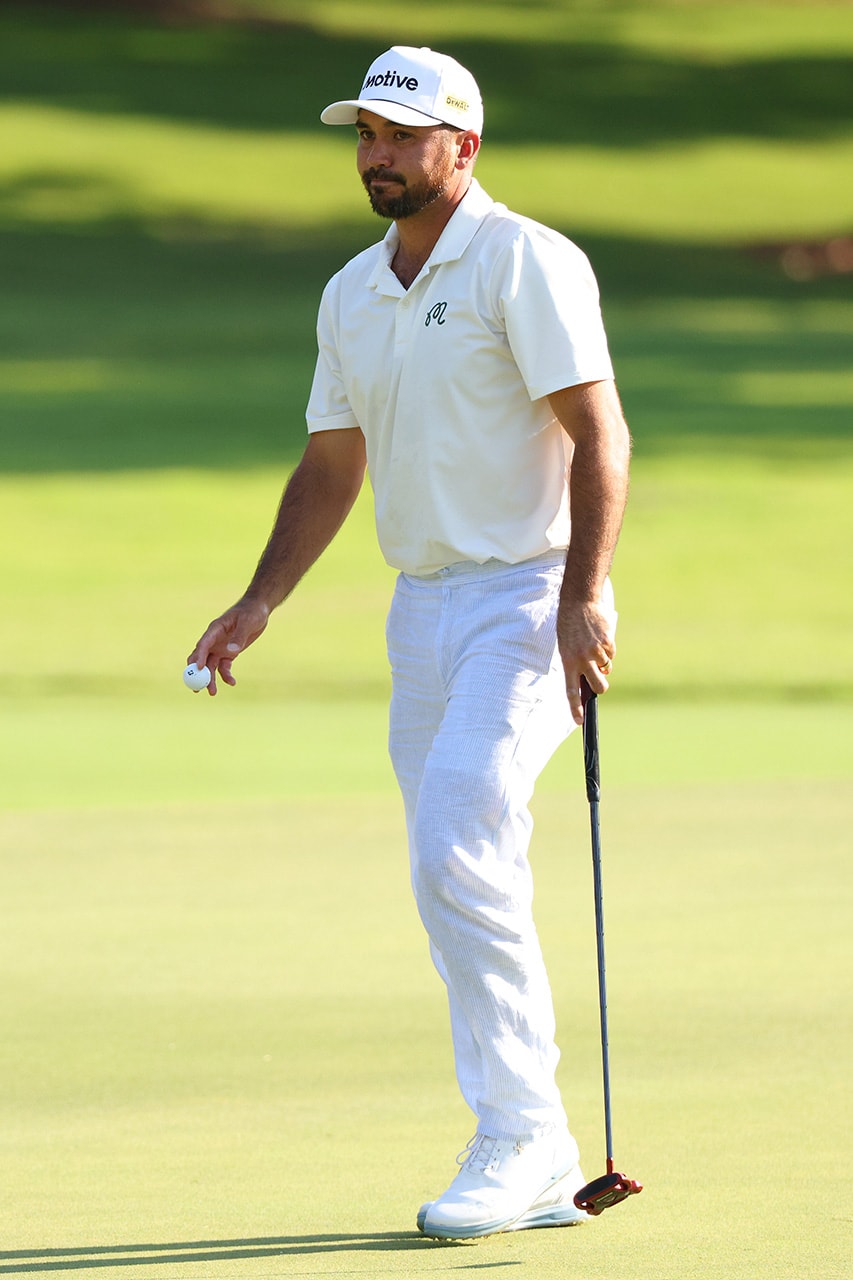
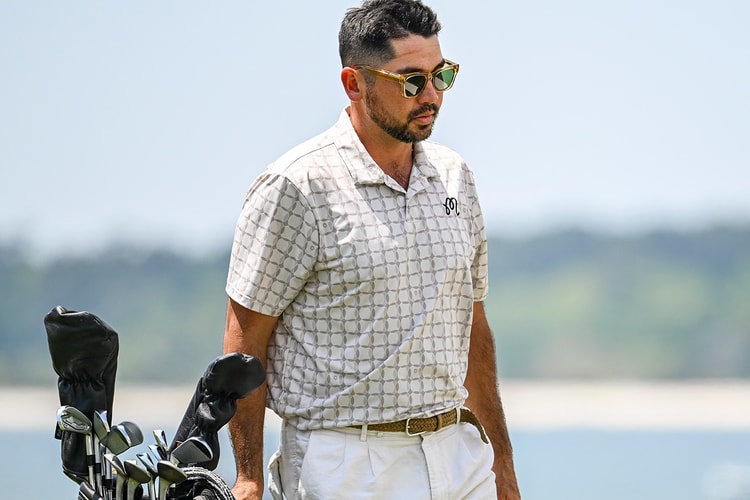
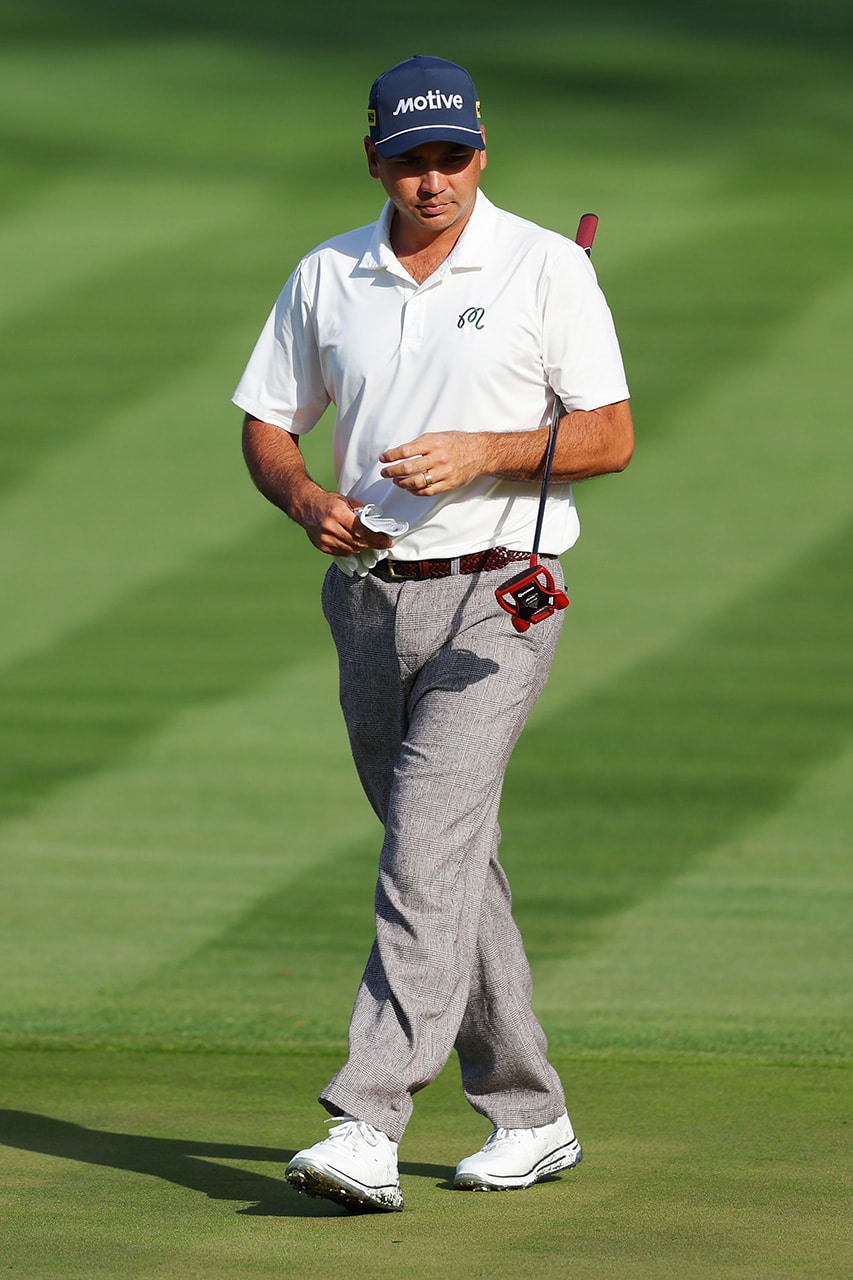
The clearest recent answer is that Jason Day has worn FootJoy golf shoes, including the FootJoy Premiere Series line, while representing Malbon Golf. His apparel partnership with Malbon does not always mean that the shoes are made by Malbon. Footwear can follow a separate agreement, and player equipment can change from one event, season, or course setup to another.
Older images also show Day in adidas golf shoes, especially during the long period when adidas was his main apparel and footwear partner. That history matters because many online searches still connect Jason Day with adidas models. For the most current event, the safest approach is to check the tournament broadcast, player photos, or official brand information.

Quick answer: What golf shoes does Jason Day wear?
Jason Day has most recently been seen wearing FootJoy golf shoes, especially models from the Premiere Series, while wearing Malbon Golf clothing. Earlier in his career, he commonly wore adidas golf shoes, including Tour360-style models. His exact pair may change by event, weather, course condition, and sponsorship arrangement, so there is not one permanent Jason Day golf shoe.

Jason Day’s current golf shoe connection
The main point is simple: Jason Day’s current golf shoe association is separate from his Malbon clothing partnership. This is useful because fans often assume that every visible item comes from the same company.
Jason Day joined Malbon Golf as a major apparel figure. Malbon is known for a relaxed, fashion-led golf style. Day’s clothing often includes wide-leg trousers, knit layers, bold colors, and other looks that differ from standard tour uniforms. His shoes, however, have been linked with FootJoy in recent appearances.
FootJoy is a long-established golf footwear company. Its Premiere Series shoes use a classic tour shape, a structured upper, and a golf-specific outsole. The line is designed for players who want firm support during the swing but still need comfort while walking from the tee box to the green.
Day’s footwear is not only about appearance. A professional golfer may walk five or more miles during a round. He also swings at high speed, practices for long periods, and plays on different turf types. A shoe must manage pressure under the heel, arch, and forefoot without making the golfer feel locked in place.
Why the answer can change
Professional golfers often test or wear different shoes during practice rounds, pro-ams, and tournament play. A player may also use a different model when the course is wet, when the ground is unusually firm, or when a tournament has a special clothing theme.
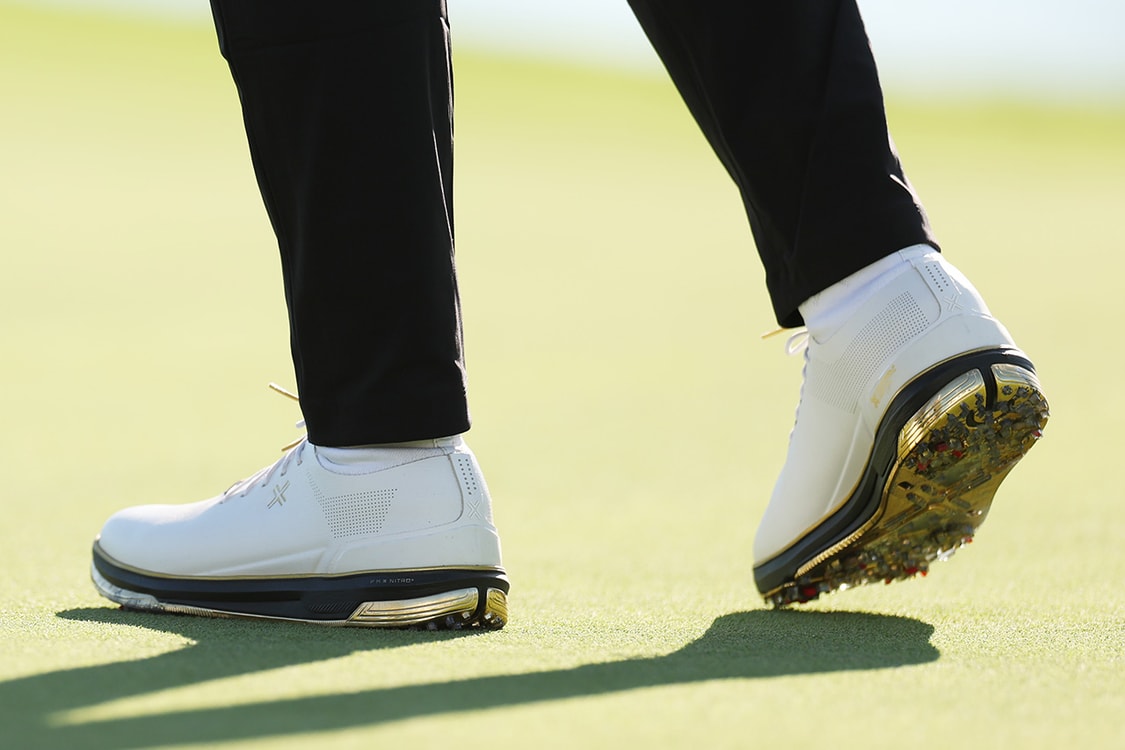
A televised image can also make the shoe hard to identify. Logos may be covered by mud, grass, or shadow. Some shoes look similar from a distance. A white leather shoe, for example, may resemble several tour models.
This is why a careful answer uses terms such as “recently seen wearing” rather than claiming that Day wears one model in every round.

A short timeline of Day’s footwear
Jason Day became one of the most visible adidas golfers during the 2010s. He wore adidas clothing and golf shoes through many major championship appearances. Tour360-style footwear was a common part of that period because it matched the needs of a powerful player who values traction and stability.
Later, Day’s public style changed. His move toward Malbon clothing brought more attention to the contrast between fashion and performance golf gear. FootJoy became the more relevant footwear name in recent appearances.
The table below separates the broad eras without pretending that every tournament used the same shoe.
| Period or setting | Shoe association | What to understand |
|---|---|---|
| Earlier professional years | adidas golf shoes | Day was strongly linked with adidas clothing and footwear |
| Recent Malbon period | FootJoy golf shoes | Recent images often show FootJoy, including Premiere Series styles |
| Practice or special events | May vary | Players can test different shoes or use event-specific footwear |
The key takeaway is that Jason Day has worn both adidas and FootJoy golf shoes during his career. For a current answer, FootJoy is the stronger reference, but the exact model should be verified for the event being discussed.

What makes Jason Day’s golf shoes suitable for his game?
Jason Day’s shoes need to support high-level movement, not just a clean look. A tour player creates large ground forces during the downswing, and the shoes must help maintain contact with the turf without stopping natural motion.
A typical golf swing begins with pressure shifting into the trail foot during the backswing. During the downswing, pressure moves toward the lead side. At impact, the lead foot must help the body brace and rotate. A good golf shoe can help provide a stable base for this movement.
This does not mean the shoe creates swing speed by itself. Grip, posture, stance, balance, strength, and swing technique still matter more. The shoe is one part of the complete movement system.
Traction during the swing
Traction is the shoe’s ability to resist unwanted sliding. On a dry fairway, a golfer may need less aggressive grip than on wet grass. On a steep lie, traction becomes even more important because the golfer is already working against the slope.
Jason Day is known for a powerful swing and fast clubhead speed. His lead foot must stay connected to the ground while his hips and torso rotate. If the foot slides at the wrong moment, the golfer can lose balance or change the club path.
Tour golf shoes often use cleats, advanced traction patterns, or a blend of both. The design must offer grip without digging so deeply into the turf that it harms the player’s movement or the course surface.
Support without excess stiffness
A shoe can feel stable but still allow the foot to move in a natural way. This balance matters for walking, putting, chipping, and full swings.
Too much side-to-side movement may make a golfer feel unstable. Too much stiffness may make the foot feel tired. A professional player may walk for hours, then repeat full swings on the practice range after the round.
For beginners, this lesson is important. A shoe does not need to feel like a rigid boot to support the swing. The right level of support depends on foot shape, body weight, walking habits, swing speed, and personal comfort.
Waterproof protection
Professional golf often continues through damp mornings and light rain. Wet socks can cause blisters and make a long round much less comfortable. Waterproof materials can help keep the foot dry when the upper grass is wet or the course receives rain.
Waterproofing is not the same as full protection in deep water. A golfer should still avoid standing in puddles when possible. Water can enter through the tongue, collar, or opening around the ankle.
| Shoe feature | Why it matters to a tour player | Why it matters to a newer golfer |
|---|---|---|
| Traction | Helps resist sliding during fast rotation | Helps maintain balance on uneven lies |
| Midsole support | Reduces foot fatigue during long walking days | Can make the round feel more comfortable |
| Waterproof upper | Helps manage dew and rain | Helps reduce wet socks and blisters |
| Flexible forefoot | Supports walking and short-game movement | Makes the shoe feel less restrictive |
| Stable heel | Helps control motion during the swing | Can improve confidence at address |
The main takeaway is that a Jason Day-style shoe choice reflects the demands of tournament golf. A beginner does not need tour-level swing speed to benefit from stable, comfortable footwear, but comfort and fit remain personal.

FootJoy Premiere Series and the tour-shoe design
FootJoy’s Premiere Series is built around a traditional golf shoe shape with modern performance features. The style often includes a leather-like upper, a structured heel, and a golf outsole made for traction during the swing.
The series has included several different designs and sole systems. That means “Premiere Series” is a family name rather than one single shoe. One player may wear a different version from another player, even when both shoes look similar on television.
This distinction helps explain why it is difficult to identify the exact Jason Day model from one photo.
Classic look, modern movement
A classic golf shoe often has a lower profile and a cleaner shape than a running shoe. This can keep the foot closer to the ground and give the golfer a more direct feel under the soles.
Modern tour shoes still need to flex during walking. They may use soft interior padding, flexible forefoot sections, and materials that reduce pressure on the heel and ankle.
For an improving amateur, a traditional shoe shape can suit a golfer who likes a firm feel at address. It may not suit someone who prefers a very soft, wide, athletic shoe. Foot shape and comfort should guide the choice, not the player’s name alone.
Spiked and spikeless versions
Golf shoes can be divided into two broad groups:
- Spiked shoes, which use replaceable or fixed cleats.
- Spikeless shoes, which use molded traction patterns on the outsole.
Spiked shoes often provide a strong connection to soft or damp turf. Spikeless shoes can feel more natural when walking between the parking area, clubhouse, and practice green. Neither type is automatically best for every golfer.
The Rules of Golf do not require a player to wear a certain shoe style. The key issue is that shoes must not be designed to create an unfair advantage, such as unusual devices that damage or manipulate the putting green. Check the latest Rules of Golf and any event conditions before competition.
| Shoe type | Best fit for | Limits to consider |
|---|---|---|
| Traditional spiked | Wet turf, soft ground, strong swing forces | May feel less natural on hard paths |
| Spikeless | Dry conditions, walking comfort, mixed use | Traction may vary on wet slopes |
| Lightweight athletic style | New golfers, casual rounds, warm weather | May offer less structure for powerful swings |
A strong lesson for all skill levels is to match the sole to the course. A links course, a wet parkland course, and a dry executive course can place very different demands on footwear.

What golfers can learn from Jason Day’s footwear
The best lesson is not to copy a professional’s exact shoe. It is to understand why the shoe works for that player and whether the same needs apply to you.
Jason Day is a high-level player with a fast swing, advanced balance, and a demanding tournament schedule. He may need more stability than a beginner who makes a smooth half swing. At the same time, a beginner who walks nine holes may care more about comfort than a tour player who receives regular equipment support.
Match the shoe to your swing
A golfer with a fast tempo may place more force into the ground during the downswing. “Tempo” means the overall rhythm and timing of the swing. A fast tempo does not always mean a rushed swing, but it can increase the need for a secure base.
A golfer with a slower tempo may still benefit from traction. Even a gentle swing can become unstable on a wet slope, deep rough, or loose bunker surface.
A shoe should support the golfer’s natural motion. It should not force the feet to stay frozen. The feet need to maintain contact while the knees, hips, and torso rotate.
Match the shoe to walking habits
A rider may spend less time walking, but the golfer still walks from the cart to the ball and around the green. A walker needs comfort over a much longer distance.
Seniors may need extra cushioning and a stable heel. Women may prefer a narrower heel or a different forefoot shape, but women’s feet vary just as much as men’s feet. Juniors need flexible, properly sized footwear that does not weigh down the stride.
A shoe that suits Jason Day may not suit a junior golfer because a child’s foot and body are still developing. Parents should also watch for pressure points, heel slipping, and signs of fatigue.
Match the shoe to the course
A flat municipal course may be easy to walk. A hilly course can place much more stress on the feet and calves. A links course may have firm turf, strong wind, and uneven ground. A wooded course may have damp grass and soft areas near the rough.
The tee box, fairway, rough, bunkers, and green each create different footing. A golfer may need to stand on a side slope for an approach shot or take a wide stance in a bunker. Good footwear helps the golfer focus on the shot rather than on slipping.
Consider the player’s handicap
A handicap index reflects a golfer’s potential scoring ability relative to a course rating and slope rating. It does not directly tell you what shoes to wear.
A high-handicap golfer may take more swings, walk more slowly, and spend extra time in rough or bunkers. Comfort and basic traction can help that golfer stay focused.
A low-handicap golfer may notice small changes in balance and pressure. A competitive player may prefer a firm, precise feel. A beginner does not need to reach a certain handicap before using golf shoes. Footwear can be useful from the first lesson, provided it fits well and suits the setting.
| Golfer | Footwear priority | Why |
|---|---|---|
| Beginner | Comfort and basic traction | Builds confidence while learning stance and balance |
| Improving amateur | Stable feel and course versatility | Supports practice, chipping, pitching, and full swings |
| Low-handicap player | Precise fit and consistent ground contact | Small balance changes can affect impact |
| Senior golfer | Cushioning, fit, and secure heel | Helps manage walking and joint comfort |
| Junior golfer | Light weight and correct size | Supports natural movement and growing feet |
The main takeaway is that footwear needs change by golfer. Skill level, age, body type, walking distance, and course conditions matter more than celebrity status.
Jason Day’s shoes compared with ordinary golf footwear
Jason Day’s shoes may look different from everyday golf shoes because tour footwear is made for repeated practice and competition. Yet the basic design goals are similar: grip, comfort, balance, and protection from the ground.
A professional may notice details that a new golfer never feels. These can include heel hold, pressure under the lead foot, flex near the toes, and how the outsole behaves on firm turf.
That does not mean ordinary golfers need an exact professional setup. The main difference is the amount of stress placed on the shoe and the number of hours it must perform.
Full swing and short game
The full swing creates the largest forces. During the backswing, the trail foot accepts pressure. During the downswing, pressure moves toward the lead side. At impact, the lead foot helps the body rotate through.
Short-game shots need a different feel. A chip uses a shorter motion and often a narrow stance. A pitch may require more wrist hinge and a longer follow-through. A bunker shot needs a stable base in sand, but the golfer must also avoid digging the feet too deeply.
Putting requires less traction, but the golfer still needs a steady stance. Good green reading means judging the break and speed of the putt. Footwear cannot replace a sound putting routine, yet a comfortable stance can help the player stay still.
Walking and recovery
Golf fitness often focuses on the hips, back, shoulders, and core. The feet are part of that system. Tired feet can affect posture, balance, and the mental game late in a round.
A golfer who loses posture may stand too far from the ball. That can change the swing path and contact. A golfer who feels pain may shorten the follow-through or avoid turning the hips.
These changes can happen in stroke play, match play, Stableford, or a casual scramble. The format changes the strategy, but the body still needs support.
| Golf activity | Footwork demand | Useful footwear quality |
|---|---|---|
| Driving | Strong pressure shift and rotation | Secure traction and stable heel |
| Iron play | Repeated balance at impact | Consistent ground feel |
| Chipping | Narrow stance and controlled motion | Flexible forefoot |
| Bunker shots | Uneven, loose sand | Grip that handles soft ground |
| Putting | Quiet lower body | Comfort and a stable stance |
| Long walking | Repeated steps over varied terrain | Cushioning and moisture control |
The practical point is that a golf shoe serves every shot, not just the drive. It should support the full round from warm-up routine to final putt.

How to tell which Jason Day shoe appears in a tournament
Identifying a golf shoe on television can be difficult, but a few clues can help. Start with the visible logo, then look at the outsole shape, heel panel, tongue, laces, and color pattern.
Do not rely on one blurry frame. Compare several images from the same week. Players may wear a white pair in one round and a darker pair in another, especially when weather or clothing changes.
Official tournament photos are usually more useful than short video clips. Brand announcements may also identify the shoe, but they can focus on a footwear family rather than the exact colorway or sole.
A simple identification checklist
- Look for the logo on the heel or side.
- Check whether the shoe has visible cleats.
- Compare the toe shape with known model images.
- Look for colored trim, stitching, or a tongue mark.
- Check photos from the same tournament.
- Confirm the date, because sponsorships can change.
| Visual clue | What it may tell you | What it cannot prove |
|---|---|---|
| Large logo | Likely brand association | Exact model |
| Cleat pattern | Spiked or spikeless design | How much traction the player feels |
| Toe shape | Shoe family or style | Correct fit for another golfer |
| Color and trim | Event or collection detail | Whether it is used all season |
| Player clothing | Apparel sponsor | Footwear sponsor |
Use photographs as clues, not absolute proof. A player may wear a prototype, a custom version, or a shoe that is not yet part of a public range.
Do Jason Day’s golf shoes improve his performance?
Shoes can help a golfer maintain balance and grip, but they do not create skill. Jason Day’s performance comes from years of practice, strong technique, course management, fitness, and mental control.
A stable shoe may help a player feel more secure at address. A comfortable shoe may reduce distraction over a long round. A well-fitted shoe may also lower the chance of blisters or foot fatigue.
These are useful benefits, but they are not a substitute for lessons or practice. A golfer who slices the ball because the clubface is open at impact cannot solve the problem through footwear alone.
What footwear can and cannot do
A shoe can:
- Help the foot stay connected to the ground.
- Reduce sliding on some turf.
- Improve comfort during walking.
- Support a repeatable stance.
- Protect the foot from wet grass and uneven ground.
A shoe cannot:
- Fix a poor grip.
- Correct an outside-to-in swing path.
- Replace a warm-up routine.
- Eliminate back, knee, ankle, or wrist pain.
- Guarantee lower scores.
For a beginner, start with balance and posture. For an improving amateur, observe whether the feet move in a repeatable way through impact. For an advanced player, small equipment changes may matter more, but they should still be tested with care.

Choosing golf footwear by weather and course condition
Weather can change how a shoe performs. A dry morning may offer firm footing, while dew can make grass slick. Rain can soften the fairway and create mud near the rough. Heat can increase swelling in the feet, while cold weather can make materials feel less flexible.
A golfer should also think about the ground beneath the grass. Clay soil, sandy soil, and compacted paths behave differently. A course superintendent works to protect turf, but golfers still need to avoid unnecessary damage.
Wet conditions
Wet grass can reduce traction and make slopes more dangerous. Walk at a controlled pace and take smaller steps near greens and bunkers. Keep the feet planted during the swing, but do not twist aggressively on a very soft lie.
Rain also affects gloves, grips, and club contact. A wet grip can slip, which changes the swing more than the shoe alone. Use a towel and follow the club’s care rules.
Firm or dry conditions
Firm ground can feel harsh under the feet. Cushioning becomes more important during long walks. Firm ground also increases the effect of uneven lies, so the golfer should pay attention to posture and stance width.
On a hardpan lie, a golfer may need to make a controlled swing and expect less forgiveness. Shoe traction cannot make a poor lie behave like a fairway.
Heat and long rounds
Heat increases fatigue. Drink water at regular points, use sun protection, and avoid pushing through dizziness or confusion. If severe weather arrives, follow the course warning system.
⚠️ Safety Warning: Leave the course at the first lightning warning or when directed by course staff. Do not wait for the storm to look close. Seek a proper enclosed shelter and check the local safety policy before returning.
| Condition | Main risk | Useful adjustment |
|---|---|---|
| Morning dew | Slipping on grass | Shorten steps and check slopes |
| Heavy rain | Mud and unstable footing | Use care near rough and bunkers |
| Firm summer turf | Foot and joint fatigue | Focus on comfort and hydration |
| Cold weather | Stiff materials and muscles | Warm up before full swings |
| Hot weather | Dehydration and swelling | Drink water and take shade breaks |
Course conditions affect every golfer, from juniors on an executive course to professionals in a major championship. A shoe is part of preparation, not a replacement for good judgment.

Common mistakes when copying a tour player’s shoes
The most common mistake is assuming that a professional’s shoe must be right for everyone. Jason Day has a different swing speed, training schedule, body history, and playing surface from most golfers.
Another mistake is ignoring fit. A shoe can have excellent traction and still cause heel blisters, toe pressure, or arch discomfort. Pain is not proof that a shoe is “breaking in.” Persistent pain deserves attention.
Mistake 1: Choosing style over fit
A fashionable shoe may look good but feel wrong after nine holes. The heel should not lift excessively when walking. The toes should have room to move, and the foot should not slide inside the shoe during a swing.
Mistake 2: Using the wrong sole for the course
A very aggressive sole may feel uncomfortable on hard paths. A light spikeless sole may not provide enough grip on wet, steep turf. Think about where you play most often.
Mistake 3: Wearing new shoes in competition
A new pair should be tested during a practice session or short round. This suits beginners and competitive players alike. It gives the golfer time to notice rubbing, slipping, or pressure.
Mistake 4: Ignoring socks and foot care
Socks affect comfort. Moisture, seams, and poor fit can create hot spots. Keep feet dry when possible, trim nails safely, and stop if a blister begins to form.
Mistake 5: Forgetting course care
Traction should not become an excuse to damage the course. Repair ball marks, replace divots when permitted, rake bunkers, and avoid dragging feet across a green. Dispose of broken tees, wrappers, and old balls properly.
🌿 Course Care Note: Walk around the edge of a bunker when practical, enter from the low side, and leave the sand smooth for the next group. Good footwear and good golf etiquette should work together.

A practical footwear checklist for each golfer
The right checklist depends on the player. A beginner needs simple comfort. An improving golfer may focus on stability during the swing. A parent may need to check whether a junior’s shoes still fit after a growth spurt.
For beginners
- Can you walk nine holes without foot pain?
- Does the heel stay secure?
- Can you stand comfortably at address?
- Does the sole grip grass without feeling awkward?
- Can you bend, chip, and putt without restriction?
For improving amateurs
- Does the lead foot stay stable at impact?
- Do you feel pressure under the arch or heel?
- Does the shoe work on your normal course?
- Does it remain comfortable during a driving-range session?
- Does it support both full swings and short-game practice?
For seniors
- Is the heel secure without pressure?
- Does the shoe reduce fatigue on hills?
- Can you put it on and remove it safely?
- Does it provide enough cushioning?
- Have you discussed recurring foot or joint pain with a health professional?
For women and juniors
- Does the shape suit the actual foot rather than a general label?
- Is there room for natural toe movement?
- Is the shoe light enough for a junior golfer?
- Does the child walk normally rather than shuffle?
- Is the size still correct after recent growth?
How golf shoes fit into a complete golf routine
Footwear is only one part of preparation. A balanced warm-up can help the golfer begin with better awareness of posture, grip, and tempo.
Start with a few minutes of easy walking. Move the ankles, hips, shoulders, and upper back through a comfortable range. Then make short swings before moving to longer clubs.
A beginner can begin with putting, then chipping, pitching, and half swings. An advanced player may follow a more specific routine that matches the day’s practice goals. No golfer should hit full-speed shots without allowing the body to warm up.
Grip pressure matters too. A grip that is too tight can add tension to the arms and shoulders. A stable stance should not mean stiff knees or locked joints.
A short warm-up plan
| Stage | Time or amount | Purpose |
|---|---|---|
| Easy walk | Several minutes | Raise body temperature |
| Joint movement | A few gentle motions | Prepare ankles, hips, and shoulders |
| Putting | Short putts | Build touch and green awareness |
| Chipping | Small groups of shots | Find contact and rhythm |
| Half swings | Controlled repetitions | Prepare the body for speed |
| Full swings | Gradual increase | Reach normal playing tempo |
The exact time depends on age, fitness, weather, and injury history. Stop if you feel sharp pain, numbness, or unusual weakness.
📜 Check the Rules: In competition, check the latest Rules of Golf, the committee’s conditions, and local rules. Shoes usually create no issue, but unusual devices, course access, and practice limits can be covered by event conditions.

When a golf shoe problem needs professional help
Footwear can contribute to discomfort, but it may not be the true cause. Pain in the foot, ankle, knee, hip, or back can also come from swing mechanics, training load, old injuries, or poor walking habits.
A golf professional can review stance, posture, balance, and movement. A health professional can assess pain or injury. These roles are different, and one should not replace the other.
See a doctor or qualified health professional for persistent pain, swelling, numbness, or pain that changes your walking pattern. Seek prompt help for a serious injury.
For swing changes, a PGA professional can help you understand whether the feet are moving in a healthy way. A lesson may suit a golfer who repeatedly loses balance, slides during the downswing, or feels forced to brace against the shoe.
FAQs about Jason Day’s golf shoes
Q: Does Jason Day wear adidas golf shoes?
A: He wore adidas golf shoes for many years and became strongly associated with adidas during the earlier part of his professional career. Recent appearances connected with his Malbon clothing partnership have more often shown FootJoy footwear.
Q: What FootJoy shoes does Jason Day wear?
A: Recent images have shown Jason Day in FootJoy shoes, including styles from the Premiere Series family. The exact model can vary, and a photograph may not show enough detail to confirm the precise version.
Q: Does Malbon make Jason Day’s golf shoes?
A: Malbon is primarily associated with Jason Day’s golf clothing and style. His footwear can come from a separate brand partnership, so Malbon apparel does not automatically mean Malbon shoes.
Q: Are Jason Day’s shoes spiked or spikeless?
A: His footwear has varied by model and event. Some tour shoes use cleats, while others use molded spikeless traction. Check the specific tournament photo or official model information for a reliable answer.
Q: Can beginners wear the same type of golf shoes as Jason Day?
A: Beginners can use a similar style if it fits well and feels comfortable. They do not need Jason Day’s swing speed or handicap. A new golfer should focus on a secure heel, room for the toes, basic traction, and comfort while walking.
Q: Are tour golf shoes good for seniors?
A: They can be suitable if they fit well and offer enough comfort. Seniors may need more cushioning, a stable heel, and a sole that works on the courses they play. Foot pain or balance concerns should be discussed with a health professional.
Q: Do golf shoes help stop a slice?
A: No shoe can directly fix a slice. A slice often involves an open clubface and an outside-to-in swing path. Good traction can help a golfer maintain balance, but grip, stance, clubface control, and swing path require practice or instruction.
Q: How long does it take to get used to golf shoes?
A: Many golfers can judge comfort during a short practice session, but full-round comfort may take longer to assess. Walk, chip, putt, and make controlled swings before using unfamiliar footwear in a tournament.
Q: Do golf shoes matter when riding in a cart?
A: Yes. A rider still walks around the ball, stands on slopes, and makes swings from grass, rough, sand, and paths. Cart safety also matters: follow course signs, slow down on turns, and keep both hands inside the cart when moving.
Q: Can I wear running shoes for golf?
A: Running shoes can work for casual practice or dry conditions, but they may not provide enough side-to-side traction for a full swing or wet turf. Confirm the course dress and footwear rules before playing.
Q: Are golf shoes required by the Rules of Golf?
A: The Rules of Golf do not normally require one standard golf shoe. Players must follow the Rules, local rules, and committee conditions. Check the latest official rulebook for unusual footwear or competition requirements.
Q: Should juniors wear adult golf shoes?
A: Not usually. Juniors need footwear that fits their current foot, supports normal movement, and does not add unnecessary weight. Parents should check fit often because children’s feet can change quickly.
Q: Do left-handed golfers need different golf shoes?
A: No. Golf shoes are not made for right-handed or left-handed swings. Both players need stable traction, a secure fit, and comfort. The pressure pattern may feel different because the lead foot changes, but the footwear principles remain similar.
Final thoughts
Jason Day’s recent golf shoe association is mainly with FootJoy, including the Premiere Series, while his earlier professional years were closely linked with adidas golf shoes. His exact footwear can change, so the most accurate answer depends on the tournament date and the model visible in official images.
The useful lesson is broader than the brand name. Golf shoes should suit the golfer’s swing, walking distance, foot shape, age, fitness, weather, and course. A beginner needs comfort and confidence. An improving amateur may value stable ground contact. A senior or junior golfer may need a lighter, more forgiving fit.
Good shoes can support the round, but they do not replace grip, stance, posture, tempo, practice, course management, or a sound mental game. Choose footwear as part of a complete golf routine, respect the course, and check current rules when playing in organized competition.