What Are The Best Skechers Golf Shoes: Best Golf Guide
Skechers golf shoes are known for a walking-friendly feel, simple styling, and a wide range of spiked and spikeless designs. The best Skechers golf shoes for one player may not suit another. A junior golfer, a senior who walks 18 holes, and a low-handicap player who competes in wet weather may need very different features.
The right choice depends on traction, comfort, waterproofing, fit, stability, and the type of golf you play. Your course, climate, swing speed, foot shape, and walking habits matter as much as the shoe name. This guide explains the main Skechers golf shoe families, who each type may suit, and how to assess them without relying on a simple “best for everyone” list.

Quick answer: What are the best Skechers golf shoes?
The best Skechers golf shoes are the pair that gives you a secure fit, stable traction, enough walking comfort, and weather protection for your course. Skechers GO GOLF models cover several needs, including lightweight spikeless shoes, waterproof walking shoes, and more structured designs for players who want extra support. Beginners often value comfort and easy care, while stronger players may place more weight on grip and lateral stability.

The main difference between Skechers golf shoes is not only appearance. It is the balance between traction, flexibility, waterproofing, cushioning, and support. Before choosing a model, learn what your feet and course demand.
How Skechers golf shoes differ
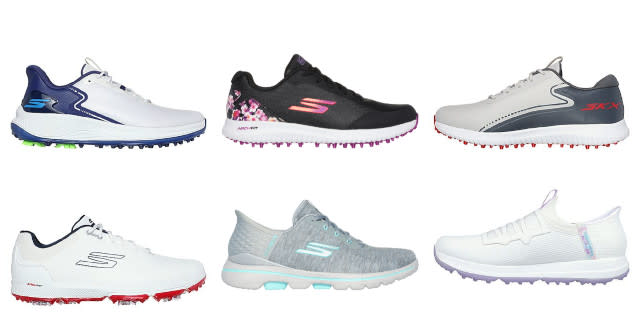
Skechers golf shoes usually fall into two broad groups: spikeless shoes and spiked shoes. Spikeless shoes use molded traction elements on the outsole. Spiked shoes use removable or fixed cleats that can provide more bite in soft ground.
The GO GOLF range has included models such as GO GOLF Max, GO GOLF Max Fairway, GO GOLF Torque, GO GOLF Elite, GO GOLF Drive, and GO GOLF Pivot. Names, features, colors, and construction can change by region and product cycle, so check the current manufacturer details for the exact version.

Spikeless Skechers golf shoes
Spikeless shoes are often the easiest fit for golfers who walk, practice at a driving range, or play on firm fairways. Their traction pattern is built into the outsole. This can make them feel more like a normal athletic shoe.
They may suit beginners, juniors, seniors, and casual players who want one pair for practice and play. They can also work well on dry courses, firm parkland layouts, and executive courses.
The limitation is clear: spikeless traction may not hold as well as cleats on wet slopes, soft turf, or steep lies. A player with a powerful downswing may also prefer stronger lateral support when the front foot braces at impact.
Spiked Skechers golf shoes
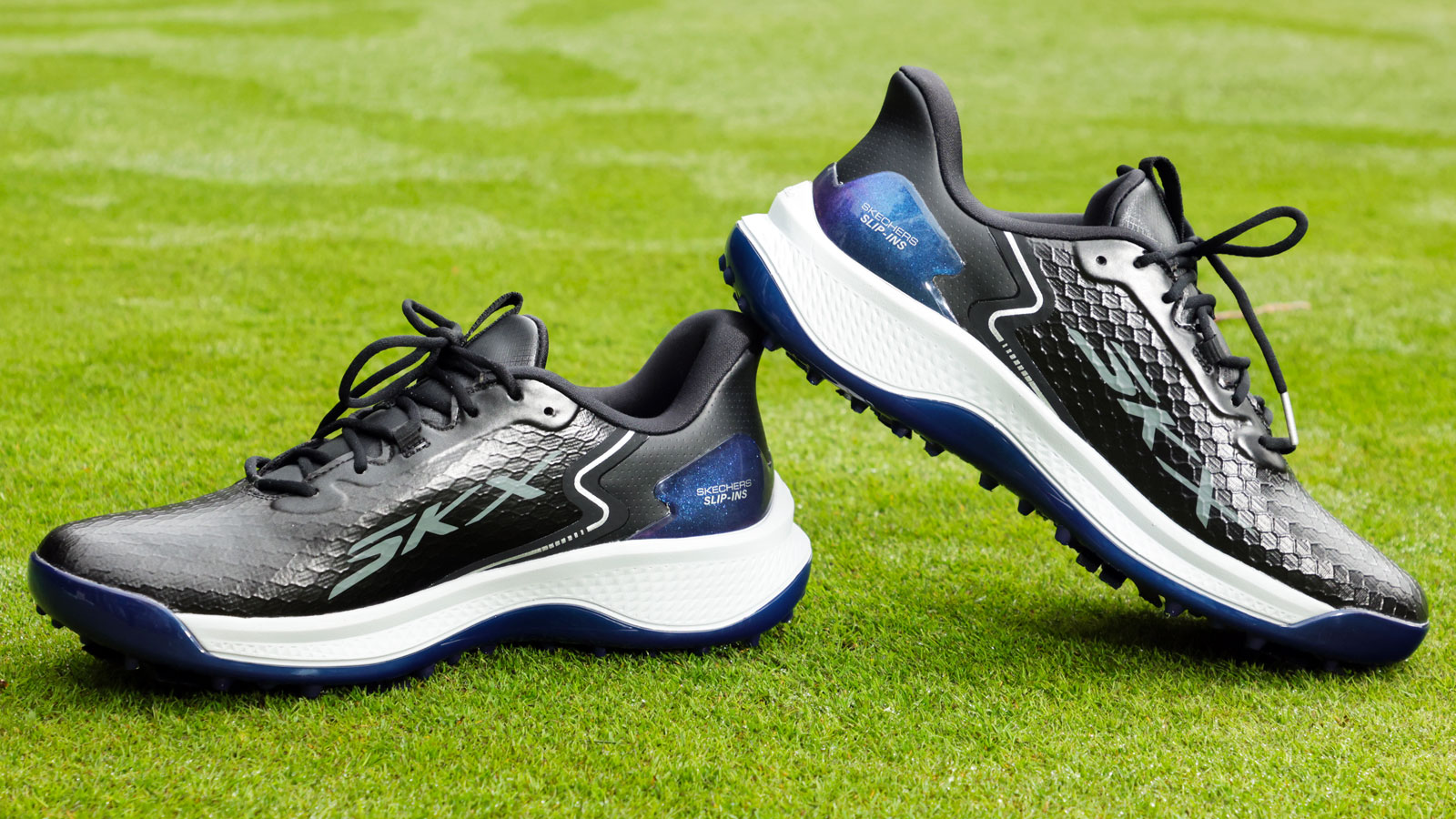
Spiked shoes use cleats to grip the turf. They can help when the ground is soft, the rough is wet, or the course has steep hills. They may also appeal to players who create strong ground pressure during the downswing.
Spiked shoes are not automatically better. They can feel firmer underfoot and may be less natural for walking on hard paths. Cleats also need care and inspection.
For tournament players and golfers who play in changing weather, the extra grip can be useful. For a junior or beginner who spends more time on a practice area than a full course, a lighter spikeless design may feel easier.

A quick comparison of Skechers golf shoe types
The table below gives a simple starting point. It does not replace a fit check or an assessment of your course conditions.
| Shoe type | Often suits | Main limitation |
|---|---|---|
| Spikeless | Walkers, beginners, dry courses, range practice | Less bite on soft or steep turf |
| Spiked | Wet courses, hills, powerful swings, competition | May feel less flexible on hard paths |
| Waterproof spikeless | Walkers in damp climates | Can feel warmer and less breathable |
| Lightweight athletic style | Juniors, seniors, hot weather, casual rounds | May offer less structure for forceful swings |
Spikeless shoes are the most flexible choice for many players. Spiked shoes make more sense when turf grip is your first concern.
The features that matter most
The best Skechers golf shoes should match your feet and playing conditions. Look beyond color and general comfort. A golf shoe must support the full swing, not just the first few steps on the tee box.
Traction and ground contact
Traction helps your feet stay connected to the ground during the swing. Your trail foot needs to resist unwanted sliding during the backswing. Your lead foot needs to remain stable as the downswing moves through impact.
A shoe with poor traction can make you shorten your swing or lose confidence. You may also change your stance without noticing. This can affect posture, balance, and the path of the club.
Molded traction is often enough for firm turf. Cleats may be more useful in wet grass, deep rough, or uneven lies. No shoe can overcome unsafe footing on a muddy slope, so use common sense and take a safer club when needed.

Cushioning for walking
Cushioning reduces the harsh feel of long walks over firm ground. It can be important on a 6,000- to 7,000-yard course, where a player may walk several miles during a round.
A very soft shoe is not always the best shoe. Too much softness can make your feet feel less stable. The goal is a balanced platform that absorbs shock while still letting you feel the ground.
This point matters most for seniors, golfers returning from a layoff, and players with tired feet. It also matters for juniors who may walk and carry clubs for several hours.

Waterproofing and breathability
Waterproof materials can help keep feet dry in morning dew, light rain, and damp fairway grass. They are especially useful on courses with poor drainage or a wet climate.
Breathability matters in hot weather. A sealed shoe may trap heat, while a highly breathable upper may offer less protection from rain. Golfers in desert heat may prefer airflow. Golfers in cool, wet regions may accept a warmer shoe for dry feet.
Waterproof claims can differ by model and construction. Check the current product details and care instructions. No waterproof shoe stays dry forever if water enters through the collar or runs over the top.
Fit, width, and foot shape
A proper fit is more important than a popular model name. Your heel should stay in place without pressure. Your toes should have room to spread and move. The shoe should not pinch across the widest part of your foot.
Skechers offers different shapes and, in some ranges, wider widths. Do not assume that one width works for every foot. Feet can also swell during a long round, so test fit with the socks you use for golf.
| Fit sign | What it usually means | What to check |
|---|---|---|
| Heel lifts while walking | Heel cup may be too loose | Try a different size or lacing pattern |
| Toes touch the front | Shoe may be too short | Leave space in front of the longest toe |
| Side pressure at the forefoot | Shoe may be too narrow | Check a wider fit |
| Foot slides inside the shoe | Upper or shape may not hold you | Test on a slope and during a practice swing |
| Numbness or hot spots | Fit or sock friction is poor | Stop and adjust before playing |
A shoe that feels fine for two minutes may feel different after 18 holes. Walk, bend, and make a slow practice swing when checking fit.
Stability during the golf swing
Stability is the shoe’s ability to help your foot stay controlled during rotation and weight shift. It comes from the outsole, midsole, upper, heel counter, and overall shape.
Players with fast swing speeds may notice stability more than beginners. A golfer with a smooth tempo may prefer a flexible shoe. A golfer who drives hard from the ground may want a firmer platform.
This is not a direct link between shoe structure and handicap index. A high-handicap player can have a fast swing, and a low-handicap player can have a smooth, modest-speed swing. Match the shoe to movement, not labels.

Weight and flexibility
Light shoes can reduce the tiring feel of a walking round. They may suit seniors, juniors, and golfers who play in hot weather.
Flexible shoes can feel natural during walking and chipping. Yet too much flex can reduce support during a full swing. A useful test is to hold the shoe at both ends and gently bend it. It should flex near the forefoot, but it should not fold with little resistance.
A stiff shoe may suit a player who needs support. It may not suit a golfer with a wide, natural walking stride or a history of foot discomfort.
Skechers golf shoes for different golfers
There is no single best Skechers golf shoe for all players. Skill, age, fitness, course type, and weather should guide your decision.
Beginners and new golfers
Beginners often spend more time walking, learning balance, and finding a repeatable stance. A comfortable spikeless shoe can remove one distraction. It may also work for the driving range, putting green, and short-game area.
New golfers should not choose a shoe only because it looks like a tour shoe. The best beginner golf shoe is one that feels secure without forcing the foot into a stiff shape.
If you are still learning grip, posture, ball position, and tempo, footwear will not fix a swing flaw. It can, however, help you feel stable while you learn.

Improving amateurs
Improving players may notice traction and support more as swing speed and ground force increase. If your lead foot slips during impact, examine both your footwear and your swing mechanics.
An improving golfer may benefit from comparing spikeless and spiked traction on the same course. Pay attention to wet lies, sidehill stances, and the finish position. A stable shoe can help you keep balance, but it cannot replace a lesson when the cause is poor weight shift.
Players with a handicap index from about 10 to 25 often gain more from comfort and reliable fit than from highly specialized construction. Lower-handicap golfers may have more exact preferences, but the same basic checks still apply.

Senior golfers
Senior golfers often value cushioning, easy walking, and a secure heel. A lighter shoe can reduce fatigue, but it should not feel unstable.
If ankle mobility, knee comfort, or balance is a concern, test the shoe on a gentle slope. A wide base may feel reassuring. A low, stable profile may also help some players feel more connected to the ground.
Do not use footwear to mask pain. Persistent foot, knee, back, or hip pain deserves advice from a qualified health professional. A PGA professional can help with swing motion, while a doctor or physical therapist can assess pain.

Women golfers
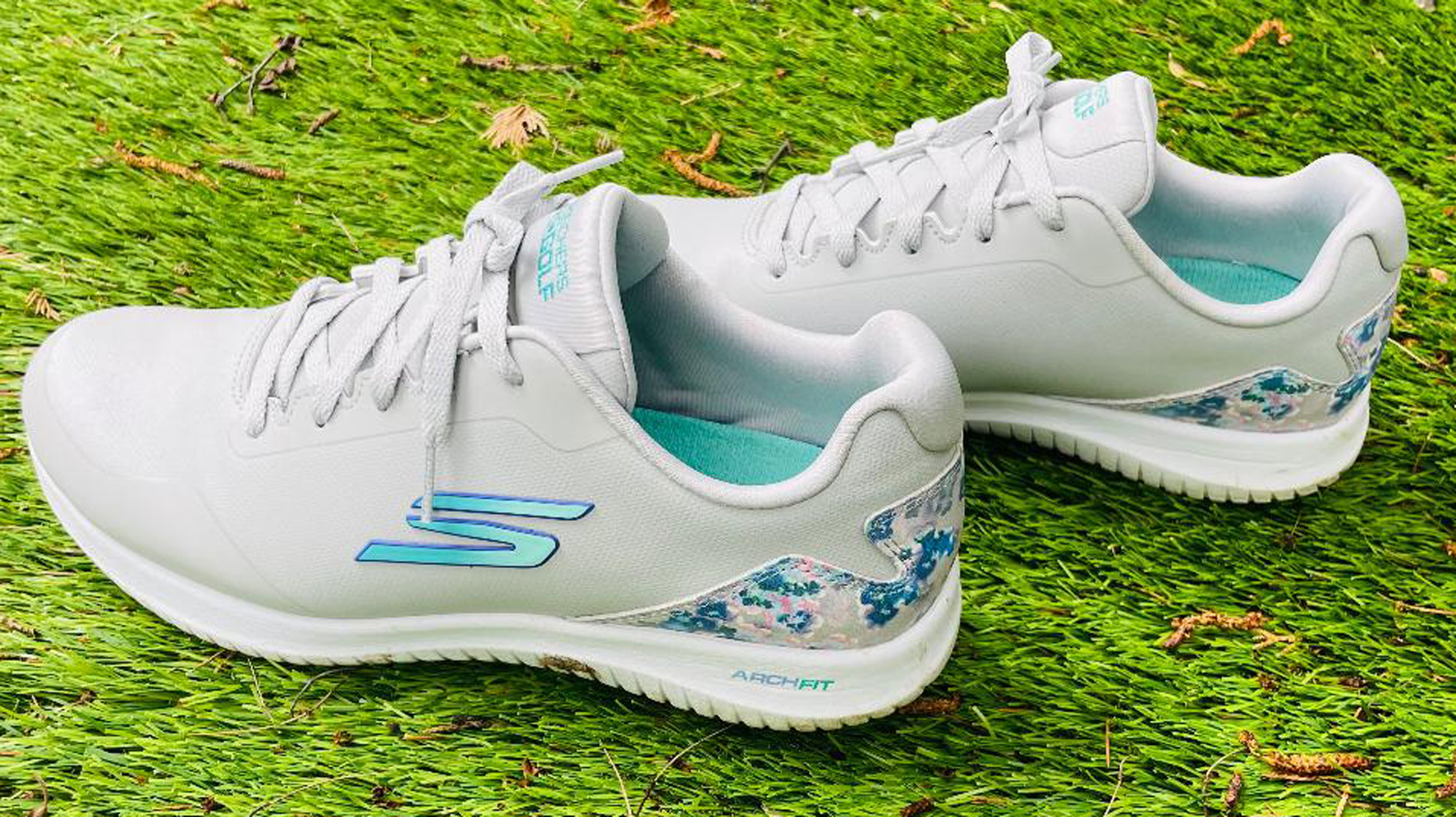
Women’s feet may have different shape and width needs, but there is no universal “women’s foot.” Fit matters more than the label.
Look for a heel that stays secure and a forefoot that does not squeeze. Avoid choosing a narrow shoe because it appears more streamlined. A poor fit can cause blisters and change your stance.
Women who carry a bag may place a higher value on light weight. Women who play early in damp conditions may place more value on waterproof protection.

Junior golfers and families
Junior golfers need comfort, safe traction, and an appropriate size. A shoe that is too large can let the foot slide inside. That can affect balance and increase the risk of a trip.
Parents should check the shoe after the child has worn it for a practice session. Look for red marks, heel movement, and complaints of numbness. Junior-sized equipment and proper club length matter too.
Golf shoes are only one part of junior golf safety. Keep children clear of swing areas, teach them to watch for errant balls, and make sure they understand cart rules.
👪 Parent or Beginner Note: A junior does not need a highly rigid golf shoe to learn the game. Comfort, secure fit, and safe movement are usually more useful than a complex design.
Left- and right-handed golfers
Golf shoe selection does not change by handedness. The movement pattern does change. A right-handed golfer usually places more rotational demand on the lead left foot. A left-handed golfer places it on the lead right foot.
Check the sole and upper for equal support on both sides. Do not assume a shoe favors one hand. Focus on how your lead foot feels during a balanced finish.
If one foot hurts more than the other, review your stance, swing, and foot position with a PGA professional or medical professional as needed.
A comparison of common Skechers GO GOLF design roles
Skechers GO GOLF names can appear in several versions. The table below describes common design roles rather than ranking specific products.
| GO GOLF design role | Typical focus | Golfer it may suit |
|---|---|---|
| Max-style walking shoe | Cushioning, light feel, spikeless traction | Walkers, beginners, seniors |
| Fairway-style shoe | Course traction with athletic comfort | Players who want all-round use |
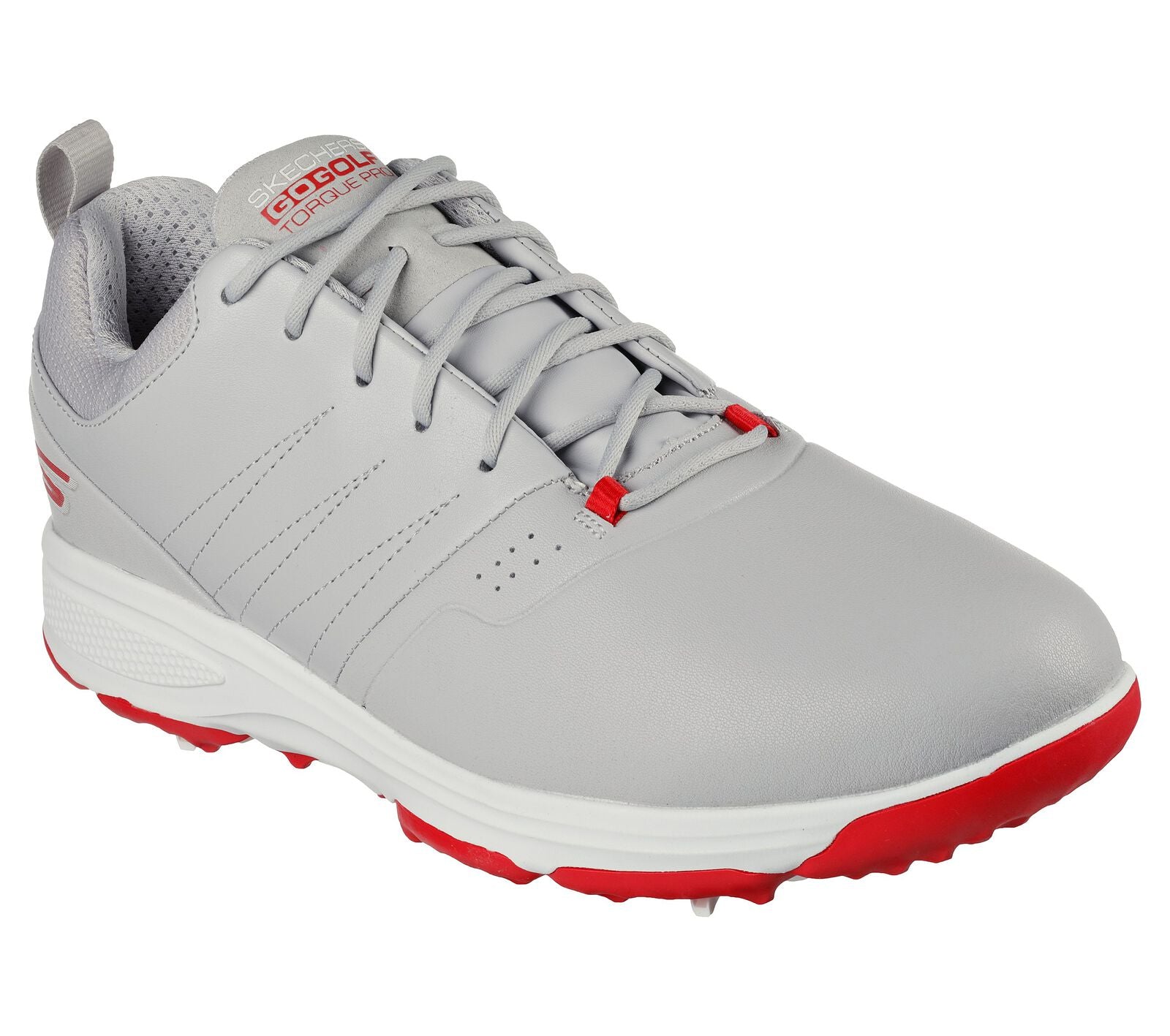
| Torque-style shoe | More structured support and grip | Golfers who create stronger rotation |
| Elite-style shoe | Performance-focused stability and weather features | Improving or competitive players |
| Drive-style shoe | Flexible athletic movement | Casual rounds and range practice |
| Pivot-style shoe | Stability during weight shift | Players who value a firm base |
These roles are broad. Exact construction can change between releases. Read the current technical information before judging a model.
The most useful question is not “Which name is best?” It is “Which balance of comfort, grip, and structure suits my swing and course?”
Choosing for course and weather conditions
The course under your feet changes what you need from golf shoes. A dry executive course and a wet links course place different demands on traction and comfort.
Dry parkland courses
Firm, dry fairways often suit spikeless shoes. Molded traction can provide enough grip for many players. Lightweight construction may also feel good during a long walk.
Take care on slopes. Dry grass can still be slick, especially around bunkers and shaded areas.
Wet and soft courses
Wet ground increases the need for traction. Spiked shoes may offer more security, especially when the fairway is soft or the rough is long.
Waterproofing also becomes more important. Wet socks can cause blisters and discomfort. Use a controlled stride and avoid aggressive swings from unstable lies.
Links courses
A links course often has firm turf, wind, uneven ground, and tight lies. You may walk over hard paths and exposed areas. A shoe needs both grip and walking comfort.
Wind can change your balance. Do not confuse a shoe problem with a need to swing harder. Use a wider, stable stance when safe, and select a club through the wind based on the shot.
Hot and humid climates
Heat raises the value of breathability and light weight. Wear suitable socks, drink water, and use sun protection. Foot swelling can make a tight shoe feel worse by the back nine.
⚠️ Safety Warning: Leave the course at the first lightning warning or when instructed by course staff. Do not wait for rain to become heavy. Heat, lightning, and slipping hazards deserve more attention than finishing a hole.
| Course condition | Shoe priority | Playing adjustment |
|---|---|---|
| Firm and dry | Breathability and flexible traction | Walk normally but watch slopes |
| Wet morning dew | Waterproofing and secure heel | Shorten steps on slick ground |
| Soft fairway | Strong traction and stability | Keep balance and avoid over-swinging |
| Hilly course | Cushioning and lateral support | Plan energy and take stable stances |
| Hot climate | Light weight and airflow | Hydrate and protect skin from sun |
Course conditions can change during one round. Check the forecast, but also observe the first few tee boxes and fairways.
Walking, riding, and daily care
Walking golfers place the highest demand on comfort. Riding golfers may focus more on traction and fit, but they still need a shoe that works on uneven ground.
A shoe should not rub during the first few holes. If it does, stop and fix the cause. A small hot spot can become a blister before the turn.
Care also affects performance. Remove grass and mud after play. Let shoes dry at room temperature. Avoid high heat, such as a radiator or car dashboard, because it can damage adhesives and materials.
Inspect cleats and traction elements. Worn cleats may reduce grip. Damaged soles may let water enter. Follow the manufacturer’s care instructions for cleaning.
Why socks and lacing matter
Golf socks should manage moisture and reduce friction. Cotton may feel comfortable at first but can hold sweat. A technical or wool-blend sock may help some players, though fit remains the key factor.
Use the lacing system to hold the heel without crushing the forefoot. A heel-lock lacing method can reduce heel lift. Do not lace so tightly that you feel tingling or numbness.
If your foot changes size during the day, test fit at the time you usually play. Feet often swell after walking or in warm weather.
How footwear affects the golf swing
Golf shoes do not create a sound swing. They support the movements you already make.
Your grip controls the club. Your stance sets the base. Your posture shapes the turn. The backswing stores motion, and the downswing delivers it. At impact, your feet help you stay balanced as the club reaches the ball. The follow-through shows whether you controlled the motion.
If a foot slips, you may lose balance or change the swing path. If a shoe feels too stiff, you may restrict rotation. If the shoe feels too soft, you may feel unstable.
A simple test can reveal a problem. Make five slow swings, then five normal swings. Note whether your lead foot rolls, your heel lifts, or your trail foot slides. Repeat on a slight slope only if the ground is safe.
Shoe choice and common shot types
A stable shoe can be helpful for full shots, bunker shots, and uneven lies. Short-game shots require less force but still need balance.
For chipping, keep your weight slightly forward and make a controlled motion. For pitching, maintain a stable base while allowing the wrists and body to work together. For bunker shots, use a safe stance and avoid digging your feet into areas where local rules prohibit it.
Putting requires less traction force, but comfort still matters. A player who walks 18 holes can become tired before reaching the final green.
Mistakes golfers make when choosing golf shoes
Many golfers focus on the wrong test. They stand still, look at the shoe, and decide. Golf involves walking, turning, bending, and shifting weight.
| Common mistake | Why it causes trouble | Better approach |
|---|---|---|
| Choosing by appearance alone | Style does not show fit or grip | Test walking and swinging |
| Buying a loose fit for thick socks | Foot may slide inside | Use your actual golf socks |
| Ignoring the lead foot | Rotation may expose weak support | Test a balanced finish |
| Wearing worn traction | Grip can fade without notice | Inspect the outsole often |
| Using wet shoes in heat | Moisture can cause blisters | Dry and rotate footwear |
| Assuming waterproof means breathable | Feet may feel hot | Match protection to climate |
The most common error is ignoring course conditions. A shoe that feels ideal on a dry range may feel different on wet grass.
Mistake: expecting shoes to fix a slice
A slice is a shot that curves strongly to the right for a right-handed player and to the left for a left-handed player. It often relates to the club face and swing path, not footwear.
A stable shoe may help you keep balance, but it does not correct grip, alignment, backswing, or downswing mechanics. If the ball flight persists, take a lesson rather than changing shoes repeatedly.
Mistake: choosing too much support
Some golfers think the stiffest shoe must be the safest choice. Too much structure can restrict natural movement. It may also create pressure points.
A flexible, athletic shoe may suit a casual player. A structured shoe may suit a golfer who wants stronger lateral control. Neither is universally correct.
Mistake: ignoring walking fatigue
Fatigue can change posture and tempo. By the final holes, a tired golfer may stand taller, lose knee flex, and rush the downswing.
Comfortable footwear can help reduce one source of fatigue. It cannot replace water, food, rest, and a sensible warm-up routine.
A simple test before a full round
Use this short routine when checking any Skechers golf shoe. It suits beginners and experienced golfers alike.
- Stand normally. Check toe room and pressure across the forefoot.
- Walk for five minutes. Notice heel lift and rubbing.
- Climb a gentle slope. Make sure your foot does not slide inside.
- Make slow practice swings. Check lead-foot stability.
- Make normal swings. Notice balance at impact and finish.
- Bend and squat lightly. Confirm that the upper does not pinch.
- Check both feet. Foot size and shape may differ slightly.
Stop if you feel pain, numbness, or sharp pressure. A shoe should not require you to “break in” severe discomfort.
A short warm-up routine
Warm up before a round or practice session. Start with five minutes of easy walking. Add ankle circles, calf raises, gentle hip turns, and slow body rotations.
Then make several half-swings with a short club. Progress to three-quarter swings before using the driver. This routine suits all skill levels, but older golfers and players returning after injury should move more slowly.
Do not stretch into pain. If pain continues, stop and seek medical advice.
Pros and limits of Skechers golf shoes
Skechers golf shoes can suit many golfers, but they have limits like every golf shoe range.
| Potential advantage | Possible limitation |
|---|---|
| Walking-focused cushioning | Some soft designs may feel less stable |
| Spikeless convenience | Traction may be weaker on wet slopes |
| Athletic styling and flexible feel | Flexible uppers may offer less structure |
| Options for different widths | Fit can vary by model and foot shape |
| Waterproof choices | Waterproof versions may feel warmer |
| Lightweight designs | Very light shoes may trade some durability for weight |
Use this table as a decision aid, not a promise of performance. The exact result depends on the model, your feet, and the conditions.
A golfer who walks on firm courses may value light cushioning. A golfer who plays wet, hilly courses may value stronger traction. A player with foot pain should prioritize medical advice over any shoe feature.
Golf etiquette and rules related to footwear
Golf shoes are not usually governed by a single universal equipment rule in everyday play. However, clubs and tournaments may have dress or footwear policies. Some facilities may restrict metal spikes or certain sole types.
Check the club’s local policy before a competition. Also check the latest Rules of Golf and the local committee for updates. Rules can differ from club etiquette.
Shoes can also affect course care. Avoid dragging your feet on greens. Do not wear damaged cleats that tear turf. Walk around sensitive areas when directed by signs or staff.
📜 Check the Rules: The Rules of Golf are maintained by the USGA and The R&A. Local committees may add conditions about footwear, carts, practice areas, and temporary ground conditions.
Course care
Repair your ball marks on the green. Replace divots when permitted. Rake bunkers after your shot. Keep carts away from restricted areas and follow cart-path signs.
Dispose of broken tees, wrappers, and worn equipment properly. Good golf shoes should help you move across the course without damaging the playing surface.
How long does it take to adjust to new golf shoes?
Most golfers can judge basic comfort during a short walk, but full-round comfort may take longer to understand. A shoe may feel fine for 10 minutes and create pressure after several hours.
Use new footwear during a short practice session before an important round. Walk on grass, make practice swings, and use the shoe for putting and chipping.
Beginners should avoid changing shoes and swing technique at the same time. Give yourself a simple test period. If the shoe causes pain or repeated rubbing, stop using it.
Can golf shoes improve your score?
Golf shoes can support balance and traction, but they cannot guarantee lower scores. Score depends on contact, direction, distance control, putting, course management, and the mental game.
A comfortable shoe may help you focus on the shot rather than your feet. Better traction may help you feel secure on a slope. These are useful benefits, but they are not a substitute for practice.
A player learning the game may improve faster by working on setup basics and short-game skill. An experienced player may gain more from course strategy and consistent pre-shot routines.
Frequently asked questions
Q: Are Skechers golf shoes good for beginners?
A: They can suit beginners who want walking comfort and simple traction. A spikeless style may be practical for range sessions, putting practice, and firm courses. Fit matters more than the brand name.
Q: Are Skechers golf shoes good for seniors?
A: Many senior golfers value the cushioning and lighter feel found in some Skechers golf designs. Choose a shoe with a secure heel and enough stability for your course. Do not use footwear to ignore foot, knee, hip, or back pain.
Q: Are Skechers golf shoes waterproof?
A: Some models are designed with waterproof materials or protection, while others focus on airflow. Check the current specifications for the exact model. Waterproofing can decline with wear and poor care.
Q: Are spikeless golf shoes better than spiked golf shoes?
A: Neither is always better. Spikeless shoes often suit firm courses and walking. Spiked shoes may provide more grip on wet or soft turf. Your course and weather should guide the choice.
Q: What are the best Skechers golf shoes for walking 18 holes?
A: Look for a secure fit, balanced cushioning, breathable materials, and reliable traction. Lightweight GO GOLF designs may appeal to walkers, but the best option depends on your foot shape and course conditions.
Q: Do Skechers golf shoes come in wide sizes?
A: Some Skechers golf models are offered in wider fits. Availability can change by model and region. Check the current size guide and do not assume every GO GOLF design has the same shape.
Q: Can I wear Skechers golf shoes on a driving range?
A: Yes, if the range allows golf shoes. Spikeless shoes are often convenient for practice. Follow the facility’s rules and avoid walking across restricted hitting areas.
Q: Can I wear Skechers golf shoes on a links course?
A: You can, provided the course allows that type of footwear. Choose traction for firm, uneven ground and comfort for long walks. Check the club’s footwear policy before play.
Q: Do golf shoes help with a slice?
A: They may help you feel stable, but they do not correct a slice. A slice usually involves the relationship between the club face and swing path. A PGA professional can assess the cause.
Q: Should golf shoes feel tight?
A: They should feel secure, not tight. Your heel should stay in place, and your toes should have room to move. Numbness, sharp pressure, or tingling are signs to stop and reassess the fit.
Q: How should I clean Skechers golf shoes?
A: Follow the current care instructions. In general, remove loose dirt, use a suitable soft brush, and let the shoes dry naturally. Avoid high heat unless the manufacturer specifically allows it.
Q: Can juniors wear adult golf shoes?
A: They can if the fit is correct, but junior-sized footwear is often easier to fit safely. A shoe that is too heavy or loose may affect balance. Parents should check fit during walking and practice swings.
Q: Are spiked golf shoes allowed in every golf club?
A: Club policies vary. Some facilities limit certain spike types or require specific footwear. Check local rules and club etiquette before arriving.
Q: What is a good golf shoe for wet weather?
A: A shoe with secure traction and suitable waterproof protection is a sensible starting point. Spiked designs may help on soft turf. Still, avoid unsafe slopes and follow course staff instructions.
Final thoughts
The best Skechers golf shoes are not defined by one model or one feature. They are defined by the match between your feet, swing, walking habits, course, and climate.
Beginners may value comfort and easy spikeless traction. Seniors may focus on cushioning and balance. Improving golfers may look more closely at lateral stability. Junior golfers need a secure, light fit, while players in wet regions may prioritize waterproofing and grip.
Test the shoe with your golf socks. Walk, bend, and make practice swings. Check the latest product details, club footwear policy, and Rules of Golf before play. Then focus on the parts of the game that matter most: a sound grip, steady stance, balanced posture, controlled tempo, good course management, and safe, respectful play.