What Are The Best Golf Shoes For Plantar Fasciitis: Best Guide
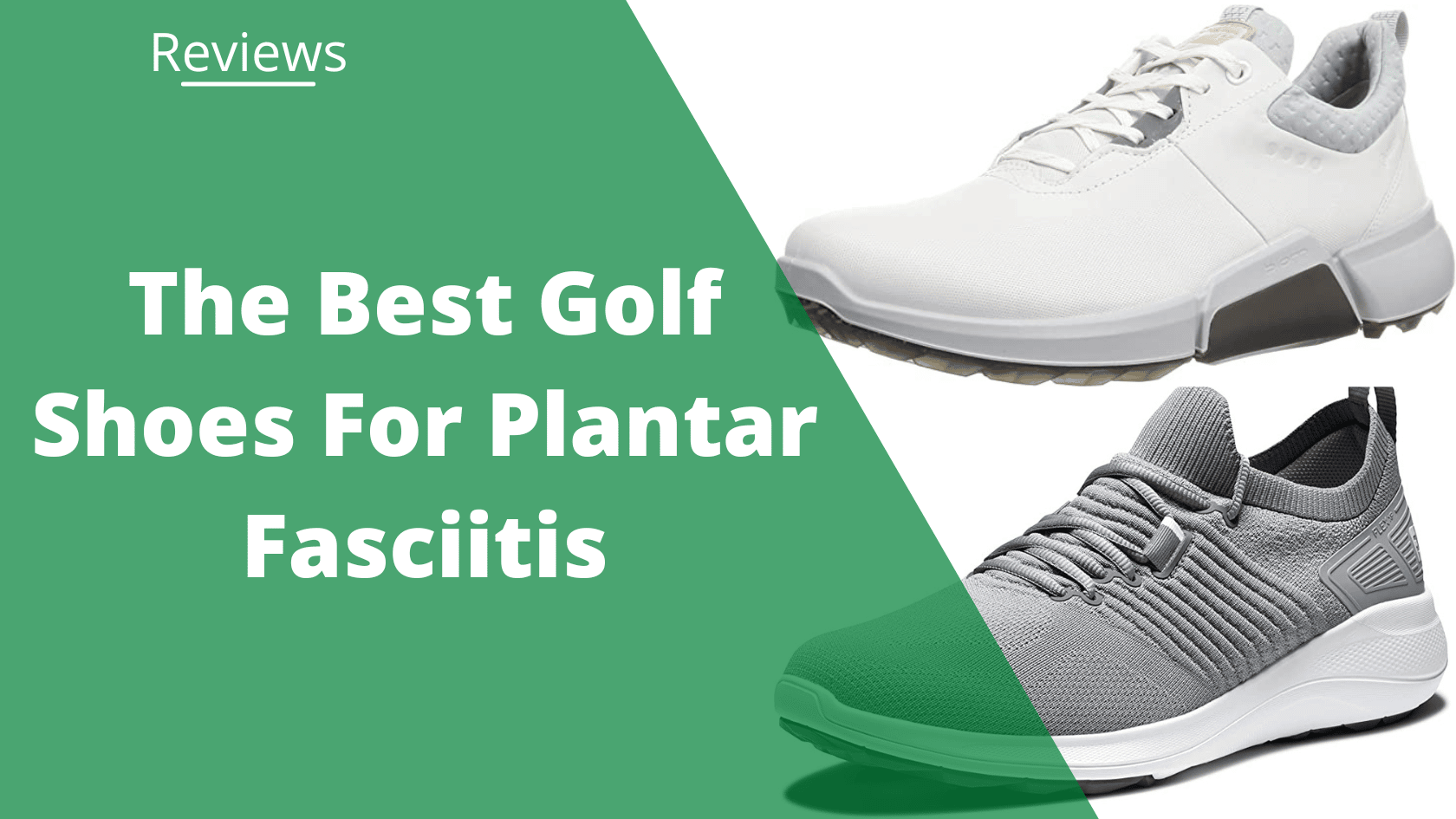
Plantar fasciitis can turn a calm walk from the tee box to the green into a painful test of patience. The right golf shoes cannot cure the condition, but a well-fitted pair with good support, stable footing, and enough room for natural foot movement can help reduce stress on the plantar fascia.
The best golf shoes for plantar fasciitis are not defined by a brand or a high price. They are defined by fit, cushioning, arch support, heel stability, grip, and comfort over the full round. Your needs may also change if you walk 18 holes, ride in a cart, play on firm links turf, or deal with heat and wet grass.

Quick answer: What are the best golf shoes for plantar fasciitis?
The best golf shoes for plantar fasciitis have a firm but comfortable heel counter, supportive midsoles, moderate cushioning, a stable outsole, and a wide enough toe box. They should fit snugly without squeezing the toes. Spiked or spikeless models can both work. The better choice depends on traction, walking habits, course conditions, and personal comfort.
There is no single shoe that suits every golfer. A senior who walks on firm ground may need more cushioning than a junior who plays nine holes. A golfer with a high arch may need different support from a golfer with flat feet.
Why golf shoes matter when your heel hurts
Plantar fasciitis is irritation or strain in the thick band of tissue that runs from the heel toward the toes. This band helps support the arch and absorbs force when you walk, stand, and swing. Pain often feels sharp near the heel, especially with the first steps after rest.
Golf adds a special challenge. A round may involve several miles of walking, long periods of standing, uneven lies, and repeated swings. Each step can add load to the foot. A shoe that feels fine for a short errand may feel poor after five hours on a golf course.
Golf shoes also affect your swing. Your feet form the base of your stance. If your shoes slip, twist, or create pain, your posture and balance may change. That can affect the backswing, downswing, impact, and follow-through.
The foot demands of a golf swing
During the swing, your feet must support rotation and pressure shifts. A right-handed player often pushes into the inside of the trail foot during the backswing. In the downswing, pressure moves toward the lead foot. A left-handed player makes the opposite pattern.
This does not mean a shoe should feel stiff everywhere. It should resist unwanted side-to-side movement while still allowing the foot to flex near the toes. A shoe that bends in the wrong place may increase fatigue. One that is too rigid may feel harsh when walking.
| Shoe feature | Why it matters | What to look for |
|---|---|---|
| Heel counter | Helps hold the heel in place | Firm, supportive heel area |
| Midsole | Softens impact and supports the arch | Balanced cushioning, not a soft collapse |
| Toe box | Allows the toes to spread | Enough width without heel slip |
| Outsole | Helps with grip and stability | Reliable traction for grass and slopes |
| Upper | Holds the foot securely | Breathable, flexible, and not tight |
A useful rule is simple: the shoe should feel stable when you stand, comfortable when you walk, and secure when you rotate. A soft shoe is not always a supportive shoe. A firm shoe is not always a painful shoe.
What to look for in golf shoes for plantar fasciitis
The best choice starts with features, not labels. Look for a shoe that matches your foot shape, walking volume, swing needs, and course conditions.
Supportive cushioning
Cushioning can reduce the shock that reaches the heel. It may be useful on hard fairways, dry ground, and cart paths. Still, very soft foam can compress under the heel and allow the foot to roll or sink.
Aim for balanced cushioning. The heel should feel protected, but the shoe should not feel like a loose pillow. A stable midsole often works better than maximum softness for golfers who spend many hours on their feet.
Golfers with a lower handicap may notice this during long practice sessions. A player who hits 100 balls on the driving range can place more stress on the feet than someone who only plays nine holes. Beginners should also pay attention because new golfers may stand and walk for longer than expected while learning.
A stable heel counter
The heel counter is the structure around the back of the shoe. It helps keep the heel from moving too much inside the shoe. This matters because heel movement can increase rubbing and reduce stability.
Press the back of the shoe with your fingers. It should have some structure. It should not collapse with very little pressure. Then walk and make a slow practice swing. The heel should stay in place without pinching the Achilles tendon.
A stable heel is especially useful for seniors, golfers with balance concerns, and players who walk on sloped fairways. It may feel less important to a golfer who rides in a cart, but even riders stand on uneven ground around bunkers and greens.
A roomy toe box
Your toes help balance the body. They also spread slightly when you walk. A narrow toe box can crowd them and alter how you load the foot.
The shoe should leave a small amount of space beyond the longest toe. The toes should not touch the front when walking downhill. They should also have enough side room to move without pressure.
This advice suits men, women, and juniors. Do not assume a women’s golf shoe must be narrow or that a men’s shoe must be wide. Foot shape varies more than gender labels suggest. Junior golfers need special care because their feet are still growing.
A secure midfoot fit
The midfoot should feel held, but not squeezed. A secure fit helps the foot remain stable during the golf swing. If the laces must be pulled very tight to stop movement, the shoe may not match the foot shape.
Try the shoe with the socks used for golf. Thick socks can change the fit. Test both feet because one foot is often slightly larger than the other. Stand, walk, bend the knees, and make a few slow swings.

Useful arch support
Arch support can help some golfers feel more comfortable. It is not a universal cure. The correct amount depends on arch height, foot motion, and the cause of the pain.
A shoe that presses hard into the arch may feel supportive at first but become irritating later. A shoe with no structure may allow too much movement. The goal is even support, not a sharp lump beneath the foot.
A podiatrist or physical therapist can assess your foot if pain keeps returning. They may suggest stretching, strengthening, a temporary insert, or changes to activity. Do not add a thick insert if it makes the shoe too tight.
A flexible forefoot
The front of the shoe should bend near the toes. This supports a more natural walking motion. The middle of the shoe should remain more stable.
You can check this by holding the shoe at both ends and gently bending it. The bend should occur near the ball of the foot, not directly through the middle. This test is only a guide. Walking comfort matters more than a hand test.
Reliable traction
Traction helps prevent slipping on wet grass and uneven lies. It also lets you create a stable base during the swing. A shoe with poor grip can make you tense your legs and feet.
Spiked and spikeless golf shoes can both provide useful traction. Spikes may suit wet, soft, or hilly courses. Spikeless outsoles may feel more natural for walking and casual wear, but their grip depends on the tread pattern and turf.
| Traction type | Main strength | Limitation |
|---|---|---|
| Traditional replaceable spikes | Strong grip on wet or soft turf | Can feel firm on paths and hard ground |
| Fixed rubber traction | Simple and often flexible | Grip may vary by outsole design |
| Spikeless tread | Comfortable for walking and varied use | May be less secure in deep wet grass |
| Hybrid traction | Balances grip and walking comfort | The feel varies between designs |
The best traction depends on the course. A flat, dry executive course may place less demand on the outsole than a hilly, wet links course. Check local course rules as well. Some clubs limit certain outsole types to protect putting surfaces.
How to test golf shoes before a full round
A shoe may feel comfortable for five minutes and uncomfortable after two hours. Use a gradual test. This is more reliable than judging the shoe while seated.
Use a short walking test
Walk for 10 to 15 minutes on a firm surface. Include stairs or a gentle slope if possible. Notice heel movement, pressure under the arch, toe crowding, and any hot spots.
Pain is not a normal break-in signal. Mild awareness of a new shoe can happen, but sharp heel pain or numbness means you should stop and reassess the fit.

Test a golf stance
Stand with your feet about shoulder-width apart. Bend your knees slightly and shift pressure from heel to toe. Then make slow practice swings.
For a beginner, this test checks whether the shoe feels safe and balanced. For an improving player, it also checks whether the outsole supports rotation without twisting. A junior golfer should make controlled swings with adult supervision and enough space around the swing area.
Test uphill and downhill movement
Golf courses rarely offer level ground for every step. Walk both up and down a mild slope. Your toes should not slide into the front of the shoe. Your heel should not lift sharply.
Downhill movement is important for plantar fasciitis because it can increase pressure near the heel and forefoot. If the foot slides forward, the shoe may be too loose or too short.
Wear the right socks
Golf socks should manage moisture and reduce friction. Avoid testing shoes with thin dress socks if you plan to wear thicker athletic socks. Moisture can soften the skin and make blisters more likely.
Do not use socks as a way to fix a poor fit. A thicker sock may fill a little extra space, but it cannot correct a shoe that is too narrow or too short.
Spiked versus spikeless golf shoes for plantar fasciitis
The main difference between spiked and spikeless golf shoes is how they create traction. Spiked shoes use cleats that press into the turf. Spikeless shoes use rubber patterns across the outsole.
Neither type is automatically better for plantar fasciitis. Comfort comes from the complete design, including the midsole, heel structure, fit, and outsole. Some spiked shoes feel comfortable for long walks. Some spikeless shoes feel firm and stable during the swing.
When spiked shoes may suit you
Spiked shoes may suit golfers who play in wet areas, walk steep courses, or need strong resistance to twisting. They can help a player feel anchored during the downswing.
They may not suit golfers who spend much time on hard paths. They can also feel less natural if the outsole is stiff. A golfer with sensitive heels should test the shoe on firm ground before playing a full round.
When spikeless shoes may suit you
Spikeless shoes may suit golfers who walk often, play on firm turf, or move between the course and the clubhouse. Their flat feel can reduce the sensation of pressure points for some players.
They may not suit golfers who often play in deep wet grass or steep rough. Tread design matters more than the word “spikeless.” Inspect the outsole and test it on grass if possible.

| Playing situation | Often useful | Why |
|---|---|---|
| Wet, soft course | Strong traction pattern or spikes | Helps limit slipping |
| Firm summer fairways | Balanced cushioning and flexible outsole | Reduces harsh ground feel |
| Hilly walking course | Stable heel and secure midfoot | Supports balance on slopes |
| Cart-based golf | Comfortable heel and easy flex | Still matters when walking between shots |
| Driving range practice | Cushioning and stable platform | Long standing and repeated swings add load |
A golfer who walks 18 holes should put comfort first. A golfer who rides but practices for two hours should also think about standing time. A nine-hole player may tolerate a lighter shoe, but only if the fit remains secure.
How foot shape changes the right choice
Plantar fasciitis does not look the same in every golfer. Foot shape, body weight, ankle movement, training history, and daily footwear all play a role.
Flat feet
Flat feet have a lower arch when standing. Some golfers with flat feet need a shoe that limits excessive inward rolling. Others feel comfortable in a more flexible shoe.
Do not choose support by appearance alone. Stand in the shoe and walk. If the arch feels forced upward, it may not suit you. A professional assessment can help when the pain is persistent.
High arches
High arches may provide less natural shock absorption. A cushioned midsole and smooth pressure under the arch can feel helpful. Avoid a narrow shoe that places too much pressure on the outside edge of the foot.
Golfers with high arches may also notice foot fatigue during long rounds. A warm-up routine and gradual walking plan can help more than changing shoes alone.
Wide feet
Wide feet need room across the forefoot. Squeezing the toes can change balance and increase pressure on the heel. Look for a shape that matches your foot rather than forcing the foot into a narrow outline.
This point often matters for women golfers who find that many standard shapes do not match their feet. It also matters for men with broad forefeet and juniors moving into adult sizes.
Different-sized feet
Many people have one foot slightly longer or wider than the other. Fit the larger foot first. Check the smaller foot for excess movement and use normal lacing to improve security.
Do not fold the toes or tighten the shoe until circulation feels restricted. Numbness is a warning sign, not a sign of a good locked-in fit.

| Foot concern | Comfort goal | Warning sign |
|---|---|---|
| Flat arch | Smooth support and stable heel | Strong pressure or arch cramping |
| High arch | Cushioning with even contact | Hard pressure on the outer foot |
| Wide forefoot | Toe spread and no side squeeze | Numb toes or rubbing |
| Heel movement | Secure rear fit | Blistering or lifting with each step |
| Swelling late in round | Enough room for normal expansion | Tightness that develops after walking |
Feet can swell during a warm day or a long round. Test shoes later in the day when possible. This may give a more realistic fit than testing first thing in the morning.
Golf shoes for walking, riding, and practice
Your mode of play changes the demands on your feet. A golfer who walks 18 holes may take thousands of steps. A golfer who rides still walks from the cart to the ball, stands during other players’ shots, and may spend time on the driving range.
If you walk 18 holes
Choose stable cushioning, a secure heel, good moisture control, and a sole that feels comfortable on hard paths. A walking golfer should test shoes for at least 30 minutes before a full round.
Pay attention to the final six holes. Plantar fasciitis symptoms can build slowly. If your heel hurts more with each hole, reduce walking distance and seek medical advice rather than pushing through.
If you ride in a cart
Cart golf reduces walking but does not remove foot stress. You still stand on slopes, step into bunkers, and walk over rough. A lighter shoe may feel comfortable, but it must still support the stance and swing.
Use safe cart habits. Keep hands and feet inside the cart, follow cart-path rules, and slow down near slopes. A fall can create a new foot, ankle, or back injury.
If you practice at the range
Range sessions can be hard on the feet because you may hit many shots from one spot. This creates repeated load on the same area. Rotate between full swings, chipping, pitching, bunker shots, and putting when possible.
A beginner may need more breaks while learning grip, stance, posture, and tempo. An advanced golfer may hit a larger number of balls and need planned recovery. More practice is not always better if pain is increasing.
💡 Pro Tip: During a range session, alternate five full swings with a short movement break. Walk, gently move the ankles, and relax the calves. This suits golfers of all skill levels, but it is especially useful for new players who tend to stand still for long periods.
A simple foot-care plan for golfers
Shoes are one part of plantar fasciitis care. Your calves, ankles, hips, and body weight all affect how force moves through the foot. A simple routine can prepare the body for golf and reduce sudden load.
Warm up before the first tee
Start with five to 10 minutes of easy movement. Walk, make ankle circles, and perform gentle calf raises. Then make short practice swings before full swings.
Do not bounce hard into a stretch. Use slow movements. The goal is to raise body temperature and prepare the joints, not to create pain.
Stretch the calf gently
Tight calf muscles can affect ankle motion. Stand facing a wall. Place one foot behind you, keep the rear heel down, and lean forward until you feel a mild stretch.
Hold the position without bouncing. Stop if the stretch causes sharp heel pain. A physical therapist can show a safer plan if you have an active injury.
Build walking time slowly
If you have taken time away from golf, return in stages. Start with a short walk or nine holes. Add time only when your foot feels calm during and after activity.
There is no fixed answer to “how long does plantar fasciitis take to improve?” Some cases settle in weeks, while others last much longer. Recovery depends on the cause, daily load, treatment, and overall health.
Use rest as part of practice
Rest does not mean doing nothing. It may mean switching from walking 18 holes to a short putting session. It may mean using a cart for a period while you rebuild tolerance.
Pain that worsens each day deserves attention. See a doctor or qualified health professional for ongoing pain, swelling, numbness, weakness, or pain that changes your walking pattern.
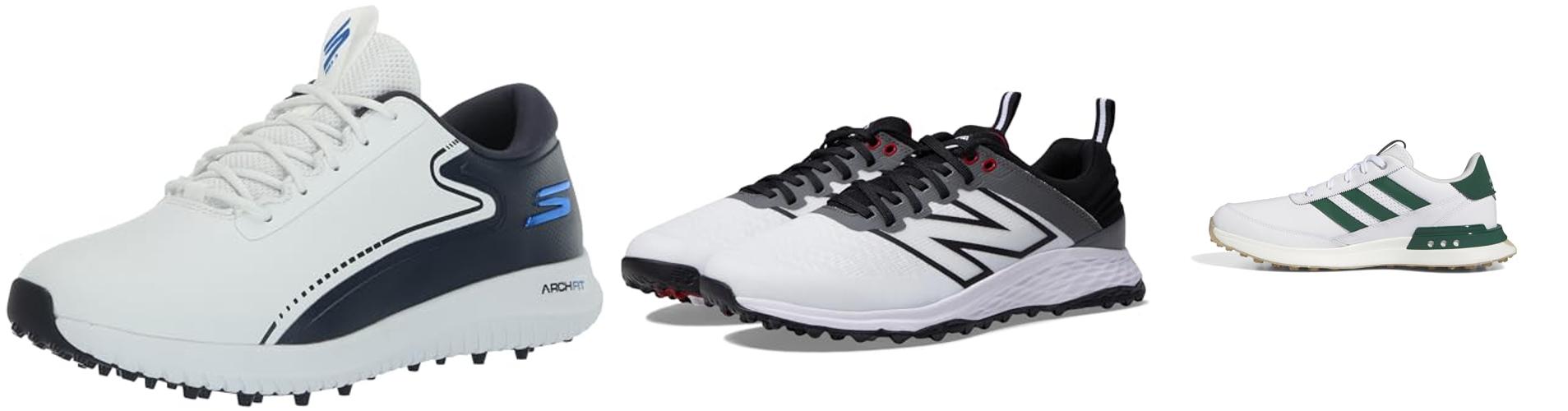
Common mistakes when choosing golf shoes
Many golfers focus on appearance, traction, or swing feel and forget the full walking experience. Plantar fasciitis often exposes those gaps.
Mistake 1: Choosing a soft shoe only
Soft foam can feel pleasant in the first few minutes. If it compresses too much, however, the foot may work harder to stay stable. Balanced support often beats maximum softness.
Mistake 2: Ignoring the heel
A loose heel can cause rubbing and repeated movement. A heel that is too tight can press on the Achilles tendon. The correct fit holds the heel without pain.
Mistake 3: Buying for one foot only
The smaller foot may feel fine while the larger foot suffers. Always test both feet. Walk downhill and make practice swings before deciding whether the fit is suitable.
Mistake 4: Wearing new shoes for 18 holes
A new shoe should earn a full round gradually. Wear it for short walks, practice, or nine holes first. This can reveal hot spots before they become blisters.
Mistake 5: Blaming shoes for every case
Shoes cannot correct every cause of heel pain. Training load, calf tightness, weak foot muscles, poor recovery, and medical conditions may all matter.
Mistake 6: Using a worn outsole
Old traction can become uneven. The midsole may also lose its support. Inspect the heel and forefoot for heavy wear, leaning, cracks, or a flattened feel.

| Problem | Likely shoe issue | Practical response |
|---|---|---|
| Heel slips | Rear fit is too loose | Adjust lacing or reassess shoe shape |
| Toes feel numb | Toe box is too narrow | Stop and check width and length |
| Arch aches | Support does not match foot | Try a different support shape or seek assessment |
| Feet feel hot | Poor airflow or wet socks | Use moisture control and take breaks |
| Pain grows late | Load is too high or cushioning is poor | Reduce walking and review the full routine |
No table can diagnose an injury. It can help you notice patterns. If symptoms persist, medical advice is more useful than guessing.
Golf course and weather effects
Course conditions change how your feet work. A shoe that feels perfect on a dry, flat parkland course may feel less secure on a wet links layout.
Firm and dry conditions
Firm turf sends more impact back through the feet. Cushioning and a smooth heel-to-toe transition may feel more comfortable. Avoid shoes that feel harsh on paths if you often walk between holes.
Wet conditions
Wet grass increases slip risk. Strong traction and a secure heel become more important. Take shorter steps on slopes and avoid rushing between shots.
Hilly terrain
Hills place different pressure on each foot. Stable sidewalls and a secure midfoot can help you feel balanced. Use the cart path when local rules allow and when walking becomes unsafe.
Hot weather
Heat can increase swelling and fatigue. Drink water, use sun protection, and take shade breaks. Choose breathable socks and monitor your feet for hot spots.
⚠️ Safety Warning: Lightning requires immediate action. Leave the course at the first warning and follow the facility’s shelter plan. Do not stay outside to finish a hole.
Golf shoes by golfer type
The best golf shoe design depends partly on who is wearing it. Skill level does not change foot anatomy, but it changes how long you practice, how hard you swing, and how much time you spend on the course.
Beginners and new golfers
Beginners should focus on comfort, balance, and a secure fit. You do not need aggressive traction if you play short, flat courses in dry weather. You do need enough stability to stand safely while learning stance and posture.
New golfers may spend more time waiting, walking, and practicing than expected. A supportive shoe can help them stay comfortable while they learn grip, alignment, ball position, chipping, pitching, bunker shots, and putting.
Improving amateurs
Improving players often increase practice volume. They may play more than 18 holes in a week and spend long sessions at the driving range. Look for a shoe that remains comfortable after repeated swings and walking.
A player working toward a lower handicap index should not ignore pain in the name of practice. Better course management, smarter practice, and good recovery can be more valuable than hitting more balls.
Seniors
Senior golfers may value cushioning, balance, easy flex, and dependable traction. Foot shape can change with age, and swelling may become more noticeable. Test shoes later in the day and allow room for normal movement.
A senior golfer with balance issues should avoid shoes that feel unstable on slopes. A doctor or physical therapist can help address pain, strength, and walking concerns.
Women golfers
Women golfers should choose by foot shape, not assumptions. Some need a narrow heel with a wider forefoot. Others need more overall width. Heel hold and toe room matter more than the label.
Women may also experience foot changes during pregnancy or after major changes in activity. Persistent pain needs medical guidance.
Junior golfers
Juniors need enough room to grow without wearing shoes that are too loose. Oversized shoes can reduce balance and create slipping inside the shoe. Junior-sized golf footwear should support safe movement without restricting the foot.
Parents should watch for limping, heel pain after play, and complaints that appear each morning. Children may not describe foot pain clearly. A medical professional should assess repeated symptoms.
Left- and right-handed players
The basic shoe features are the same for left- and right-handed golfers. The swing direction changes which foot receives lead-side pressure, but both feet still need support.
A left-handed player should test the same movements in the opposite pattern. Pay attention to pressure during the backswing and downswing. Comfort should not depend on forcing one foot to work around a poor fit.

| Golfer | Main concern | Useful focus |
|---|---|---|
| Beginner | Comfort while learning and walking | Stable base and easy flex |
| Improving amateur | Higher practice load | Cushioning and long-session support |
| Senior | Balance and changing foot needs | Heel hold, grip, and room |
| Woman golfer | Foot shape variation | Width, heel fit, and toe space |
| Junior | Growth and safe movement | Correct size and light support |
These are starting points, not strict rules. A young golfer may need firm support, while an older golfer may prefer a flexible shoe. Let comfort and fit guide the final choice.
Inserts, orthotics, and plantar fasciitis
Some golfers use an insole or orthotic to change how pressure spreads across the foot. An orthotic is a device designed to support or alter foot movement. It may be custom-made or available in a standard shape.
An insert can help some people, but it can also create new pressure if it does not match the foot. It may raise the heel, reduce room, or press on the arch. Test it gradually and avoid combining it with a shoe that is already tight.
If you use a prescribed orthotic, take it when checking golf shoes. The shoe must have enough internal space for the device. A loose heel with a thick insert can still create movement.
A podiatrist can assess whether an orthotic suits your problem. Do not assume that a stronger arch device is always better.
Rules, etiquette, and course care
Golf shoes do not change the Rules of Golf in most normal situations. However, a club or tournament committee may set local rules about footwear, especially on putting greens or during certain events.
Check the latest Rules of Golf and your local committee for updates. Follow the dress and footwear policy at the course. Some facilities may restrict metal spikes or require specific outsole types to protect turf.
Your shoes also affect course care. Walk carefully around greens, avoid dragging your feet, and repair ball marks. Replace divots when asked, rake bunkers, keep pace of play, and dispose of broken tees, wrappers, and old balls properly.
📜 Check the Rules: The USGA and R&A publish the Rules of Golf, but local committees can add conditions for a competition or course. Verify the current rulebook and local notices before an event.
Golf etiquette matters when foot pain changes your pace. Tell your group if you need a short break, keep the group behind you informed, and stay safe rather than rushing. Good pace of play never requires ignoring an injury.
Pros and limits of different shoe traits
No feature is perfect in every setting. A shoe that helps one golfer may feel wrong to another. The table below shows the trade-offs.
| Trait | Possible benefit | Possible limit |
|---|---|---|
| More cushioning | Softer feel on hard ground | May feel unstable if too soft |
| Firm heel counter | Better heel control | May feel rigid to some golfers |
| Wide toe box | Better toe spread | Can allow movement if too wide |
| Strong traction | More grip on slopes and wet grass | May feel heavy or firm on paths |
| Flexible forefoot | Natural walking feel | May offer less support if overly flexible |
| Breathable upper | Helps manage heat and moisture | May provide less weather protection |
The best design balances comfort and control. More of one feature is not always better. Your foot should feel supported without feeling trapped.
When to stop playing and seek medical help
Mild soreness after a new activity may settle with rest. Sharp pain, worsening pain, or altered walking needs more care. Do not use golf shoes to mask symptoms that require treatment.
See a doctor or qualified health professional if you have:
- Pain that persists or keeps returning
- Severe morning heel pain
- Swelling, redness, or heat
- Numbness or tingling
- Weakness or loss of balance
- Pain after an injury
- Trouble walking normally
- Symptoms that worsen despite reduced activity
A PGA professional can help with swing-related strain, stance, and balance. A doctor, podiatrist, or physical therapist should address persistent foot pain. These roles work together, but a golf lesson is not a medical diagnosis.
A practical selection checklist
Use this checklist when comparing golf shoes for plantar fasciitis. It works for beginners, regular players, and competitive golfers.
- Check both feet for length and width.
- Wear the socks used during golf.
- Confirm that the heel stays in place.
- Make sure the toes can move freely.
- Walk on firm ground and gentle slopes.
- Make slow practice swings.
- Check for pressure under the arch.
- Review the outsole for suitable traction.
- Test the shoe before a full 18-hole round.
- Stop if pain, numbness, or sharp pressure appears.
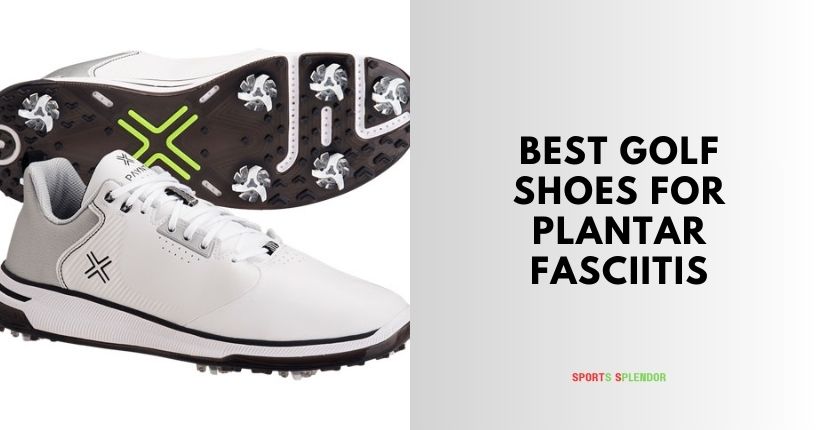
The checklist is not a medical test. It simply helps you notice fit problems early. A comfortable shoe should support your game without making you think about your feet every step.
Frequently asked questions
Q: Are spikeless golf shoes better for plantar fasciitis?
A: Not always. Spikeless shoes may feel comfortable for walking, but traction and midsole support matter more than the outsole label. A well-designed spiked shoe may suit wet or hilly courses. Test the complete shoe on the surfaces where you play.
Q: Can golf shoes cure plantar fasciitis?
A: No. Golf shoes can support the foot and reduce some sources of strain, but they do not cure every case. Recovery may also involve activity changes, stretching, strengthening, and medical care.
Q: Should golf shoes have strong arch support?
A: They should provide comfortable, even support. Very strong arch pressure can irritate some feet. The right level depends on your foot shape and movement. A podiatrist or physical therapist can assess your needs.
Q: Can I play golf with plantar fasciitis?
A: Some golfers can play with modified activity, but pain should guide the decision. Consider fewer holes, a cart, a shorter practice session, or rest. Do not play through sharp or worsening pain.
Q: Are golf shoes with more cushioning always better?
A: No. Cushioning can soften impact, but too much softness may reduce stability. A balanced midsole with a stable heel often works better than the softest possible design.
Q: How should golf shoes fit?
A: The heel should stay secure, the midfoot should feel held, and the toes should have room to move. Your longest toe should not touch the front when walking downhill. The shoe should not cause numbness or sharp pressure.
Q: Do women need different golf shoes for plantar fasciitis?
A: Women may have different average foot shapes, but personal fit matters most. Some women need a wider forefoot or a secure heel. Choose by the shape and comfort of your feet, not by gender assumptions.
Q: What golf shoes are best for seniors with heel pain?
A: Seniors often benefit from stable cushioning, a secure heel, easy forefoot flex, and reliable traction. Balance and swelling should also guide the choice. A health professional can help with ongoing pain or instability.
Q: Can juniors wear adult golf shoes?
A: They can if the size and shape fit correctly, but junior-sized shoes may provide a better match for growing feet. Avoid oversized footwear because it can reduce balance and create internal slipping.
Q: Do inserts help plantar fasciitis in golf shoes?
A: They can help some golfers by spreading pressure or changing foot support. They can also cause tightness or new pressure. Use a prescribed device as directed and test any change gradually.
Q: How long does it take to improve plantar fasciitis?
A: There is no single timeline. Some cases improve in weeks, while others last longer. The cause, activity level, treatment, body mechanics, and recovery habits all matter. Persistent symptoms need professional assessment.
Q: Can a bad golf shoe affect my swing?
A: Yes. Pain or slipping can change your stance, posture, balance, and pressure shift. That may affect the backswing, downswing, impact, and follow-through. A stable and comfortable shoe can help you maintain a consistent base.
Q: Should I wear golf shoes at the driving range?
A: Wearing them can help you test grip and stance, especially before playing. Take breaks during long sessions. Repeated swings from one spot can load the feet more than expected.
Q: Can I use running shoes instead of golf shoes?
A: Running shoes may feel cushioned, but they may not provide enough side-to-side stability or turf traction for a golf swing. They may suit a casual putting session, but course conditions and facility rules still apply.
Q: What should I do if my heel hurts after every round?
A: Reduce walking and practice load, review your shoe fit, and seek medical advice. Repeated pain is a sign to investigate the full problem rather than simply changing footwear.
Final thoughts
The best golf shoes for plantar fasciitis are the ones that match your foot, your course, and your playing habits. Look for stable cushioning, a supportive heel, a secure midfoot, a roomy toe box, and traction suited to local conditions. Spiked and spikeless designs can both work when the fit is right.
Think beyond the first tee. A shoe must remain comfortable during the walk to the 18th green, the climb from a bunker, the wait on a slow hole, and the final practice swing. For beginners, comfort supports learning. For improving amateurs, it supports consistent practice. For seniors, juniors, and families, it supports safe participation.
A good shoe is only one part of foot health. Warm up, build walking time slowly, care for the course, follow local rules, and respect pain signals. When heel pain continues, seek qualified medical help before returning to a full round.