Best Golf Shoes For Plantar Fasciitis: Comfort Guide
The best golf shoes for plantar fasciitis combine soft cushioning, arch support, a roomy fit, and steady traction.
A long round can turn into a painful walk when every step presses on an irritated heel. Plantar fasciitis often feels worse after rest, yet golf demands hours of walking on firm ground. The right golf shoe cannot cure the condition, but it can reduce foot strain and make each round more comfortable. I compared support, fit, walking comfort, traction, and value to find the best golf shoes for plantar fasciitis among these three choices.
See the differences between my top picks at a glance.
Orthofeet Fairway Golf Shoe

The Orthofeet Fairway takes a comfort-first approach to golf footwear. Its listed features include a spikeless tread, hands-free slip-on entry, water-repellent construction, anatomical arch support, ergonomic cushioning, and a wide toe box. Those features target several common problems at once. They can help golfers who feel heel pressure, arch fatigue, or toe crowding during a long round.
I especially like the fit strategy for plantar fasciitis. A roomy front gives the toes more space to spread, while the arch-focused design adds support under the middle of the foot. The spikeless sole also suits golfers who walk from tee to green and want a smooth step between shots. Still, every foot differs, so I would check the size chart and return terms before ordering.
Pros:
- Anatomical arch support suits golfers who need extra midfoot structure
- Ergonomic cushioning helps soften repeated steps on firm ground
- Wide toe box gives the forefoot more room
- Spikeless tread supports a natural walking feel
- Hands-free entry makes the shoe easy to put on and remove
- Water-repellent construction adds useful protection in damp conditions
- Comfort-focused design works well for walking golfers
Cons:
- The roomy shape may feel too loose for narrow feet
- Spikeless traction may not feel as aggressive as traditional cleats on very wet slopes
- The orthopedic styling may look less sleek than performance-focused golf shoes
What Amazon Buyers Are Saying
Buyer feedback for comfort-oriented Orthofeet shoes often centers on cushioning, extra room, and easier walking. Customers who need a wide fit may value the toe space and supportive feel. The hands-free entry can also appeal to shoppers who dislike bending over to tie laces. These are useful signs for golfers who struggle to stay comfortable during a full 18 holes.
Fit remains the main point to watch. Some buyers may prefer a snug athletic fit, while others may find a wide comfort shoe better for swollen or sensitive feet. Shoe comfort also depends on the selected size, sock thickness, and individual arch shape. I would treat customer comments as helpful fit clues, not as a promise that the shoe will relieve every case of plantar fasciitis.
My Recommendation
The Orthofeet Fairway is my first choice for golfers who place foot comfort above a slim, traditional golf-shoe shape. Its listed arch support, cushioning, wide toe box, and water-repellent build make it one of the best golf shoes for plantar fasciitis in this comparison. It is worth considering if heel pain and toe pressure limit your walking time on the course.
| Category | Rating |
|---|---|
| Plantar Fasciitis Support | 4.8/5 |
| Walking Comfort | 4.8/5 |
| Fit Flexibility | 4.7/5 |
| Course Traction | 4.3/5 |
| Water Protection | 4.4/5 |
| Overall Rating | 4.7/5 |
FootJoy FJ Quantum Golf Shoe

The FootJoy FJ Quantum offers a more traditional golf-shoe approach with a focus on comfort and course performance. The listed version comes in a wide size, which can help shoppers who need more room across the foot. FootJoy also gives this model a golf-ready outsole and a cushioned platform for walking. That blend makes it a sensible middle ground between a comfort shoe and a technical golf shoe.
I would consider the FJ Quantum when you want support without an overtly orthopedic look. The wider version may reduce side pressure, but it does not replace a true medical insole or a podiatrist’s advice. Its design should appeal to players who walk often but still want a stable base for the swing. Before buying, compare your foot length and width with the seller’s size information.
Pros:
- Wide sizing gives some golfers more forefoot comfort
- Cushioned platform suits long walking rounds
- Golf-focused outsole supports play on the course
- Traditional styling works with many golf outfits
- Good balance between comfort and on-course stability
- FootJoy golf heritage may give buyers confidence in the category
Cons:
- The support may feel less specialized than the Orthofeet Fairway
- Wide sizing does not guarantee the right fit for every broad foot
- Previous-season stock can have limited color or size availability
What Amazon Buyers Are Saying
Customer comments on golf shoes in this style often focus on comfort during walking, fit accuracy, and traction. Buyers who choose the wide version may appreciate the extra room over standard-width shoes. Many golfers also look for a shoe that feels comfortable from the first few holes rather than one that needs a long break-in period. These are the areas I would review first when checking current Amazon feedback.
The most useful complaints to watch involve sizing and personal fit. A wide shoe can still feel tight if the toe shape does not match your foot. Some golfers may also want more arch support than a standard performance shoe provides. Since Amazon reviews can cover different colors, sizes, and production runs, I would read comments that match the exact version you plan to buy.
My Recommendation
The FJ Quantum is a strong choice for golfers who want a familiar golf-shoe look, a wide option, and comfortable walking performance. It may suit mild to moderate foot discomfort, especially when the main issue is lack of room or general fatigue. I would place it behind Orthofeet for specialized plantar fasciitis support, but ahead of many basic golf shoes.
| Category | Rating |
|---|---|
| Plantar Fasciitis Support | 4.2/5 |
| Walking Comfort | 4.5/5 |
| Fit Flexibility | 4.3/5 |
| Course Traction | 4.5/5 |
| Overall Value | 4.4/5 |
| Overall Rating | 4.4/5 |
FootJoy Pro/SL Golf Shoe
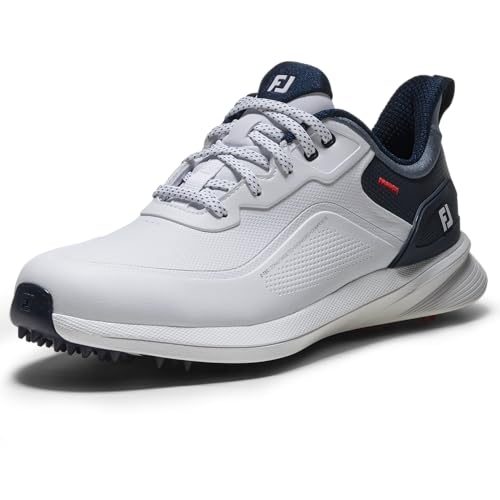
The FootJoy Pro/SL is built for golfers who want a stable, spikeless performance shoe. The listed version comes in a wide size, which gives shoppers a useful fit option. Its low-profile golf design can help you feel connected to the ground during the swing. At the same time, its cushioning and traction make it suitable for players who spend many hours walking the course.
This shoe makes the most sense for a golfer whose heel pain improves with a firm, stable base rather than a very soft feel. It may also work well with a properly fitted supportive insole, provided the shoe has enough interior space. I would not assume that a wide version will solve every arch problem. Plantar fasciitis varies, so fit and underfoot comfort should guide the final choice.
Pros:
- Stable platform supports confident swings
- Spikeless traction gives useful versatility on and off the course
- Wide sizing helps golfers who need more room
- Performance styling suits serious golfers
- Cushioning helps reduce the harsh feel of repeated steps
- Works well for players who value stability over a soft orthopedic feel
Cons:
- It may feel firmer than a highly cushioned comfort shoe
- The athletic shape may not suit golfers who need a very roomy toe box
- It may provide less built-in arch guidance than the Orthofeet model
What Amazon Buyers Are Saying
Buyers who choose the Pro/SL style commonly look for stability, traction, comfort, and a clean golf appearance. Golfers often value a shoe that feels secure during the swing and remains comfortable during a walking round. The wide version may help reduce pressure for some players. I would pay close attention to comments about the exact width and color listing because fit can vary by version.
Some shoppers may find a performance golf shoe firmer than a walking or orthopedic shoe. That is not always a flaw, but it matters when heel pain reacts badly to hard surfaces. Buyers may also differ on whether the toe area feels roomy enough. A careful break-in period, proper socks, and an appropriate insole can affect the experience, but they cannot fix a fundamentally poor fit.
My Recommendation
I recommend the Pro/SL to golfers who need stability and dependable course traction, yet still want a wide option. It is a strong performance pick, but I would choose the Orthofeet Fairway first for severe sensitivity, a strong need for arch support, or a very roomy toe box. The Pro/SL earns its place as a balanced option for active golfers.
| Category | Rating |
|---|---|
| Plantar Fasciitis Support | 4.1/5 |
| Walking Comfort | 4.4/5 |
| Stability | 4.8/5 |
| Course Traction | 4.7/5 |
| Fit Flexibility | 4.3/5 |
| Overall Rating | 4.5/5 |
How to Choose the Best Golf Shoes for Plantar Fasciitis
Choosing the best golf shoes for plantar fasciitis takes more than looking for a soft sole. A shoe must fit your foot, support your arch, and stay stable as you walk and swing. The American Academy of Orthopaedic Surgeons explains that plantar fasciitis affects the tissue that runs along the bottom of the foot. The American College of Foot and Ankle Surgeons also points to proper shoes, stretching, and activity changes as parts of foot-care plans. Use the points below to make a better choice.
1. Look for Real Arch Support and Heel Comfort
Start with the area that hurts. If your pain sits near the inside of the heel, look for a shoe with a supportive footbed and useful cushioning. The shoe should hold your foot in place without pushing hard into one painful spot. A soft shoe may feel good at first, but softness alone does not equal support.
For this reason, I rank the Orthofeet Fairway highest for built-in comfort features. Its listed anatomical arch support and ergonomic cushioning directly match the needs of many golfers with plantar foot strain. The FootJoy models offer a more standard performance feel. They may work better for shoppers who want to add their own orthotic or prefer a firmer base.
Do not expect a golf shoe to treat the root cause of heel pain. If pain lasts, grows worse, or affects normal walking, speak with a qualified health professional. A podiatrist can check your gait, arch shape, and need for an insert. That advice matters more than any product review.
2. Match the Toe Box and Width to Your Foot
Fit is one of the biggest factors in golf shoe comfort. Your toes should not touch the front. They should also have enough space to move without sliding from side to side. A tight shoe can add pressure and change how you walk. That change may increase stress on the bottom of the foot.
Measure both feet at the end of the day, when feet may be slightly larger. Wear the same socks that you use for golf. Check the length, width, and return policy before you order. If one foot is larger, fit the larger foot and use the available adjustment to secure the other shoe.
The Orthofeet Fairway stands out for its listed wide toe box. The FJ Quantum and Pro/SL versions shown here offer wide options, but buyers still need to check the exact Amazon listing. Width labels can differ across brands. A wide shoe also does not always have a wide toe box, so read the shape details carefully.
3. Balance Traction, Weight, and Walking Feel
Golf shoes need grip, but too much stiffness can make walking tiring. Spikeless shoes often feel easier for daily use and movement between holes. They can also give a smoother step on paths and clubhouse floors. Traditional cleats may offer a different level of grip, but they are not always the best match for a golfer who feels foot pain.
Look at the course you play most often. A dry, flat course may not demand the same outsole as a wet, hilly course. If you walk often, consider the shoe weight and how easily the sole bends at the forefoot. The heel should feel secure, while the front should allow a natural step.
The Orthofeet Fairway uses a listed spikeless tread and focuses on comfort. The Pro/SL is a good fit for players who want a more stable performance platform. The FJ Quantum sits between those choices. It offers a traditional golf design with a comfort-focused walking profile.
4. Check Water Protection and Daily Durability
Morning dew can soak a shoe before you reach the second hole. Wet socks can create rubbing and discomfort. If you play early, water-repellent material can add practical value. Still, water resistance is not the same as full waterproof protection. Check the product details before playing in heavy rain.
Also inspect the sole, stitching, tongue, and heel collar. These areas face repeated stress during a round. A shoe that looks good but rubs your heel will not become a good plantar fasciitis shoe. I prefer a secure heel counter, smooth inner lining, and enough room for a comfortable golf sock.
5. Consider Insoles and Your Personal Foot Needs
Some golfers need more support than a stock footbed provides. A removable insole can make it easier to use a custom orthotic or an over-the-counter insert. Before adding one, make sure the shoe has enough space. A thick insert can raise your foot and create pressure on the top or sides.
Do not use an insert simply because it feels firm. The right support should feel steady, not painful. Walk indoors first and test the shoe for several minutes. If your heel pain increases, stop and reassess the fit. A professional can help you select an insert if self-testing does not work.
6. Compare Price With the Amount You Walk
A golfer who walks 18 holes each week may gain more value from a comfort-focused shoe than a golfer who rides every round. Think about total use, not only the price at checkout. A shoe that reduces foot fatigue may help you enjoy more rounds. It may also reduce the temptation to finish a round in pain.
Check the current Amazon price, available sizes, shipping, and return terms. Prices and stock can change, especially for previous-season products. Do not buy a size that almost fits just because it has a discount. A correct fit matters more than a small saving.
Final Verdict: Which Should You Buy?
The Orthofeet Fairway is my top choice among these best golf shoes for plantar fasciitis. Its listed arch support, cushioning, wide toe box, and spikeless tread suit golfers who need comfort first.
Choose the FJ Quantum for balanced golf comfort or the Pro/SL for stability. Measure carefully, and seek medical advice for lasting heel pain.
FAQs Of best golf shoes for plantar fasciitis
What are the best golf shoes for plantar fasciitis?
The Orthofeet Fairway is the strongest choice in this comparison because it lists anatomical arch support, ergonomic cushioning, and a wide toe box. The FJ Quantum and Pro/SL offer useful alternatives for different fit and stability needs.
Can golf shoes help relieve plantar fasciitis pain?
Supportive golf shoes may reduce foot strain and improve comfort, but they cannot cure plantar fasciitis. Proper fit, stretching, rest, and professional care may also matter.
Are spikeless golf shoes better for plantar fasciitis?
Spikeless shoes can feel smoother and more comfortable for walking. They may suit golfers who want less stiffness, but the best choice depends on fit, cushioning, traction, and the course surface.
Should I choose wide golf shoes for heel pain?
A wide shoe can help if your foot feels cramped or your toes need more room. It should still hold the heel securely and prevent your foot from sliding inside the shoe.
Can I use orthotic inserts in golf shoes?
Yes, if the shoe has enough interior space and the insert fits correctly. Remove the original footbed when appropriate, and stop using the insert if it creates new pressure or pain.
When should I see a doctor about plantar fasciitis?
See a qualified health professional if heel pain persists, worsens, limits normal walking, or does not improve with basic care. Sudden severe pain also needs prompt attention.