How Do Under Armour Golf Shoes Fit: Sizing Guide
Under Armour golf shoes are generally designed to fit close to your normal athletic-shoe size, but the best fit depends on the model, width, upper material, sock thickness, and your foot shape. Some pairs feel roomy in the toe box, while others have a snugger performance fit. Golf shoes also need more than comfort. They must hold your foot during the backswing, downswing, and follow-through without pinching, slipping, or rubbing.
A good golf shoe fit can help you keep a stable stance on the tee box, fairway, rough, and green. A poor fit can change your posture, limit weight transfer, and create hot spots during a long walking round. That matters for beginners, improving amateurs, juniors, seniors, and low-handicap players alike.

Quick answer: How do Under Armour golf shoes fit?
Under Armour golf shoes usually fit true to your normal athletic-shoe size, but fit can vary by model and foot shape. Measure both feet, wear your golf socks, and leave about a thumb’s width between your longest toe and the shoe end. The heel should stay secure, the midfoot should feel supported, and your toes should be able to move without sliding.

The main goal is a snug, stable fit without pressure. Your heel should not lift during a walking stride. Your arch should feel supported but not squeezed. The widest part of your foot should rest over the widest part of the shoe.
If you have wide feet, high arches, bunions, or swelling, your usual size may not feel right. A different width or model shape may suit you better. Under Armour golf shoes can fit differently because one model may use a more structured upper, while another may use flexible mesh or a soft synthetic material.
For young golfers and seniors, comfort deserves extra attention. Juniors need room to grow, but too much extra space can cause the foot to move inside the shoe. Seniors may need more forefoot room or easier entry if their feet swell during a round.
Why golf shoe fit matters
A well-fitting golf shoe helps you keep balance and control while you swing. Your feet connect your body to the ground, so foot movement affects the knees, hips, spine, and upper body. If your feet slide inside the shoes, your stance and posture can change before the club reaches impact.
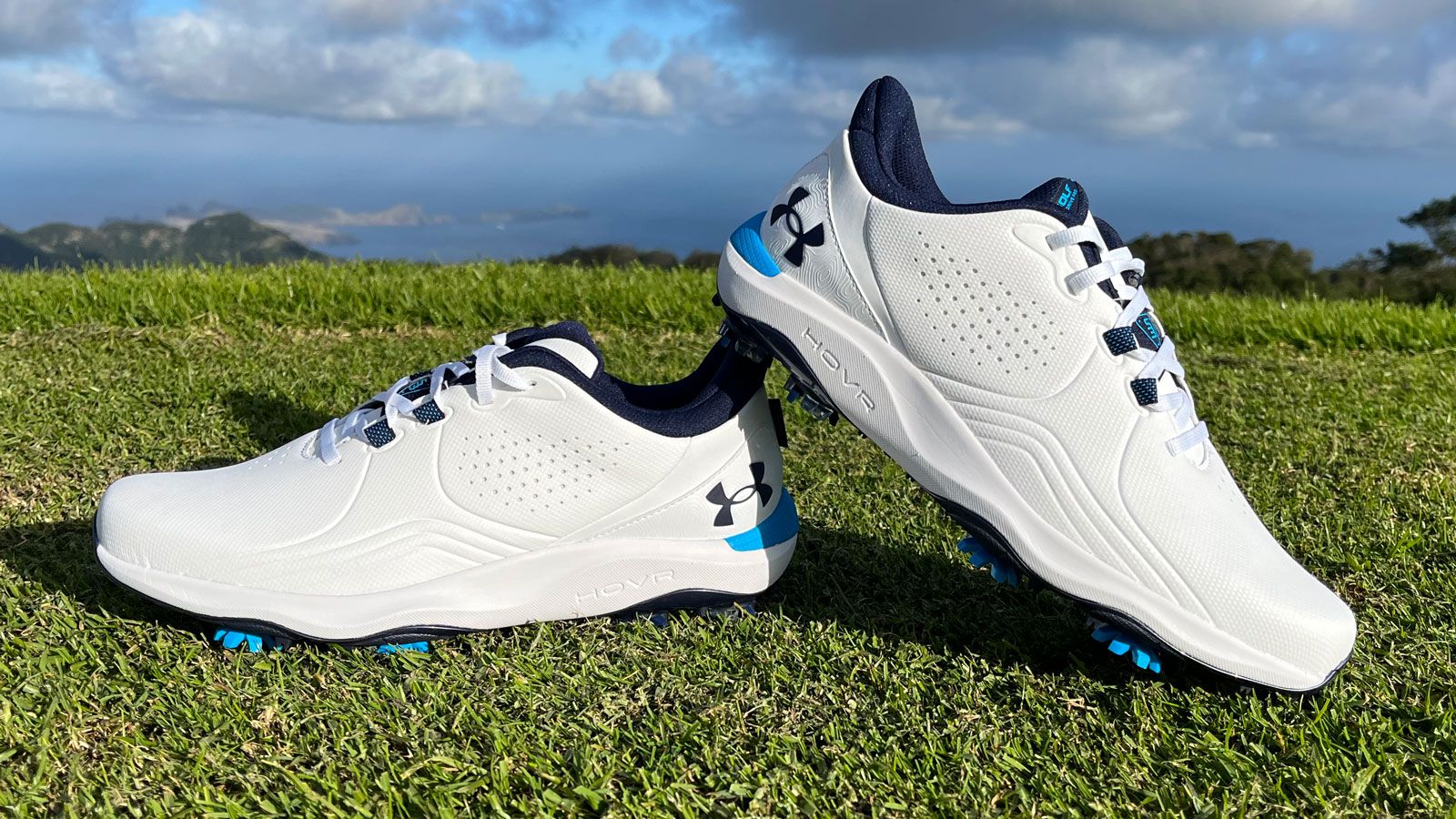
Golf shoes also need to work through many different movements. A full swing places force through the lead foot. A bunker shot may require a wider stance. Chipping and pitching need quiet lower-body control. Putting needs a steady base while you read the green and judge pace.
Stability during the golf swing
During the backswing, many players move pressure toward the trail foot. During the downswing, pressure shifts toward the target. The shoes do not create this movement, but they should let you make it without your foot rolling or sliding inside the shoe.
A shoe that is too loose may cause your heel to lift. A shoe that is too tight may limit natural foot motion. Both problems can affect tempo, balance, and follow-through.
Comfort during a full round
a golf round can last several hours. Walking golfers may cover several miles, depending on the course layout, terrain, and pace of play. Even riders spend time walking from the cart to the ball, around bunkers, and across greens.
Feet can swell during long periods of standing and walking. Heat, humidity, thick socks, and firm turf can increase pressure. That is why you should judge fit after walking, not only while seated.
Traction and ground contact
Traction means the shoe’s ability to resist unwanted movement against the ground. It matters on wet grass, sloped fairways, soft turf, and uneven rough. It also matters when you make a fast swing or play a shot from a sidehill lie.
More traction is not always better. Your feet still need to move in a natural way. A shoe that grips well but creates pain can make your stance tense. Tension can affect your grip, posture, tempo, and impact position.
| Fit feature | What it should feel like | Warning sign |
|---|---|---|
| Heel | Secure with little lift | Heel rises with each step |
| Toe box | Toes can move freely | Toes touch the end |
| Midfoot | Firm and supported | Foot slides side to side |
| Width | No strong pressure points | Numbness or sharp rubbing |
Use this table during a slow walk test. Fit problems often appear more clearly after several minutes than during the first few seconds.
Under Armour golf shoe sizing basics
The best starting point is your normal athletic-shoe size, but do not assume every pair will fit in the same way. Shoe shape is called the last. The last controls the length, width, toe shape, and height around the foot.
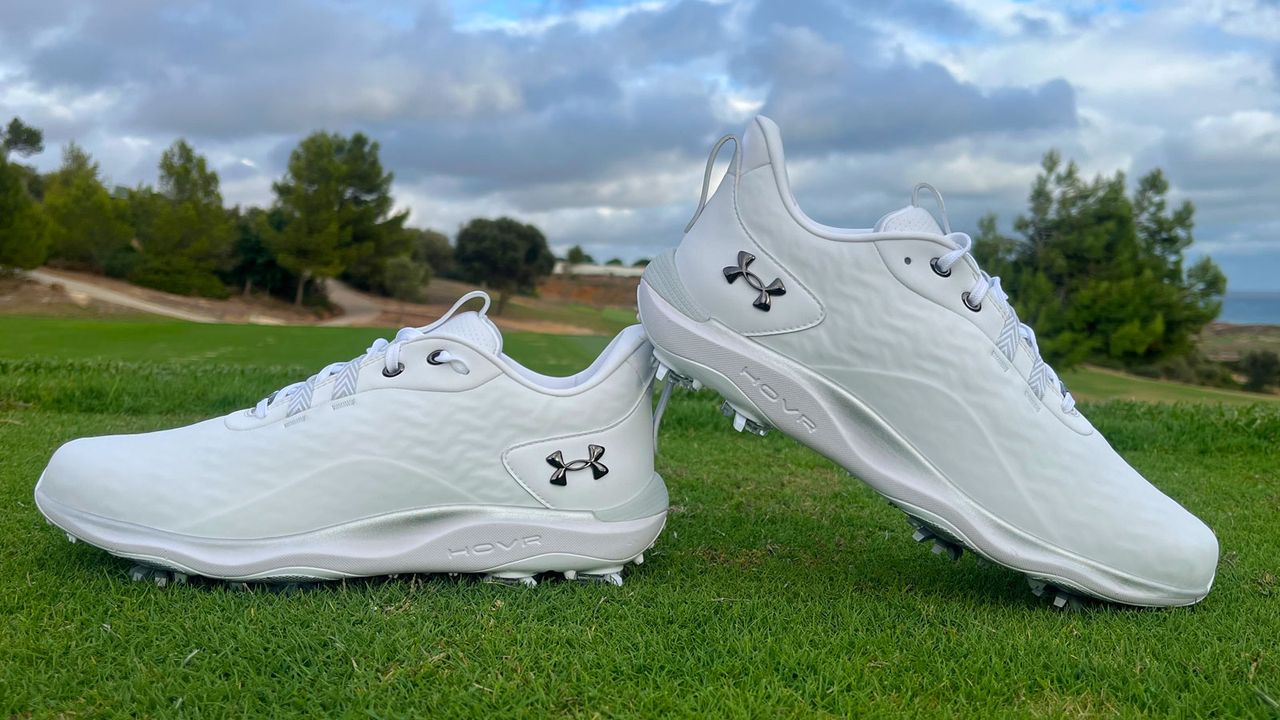
A narrow last may feel snug even when the length is correct. A broad last may feel comfortable across the forefoot but loose at the heel. Material also matters. A firm upper may hold its shape, while a soft upper may stretch slightly with wear.
Measure both feet
Many people have one foot that is slightly longer or wider than the other. Measure both feet at the end of the day, when they are often largest. Use the larger foot when judging length.
Stand while measuring. Body weight changes foot length and width. Wear the socks you use for golf, then measure from the back of the heel to the tip of the longest toe.
Use the longer foot as the guide
Your longest toe may be your big toe, but it may also be your second toe. Leave enough space for the longest toe to avoid contact with the shoe end. A common guide is about a thumb’s width, though the exact amount depends on your foot and the shoe shape.
Too much length can be a problem. If your foot slides forward, you may jam your toes while walking downhill. Excess space can also reduce control during the downswing.
Check the width, not just the length
A shoe can be long enough but still too narrow. Look for pressure across the ball of the foot, little toe, bunion area, and top of the foot. Your foot should not bulge over the sole edge.
If the shoe feels tight only at one spot, the issue may be shape rather than size. A wider shoe may help, but not every width issue is solved by going longer. Extra length can create heel movement.
| Foot feature | Fit check | Better response |
|---|---|---|
| Wide forefoot | Pressure at the ball of the foot | Check a wider shape or different model |
| High instep | Lace area feels tight | Loosen the middle laces and assess comfort |
| Narrow heel | Heel slips while walking | Use a secure lacing pattern |
| High arch | Midfoot feels compressed | Look for more room over the arch |
| Bunions | Side pressure near the big toe | Avoid sharp rubbing or forced alignment |
Do not ignore pain during a fit check. Mild new-shoe firmness may change, but sharp pain, numbness, and burning are not signs of a proper fit.
How to test the fit at home
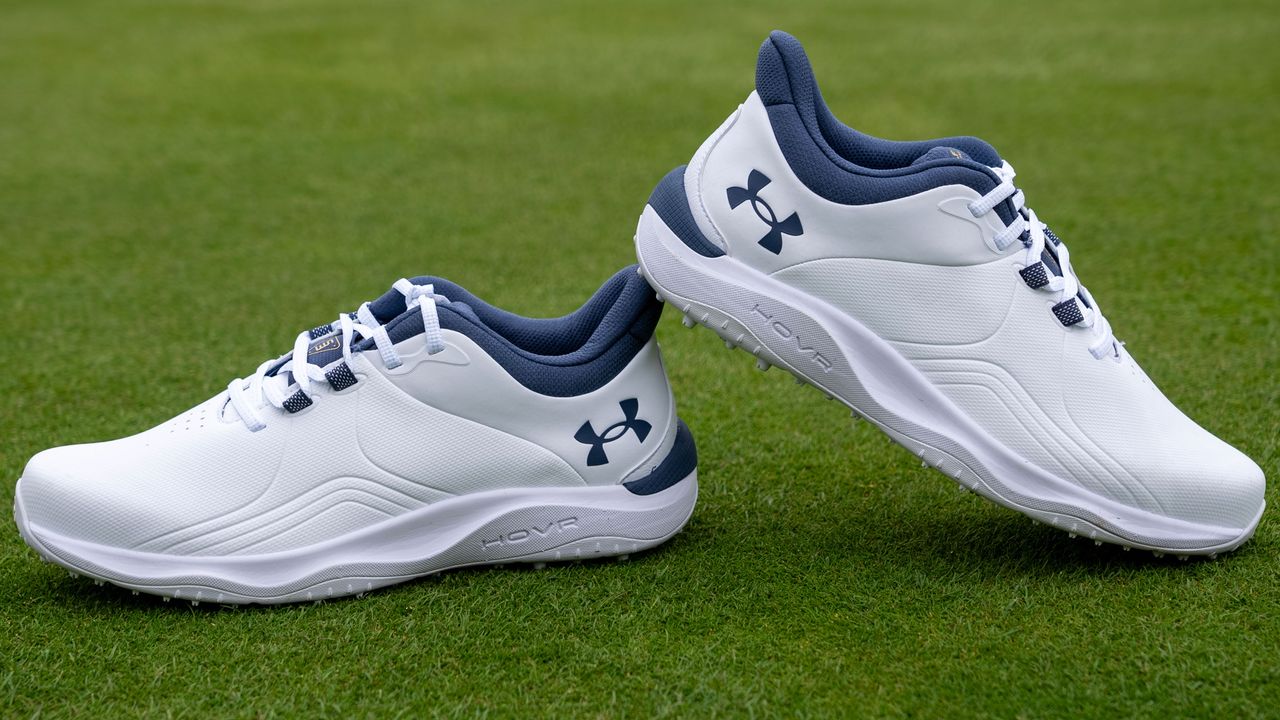
The best way to test Under Armour golf shoe fit is to copy the movements you make on the course. Walk, bend, rotate, and practice a slow golf stance. The shoe should stay stable without creating pressure.
1. Try them on late in the day
Feet often expand after hours of activity. Trying shoes late in the day gives you a more realistic fit for a walking round. This is especially useful for seniors, golfers who work on their feet, and players in hot climates.
Wear the same socks you expect to use for golf. Thick winter socks can make a shoe feel too short. Thin socks can hide a width problem.
2. Check the toe room
Stand with your weight spread across both feet. Press gently near the front of the shoe. Your longest toe should not press hard against the end.
Then walk downhill or down a set of steps if it is safe. Your toes should not slide into the front. This test matters because many golf courses have slopes, raised greens, and uneven paths.
3. Test heel hold
Walk at a normal pace. Your heel may move slightly, but it should not lift dramatically. Excess heel lift can cause blisters and can make you feel less stable during the swing.
Try a heel-lock lacing method if the shoe allows it. This uses the top eyelets to create a more secure hold around the ankle. Do not lace so tightly that you create numbness or pressure.
4. Test the midfoot
Stand in a golf posture with your knees slightly flexed and your back neutral. Make several slow practice swings. Your foot should remain centered over the sole.
For a right-handed player, pay close attention to the lead left foot during the downswing. For a left-handed player, check the lead right foot. The shoe should feel secure without stopping natural rotation.
5. Check the sole edge
Look at your foot from above and from the side. Your foot should sit inside the sole without spilling far over the edge. A foot that hangs over the side may lack support, while a shoe that feels too wide may allow unwanted movement.
| Test | What to do | Good result |
|---|---|---|
| Walk test | Walk for five to ten minutes | No rubbing or heel slip |
| Stance test | Take your normal golf stance | Stable and relaxed feet |
| Swing test | Make slow practice swings | No sliding inside the shoe |
| Step-down test | Walk down a safe slope or steps | Toes do not hit the front |
| Flex test | Bend and roll through the foot | Sole flexes without pinching |
A home test cannot copy every course condition. Wet grass, soft soil, hard paths, and long walks may reveal different issues.
6. Check after a short practice session
Wear the shoes during a short driving-range session or putting practice. Start with putting, then move to chipping and full swings. Do not begin with a long walk or a full round if you are still unsure about the fit.
Look for red marks, hot spots, numbness, or pain. A hot spot is an area that feels warm or irritated before a blister forms. Stop and address it early.
💡 Pro Tip: Keep a simple note after each test. Record where you feel pressure, whether the heel moves, and how the shoe feels after 30 minutes. This helps separate a true sizing issue from a short break-in period.
How should Under Armour golf shoes fit for different foot types?
Under Armour golf shoes should hold the foot in place while leaving enough room for natural movement. The ideal shape differs for narrow feet, wide feet, high arches, flat feet, and feet that swell.

Narrow feet
Golfers with narrow feet often feel heel slip or extra space at the midfoot. Going down in length may not solve the issue if your toes already reach the correct point.
Try a secure lacing pattern and thinner golf socks first. If the shoe still feels loose, the shape may not match your foot. A snug heel with free toe movement is the goal.
Wide feet
Wide-footed golfers often notice pressure at the little toe or the ball of the foot. Do not force your foot into a narrow shape. Pressure can grow during a warm, humid round.
A wider shape may be more suitable. Do not assume that simply choosing a longer size creates width. It can cause the foot to slide and may reduce balance.
High arches
A high arch can create pressure over the top of the foot. Loosening the laces over the arch may help, but only if the heel and forefoot remain secure.
Your arch should feel supported, not pressed upward. If you feel tingling or numbness, stop the test. Persistent symptoms deserve medical advice.
Flat feet
Flat feet do not always need a special shoe. The key question is whether your foot feels stable and pain-free. Watch for excessive inward rolling, which is often called overpronation.
A golf fitness specialist or medical professional can assess foot motion if pain continues. Do not try to fix a painful foot problem through shoe size alone.
Feet that swell
Swelling can make a good morning fit feel tight by the back nine. This is common in hot weather and during long walking rounds. Test shoes with realistic socks and at a time when your feet are larger.
Seniors, players with circulation concerns, and golfers returning from injury should be especially careful. See a doctor if swelling is sudden, severe, one-sided, or painful.
Under Armour golf shoes for men, women, seniors, and juniors
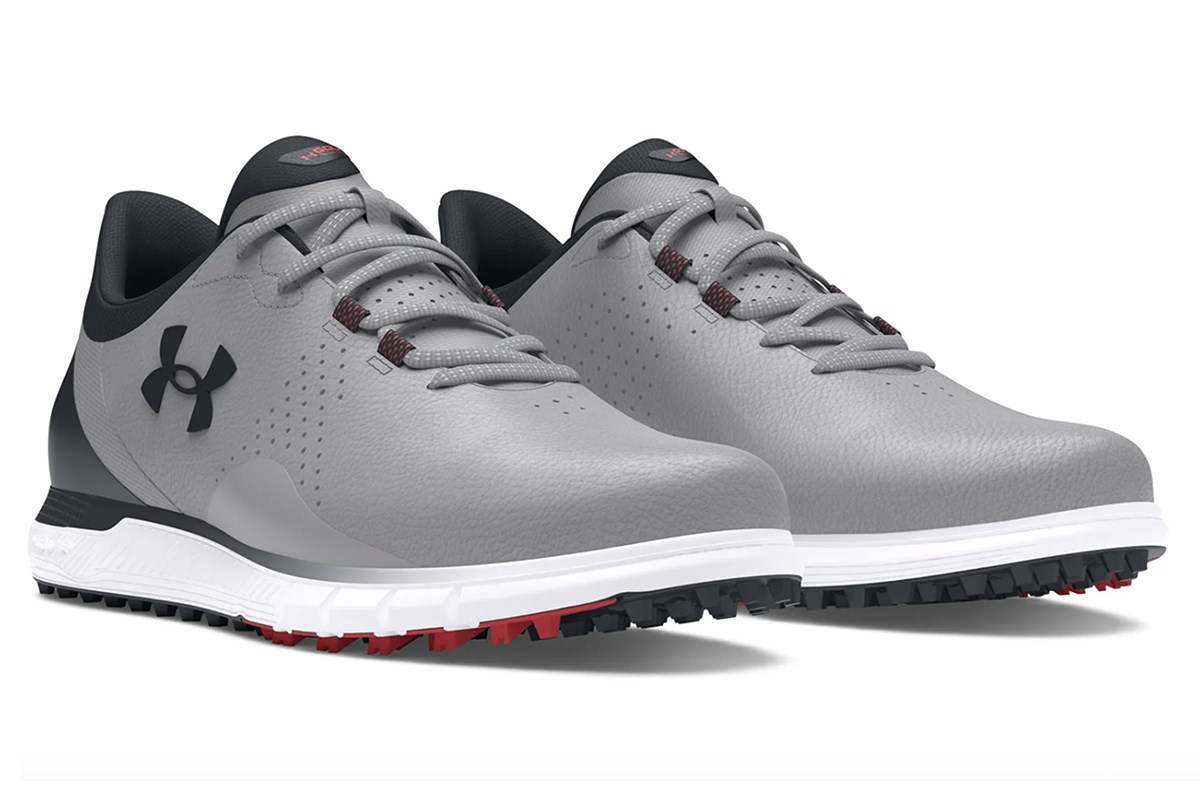
The right fit is based more on foot shape and use than on the label for men or women. Men’s and women’s models may use different widths, heel shapes, and proportions, but individual feet vary widely.
Fit for men
Many men have wider feet, but that is not true for every golfer. Check the ball of the foot, heel hold, and space across the instep. A shoe should not feel tight simply because it is new.
Men with large feet should still focus on shape. A longer shoe is not automatically a wider shoe. Balance and comfort matter more than the number printed on the size label.
Fit for women
Women often benefit from checking heel security and forefoot space. Some women’s shoe shapes use a narrower heel and a more tapered forefoot, but personal fit still comes first.
Hormonal changes, pregnancy, age, and long periods of standing can affect foot size. Golfers should judge fit on the day and conditions in which they plan to play.
Fit for seniors
Senior golfers may need more room for swelling, bunions, reduced flexibility, or sensitive skin. A stable fit can help with confidence during uneven lies, but the shoe should not restrict natural movement.
A short warm-up can help. Walk for a few minutes, move the ankles, and make slow practice swings before judging the final fit. Persistent foot, knee, hip, or back pain needs professional attention.
Fit for juniors
Junior golfers should not use oversized shoes just to allow extra growth. Too much room can make walking and swinging less stable. It may also increase the risk of tripping.
A junior should have enough toe room for growth but still keep the heel secure. Check the fit often because children’s feet can change quickly.
👪 Parent or Beginner Note: Ask a junior golfer to describe the feeling, not just say “fine.” Ask where the shoe feels tight, whether the heel moves, and whether the toes touch the front after walking.
| Golfer | Main fit priority | Common mistake |
|---|---|---|
| Beginner | Comfort and stable footing | Choosing by size number alone |
| Senior | Room for swelling and easy comfort | Ignoring numbness or pressure |
| Junior | Secure heel with safe growth room | Using shoes that are too large |
| Walking golfer | Breathable comfort and low rubbing | Testing only while seated |
| Competitive player | Precise hold during swings | Choosing stiffness over comfort |
Your playing level does not change basic fit rules. It changes how closely you may notice small movement during impact and follow-through.
Spiked and spikeless Under Armour golf shoe fit
The main difference between spiked and spikeless golf shoes is how traction reaches the ground, not how the upper should fit. Both types should hold your foot securely and allow your toes to move.

Spiked shoes may feel more structured under the foot. Spikeless shoes may feel more flexible during walking. Neither style should cause pain, heel lift, or pressure across the toes.
Spiked shoes
Spiked shoes can provide strong traction in wet or soft conditions. They may suit golfers who play on hilly courses or create high force during the downswing.
Check how the sole feels when you stand on hard ground. A firm traction system can feel different from a normal walking shoe. Your foot should still sit evenly inside the shoe.
Spikeless shoes
Spikeless shoes often feel more natural for walking and casual use. They may suit beginners, seniors, and golfers who move between the course, practice area, and clubhouse.
However, a flexible shoe still needs support. If the foot slides inside the upper, flexibility becomes instability. Test it with a golf stance and slow swing.
Fit differences on firm and soft turf
Hard, dry turf can make the sole feel less forgiving. Soft turf can increase traction but may also expose weak heel hold. Wet grass raises the need for careful footing.
Course type matters. A flat executive course may place fewer demands on the shoe than a hilly links course. A links course may include wind, firm ground, slopes, and long walks beside open fairways.
| Course condition | Fit concern | Useful check |
|---|---|---|
| Wet grass | Foot may slide | Test heel and midfoot hold |
| Firm turf | Impact feels harder | Check comfort under the forefoot |
| Hilly course | Toes may move downhill | Perform a safe step-down test |
| Soft turf | Sole may sink slightly | Keep stance stable without over-tightening |
| Links-style ground | Long walking and firm lies | Check comfort after extended walking |
A shoe that feels good on a flat driving range may feel different on a sloped course. Try to judge fit under realistic conditions.
Common fit problems and simple fixes
Most golf shoe problems come from one of four causes: wrong length, wrong width, poor lacing, or wearing the wrong socks. Finding the cause is more useful than simply tightening the laces.

Heel slipping
Heel slip happens when the rear of the foot lifts as you walk or swing. A small amount of movement can be normal in a new shoe, but repeated lifting can cause blisters.
Use a heel-lock lacing method if possible. If the heel still moves, the shoe shape may not match your foot. Going shorter can cause toe pressure, so do not change length without checking toe room.
Toe pressure
Toe pressure often means the shoe is too short, too narrow, or both. It can also happen when the foot slides forward because the heel is loose.
Check the fit while standing. Make sure your longest toe has room and that the forefoot is not squeezed from the sides. Pain at the toe is not something to ignore.
Arch pressure
Arch pressure may come from a high instep, tight laces, or an insole shape that does not suit you. Loosen the laces across the pressure point and walk again.
If the pressure remains, the problem may be the shoe’s internal shape. Do not force the foot into place through very tight lacing.
Blisters
Blisters form through friction, moisture, heat, or movement. They often appear at the heel, toe, or ball of the foot.
Keep feet dry, use suitable golf socks, and stop when a hot spot appears. A blister that becomes red, swollen, or infected should receive medical care.
| Problem | Likely cause | First check |
|---|---|---|
| Heel lift | Loose heel shape or poor lacing | Heel-lock lacing |
| Toe rubbing | Short length or forward slide | Standing toe-room test |
| Side pressure | Narrow forefoot | Ball-of-foot width |
| Numbness | Tight laces or narrow fit | Loosen laces and stop if it remains |
| Blisters | Friction or moisture | Sock choice and heel movement |
These fixes may not suit every golfer. A player with diabetes, reduced sensation, circulation issues, or persistent pain should speak with a health professional.
🔧 Quick Fix: If your heel slips but your toes have enough room, adjust the top eyelets before changing size. If your toes touch the end, lacing cannot solve a length problem.
How fit affects swing mechanics
Golf shoes do not fix swing faults, but poor fit can make a swing fault harder to manage. Your feet influence stance width, posture, balance, and pressure shift.

Stance and posture
Your stance is the position of your feet before the swing. Your posture is the angle of your body as you address the ball. A shoe that feels unstable may cause you to widen your stance or lock your knees.
Beginners often respond to discomfort by standing stiffly. That can limit rotation and make the backswing feel rushed. Use shoes that let you stand tall, flex your knees, and keep your weight balanced.
Backswing and downswing
During the backswing, pressure usually moves toward the trail side. During the downswing, it moves toward the lead side. The amount varies by player, club, swing style, and skill level.
If your foot moves inside the shoe, you may lose confidence during this shift. A stable shoe can help you feel the ground, but it cannot replace sound instruction or practice.
Impact and follow-through
At impact, the body is moving quickly. The lead foot needs to support rotation while the trail foot begins to release. Your shoe should not pinch the lead forefoot or allow the heel to lift.
After impact, the follow-through should feel balanced. If you finish leaning or stumbling because your feet slide, review both your swing mechanics and your shoe fit.
Short-game movement
Chipping and pitching use smaller swings, but foot stability still matters. Bunker shots often require a wider stance and a stable base. Putting requires quiet feet while you read green speed and break.
A comfortable shoe can help you focus on the shot rather than your feet. It does not need to feel rigid for every golfer. A junior or beginner may prefer a natural walking feel, while an advanced player may notice small changes in lateral support.
Fit for walking, riding, and different weather
How you travel around the course changes the demands on your golf shoes. Walking creates more heat and friction. Riding reduces steps but still involves uneven ground and repeated movement.
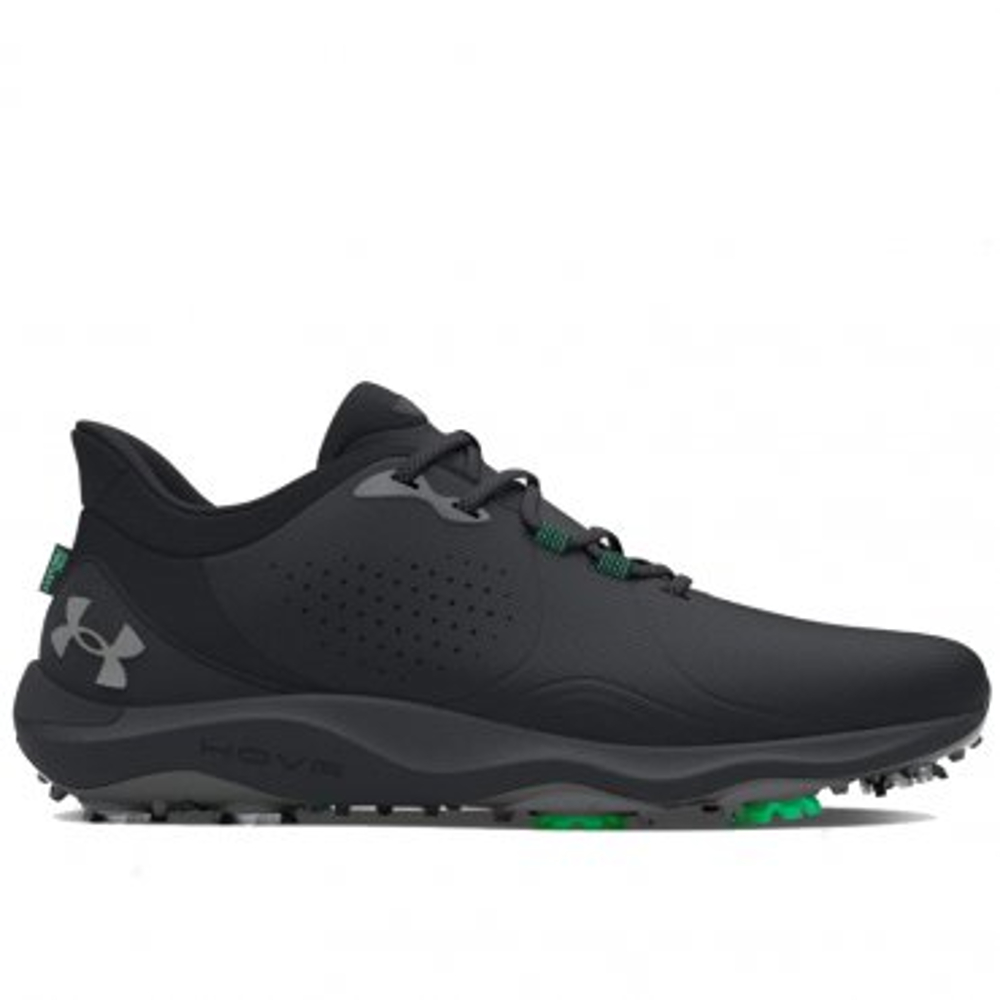
Walking golfers
Walking golfers should focus on heel security, breathability, and forefoot comfort. A shoe that feels acceptable for ten minutes may create problems after 18 holes.
Walk on a mix of surfaces when testing. Include a firm path, grass, and a gentle slope. Pay attention to pace of play, since rushing between shots can increase foot friction and fatigue.
Cart golfers
Cart golfers still need secure shoes. You may walk over wet grass, sand, roots, and steep paths. Cart use can also encourage sudden stops and fast steps.
Keep both feet inside the cart, follow cart signs, and avoid driving close to steep edges. Good golf etiquette includes protecting the course and staying safe around carts.
Hot and humid weather
Heat can increase foot swelling and moisture. Use socks that manage moisture and allow the foot to breathe. Test the shoes after your feet have warmed up.
Stay hydrated, use sun protection, and take breaks in shade when needed. If you feel dizzy, confused, weak, or sick, stop playing and seek help.
Cold and wet weather
Cold feet may feel smaller at first, but thick socks can reduce room. Wet conditions can increase slipping and rubbing. Make sure your shoes remain secure without cutting off circulation.
Leave the course at the first warning of lightning. Do not wait for a storm to appear overhead. Footwear cannot protect you from lightning.
| Playing situation | What may change | Fit priority |
|---|---|---|
| Long walking round | Heat and swelling | Roomy toe box and low friction |
| Cart round | Short bursts of walking | Heel hold and secure footing |
| Hot weather | Moisture and foot expansion | Breathability and sock control |
| Wet weather | Slipping and damp socks | Traction and stable upper |
| Cold weather | Thicker socks | Recheck toe room |
Weather can change how a shoe feels during the same round. Plan for the conditions, not just the first tee.
Under Armour golf shoe fit versus regular sneakers
Under Armour golf shoes may feel different from running shoes or casual sneakers because golf shoes need more side-to-side stability. Running shoes often encourage forward motion. Golf shoes must support rotation and controlled weight transfer.

A regular sneaker may feel soft and comfortable but allow too much movement during a swing. A golf shoe may feel firmer under the midfoot or heel. That firmness should support you, not create pain.
Do not judge fit only by softness. A soft shoe can still rub. A firm shoe can still fit well if it gives your toes room and keeps your heel secure.
Why walking shoes may feel different
Walking shoes often flex along the front and guide the foot forward. Golf shoes may have a broader base or more structured sole. This can feel unusual for a beginner.
Use a gradual test. Walk first, then make half swings, then full swings. If the shoe causes pain or changes your natural balance, stop and reassess.
| Shoe type | Main design goal | Golf fit question |
|---|---|---|
| Running shoe | Forward motion and impact comfort | Does it allow too much side movement? |
| Walking shoe | Repeated steps and easy flex | Does it hold during a swing? |
| Golf shoe | Stability and course traction | Does it remain comfortable for walking? |
The right fit depends on your use. A golfer with foot pain may need medical or professional guidance before choosing a more structured shoe.
Fit mistakes that golfers often make
Many golfers focus on length and ignore the rest of the foot. Others test shoes while seated, wear thin socks, or assume discomfort is part of breaking them in.

Mistake 1: Choosing the same size every time
Size labels can vary across models and brands. Even within one brand, shape and materials can change how a shoe feels.
Use your usual size as a starting point, not a final answer. Confirm length, width, heel hold, and comfort.
Mistake 2: Testing only while sitting
Your foot changes when you stand. It spreads under body weight and may become longer. Always test while standing and walking.
Golfers also need to test a golf stance. A shoe may feel fine during a normal walk but fail during a rotational movement.
Mistake 3: Buying extra length for width
More length does not always provide more useful width. It can create forward slide and toe pressure on slopes.
Look for a shape that matches your forefoot. If you have a medical foot concern, seek expert advice.
Mistake 4: Wearing new shoes for 18 holes first
A full round is a poor first test. Use short sessions first. Watch for hot spots and pressure.
Mistake 5: Ignoring pain
Discomfort is information. Do not expect sharp pain, numbness, or burning to disappear through normal use. Persistent pain can affect your swing and your daily movement.
🌿 Course Care Note: Stable footing helps you walk with control around greens and bunkers. Repair ball marks, replace divots when allowed, rake bunkers, keep pace, and avoid dragging your feet across putting surfaces.
A fit checklist for the driving range and course
Use this checklist before you commit to a long round. It suits beginners who are learning what good fit feels like and experienced golfers who are changing models or dealing with foot changes.

Before walking
- Wear your normal golf socks.
- Check both shoes for equal comfort.
- Stand and confirm toe room.
- Check pressure across the forefoot.
- Tie the laces without creating numbness.
During a practice swing
- Take your normal stance.
- Make slow half swings.
- Make several full-speed swings only if comfortable.
- Watch for heel lift.
- Check the lead foot during the downswing.
- Finish in balance.
After practice
- Look for red marks.
- Note heat or rubbing.
- Check for toe pain.
- Walk for several minutes.
- Decide whether comfort improves or worsens.
| Fit checkpoint | Pass sign | Stop sign |
|---|---|---|
| Toe room | Toes move freely | Toe touches the end |
| Heel | Stable while walking | Repeated lift |
| Width | No sharp pressure | Numbness or burning |
| Swing | Balanced finish | Foot slides inside |
| After use | No hot spots | Red or painful areas |
A checklist cannot replace a professional assessment. It simply helps you notice common fit problems early.
When to ask a golf professional or health professional
Ask a PGA professional for help when shoe discomfort changes your stance or swing. A teaching professional can watch your foot movement, posture, balance, and pressure shift.
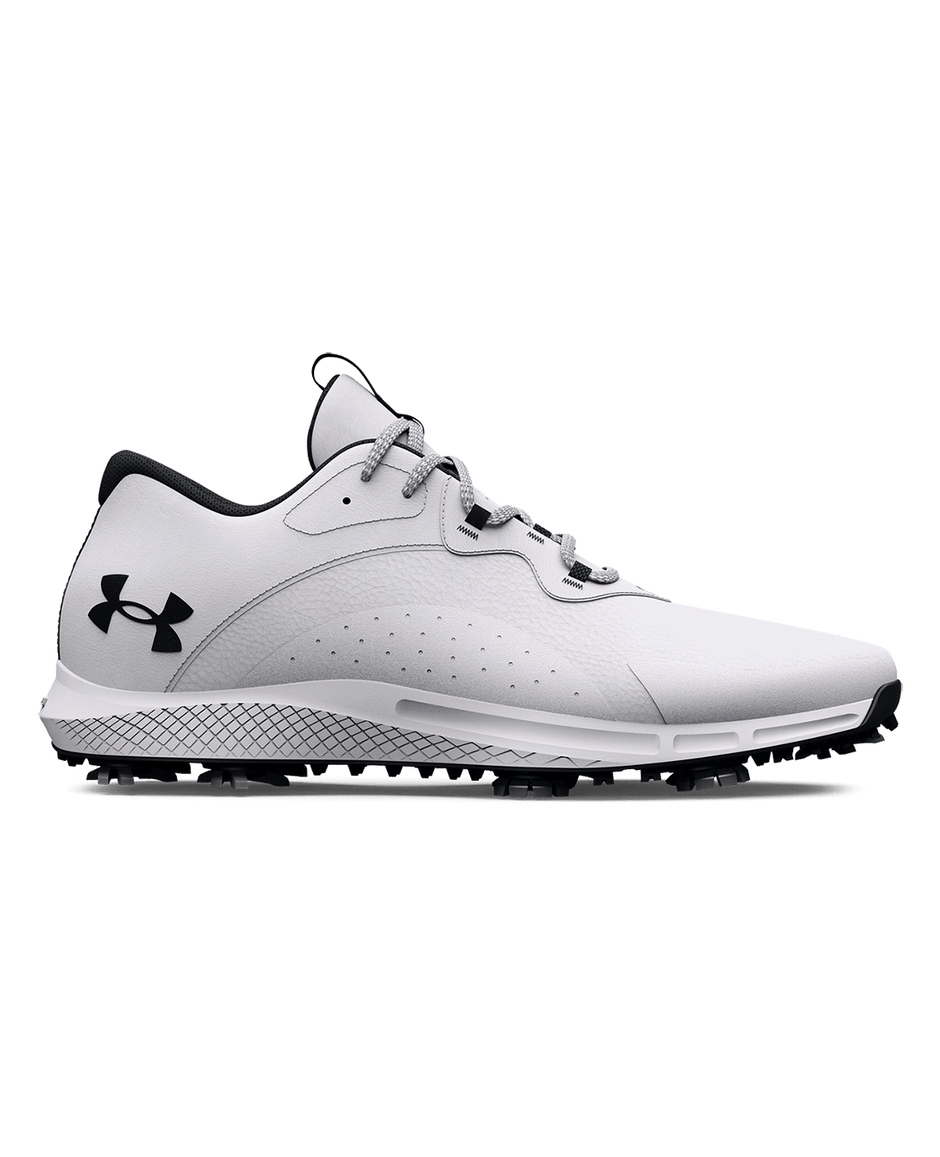
A lesson suits golfers who feel unstable during the downswing, lose balance after impact, or keep changing stance width to avoid discomfort. It also helps players who cannot tell whether the issue comes from their shoes or their swing.
Ask a doctor or podiatrist about persistent pain, swelling, numbness, or changes in walking. Do not play through sharp pain in the foot, ankle, knee, hip, or back.
Golf fitness can also help. Simple ankle, calf, hip, and balance work may support movement, but exercises should match your health and training level. Warm up before swinging, especially in cold weather.
For juniors, consult a parent, coach, and health professional when pain or repeated tripping occurs. Junior-sized equipment and proper supervision matter. Keep the swing area clear and never stand near another player’s swing path.
FAQs about Under Armour golf shoe fit
Q: Do Under Armour golf shoes fit true to size?
A: Many fit close to a golfer’s normal athletic-shoe size, but model shape and foot width matter. Use your normal size as a starting point. Confirm toe room, width, heel security, and comfort while standing and walking.
Q: Should I size up in Under Armour golf shoes?
A: Only if the shoe is too short after you check the fit while standing. Do not size up just to gain width. Extra length can make your foot slide forward and reduce stability.
Q: Are Under Armour golf shoes good for wide feet?
A: Fit depends on the model and your foot shape. A golfer with wide feet should look for enough room across the ball of the foot and little toe. A longer size is not always a useful substitute for a wider shape.
Q: How much room should be in the toe of a golf shoe?
A: Leave about a thumb’s width between your longest toe and the shoe end. Your toes should move freely, but your foot should not slide forward when you walk downhill or take a golf stance.
Q: Should golf shoes feel tight at first?
A: They should feel secure, not painful. Mild firmness may change as materials flex, but sharp rubbing, numbness, burning, and strong toe pressure are warning signs.
Q: How should golf shoes fit for seniors?
A: Seniors often need secure heels, enough room for swelling, and comfort around sensitive areas. Test shoes late in the day and walk before judging fit. Persistent swelling or pain needs medical advice.
Q: How should golf shoes fit for juniors?
A: Juniors need safe growth room but should not wear shoes that are too large. The heel should remain secure, and the toes should not hit the front. Check the fit often as feet grow.
Q: Can golf shoes affect my golf swing?
A: Poor fit can affect balance, posture, stance, and confidence during the swing. Golf shoes cannot repair a swing fault, but a stable, comfortable fit can help you focus on grip, tempo, impact, and follow-through.
Q: Are spikeless golf shoes more comfortable?
A: Comfort depends on the shoe shape and your feet. Spikeless shoes may feel natural for walking, while other golfers prefer a more structured feel. Both types should keep the heel secure and avoid pressure points.
Q: Can I wear thick socks with Under Armour golf shoes?
A: You can, but thick socks reduce internal space. Test the shoes with the socks you plan to use on the course. Make sure your toes still move and your heel remains secure.
Q: How long does it take to break in golf shoes?
A: Some shoes feel comfortable at once, while others need several short sessions. Do not use a long 18-hole round as the first test. Pain should not be treated as a normal break-in stage.
Q: Do left-handed golfers need a different golf shoe fit?
A: No. Left- and right-handed golfers use the same basic fit principles. The lead foot changes sides, so each player should check stability in the foot that supports the downswing and follow-through.
Q: Are golf shoes needed for beginners?
A: Beginners need stable, comfortable footwear with suitable traction. The exact style matters less than secure footing, safe walking, and comfort. A beginner should also learn golf etiquette, pace of play, and safe movement around the course.
Q: Can I use golf shoes on an executive course?
A: Yes, if the course permits them. An executive course may be shorter, but it still includes grass, slopes, bunkers, and greens. Follow the course’s footwear and care rules.
Q: Do golf shoe fit rules affect golf rules?
A: Shoe fit itself is not usually a Rules of Golf issue. However, footwear must follow course or competition conditions. Check the latest Rules of Golf and local committee rules for updates, especially in organized events.
Final thoughts
Under Armour golf shoes usually begin with your normal athletic-shoe size, but the label is only the first step. The correct fit keeps your heel secure, gives your toes room, supports the midfoot, and stays comfortable through walking and swinging.
Test both feet while standing. Wear your golf socks. Walk, take your stance, make slow swings, and check the shoe again after practice. Beginners should focus on comfort and balance, improving golfers should watch stability during pressure shift, and juniors and seniors should pay close attention to growth, swelling, and pain.
A well-fitting golf shoe becomes quiet in your mind. It lets you focus on the shot, the lie, the target, and the pace of play. If pain or instability continues, ask a PGA professional or health professional for guidance rather than trying to solve the issue by changing size alone.