Why Do Golf Shoes Have Flaps: Their Real Purpose
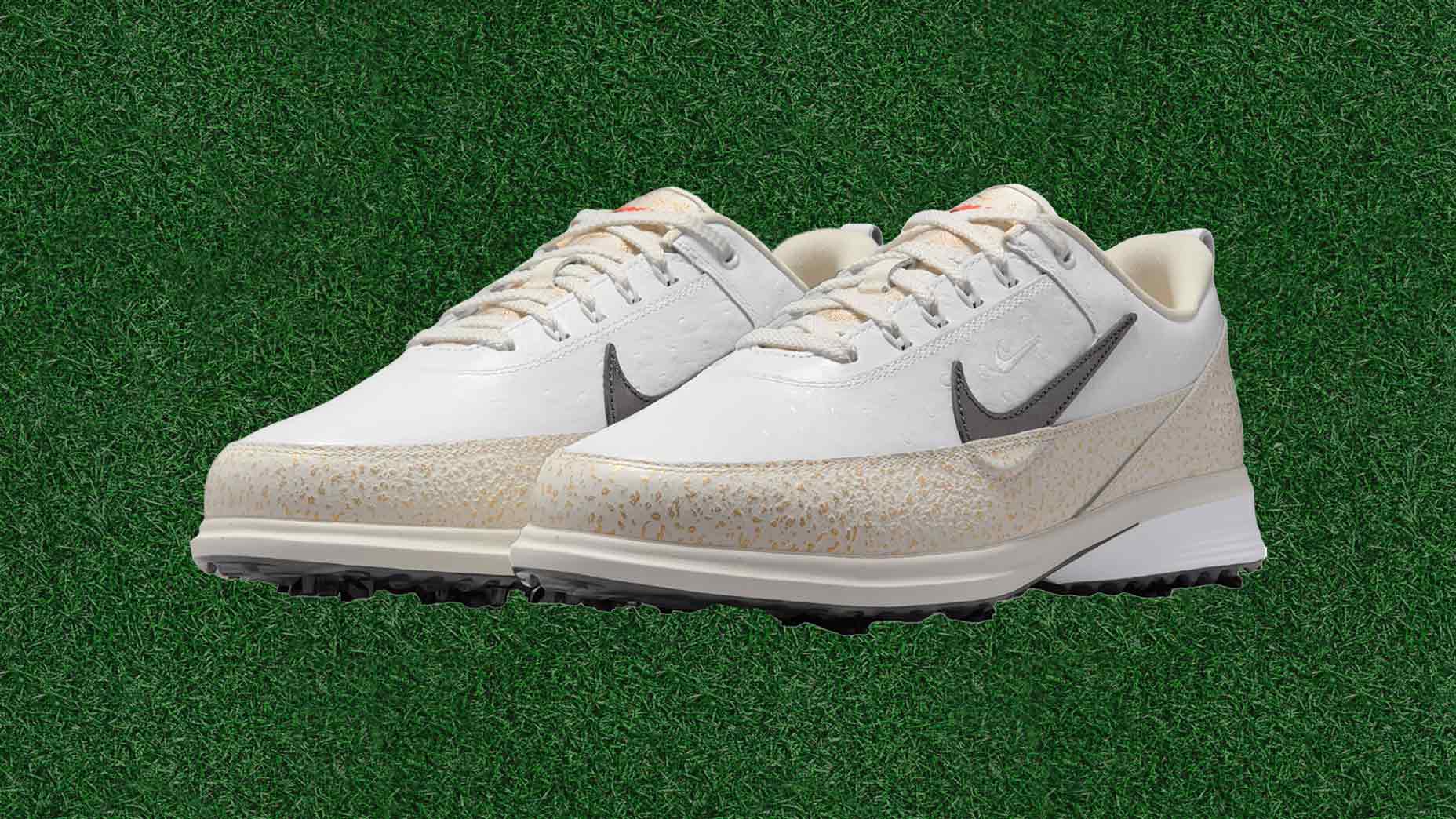
Golf shoes can have flaps for several practical reasons. Most flaps cover the tongue, laces, or upper part of the shoe. They help block grass, sand, mud, and water. They can also spread pressure across the top of the foot, protect the laces, and add a snug feel during the golf swing.
The word “flap” can mean different parts of a golf shoe. A shoe may have a tongue flap under the laces, a lace cover over the laces, or a gaiter-like flap around the ankle. Each design has a slightly different job. The goal is usually comfort, weather protection, foot security, or all three.
For a beginner, these parts may look like decoration. For a player who walks 18 holes, plays in wet grass, or swings with a fast tempo, they can make a clear difference. Still, a flap is not a magic swing aid. Good grip, a balanced stance, sound posture, and proper footwork matter far more.
Quick answer: Why do golf shoes have flaps?
Golf shoes have flaps to cover and protect the tongue, laces, or ankle area. A flap can keep out water, dirt, sand, and grass. It can also reduce lace pressure, protect the shoe from wear, and help the foot stay stable during the backswing, downswing, and follow-through.

The main reason depends on the flap’s location. A flap across the laces often improves weather protection. A tongue flap helps spread pressure over the instep, which is the top of the foot. An ankle flap may act like a small gaiter and help keep debris out.
Golf shoe flaps are not required by the Rules of Golf. They are part of the shoe design. The shoe still must meet any event or course requirements, such as a local rule about metal spikes or other footwear features.
What the flap on a golf shoe is
A golf shoe flap is a flexible piece of material attached to the shoe’s upper. The upper is the part that covers the foot. The flap may fold over another section, sit beneath the laces, or wrap around the ankle.
The shape often tells you its purpose. A wide piece over the laces gives more coverage from rain and wet grass. A soft tongue under the laces gives comfort and helps stop the laces from pressing into the foot. A tall ankle flap gives extra coverage around the collar.
Some flaps are fixed in place. Others move when the shoe opens. Some use elastic, a snap, a hook-and-loop fastener, or the laces themselves. The materials may include leather, synthetic fabric, mesh, rubber, or a waterproof membrane.
Common flap designs
Golf shoes use a few common flap styles. They may look similar, but they do not all serve the same purpose.
| Flap type | Main purpose | Where you see it |
|---|---|---|
| Tongue flap | Spreads lace pressure and covers the instep | Under the laces |
| Lace cover | Shields laces from water, mud, and grass | Over the laces |
| Ankle gaiter | Blocks debris and adds weather coverage | Around the ankle |
| Kiltie-style flap | Covers the lace area and adds a traditional look | Across the vamp |
| Gusseted tongue | Connects the tongue to the sides of the shoe | Inside the opening |
The takeaway is simple: a flap is usually a comfort or protection feature. It does not replace proper shoe fit or good swing mechanics.
How golf shoe flaps work during a swing
A golf swing creates force in the feet before the club reaches the ball. The feet help the player sense pressure, rotate the hips, and keep balance. A secure shoe lets the player move without unwanted slipping or distraction.
During the backswing, pressure often shifts toward the trail foot. During the downswing, pressure moves toward the lead side. At impact, the lead foot must help the body brace and rotate. A stable shoe can help the player feel this sequence.
A flap does not create traction by itself. The sole and tread provide most of the grip. The flap helps keep the upper part of the shoe secure and protected. This can reduce movement inside the shoe, especially when the foot turns during the follow-through.
Pressure across the top of the foot
Laces can create narrow pressure points. This is common when the shoe tongue is thin or when the laces are pulled too tightly. A broad tongue or flap spreads that pressure over a larger area.
This feature can suit golfers with a high instep. The instep is the raised area on top of the foot. It can also help players who walk a lot or wear shoes for several hours at a time.
A flap may not suit every foot. A player with a low instep may feel too much material or pressure. The best result comes from even tension, not from pulling the laces as tight as possible.
Keeping the foot in place
A flap can help the upper wrap around the foot. This may reduce small movements between the foot and the shoe. Less movement can make the shoe feel more connected during a change of direction.
This matters most for players who swing hard, play on slopes, or walk over uneven ground. It can also help senior golfers who want a steady feel without forcing the foot into a rigid position.
The flap should not cause numbness, tingling, or pain. Those signs suggest too much pressure, poor fit, or a foot issue. Stop and adjust the shoe. See a medical professional if pain continues.
The main benefits of golf shoe flaps
Golf shoe flaps provide several useful benefits, but each benefit depends on the design. A waterproof lace cover does more for wet weather than a small tongue flap. A soft tongue may improve comfort but offer little protection from heavy rain.
Water and mud protection
Golf courses often stay wet long after rain stops. Dew can cover the fairway at dawn. A player may also walk through wet rough, soft ground, or a bunker edge.
A flap covers gaps where water can enter. Laces create many small openings. A cover over them can reduce direct exposure to rain and spray. It cannot make every golf shoe fully waterproof, especially if water enters through the collar or sole.
Grass and sand control
Small pieces of grass can collect around laces and shoe openings. Sand can enter during bunker shots. A flap can act like a small shield and make the shoe easier to clean.
This benefit suits golfers who play often in dry, sandy areas. It also helps juniors, who may spend more time in rough grass while learning course management and basic ball striking.
Lace protection
Laces can catch on branches, cart parts, or course debris. They can also absorb water and become dirty. A lace cover helps shield them from wear.
The cover may also reduce the chance of a loose lace catching on the other shoe. Players should still check their laces before the round. A flap is not a substitute for tying the shoes securely.
Comfort during long rounds
An 18-hole round can take several hours. A walking golfer may take thousands of steps. Pressure that feels minor on the first tee can become a major distraction on the back nine.
A well-shaped tongue or flap can soften the contact between the laces and the foot. This may help reduce hot spots. A hot spot is an area that rubs and may form a blister.
| Course situation | Flap benefit | Limitation |
|---|---|---|
| Wet morning | Blocks some dew and spray | Does not seal the whole shoe |
| Sandy course | Helps limit sand near the laces | Sand can still enter at the collar |
| Long walking round | Spreads lace pressure | Poor sizing can still cause rubbing |
| Hilly course | Helps hold the upper in place | Sole traction remains the key factor |
| Heavy rough | Shields the lace area | Tall grass can still reach the ankle |
The main takeaway is that flaps help manage small problems that can become large distractions. They work best with suitable socks, even lace tension, and a secure sole.
Support on slopes
A golf course rarely stays flat for every shot. Sidehill lies can make the trail foot or lead foot feel unstable. A secure upper may help the shoe stay connected to the foot.
This does not mean a flap corrects poor balance. A golfer still needs a stable stance, a centered posture, and a controlled tempo. The flap simply supports the shoe’s job.
Flaps, tongues, gussets, and kilties: what is the difference?
The terms used for shoe parts can be confusing. A tongue, gusset, flap, and kiltie may overlap in everyday speech, but they describe different ideas.
A tongue is the piece under the laces. A gusset connects the tongue to the sides of the shoe. A lace cover sits over the laces. A kiltie is a decorative or protective flap that often extends over the front of the shoe.
The tongue
The tongue sits between the laces and the top of the foot. It protects the foot from direct lace pressure. It also helps close the shoe opening.
A padded tongue may suit a golfer who feels lace pressure. A thinner tongue may suit a player who wants a closer, lighter feel. Neither is automatically better for men, women, juniors, left-handed players, or right-handed players. Foot shape and comfort matter more than playing side.
The gusset
A gusset is a fabric connection between the tongue and the shoe’s side panels. It reduces the open gap under the laces. A gusseted tongue often gives better protection from water, grass, and sand.
The gusset may also help the shoe wrap around the foot. This can make the fit feel more secure during rotation. It can feel warm in hot weather, though, especially when made from a less breathable material.
The lace cover
A lace cover is the flap most people notice. It folds over the laces and may fasten near the sides. Its main jobs are protection and weather control.
Traditional golf shoes sometimes use a broad cover for a classic look. Modern designs may use a smaller flap or a hidden construction. The look changes, but the basic purpose remains similar.
The kiltie
A kiltie is a fringed or shaped flap that covers part of the lace area. It has roots in traditional footwear. It can keep some debris away from the laces and add a distinct appearance.
A kiltie may move while walking. It should not interfere with the swing or press into the foot. If it catches or folds in an uncomfortable way, the player should stop and adjust it.
| Shoe part | Simple definition | Main job |
|---|---|---|
| Tongue | Panel under the laces | Protects the instep |
| Gusset | Side connection on the tongue | Closes gaps and adds coverage |
| Lace cover | Panel over the laces | Shields laces and opening |
| Kiltie | Shaped or fringed cover | Adds coverage and tradition |
| Collar | Opening around the ankle | Holds the foot and blocks debris |
These parts often work as a system. The tongue supports comfort, the gusset limits openings, and the outer flap protects the lace area.
Why flaps matter in different weather and course conditions
Weather changes how a golf shoe feels. A flap that feels useful on a wet links course may feel warm on a dry executive course. The right design depends on the ground, climate, and walking plan.
Wet grass and rain
Wet grass can soak the lower part of a shoe. Water often enters through the lace area because it has many gaps. A flap can reduce that path.
Heavy rain calls for more than a flap. Players should follow course safety rules, keep clothing dry, and leave the course at the first lightning warning. Do not stay outside to finish a hole when lightning is present.
Hot and humid weather
A covered lace area may hold more heat. This can matter in humid climates or during a long walking round. Breathability becomes more important in these conditions.
Golfers should drink water, use sun protection, wear suitable clothing, and take breaks when needed. Heat affects focus, grip pressure, and tempo. It can also raise the risk of fatigue-related mistakes.
Cold weather
Cold hands and feet can reduce comfort and feel. A flap may block wind around the top of the shoe. This can help the foot feel warmer, but thick coverage can limit flexibility.
A good warm-up routine matters more than any shoe feature. Start with easy movement, gentle leg swings, and short practice swings. Do not begin with full-speed drives.
Sand and firm ground
On a firm, dry course, sand and dust can enter through the lace area. A flap can help keep the upper cleaner. On firm ground, the sole’s traction pattern and the player’s balance remain central.
A links course may have wind, firm turf, and uneven lies. An inland parkland course may have softer fairways and more shade. An executive course may involve shorter holes but still require careful walking over slopes and wet grass.
| Condition | What the flap may do | What the player should still do |
|---|---|---|
| Morning dew | Reduce water near laces | Dry shoes after play |
| Light rain | Cover the lace opening | Use safe weather judgment |
| Hot humidity | Offer coverage but retain heat | Hydrate and manage pace |
| Cold wind | Limit air near the instep | Warm up and keep moving |
| Dry sand | Reduce debris near laces | Shake out sand away from greens |
A flap is a small part of a larger system. Course conditions, foot care, traction, socks, and pace of play all shape comfort.
Do golf shoe flaps improve traction?
Golf shoe flaps do not directly create traction. Traction comes mainly from the outsole, tread, and contact between the shoe and the ground. The flap can help the foot stay centered inside the shoe, but it does not replace a stable sole.
Traction matters during the swing because the player pushes into the ground. The feet help control the ground forces that support the backswing and downswing. If the shoe slips, the player may lose balance or change the swing path.
Spiked and spikeless shoes
Spiked shoes use cleats or replaceable spikes. Spikeless shoes use molded patterns or rubber elements. Both types can work on a course, but conditions affect performance.
A wet slope can challenge any shoe. A dry, firm tee box may feel secure with less aggressive tread. A soft fairway may hold a shoe differently. Players should move with care and avoid aggressive foot twisting on fragile turf.
Swing speed and foot pressure
A golfer with a fast swing speed may create more pressure during the transition. Transition is the change from the backswing to the downswing. A stable upper can help the foot feel secure during this change.
A beginner with a slow tempo still benefits from comfort and balance. The need is not tied to handicap. A high-handicap golfer who walks hilly terrain may need secure footwear just as much as a low-handicap player.
Left- and right-handed players
Flaps work the same way for left- and right-handed golfers. The difference comes from which foot acts as the lead foot. A right-handed player usually has the left foot as the lead foot. A left-handed player usually has the right foot as the lead foot.
The lead foot helps brace the body near impact. The trail foot supports the backswing and early downswing. A secure fit on both feet matters because pressure shifts from one side to the other.
Are flaps useful for men, women, seniors, and juniors?
Flaps can help many golfers, but needs vary by foot shape, strength, mobility, and playing conditions. There is no single flap design for every golfer.
Men’s golf shoes
Men may have wider feet, higher insteps, or more total body mass, but these are broad patterns rather than rules. A wide tongue can help spread lace pressure. A firm upper may feel stable during a powerful swing.
A golfer should not choose a flap based only on gender. Measure comfort by pressure, heel movement, toe room, and balance. The shoe should not pinch the toes or let the heel lift excessively.
Women’s golf shoes
Women may have different heel-to-forefoot proportions, but individual feet vary greatly. A flap can help secure the instep and reduce movement during a turn. It may also block wet grass during a walking round.
A narrow foot may need less material across the top. A high instep may need more room. Comfort and foot shape should guide the choice, not a label.
Senior golfers
Senior golfers may value easy entry, stable footing, and reduced pressure. A flap can spread lace tension and help the shoe feel secure. It may also reduce the need to pull laces tightly.
Mobility can change with age. Players with foot, knee, hip, back, or balance issues should ask a health professional about pain or instability. Golf fitness exercises can help, but pain should not be ignored.
Junior golfers
Junior golfers need proper length, width, and support as their feet grow. A flap can protect the lace area and make the shoe feel secure, but it should not be stiff or heavy.
Parents should check that the child can walk, squat, and make a practice swing without rubbing. Junior players also need swing-area clearance, hydration, sun protection, and safe cart habits.
| Golfer | Possible flap value | Important limit |
|---|---|---|
| Beginner | Comfort and lace coverage | Does not teach balance |
| Improving amateur | Secure feel during tempo changes | Does not fix a slice or hook |
| Senior | Pressure spread and steady fit | Cannot replace medical care |
| Junior | Debris control and simple security | Must allow natural foot growth |
| Long-distance walker | Less lace rubbing | Socks and fit still matter |
The best design is the one that stays comfortable through the final holes. Comfort often supports focus, but it cannot replace practice or instruction.
How to use a flap correctly
A flap works best when the shoe is fastened with even pressure. Many comfort problems come from tight laces, loose heels, or a folded tongue.
A simple setup
- Place the tongue flat over the instep.
- Smooth any folds under the laces.
- Tie the laces with even tension from the toes upward.
- Check that the heel stays down when walking.
- Fold or fasten the outer flap as designed.
- Walk and make a slow practice swing.
- Adjust before reaching the first tee.
The flap should lie flat. It should not press into the ankle, curl under the lace, or block natural foot movement.
Check the fit before a round
Wear the socks used for golf. Stand with your normal posture. Bend the knees slightly and shift pressure from the trail foot to the lead foot.
Take a few steps on level ground. Then make a slow rehearsal of the backswing and follow-through. A shoe can feel fine while sitting but feel different during rotation.
Do not wait until the 12th hole to discover a pressure point. New equipment or a new shoe design should be tested during easy practice first, not during a tournament.
Common problems with golf shoe flaps
Most flap problems come from fit, setup, or conditions. The flap itself may not be faulty.
| Problem | Likely cause | Practical response |
|---|---|---|
| Top of foot feels sore | Laces are too tight | Loosen and retie evenly |
| Flap folds under laces | Tongue is not centered | Flatten it before fastening |
| Heel lifts while walking | Upper is too loose | Use a secure lace pattern |
| Foot feels hot | Too much covered material | Take breaks and manage moisture |
| Water still enters | Water comes through collar or seams | Inspect the whole upper |
| Debris collects inside | Opening is too wide | Adjust the tongue and collar |
The key lesson is to inspect the whole shoe. A flap may cover one opening while water enters through another.
When a flap gets in the way
A flap can feel distracting if it is stiff, oversized, or badly positioned. It may rub the ankle or press on the laces. It may also catch on tall grass.
Stop in a safe place and reset it. Do not keep playing through pain. Repeated rubbing can create a blister and change your walk.
When the flap does not lie flat
A tongue may twist during walking. The laces may pull it to one side. A gusset may also create tension that causes a fold.
Remove the laces from the problem area if needed. Center the tongue, then retie from the lower eyelets upward. If the issue continues, a golf professional or qualified footwear specialist can help assess the fit.
Flaps and golf rules
Golf shoe flaps are normally a footwear design feature, not a playing aid. The Rules of Golf do not generally require a flap or ban an ordinary flap. However, competition committees can set conditions about footwear.
Rules can change, and local rules can differ. A committee may restrict certain types of spikes or other shoe features. Players in a club event, junior tournament, school match, or professional event should check the notice to players and local rules.
Do flaps break the Rules of Golf?
An ordinary tongue, lace cover, or ankle flap does not normally give an unfair advantage. It does not change the club, ball, lie, or stroke. It is simply part of the shoe.
The concern would be an unusual attachment designed to create an advantage, alter stance in an improper way, or damage the course. That is not the normal purpose of a golf shoe flap.
Metal spikes and local policies
Some courses and events restrict metal spikes. The reason may involve green protection, clubhouse floors, or local policy. This is separate from the presence of a flap.
Check the latest Rules of Golf and your local committee for updates. If there is doubt, ask the tournament committee before play.
Golf etiquette and course care
Shoes should not damage the course. Avoid dragging your feet across greens. Repair ball marks, replace divots when allowed, rake bunkers, and keep carts away from restricted areas.
Do not leave broken tees, food wrappers, or old balls on the course. Good golf etiquette includes caring for turf and keeping pace of play. A flap may protect your shoe, but your actions protect the course.
📜 Check the Rules: For formal play, read the current local rules and event conditions. The USGA, R&A, club, school, or tournament committee may publish special footwear requirements.
Flaps compared with other golf shoe features
Flaps are only one part of a golf shoe. Their value makes more sense when compared with the tongue, outsole, collar, and upper.
| Feature | Main job | Effect on play |
|---|---|---|
| Flap | Covers and protects an opening | Improves comfort and debris control |
| Tongue | Cushions the instep | Spreads lace pressure |
| Outsole | Contacts the ground | Provides most traction |
| Collar | Holds the ankle area | Limits heel movement and debris |
| Upper | Wraps around the foot | Affects fit, support, and water control |
The outsole has the largest direct role in traction. The flap mainly supports comfort and coverage.
Flap versus collar
A collar surrounds the ankle opening. A flap may extend from the collar or cover the lace area. The collar helps stop heel movement, while the flap helps close a front or upper gap.
A golfer with heel slip should not try to solve the problem by tightening the flap. The issue may be the heel shape, lacing pattern, or overall fit.
Flap versus waterproof construction
A flap can block water at the lace area. Waterproof construction may also include sealed seams, a water-resistant upper, and a protected tongue. These parts work together.
No design keeps feet dry in every condition. Water can enter from the ankle, seams, sole, or wet socks. Players should set realistic expectations.
How flaps affect walking, riding, and practice
The value of a flap changes with how you play. A golfer who walks 18 holes has different needs from someone who rides in a cart.
Walking golfers
Walking adds repeated impact and friction. A comfortable tongue can reduce pressure over many steps. A protective flap can also limit grass and moisture around the laces.
Walkers should check socks, foot moisture, and hot spots at the turn. A short break can prevent a small irritation from becoming a painful blister.
Golf cart users
Riding reduces walking demands but does not remove the need for stable shoes. Players still walk on slopes, move around bunkers, and shift pressure during the swing.
Cart users should keep feet inside the cart, follow course signs, and slow down on turns. Footwear does not make unsafe cart driving safe.
Driving range practice
Practice can involve many swings from the same area. The feet may rotate and brace more often than during a casual round. A secure flap can help the shoe feel consistent.
Start with a warm-up routine. Use short swings before full swings. Check that your stance width, posture, grip, and balance remain natural.
Short-game practice
Chipping, pitching, bunker shots, putting, and green reading use different foot pressures. A flap should not restrict the small movements needed for these shots.
A bunker stance may place sand around the shoe. A flap can help keep sand away from the lace area, but the player should still exit the bunker carefully and rake it afterward.
How hard is it to learn to use golf shoe flaps?
Learning to use a flap is easy. Most golfers need only a few minutes to center the tongue, set even tension, and check the fit. Improvement in swing balance takes much longer because it involves stance, posture, grip, tempo, and impact.
Beginners should focus on comfort and safe movement. They do not need to think about the flap during every shot. If the shoe stays secure and pain-free, the golfer can focus on the target and routine.
Improving amateurs can use the shoe as part of a consistent pre-shot routine. The same fit each round may make it easier to notice real swing changes. Still, do not confuse a secure foot with a correct swing path.
A golfer may notice comfort on the first round. It can take several rounds to learn how footwear feels on wet grass, slopes, firm turf, and long walks. There is no fixed time for improvement because age, fitness, handicap, and conditions vary.
Common misconceptions about golf shoe flaps
Flaps attract myths because they look unusual. Most are simple design features, not secret swing technology.
“A flap fixes slipping”
A flap can reduce movement inside the shoe. It cannot create traction where the sole has none. Balance, foot pressure, and course conditions still matter.
“A flap is only for style”
Some flaps have a traditional appearance, but many also protect laces and reduce debris. Style and function can exist together.
“More material means more support”
Extra material does not always mean better support. It may feel warm, heavy, or restrictive. Support depends on the full fit, the upper, the heel hold, and the outsole.
“Tighter is always better”
Over-tightening can cause numbness, hot spots, or reduced comfort. The foot needs secure contact without harmful pressure.
“The same flap suits every golfer”
Feet differ. So do weather, walking habits, swing speed, and course type. What suits a low-handicap player on a dry course may not suit a beginner walking in wet conditions.
| Claim | More accurate view |
|---|---|
| Flaps create grip | The outsole creates most grip |
| Flaps prevent all water | They cover one possible entry point |
| Flaps fix swing faults | Lessons and practice address swing faults |
| Flaps are only decoration | Many also provide coverage |
| Tight laces improve stability | Even tension is safer and more comfortable |
The useful approach is to judge the flap by comfort, coverage, and freedom of movement. Ignore claims that promise a better swing from a shoe detail alone.
A simple golf shoe flap checklist
A short check before play can prevent many problems. This suits beginners, juniors, seniors, and experienced golfers.
- Is the tongue centered?
- Are the laces even from toe to ankle?
- Does the flap lie flat?
- Can you flex your toes?
- Does your heel stay down?
- Can you walk without rubbing?
- Can you make a slow practice swing?
- Are the soles free of mud and loose debris?
A player should also inspect the course and weather. Wet slopes, lightning, extreme heat, and damaged paths may call for a change in plan. Safety comes before finishing a hole.
When to ask a professional for help
A PGA professional can help with swing changes, balance problems, and recurring faults. A shoe flap cannot correct a slice, hook, fat shot, thin shot, or poor putting stroke.
Ask for a lesson if you keep losing balance, slide during impact, or feel forced to grip the ground with your toes. These signs may relate to stance width, posture, tempo, lower-body motion, or course management.
See a doctor or qualified health professional for ongoing foot, ankle, knee, hip, back, elbow, or wrist pain. Stop playing if pain is sharp, worsening, or linked with swelling or numbness.
A golf fitness specialist may help with mobility, strength, and warm-up work. The right plan depends on age, injury history, fitness level, and goals. Juniors should use age-appropriate movement and equipment guidance.
FAQs about golf shoe flaps
Q: What is the flap on the front of a golf shoe for?
A: It usually covers the laces and tongue. It can block water, grass, sand, and dirt. It may also spread pressure across the top of the foot and protect the laces.
Q: Are golf shoe flaps required?
A: No. Flaps are optional design features. Golfers can play in shoes without them if the shoes meet course and event requirements.
Q: Do golf shoe flaps make shoes waterproof?
A: No. A flap can cover the lace area, but water may still enter through the collar, seams, upper, or sole. Weather protection depends on the whole shoe.
Q: Do flaps help with golf swing balance?
A: They can help the shoe feel secure, but they do not create balance. Good stance, posture, grip, tempo, foot pressure, and follow-through remain essential.
Q: Should I tighten the flap during the downswing?
A: No. Set the flap and laces before play. Do not tighten them so much that they cause pain, numbness, or restricted movement.
Q: Are flaps useful for beginner golfers?
A: Yes, if they improve comfort and keep debris away. Beginners should focus first on safe movement, a stable stance, and learning basic golf etiquette.
Q: Are flaps useful for senior golfers?
A: They may spread pressure and help the foot feel secure. Senior golfers should still check balance, mobility, and pain. Persistent pain needs medical advice.
Q: Are flaps good for junior golfers?
A: They can help protect laces and keep out grass. The shoe must still allow natural movement and fit the child’s current foot size.
Q: Do left-handed golfers need different flaps?
A: No. Flaps are not left- or right-hand specific. The lead and trail foot switch roles, but the shoe design works on either side.
Q: Can a flap fix heel slipping?
A: Usually not. Heel slip may come from the shoe shape, lacing method, or fit. Tightening the flap alone can create pressure without solving the cause.
Q: Why does my golf shoe tongue move to one side?
A: Uneven laces, a loose fit, or foot movement can pull the tongue sideways. Center it, retie the laces evenly, and check whether the heel stays secure.
Q: Can flaps be worn in bunker play?
A: Yes. They may limit sand near the laces. Enter and leave the bunker carefully, rake the area, and avoid dragging your feet on the green.
Q: Do golf rules ban flaps?
A: Ordinary flaps are generally not banned. Local rules may restrict certain spikes or unusual footwear features. Check the latest Rules of Golf and event conditions.
Q: How long does it take to get used to a flap?
A: Most golfers can adjust within one practice session. It may take several rounds to learn how the shoe feels in wet grass, on slopes, and during long walks.
Q: What should a good golf shoe flap feel like?
A: It should lie flat, protect the opening, and allow normal foot movement. It should not pinch, rub, cause numbness, or distract you during the swing.
Final thoughts
Golf shoe flaps are small parts with useful jobs. They can cover laces, spread pressure, block debris, and reduce exposure to wet grass. Their value is greatest when a golfer walks often, plays in changing weather, or needs a secure and comfortable fit.
The flap is not the part that creates most traction. The sole does that. The flap also does not fix a swing fault, replace a lesson, or remove the need for good balance and course care.
Treat the flap as one piece of a larger system. Set it flat, use even lace tension, check comfort before the round, and follow local footwear rules. When your feet feel secure and pain-free, you can give more attention to the shot, the target, and the enjoyment of the game.