
What Time Does Golf Start: Tee Time Guide
Golf in the United States can start as early as sunrise at a local course, around 7:00–8:00 a.m. for many public tee sheets, or at different times for professional tournaments. The exact start depends on the course, season, daylight, weather, event format, and whether you mean playing golf or watching a televised tournament.
If you have a tee time, arrive at least 20–30 minutes early. If you are watching a PGA TOUR event, check the official schedule because tournament tee times change each day.
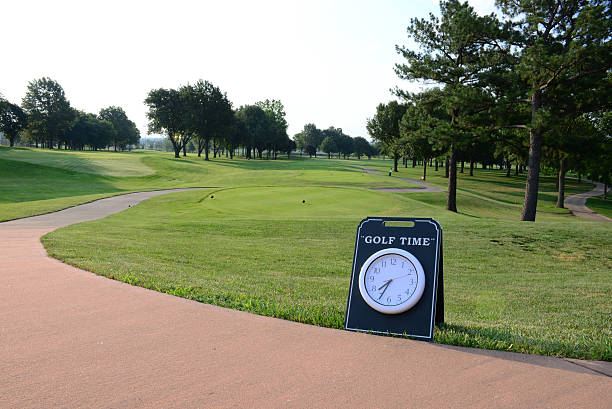
Quick answer: What time does golf start?
For most golfers in the U.S., golf starts at the scheduled tee time. A typical first tee time may fall between 6:30 and 9:00 a.m., although some courses start later.
Here is a simple guide:
| Type of golf | Common start time | What changes it |
|---|---|---|
| Public golf course | 6:30–9:00 a.m. | Sunrise, season, demand, and course policy |
| Private country club | 7:00–9:00 a.m. | Club rules and member bookings |
| Professional tournament | 7:00–10:00 a.m. for early groups | Field size, weather, TV coverage, and format |
| Shotgun event | Set event time, often morning | The organizer starts all groups together |
| Twilight golf | Late morning to afternoon | Course policy and available daylight |
| Junior or youth golf | Varies | Program schedule and age group |
These are common ranges, not fixed rules. The course or event organizer sets the real start time.
What “golf starts” can mean
The phrase what time does golf start has more than one meaning. Understanding the type of golf makes the answer much clearer.
Your personal round
Your round starts at your assigned tee time. Under the USGA Rules of Golf, players must start at the time set by the Committee. Arriving late can lead to a penalty or disqualification in competition.
For casual play, a course may let you start later if the tee sheet is open. Do not assume this. Call the pro shop if you expect to miss your time.
A golf course’s first tee time
A course may open before the first tee time. Staff may need time to prepare the course, open the clubhouse, check carts, and process reservations.
For example, a course might:
- Open the clubhouse at 6:00 a.m.
- Allow the first tee time at 6:30 a.m.
- Start at 7:00 a.m. during winter
- Delay play after frost, heavy rain, or a maintenance project
The listed course opening time is not always the same as the first playable tee time.
A professional tournament
A professional event usually has several tee times. The first group may start early in the morning, while later groups begin around midday.
The PGA TOUR and other professional tours publish daily pairings and tee times. These times can change because of weather, daylight, television plans, or delays from an earlier round.
Watching golf on television
Television coverage often begins after the first group has already started. A broadcast may begin at 1:00 p.m. even though the first tee time was 7:30 a.m.
Check both:
- The event’s official tee-time schedule
- The broadcast schedule from the network or streaming service

What determines the first tee time?
The first tee time depends mainly on daylight, course operations, and demand.
Sunrise and daylight
Most courses do not begin play in complete darkness. The first tee time is often set after there is enough light for players to see the ball and course hazards.
A course may start later in winter because sunrise comes later. In summer, it may open earlier because the days are longer.
Frost creates another delay. When grass is frozen, walking or driving over it can damage the turf. Many courses wait until the frost melts before allowing play.
Course maintenance
Maintenance work can affect when golfers start. A course may delay play while workers:
- Cut greens
- Mow fairways
- Change cup locations
- Repair irrigation
- Apply approved turf treatments
- Remove storm debris
Maintenance schedules vary by course and season. The pro shop can provide the most accurate answer.
Demand and reservations
Popular courses often fill their early tee times first. A busy Saturday may begin at 6:30 a.m., while a quiet weekday may not start until 8:00 a.m.
Some courses release tee times several days or weeks in advance. Others use a daily booking system. The time you see online reflects that course’s reservation policy, not a universal golf standard.
Weather
Rain, lightning, high winds, snow, and extreme heat may delay or stop play. Lightning is especially serious. Courses may suspend play when storms approach and resume only when conditions are safe.
Do not continue playing during a lightning warning. Follow the course’s instructions and move to a safe shelter or enclosed building.
Event format
A standard tee-time event sends groups off one after another, usually from the first tee. A shotgun start sends groups to different holes and starts them at the same time.
A shotgun event may begin at 8:00 a.m., noon, or another fixed time. The organizer should tell you when to check in and where to begin.

What time does a professional golf tournament start?
A professional golf tournament often starts between 7:00 and 10:00 a.m. local time, but there is no universal start time.
The first round may begin early so the full field can complete 18 holes. On later days, fewer players remain, so the event may use a narrower range of tee times.
Several factors affect professional tee times:
- Number of players in the field
- Number of available tees
- Length of daylight
- Weather forecasts
- Television coverage
- Previous-round delays
- Whether the tournament uses a cut
- Whether players go off both the first and 10th tees
In some events, players start from both the first and 10th tees. This is called a two-tee start. It helps the tournament move a large field through the course more efficiently.
The safest method is to check the tournament’s official website or tour app on the day you plan to watch. Search for “pairings and tee times,” not only “TV schedule.”
PGA TOUR start times
PGA TOUR events generally publish player pairings and tee times for each round. Times are listed in the tournament’s local time zone.
For example, a tournament in Arizona may list Mountain Time, while an event in Florida may list Eastern Time. Confirm the time zone before converting the start time to your location.
Major championships
The Masters, U.S. Open, PGA Championship, and Open Championship can use different schedules. Their first tee times may also change by round.
Major championships often have large crowds and strict entry rules. If you attend in person, allow extra time for parking, security, walking to the course, and finding a viewing area.

What time should you arrive for your tee time?
Arrive 20–30 minutes before your tee time for a normal round. Arrive earlier if you need to check in, rent equipment, buy food, warm up, or find the first tee.
Use this schedule as a guide:
| Situation | Suggested arrival |
|---|---|
| You know the course and have your own clubs | 15–20 minutes early |
| First visit to the course | 25–30 minutes early |
| Renting clubs or a cart | 30–45 minutes early |
| Tournament or organized event | 45–60 minutes early |
| Busy resort or unfamiliar property | 45 minutes or more early |
You do not need to arrive hours ahead for most casual rounds. However, arriving at the last minute can create problems. You may miss the starter’s instructions, delay your group, or discover that the first tee is far from the clubhouse.
Before leaving home, confirm:
- Tee time
- Course address
- Time zone, if booking online
- Dress rules
- Cart or walking policy
- Club rental reservation
- Weather and lightning policy
- Parking and check-in instructions

How long after the start does a round finish?
A typical 18-hole round takes about four hours, but actual time varies widely.
A round may take longer when:
- The course is crowded
- Groups search for lost balls
- Players walk instead of using carts
- The course has long distances between holes
- Weather causes delays
- Players stop for food
- The group has beginners or high handicaps
The USGA encourages players to maintain prompt pace under Rule 5.6. The rule does not set one universal time for every 18-hole round because course length, difficulty, and player behavior differ.
If your tee time is 8:00 a.m., a reasonable planning estimate is to finish between noon and 12:30 p.m. That is only an estimate. Avoid scheduling a flight, work meeting, or other fixed activity too close to the expected finish.

How to find the exact golf start time
The exact answer usually takes less than a minute to find.
For a local course
- Open the course’s official website or booking page.
- Select the date.
- Check the available tee times.
- Read any notes about frost, maintenance, or shotgun events.
- Call the pro shop if the information is unclear.
Do not rely only on a search engine listing. Course hours can change, and third-party booking sites may not show temporary delays.
For a professional event
- Visit the official tournament or tour website.
- Open the daily pairings or tee-time page.
- Confirm the round and date.
- Check the listed time zone.
- Look at the broadcast schedule separately.
The first tee time and television start time are often different.
For a school, charity, or corporate event
Ask the event organizer for:
- Check-in time
- Starting time
- Starting hole
- Cart assignment
- Format
- Lunch or awards schedule
- Weather delay policy
If the event uses a shotgun start, your group may not begin on the first hole.

Common mistakes when checking golf start times
The most common mistake is confusing the course opening time, first tee time, and broadcast time.
Other mistakes include:
- Reading the time in the wrong time zone
- Assuming every day of a tournament starts at the same time
- Missing a frost or weather delay
- Arriving at the clubhouse but not the first tee
- Assuming a tee time is a flexible reservation
- Forgetting that daylight saving time affects local clocks
- Relying on an old screenshot or social media post
- Ignoring a two-tee or shotgun-start format
When in doubt, use the official course or tournament source. A phone call to the pro shop is often faster than trying to interpret an outdated online listing.

Key takeaways
- Most U.S. golf courses start morning play between 6:30 and 9:00 a.m.
- Your golf round begins at your assigned tee time.
- Professional tournaments often begin between 7:00 and 10:00 a.m. local time, but schedules vary.
- Television coverage may begin hours after the first group tees off.
- Arrive 20–30 minutes early for a normal round.
- Check the official course or tournament schedule for the exact time.
- Weather, frost, maintenance, daylight, and event format can change the start.
FAQs about golf start times
What time does golf usually start on Saturday?
Saturday tee times often begin between 6:30 and 8:00 a.m. at busy U.S. courses. Weekend demand can fill early times quickly, so book ahead when possible.
Can you play golf before sunrise?
Most courses do not permit normal play before there is enough light to see the course clearly. A course may have its own policy, and artificial lighting is uncommon on standard golf courses.
What time does the Masters start?
The Masters does not use one permanent start time for every round. First-round, second-round, and weekend tee times can differ. Check the official Masters schedule for the current year and round.
Does golf start at the same time every day?
No. A course may change its first tee time by season, while a tournament may change times by round, field size, weather, and television coverage.
What happens if I miss my tee time?
Call the pro shop immediately. The course may move you to a later opening, but it may also charge a fee, shorten your round, or refuse play if the schedule is full. In formal competition, missing the starting time can result in a penalty under the Rules of Golf.
Is a golf tee time the same as the time to arrive?
No. A tee time is when your group should begin play. Plan to arrive early enough to check in, prepare your equipment, and reach the first tee without delaying other players.
Conclusion
Golf does not have one universal start time in the United States. A local round may begin shortly after sunrise, while a professional event may use early morning tee times and a separate afternoon broadcast.
For the most accurate answer, check the official course or tournament schedule, confirm the time zone, and arrive 20–30 minutes early. That simple habit gives you time to check in, prepare, and start your round without rushing.