Beginners should use game-improvement cavity-back irons with forgiving heads and higher lofts.
I’ve helped new golfers pick clubs for years and tested many beginner irons on the range and course. This guide explains what irons should beginners use, why those irons work, and how to choose the best set for your swing, budget, and goals. Read on for practical advice, real-world tips, and easy steps to pick irons that help you score and enjoy the game.

What irons should beginners use: How to decide
Start by asking what irons should beginners use based on forgiveness, distance, and feel. Beginners need clubs that reduce mistakes and build confidence. Look for irons labeled game-improvement or super game-improvement. These irons give more forgiveness on off-center hits and help you get the ball in the air easily.
Types of irons suited for beginners
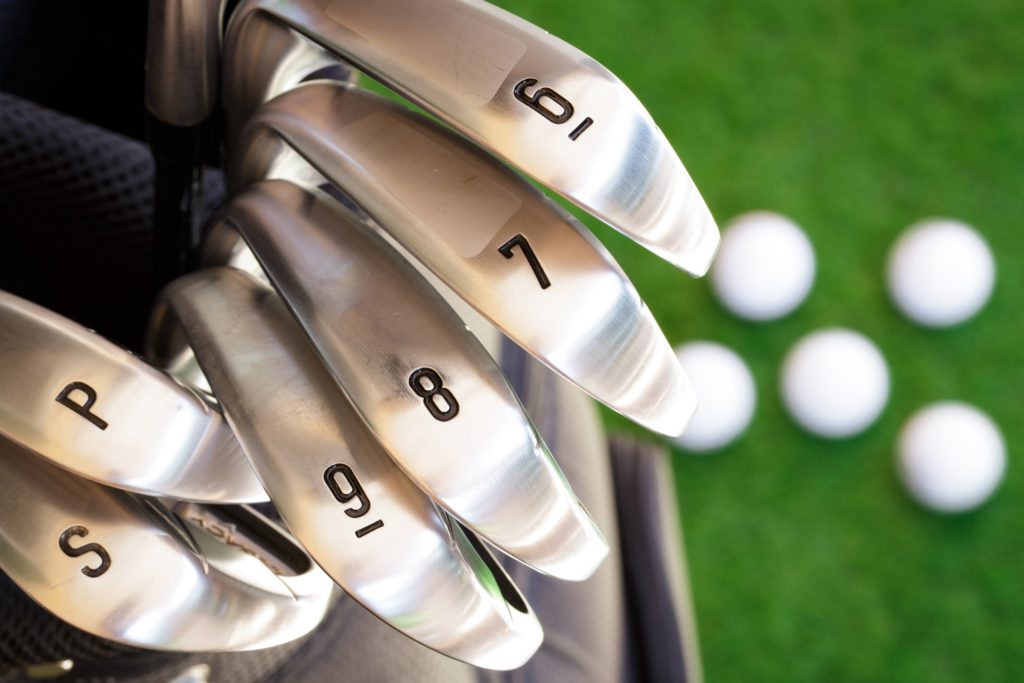
There are a few iron styles that fit most novices. Know the options so you can match a set to your needs.
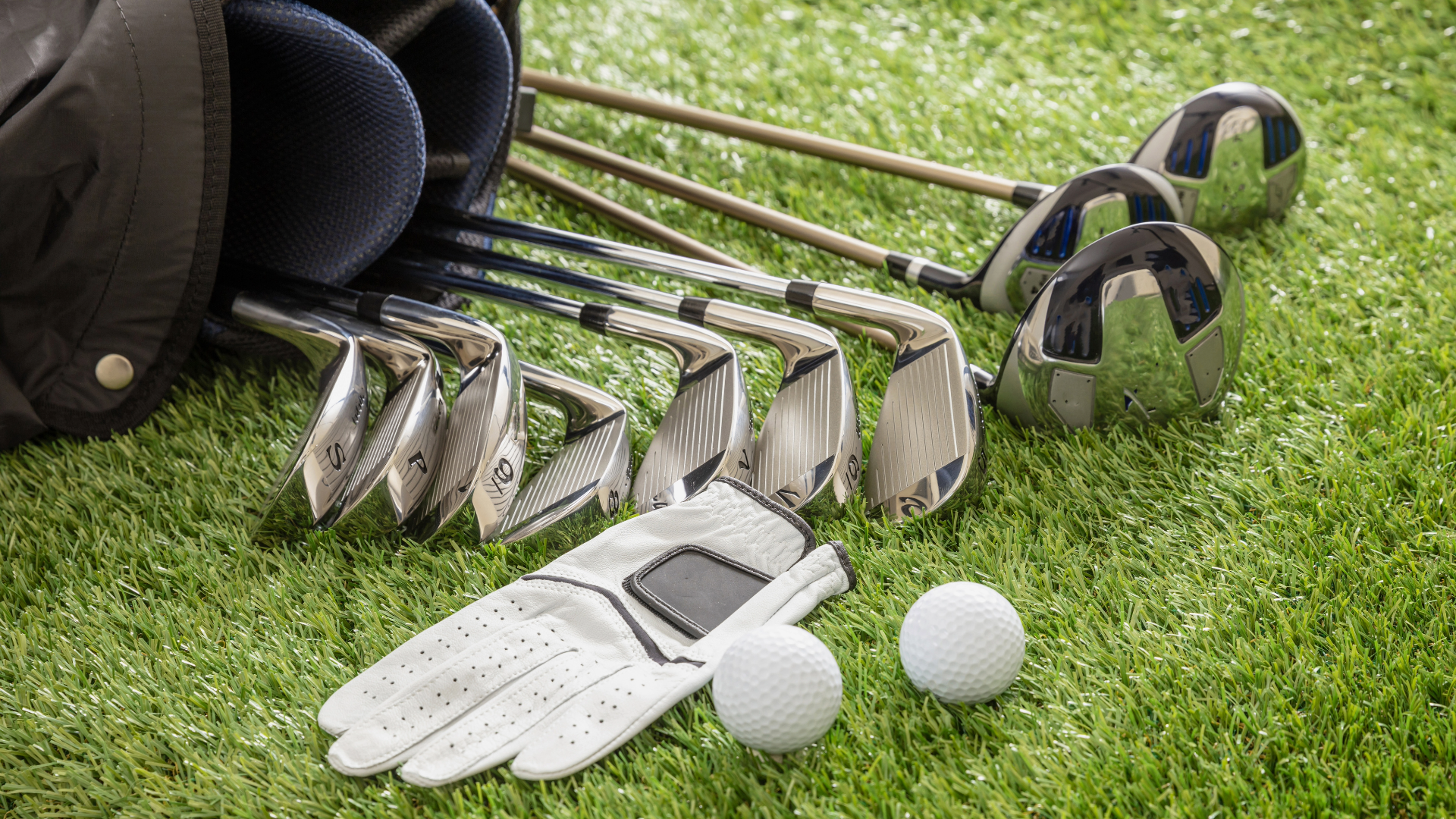
- Cavity-back game-improvement irons: These have larger sweet spots and more perimeter weight for forgiveness.
- Super game-improvement irons: These add wider soles and stronger lofts to boost distance and launch.
- Hybrid irons or utility irons: These can replace long irons and are easier to hit from rough or tight lies.
- Hollow-body or multi-material irons: These use technology to add distance while keeping feel.
When you wonder what irons should beginners use, start with game-improvement or hybrid irons. They simplify learning the full swing and lower scores faster.
Key features to look for when choosing irons
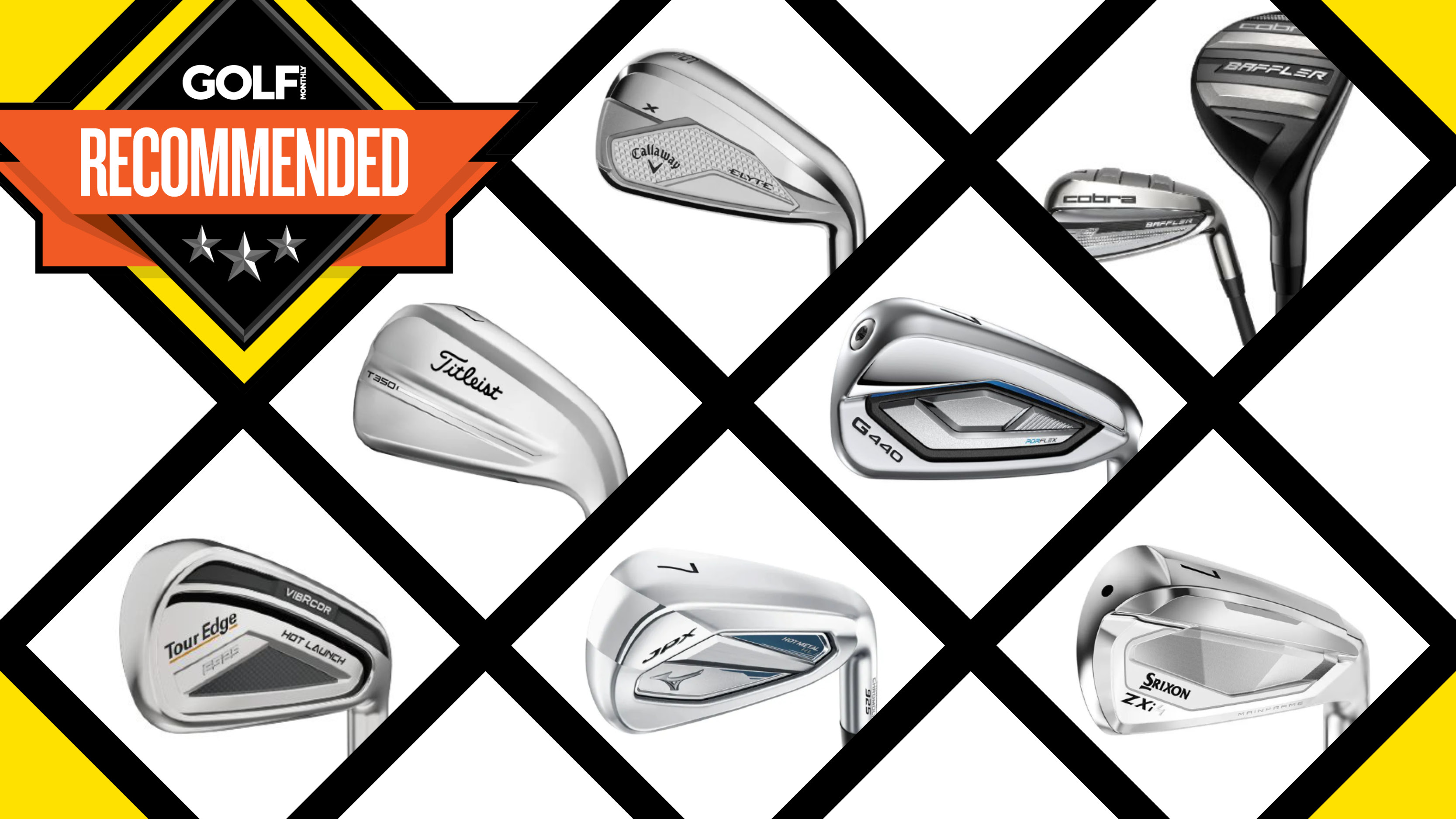
Pick irons that match your swing speed and learning goals. Focus on these features.
- Forgiveness: A larger head and perimeter weighting reduce the penalty for misses.
- Loft and distance: Stronger lofts give more distance but can hurt control. Higher lofts are easier for beginners.
- Shaft flex and material: Graphite is lighter and easier to swing; steel gives control and feedback.
- Club length and lie angle: Standard length is fine for most new players, but small adjustments help consistency.
- Set makeup: A set with hybrids or a 5-iron replacement helps long game play.
- Feel and sound: Try a few hits. Confidence grows when clubs feel right.
These parts answer what irons should beginners use by turning broad needs into clear choices. Pick the mix that supports your swing, not your ego.
Best irons for beginners by category (my picks and why)
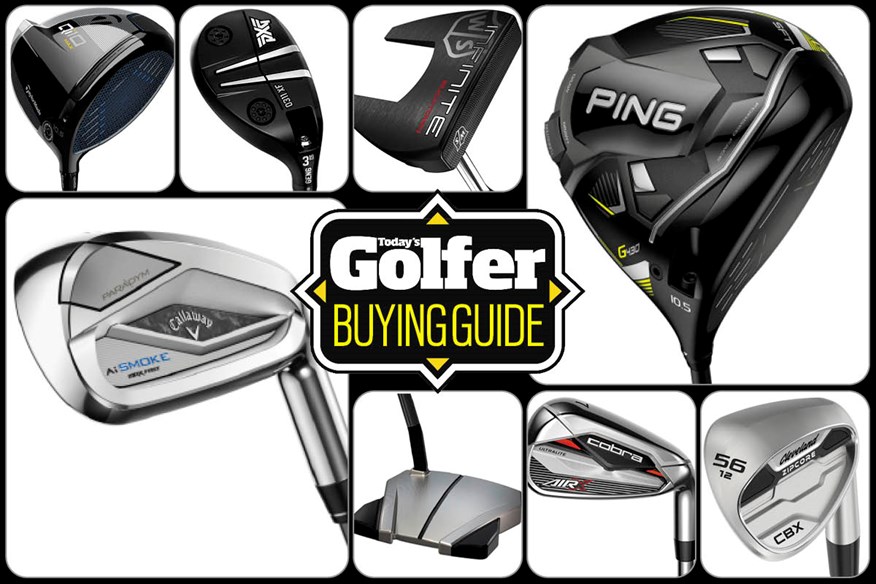
I test clubs at the range and on the course. Here are real picks that match the question what irons should beginners use.
- Game-improvement cavity-back set: Great for most beginners. They blend forgiveness and control. I used one similar for a year and cut strokes off my score.
- Super game-improvement set: Choose this if you need max forgiveness and higher launch. Loose contact still results in usable shots.
- Hybrid-long-iron combo: Replace your 4- and 5-iron with hybrids. They free you from weak long iron hits. I stopped chunking long irons after switching.
- Graphite-shaft beginner set: Pick graphite if your swing speed is slower or you prefer lighter clubs. You’ll feel less fatigue during practice.
- Used club sets from a trusted shop: A quality used set can give superb value. Check for wear, straight shafts, and grips.
When you weigh what irons should beginners use, consider both the head design and the shaft. I often advise new players to start simple and upgrade only when needed.

Fitting and shaft advice for beginners
A basic fitting goes a long way. Even small tweaks help more than buying a top-tier model.
- Swing speed test: This tells you the right shaft flex. Too stiff or too soft will cause misses.
- Shaft choice: Graphite for ease and comfort, steel for control once you gain speed.
- Lie angle check: A lie that’s too flat or too upright causes directional misses.
- Grip size: Comfort and control start with the right grip thickness.
A light, short fitting session answers what irons should beginners use for your body and swing. I recommend at least a basic fitting at a local shop before buying.
How to practice with beginner irons
Good practice equals faster improvement than expensive gear. Use irons the right way.
- Focus on contact: Aim to hit the center of the face consistently. Track progress by where the ball marks the face.
- Work on launch: Higher loft and correct shaft flex help you learn a natural launch angle.
- Gap check: Hit each club to measure distance. Record approximate carry and total yardage.
- Short game drills: Use your irons to improve approach shots and chipping. This translates to lower scores.
When you practice with intention, the question what irons should beginners use becomes less critical. Good reps with forgiving irons lead to real gains.

Budget and buying tips
You don’t need the newest set to get better. Spend smart and avoid common traps.
- New beginner sets: Good value and consistent specs for learning.
- Used clubs: Save money but inspect for damage and shaft bend.
- Buy fewer high-quality clubs: A set that covers 5 through pitching wedge with a couple of hybrids is fine.
- Trade-in and resale: Keep receipts and keep clubs in good shape if you plan to sell later.
Think about what irons should beginners use in terms of long-term play. A modest investment in forgiving clubs and a basic fitting pays off fast.

Frequently Asked Questions of what irons should beginners use
What irons should beginners use to get more forgiveness?
Beginners should use game-improvement or super game-improvement cavity-back irons. These irons have large sweet spots and perimeter weighting to reduce the penalty for off-center hits.
Should beginners pick graphite or steel shafts?
Choose graphite if you want a lighter feel and easier swing. Choose steel if you have higher swing speed and want more control and feedback.
Can hybrids replace long irons for beginners?
Yes, hybrids are easier to hit from many lies and give more consistent distance. They are a common swap for 3, 4, or 5 irons.
How many irons should a beginner buy in a set?
A basic set often covers 5 iron through pitching wedge plus one or two hybrids. This keeps gaps small and simplifies the bag.
Is a fitting necessary before buying beginner irons?
A basic fitting is highly recommended but not always required. Even a simple shaft flex check and lie adjustment can greatly improve consistency.
Are stronger lofts good for beginners?
Stronger lofts add distance but may reduce control. Many beginners benefit from slightly higher lofts that help launch and stop the ball on greens.
Conclusion
Choosing what irons should beginners use comes down to forgiveness, correct shaft choice, and a simple fitting. Start with game-improvement or hybrid-combo sets, practice contact and gaps, and choose clubs that build confidence. Try before you buy, keep practice focused, and upgrade only when your swing needs change. Share your questions or experiences below, and consider booking a fitting or trying a demo set to find the irons that fit you best.