Most golfers should use a driver loft between 9° and 12°, adjusted for swing speed and launch.
I’ve fitted hundreds of golfers and tested drivers across many courses and conditions, so I know how confusing loft choices can be. This guide breaks down what driver loft should i use with clear rules, simple tests, and real-world tips you can try on the range today. Read on to pick the loft that helps you hit the ball longer, straighter, and with more confidence.
Understanding driver loft basics
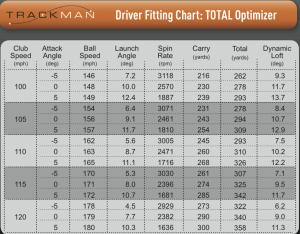
Driver loft is the angle on the clubface that helps launch the ball. Higher loft raises launch and often adds backspin. Lower loft lowers launch and can reduce spin when you have high swing speed.
Knowing what driver loft should i use starts with the basics. If you under-launch or over-spin the ball, changing loft is often the fastest fix. Keep notes on ball flight so you can match loft to performance.

How driver loft affects ball flight and spin
Loft controls launch angle and initial spin rate. More loft usually creates higher launch and more spin. Less loft usually lowers spin and flight, which can lengthen roll for fast swings.
When asking what driver loft should i use, think about what you need: more carry, more roll, or lower spin. Small tweaks of 1° to 2° can change distance and dispersion noticeably. Track how each change affects carry and side spin.
Choose loft by swing speed and launch
Match loft to swing speed and desired launch. These are simple starting points you can test.
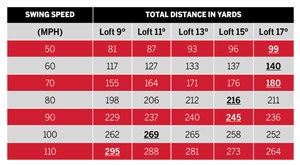
- Swing speed under 85 mph: try 12° to 14° loft.
- Swing speed 85–95 mph: try 10.5° to 12° loft.
- Swing speed 95–105 mph: try 9° to 10.5° loft.
- Swing speed over 105 mph: try 8° to 9.5° loft.
If you still wonder what driver loft should i use, start with these ranges and tweak by observing carry and roll. Use launch monitors when possible to fine-tune spin and launch.

Adjustable drivers and how to use them
Many modern drivers let you change loft by plus or minus 1.5° to 2°. That makes testing quick and avoids buying multiple heads. Set the adjustable sleeve to raise loft if the ball is low or if you need more carry. Lower loft if you launch high with too much backspin.
When experimenting with adjustable heads, change only one variable at a time. Keep track: loft, shaft flex, and ball type all interact. This method answers what driver loft should i use by giving direct feedback from the ball flight.

Testing and fitting: how to find your number
A fitting session is the fastest way to know what driver loft should i use. You can test at home too with simple steps.
- Warm up with your normal ball and swing.
- Hit 10 shots at each loft setting you want to test.
- Record average carry, total distance, and dispersion.
- Note launch angle and spin if you have a launch monitor.
- Choose the loft that gives the best mix of carry, accuracy, and forgiveness.
If you don’t have a launch monitor, use on-course testing and focus on carry and side miss. A certified fitter helps translate data into the right loft and shaft combo.
Common loft recommendations by golfer type
Different players have different needs. Here are practical starting points.
- Beginner or high handicap: 12° to 14° for easier launch and more carry.
- Mid handicap: 10.5° to 12° to balance carry and control.
- Low handicap or single-digit: 8° to 10.5° tuned for lower spin and more roll.
- Senior players or slow swing speeds: 13° to 15° to help get the ball airborne.
Ask yourself what driver loft should i use based on how high you want the ball to fly and how much roll you want after landing. Adjust based on how consistent your strike is.

Personal experience: lessons from fittings and the range
I once worked with a club champion who used a 9° driver and lost distance. A quick fitting showed his launch was too low and spin too high. We moved to 10.5° and he gained 12 yards of carry and tighter dispersion. That taught me to trust data over brand claims.
Another time I used a higher loft when wind was against me and hit more fairways. Small changes helped my score more than a new swing thought. If you ask what driver loft should i use, consider course conditions as well as swing traits.

Buying and upgrading: practical tips
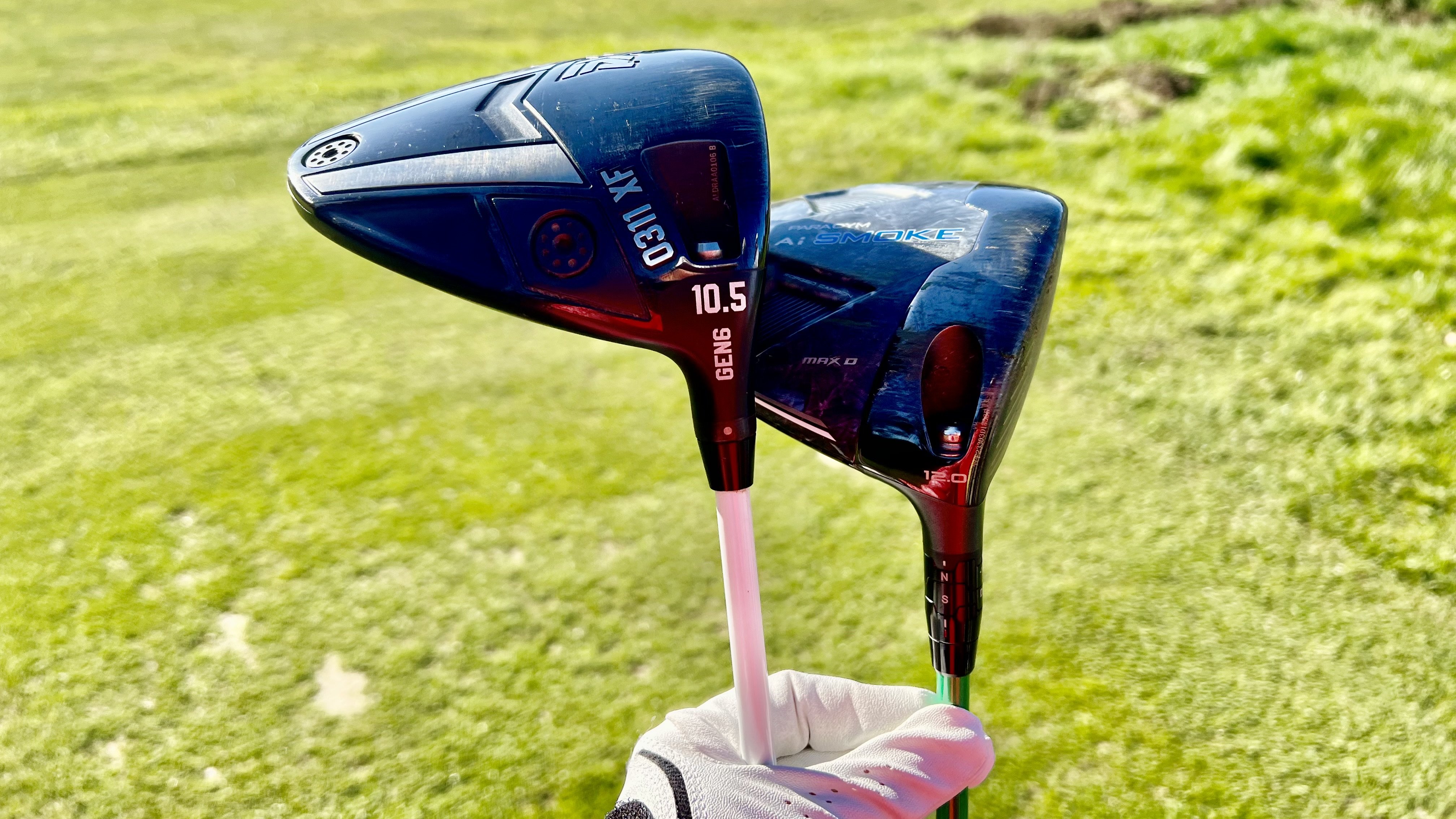
When shopping, test heads and shafts together. A strong loft on a head with the wrong shaft can wreck ball flight. If you buy used, note the factory loft and any aftermarket changes.
- Try demos before buying to find real-world performance.
- Consider a slightly higher loft if your strike is often low on the face.
- If you see excessive sidespin, raising loft may help reduce that spin.
- Upgrade when data shows consistent gains from a different loft or head.
These steps make it easier to answer what driver loft should i use without overspending.

Frequently Asked Questions of what driver loft should i use
What if I swing very slowly—what driver loft should i use?
If you swing slowly, choose higher loft like 12° to 15°. More loft helps you get more carry and better launch with slower clubhead speed.
Can changing loft fix my slice?
Raising loft can sometimes reduce a slice by increasing launch and reducing spin, but it is not a cure-all. Combine loft changes with face angle and swing path work for best results.
Should pros use the same loft as beginners?
Pros and beginners usually need different lofts because pros swing faster and control spin better. Beginners often do better with higher loft for easier launch and forgiveness.
How much does 1° of loft change distance?
One degree can change carry by a few yards depending on swing speed and spin. The effect is small but meaningful when you stack adjustments like shaft and ball changes.
Is adjustable loft better than fixed loft?
Adjustable loft is helpful because it lets you test settings quickly and tailor the driver to conditions. It does not replace a proper fit, but it speeds up dialing in what driver loft should i use.
Conclusion
Choosing the right loft comes down to swing speed, launch, spin, and your goals on the course. Start with the recommended ranges, test changes methodically, and use a fitter or launch monitor when possible. Make one small change at a time, track results, and prioritize consistency over chasing peak numbers. Try different lofts on the range this week and note carry, dispersion, and how the ball feels; then decide which loft helps you score better. If this helped, leave a comment with your swing speed or book a fitting to find your ideal loft.