What Does Boa Mean In Golf Shoes: Easy Guide
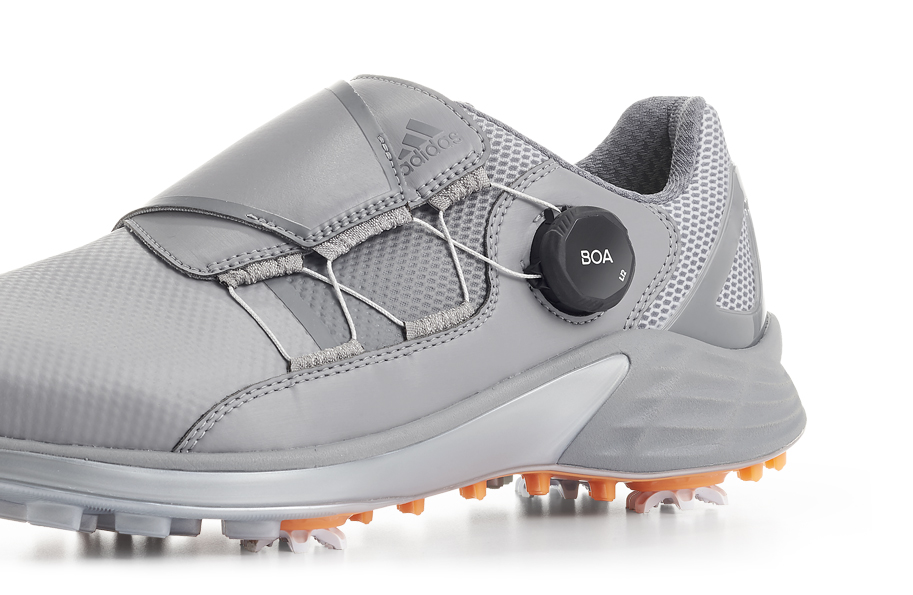
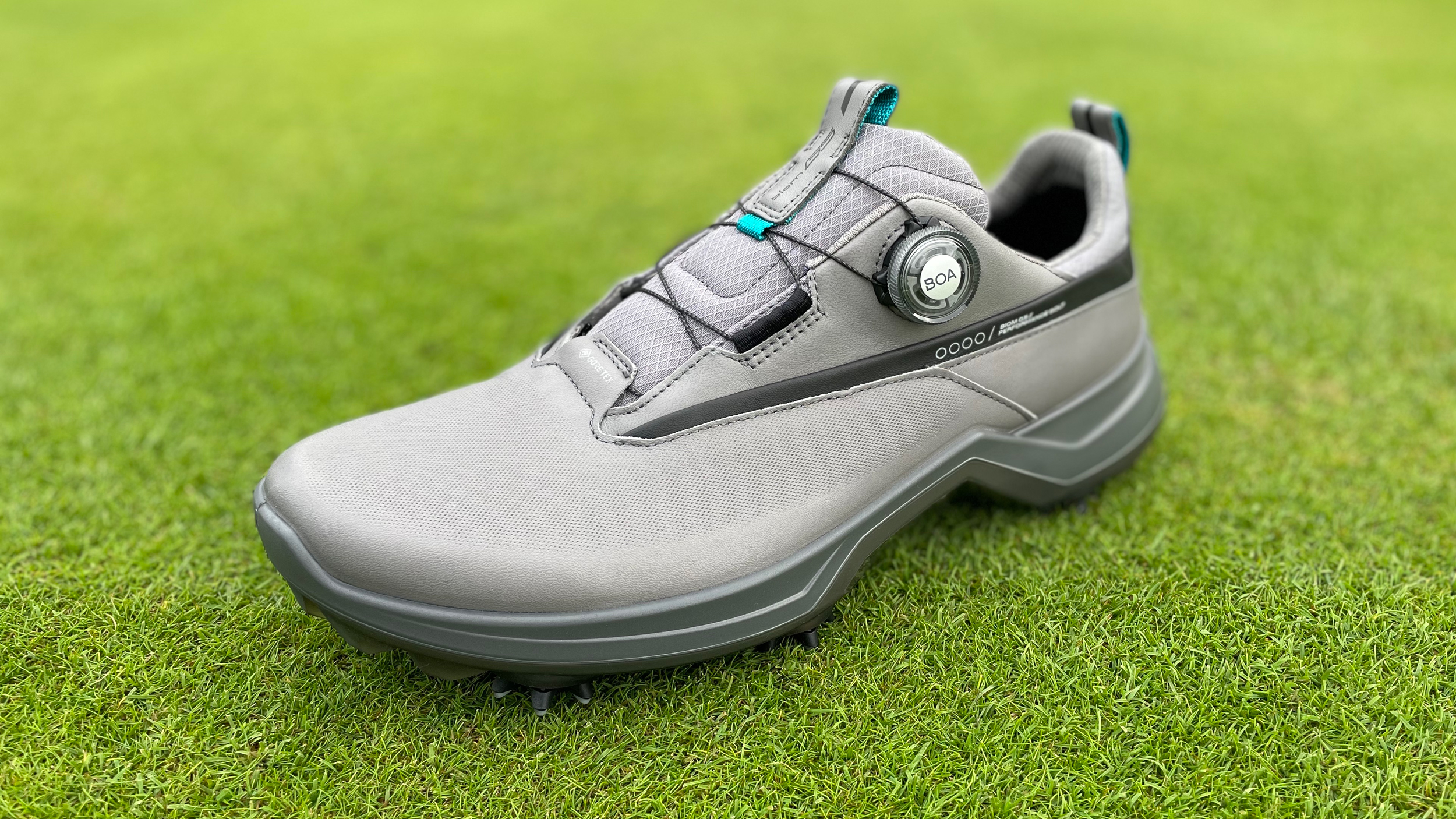
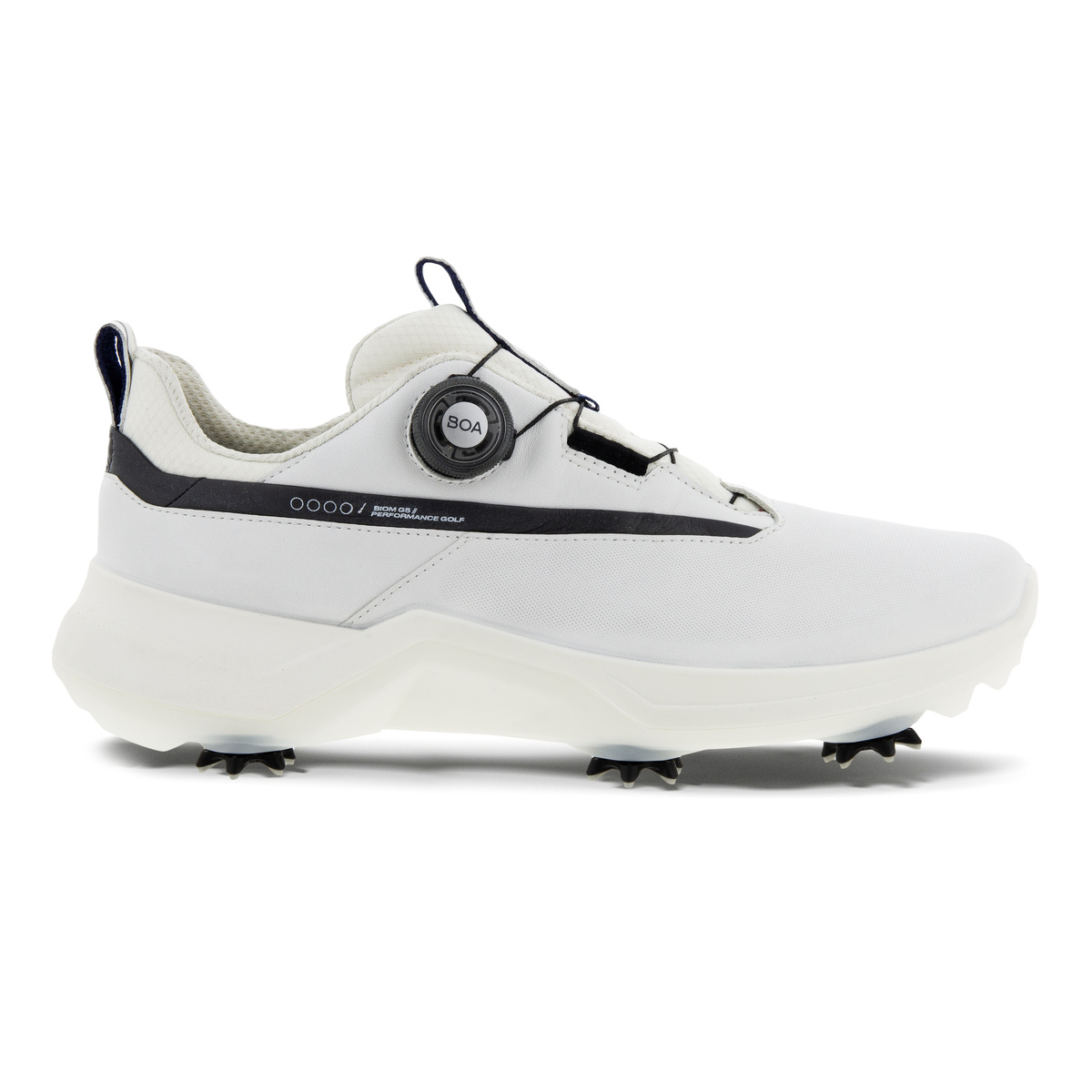
Golf shoes can look simple, but small design details can change how they feel during a swing. One term that often causes confusion is BOA. You may see it on golf shoes, with a small dial near the tongue or side of the shoe and thin cables that replace normal laces.
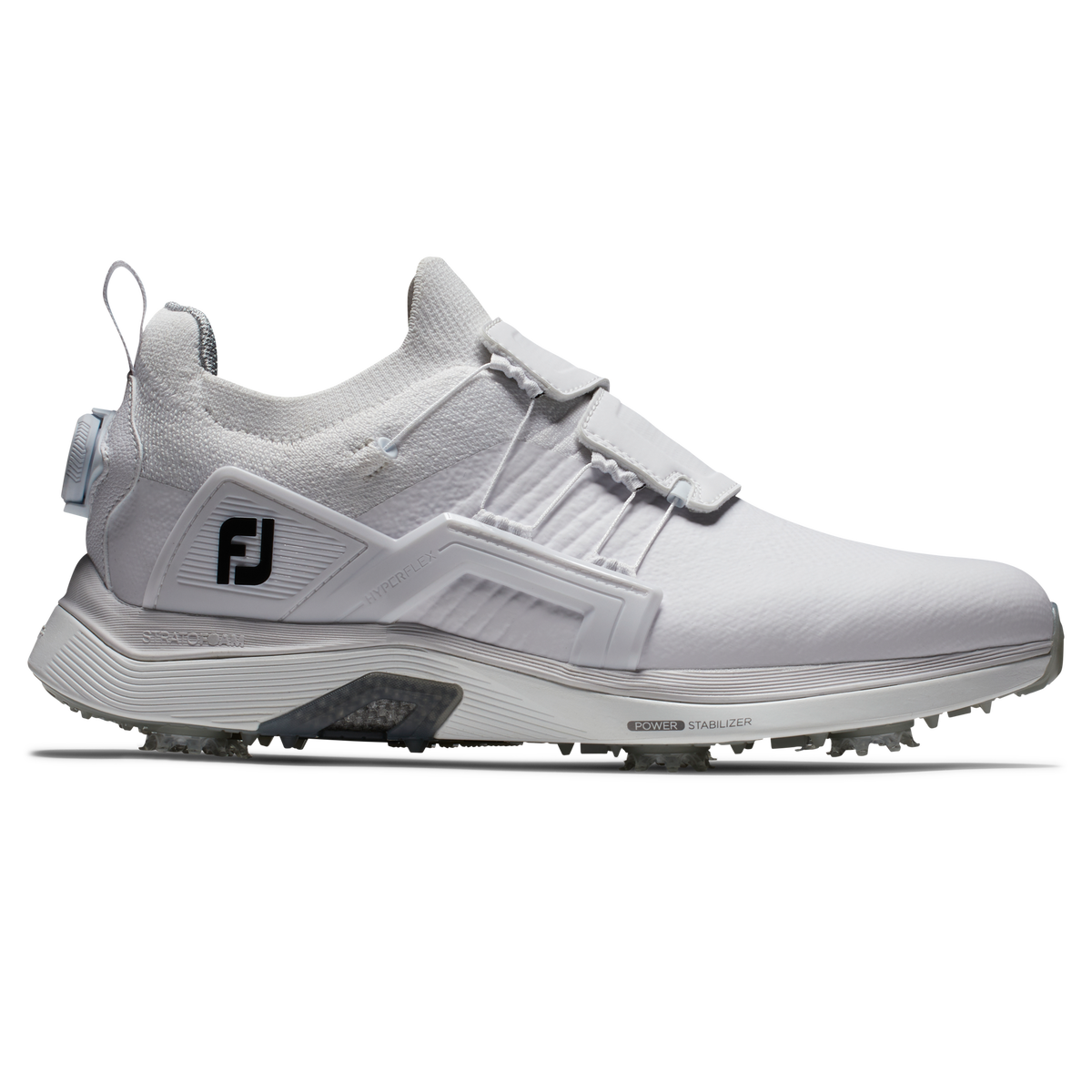
In golf, BOA usually refers to the BOA Fit System. It is a closure system that uses a dial, lace-like cable, and guides to adjust the fit. It is not a type of golf spike, a shoe width, or a special golf rule. It is a way to secure the shoe to your foot.
Quick answer: What does BOA mean in golf shoes?
BOA in golf shoes means the shoe uses the BOA Fit System, a dial-based closure system that tightens or loosens a cable around the foot. The dial replaces traditional laces. Golfers turn the dial to create a close fit and pull or release it to adjust the shoe.
The system is designed to make fitting fast and even. It does not improve swing technique by itself, and it does not suit every foot shape. Comfort, stability, walking needs, weather, and personal preference still matter.
Is BOA an acronym?
BOA is best understood as a brand and system name, not as a standard golf acronym. Some golfers think it means “best overall adjustment” or another phrase, but that is not the normal meaning in golf footwear.
The key term is BOA Fit System. The system can appear in golf shoes, running shoes, work shoes, cycling shoes, and other footwear.
What parts make up the system?
A BOA closure normally has three main parts:
- Dial: You turn it to change tension.
- Cable: A thin lace-like cord passes across the shoe.
- Guides: Small loops or channels direct the cable around the foot.
The exact layout differs by shoe design. Some systems tighten the whole shoe at once. Others use separate zones for the forefoot and heel.
How the BOA Fit System works
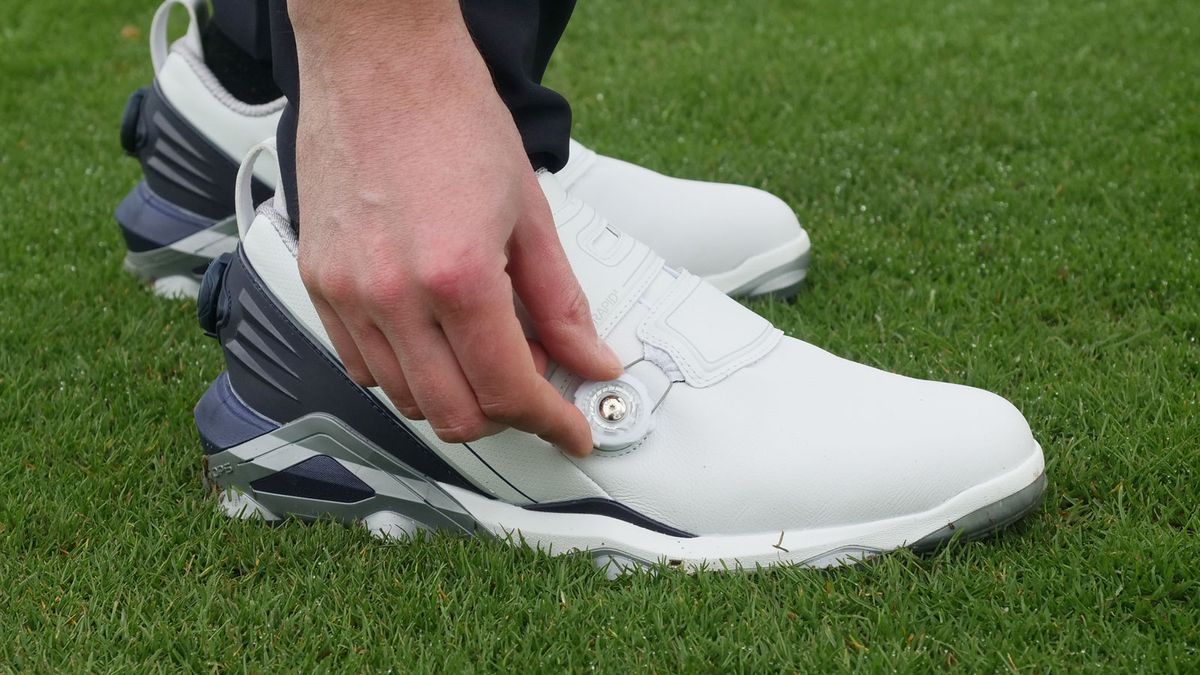
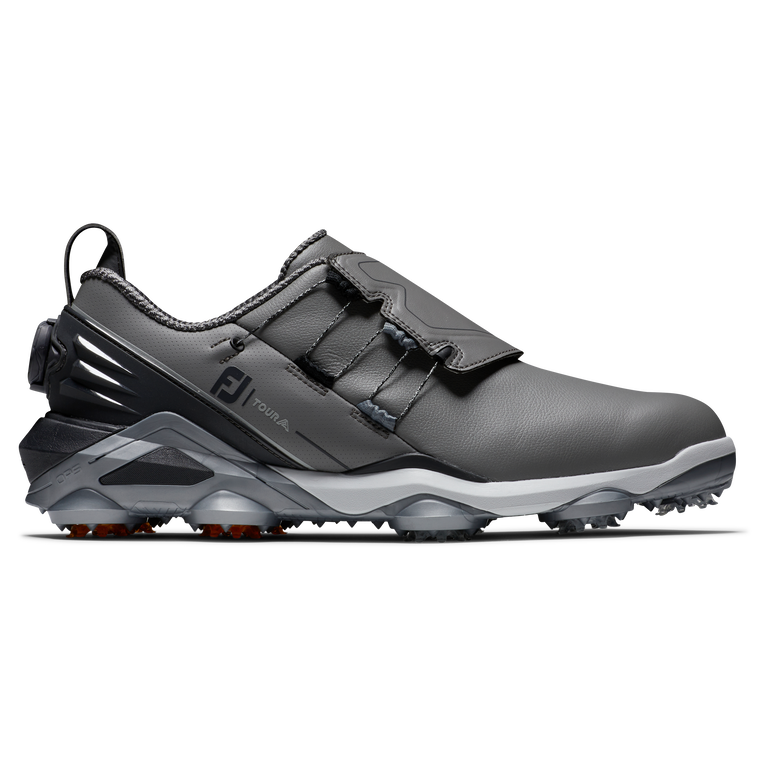
The BOA Fit System changes shoe tension through a small dial instead of a tied knot. Turning the dial usually tightens the cable in small steps. Pulling the dial outward often releases the tension, although the release method can vary by model.
Tightening the shoe
Place your foot in the shoe with your heel seated. Turn the dial until the shoe feels secure but not tight. The cable should hold the foot in place without pressing hard on the top of the foot.
A good golf shoe fit keeps your heel from lifting during the backswing and downswing. It also lets your toes spread and your forefoot move in a natural way.
Loosening the shoe
Most BOA systems allow you to pull the dial outward to release the cable. Some designs also let you turn the dial in the opposite direction to reduce tension.
Always check the instructions for the shoe. Do not force a dial, cable, or guide if it feels stuck. A damaged closure may need service or replacement.
Does BOA tighten the whole shoe evenly?
Not always. The answer depends on the closure layout. A single-zone system may spread tension across most of the upper. A dual-zone system may let you adjust the forefoot and heel in separate areas.
Even tension sounds simple, but the result depends on foot shape. A golfer with a high instep, wide forefoot, narrow heel, or bunion may still need a different shoe shape.
Why golfers use BOA golf shoes
The main appeal of BOA golf shoes is quick and repeatable adjustment. A golfer can change tension without tying a knot or stopping to manage loose laces. That can be useful during a long round, especially when feet swell or socks change the fit.

Fit and stability during the swing
A golf swing moves the feet in several directions. The trail foot may roll and push during the backswing. The lead foot must help the golfer brace, rotate, and transfer pressure during the downswing and follow-through.
A secure shoe can help reduce unwanted foot movement. This does not mean the shoe creates a better swing. Grip, stance, posture, tempo, balance, and impact remain the main factors in swing performance.
Fast adjustment on the course
A BOA dial can be adjusted while standing or sitting. This may help a golfer who finds traditional laces hard to tie. It can also help during a round when the shoe feels different after several holes.
Walking golfers may notice this most. Feet can expand slightly in warm conditions or after many miles. A small fit change can improve comfort, but tightening too much can create pressure and numbness.
No loose lace ends
Traditional laces can loosen, drag through wet grass, or catch on brush. BOA cables do not hang down like normal lace ends.
This does not make the shoe immune to damage. The cable and guides can still wear, cut, or fail. Check them before a round if the shoe has seen heavy use.
| BOA feature | What it does | What it does not do |
|---|---|---|
| Dial | Adjusts cable tension | Does not correct poor foot shape |
| Cable | Holds the shoe around the foot | Does not replace proper shoe support |
| Guides | Direct the cable through the upper | Do not guarantee even pressure |
| Release function | Loosens the shoe quickly | Does not repair a broken closure |
The main takeaway is simple: BOA controls fit. It does not determine the shoe’s grip, cushioning, waterproofing, or comfort by itself.
Who may find BOA helpful?
BOA may suit golfers who want fast adjustments, have trouble tying laces, or walk often. It may also help juniors, older golfers, or players with limited hand movement.
It may not suit a golfer who dislikes dial systems, needs very fine lace-by-lace control, or has a foot shape that does not match the shoe last. A last is the mold that gives a shoe its basic shape.
BOA versus traditional laces
The main difference between BOA and traditional laces is the method of adjustment. BOA uses a dial and cable. Traditional laces use separate lace sections and a knot.
Neither system is automatically better for every golfer. The better choice depends on fit, hand function, walking habits, foot shape, weather, and how the shoe feels during the golf swing.

Control and pressure
Traditional laces let you change tension at several points. You can leave the toe area loose and secure the midfoot. You can also loosen one section if it presses on a high instep.
BOA systems may offer broad or zoned adjustment. A dual-zone design can provide useful control, but it still may not match the detailed control of separate lace sections.
Speed and ease
BOA is usually quick to operate. The golfer turns one dial instead of forming a knot. This can help a player who struggles with fine motor tasks or who wants a fast change between the driving range and the course.
Traditional laces are familiar and easy to replace. A broken lace is often simple to understand and fix. A damaged dial or cable may require a more specific repair.
Security and release
A tied lace can loosen if it is not secured well. A BOA system can keep a steady level of cable tension. Yet the shoe still needs to fit correctly before the closure can work well.
| Fit factor | BOA closure | Traditional laces |
|---|---|---|
| Adjustment speed | Usually fast | Usually slower |
| Fine tension zones | Depends on the design | Often highly adjustable |
| Loose ends | None in the usual design | Present |
| Field repair | Can be specialized | Often simple |
| Hand dexterity | May be easier for some golfers | Requires tying and knot control |
| Fit consistency | Easy to repeat | Depends on how each time is tied |
For beginners, the most useful test is not the closure name. Walk, stand in golf posture, and make slow practice swings. Check whether the heel stays down and the foot feels relaxed.
BOA golf shoes and swing stability
A golf shoe must do more than feel snug. It must support movement from the setup through impact and the follow-through. The closure can influence how well the shoe stays connected to the foot, but it is only one part of the full design.
At address
At address, your feet should feel balanced. Your weight should be shared in a way that matches the club and shot. A shoe that is too loose can let the foot slide inside the upper. A shoe that is too tight can distract you before the club moves.
For a beginner, stand in your normal golf stance and bend from the hips. If the shoe creates pressure at the toes or top of the foot, adjust it before hitting balls.
During the backswing
The trail foot often accepts more pressure during the backswing. The golfer may feel pressure move toward the inside of the trail foot, depending on the swing pattern.
A stable shoe can help the foot stay in contact with the ground. It cannot stop a sway caused by poor balance or an overly long backswing. Those issues need swing practice and, when persistent, guidance from a PGA professional.
Through impact
The downswing creates fast pressure changes. The lead foot helps the golfer brace and rotate. The shoe should hold the foot without causing the golfer to grip the ground with the toes.
Toe gripping often signals tension or poor comfort. It can affect balance and make the golfer feel stiff. Loosen the closure slightly and reassess the fit.
During the follow-through
The follow-through includes rotation toward the target. A shoe should allow the foot to move naturally rather than locking the foot in an awkward position.
Spiked and spikeless outsoles behave differently. Spikes can offer strong traction in soft ground. Spikeless designs may feel more natural on firm surfaces and around the clubhouse. The BOA closure is separate from that outsole choice.
How to fit BOA golf shoes correctly
The best way to use BOA is to set the heel, check the toe room, and adjust pressure in small steps. Do not start by turning the dial as tight as possible. A golf shoe should feel secure, not compressed.

A simple fitting process
- Wear golf socks. Thick or thin socks can change the fit.
- Place the heel fully back. Tap the heel on the floor if needed.
- Check toe room. Your toes should not touch the front when standing.
- Center the tongue. Make sure it is not folded or shifted.
- Tighten in small steps. Stop when the foot feels held.
- Walk and make practice swings. Check for sliding or pressure.
- Recheck after several minutes. Feet can settle inside the shoe.
The fit should feel similar on both feet, but feet are often not identical. One foot may need less tension. Do not force both shoes to feel exactly the same.
How tight should a BOA golf shoe be?
The shoe should be tight enough to stop unwanted movement but loose enough to allow normal circulation. You should not feel sharp pressure, tingling, numbness, or throbbing.
A useful test is to stand in golf posture and rotate slowly. If the heel lifts a lot, the shoe may be too loose, the heel shape may not match your foot, or the size may be wrong. If the top of the foot aches, reduce tension and check the tongue.
Should you adjust BOA during a round?
You can adjust it during a round if the fit changes. Walking, heat, cold, rain, and sock moisture can all affect comfort. Make small changes before pain develops.
Do not wait until you have a blister. Stop in a safe place, away from the swing area, and check the shoe. Cart users should stop the cart fully before making adjustments.
⚠️ Safety Warning: Foot numbness, sharp pain, or persistent rubbing is not a normal sign of a good fit. Stop and address the cause. See a medical professional for ongoing foot pain, swelling, or skin damage.
BOA golf shoes for different golfers
BOA can suit many golfers, but the right use depends on age, mobility, foot shape, playing level, and course habits. A beginner may value simplicity. An advanced player may care more about pressure control during a full swing.

Beginners and high-handicap golfers
Beginners often have enough to think about already. Grip, stance, posture, clubface control, tempo, and contact can all feel new. A simple shoe closure may reduce one small task.
Still, a BOA dial cannot fix poor balance or a weak stance. Beginners should first look for a comfortable fit and secure footing. A stable base can support practice, but swing skill comes from focused repetition and good feedback.
Improving amateurs
Players working to lower a handicap index may notice foot movement during chipping, pitching, bunker shots, or the full swing. A consistent shoe fit can make practice feel more repeatable.
A handicap index estimates playing ability under a defined system. It does not measure shoe quality. A golfer with a handicap of 5 and a golfer with a handicap of 25 can both use BOA if the fit suits them.
Seniors
Seniors may value the easy dial action if bending, tying, or finger movement is difficult. A wide, stable stance and a comfortable fit can also help during a long walking round.
A senior golfer with arthritis, circulation problems, or foot pain should not assume a dial solves the issue. A health professional or qualified shoe-fitting specialist can help identify safe options.
Women golfers
Women’s feet often have different average width and heel proportions than men’s feet, but individuals vary greatly. A women’s golf shoe with BOA may have a shape designed for women, yet the closure alone does not make the fit correct.
The best test is personal comfort. Check heel hold, toe space, arch comfort, and pressure across the instep. The same advice applies to left- and right-handed golfers because hand preference does not determine foot shape.
Juniors and families
BOA can be useful for juniors who have not mastered laces. It may also save time during a school match or junior clinic.
Parents should check the fit often. Children’s feet grow, and a shoe that fit in spring may feel tight later. Junior-sized equipment should match the child’s size and strength. A loose shoe can affect balance, while an overly tight shoe can create pain.
👪 Parent or Beginner Note: Ask a junior to explain how the shoe feels after walking and after practice swings. Children may keep playing even when a shoe rubs or causes pressure.
Golfers with different swing speeds
Swing speed does not decide whether BOA is suitable. A slow-swing beginner and a high-speed player both need a secure, comfortable base.
Higher-speed players may create more force during the downswing and follow-through. They should pay close attention to heel lift, forefoot movement, and pressure at the lead foot. The closure helps only if the shoe’s overall structure and outsole also match the course.
| Golfer type | What to check first | Tip that may suit |
|---|---|---|
| New golfer | Comfort and basic stability | Practice stance and slow swings |
| Walking golfer | Pressure and swelling over time | Recheck fit after several holes |
| Senior golfer | Hand use and foot comfort | Use small dial changes |
| Junior golfer | Growth and heel movement | Check fit before each season |
| High-speed player | Lead-foot stability | Test during full-speed practice |
| Golf-cart user | Easy adjustment and comfort | Avoid over-tightening while seated |
The takeaway is that skill level changes what you notice, but it does not change the basic fitting rules. A secure foot and relaxed movement matter to every golfer.
Course and weather effects
Course conditions can change how a golf shoe feels and performs. The BOA closure controls fit, while the outsole controls traction. These parts work together, but they are not the same thing.

Wet grass and soft ground
Wet grass can reduce traction and increase the need for stable footing. A golfer may press harder into the ground, especially during a full swing. Make sure the shoe holds the foot without squeezing it.
Wet cables and uppers should be dried according to the shoe maker’s care instructions. Do not use high heat near the dial or cable unless the instructions allow it.
Dry, firm ground
Firm ground can make the shoe feel less forgiving. On a hard fairway, a tight shoe may transmit more pressure into the feet. Use a normal stance and avoid tightening the dial to compensate for poor traction.
A links course may have firm turf, wind, slopes, and tight lies. An inland parkland course may have softer fairways and deeper rough. Course management matters in both settings.
Heat and humidity
Heat can increase foot swelling and moisture. A fit that felt fine on the first tee may feel tight on the back nine. Adjust in small steps, and keep socks dry when possible.
Drink water during hot rounds. Use sun protection and seek shade during breaks. Heat can affect judgment, balance, and pace of play.
Cold weather
Cold can reduce hand comfort. Some golfers may find a dial easier than tying laces with cold fingers. Thick socks can also change the fit, so test the full setup before the round.
Do not make a shoe so tight that your feet lose normal comfort or warmth. Cold-weather golf calls for layers, warm-up movements, and sensible breaks.
Walking versus riding
Walking creates more repeated foot movement. A walking golfer should pay attention to hot spots, heel lift, and pressure after several miles. Good golf fitness, calf strength, and gradual conditioning can help the body handle the round.
Riding reduces walking distance but does not remove the need for safe footing. Keep both feet inside the cart, slow down on turns, and never adjust shoes while the cart moves.
| Course situation | Possible shoe concern | Helpful response |
|---|---|---|
| Wet fairway | Less traction | Use controlled foot pressure |
| Firm links turf | More impact underfoot | Check comfort and balance |
| Hot walking round | Swelling and moisture | Recheck tension and hydrate |
| Cold morning | Stiff hands and thick socks | Test fit before the first tee |
| Hilly course | More heel and forefoot load | Walk gradually and monitor hot spots |
| Cart round | Foot movement during turns | Ride slowly and keep feet secure |
No closure system can replace sound footing. If lightning is present, leave the course at the first warning and follow the facility’s emergency plan.
BOA and the Rules of Golf
BOA golf shoes are generally treated like other golf shoes under the Rules of Golf. The rules focus on equipment that may affect play, local rules, and competition conditions. The closure method itself is not normally a problem.
Are BOA golf shoes legal?
In normal play, golf shoes with a BOA closure are allowed. The shoe must still meet any event or facility requirements. The Rules of Golf do not generally require traditional laces.
A committee may set local conditions for competitions. Players should check the latest Rules of Golf, competition terms, and local rules before an event.
Do spikes matter more than BOA?
Spikes, spikeless traction, and outsole design may matter more for ground interaction than the closure. Some clubs or courses may have policies about certain sole types, though many facilities allow modern golf footwear.
This is a course policy question, not a BOA question. Ask the golf facility or tournament committee if you are unsure.
Can you adjust the dial during a round?
Adjusting your shoe fit is normally an ordinary equipment adjustment. It should not delay play or distract another golfer. Step away from the tee box, fairway landing area, or putting line when needed.
Golf etiquette still applies. Keep pace of play, stay aware of nearby groups, and do not stand in another player’s swing area.
📜 Check the Rules: Rules, equipment policies, and local conditions can change. Check the latest Rules of Golf and your local committee for updates before a tournament.
Common BOA golf shoe problems
Most BOA-related problems come from poor fit, uneven tension, damage, or using the system to solve the wrong problem. A dial cannot correct a shoe that is too short, too narrow, or poorly shaped for your foot.

Over-tightening the dial
Over-tightening is the most common mistake. Some golfers want a very firm feeling and keep turning the dial. This can cause pressure across the instep, numb toes, and restricted circulation.
Start looser than you think. Tighten until the foot stays secure, then stop. The shoe should support movement without making you aware of the closure every second.
Leaving the heel loose
A loose heel can cause rubbing and blisters. It can also make the golfer feel unstable during the downswing.
Try reseating the heel before adjusting. If the heel still lifts, the shoe shape may not match your foot. More tension is not always the answer.
Ignoring the tongue
A shifted or folded tongue can create a pressure spot. It may also cause the cable to sit unevenly.
Center the tongue before tightening. Check that the cable follows its guides and does not cross in an unusual way.
Wearing the wrong socks
Socks affect friction, moisture, and volume inside the shoe. Thick socks can make a correct fit feel tight. Thin socks may leave too much space.
Use the socks you expect to wear during golf when testing the fit. Change damp socks during a long day if possible.
Assuming the dial replaces warm-up
A secure shoe does not prepare the body for golf. A short warm-up routine can include walking, ankle circles, gentle hip movement, torso turns, and easy practice swings.
Do not stretch aggressively when cold. Build speed gradually, especially if your back, elbow, wrist, or knee has caused problems before.
| Problem | Likely cause | First response |
|---|---|---|
| Numb toes | Too much tension or poor width | Loosen and check toe room |
| Heel rubbing | Loose fit or poor heel shape | Reseat heel and reassess |
| Top-of-foot pressure | Cable or tongue position | Center tongue and reduce tension |
| Foot sliding | Shoe too loose or wrong shape | Adjust in small steps |
| Dial will not move | Dirt, damage, or misuse | Stop forcing it and inspect |
| Blister | Friction, moisture, or poor fit | Stop, protect skin, and address cause |
If pain continues after adjustment, stop using the shoe for play until the cause is clear. Repeated pain deserves attention from a doctor or qualified health professional.
How to care for BOA golf shoes
Care helps preserve the dial, cable, upper, and outsole. The exact method depends on the shoe, so follow its care instructions rather than using harsh cleaners or heat.
After a wet round
Remove loose dirt with a soft brush or cloth. Let the shoes dry in a ventilated area. Keep them away from direct high heat, which can damage materials and adhesives.
Do not store wet shoes in a sealed bag. Moisture can create odor and may weaken parts over time.
After a muddy round
Allow heavy mud to dry enough to remove without aggressive scrubbing. Clean the outsole and check that grass or mud has not blocked the cable guides.
A clean outsole can help preserve traction. It also supports good course care because loose mud and debris stay off paths and indoor areas.
Checking the closure
Before play, look for frayed cable sections, cracked guides, loose parts, or a dial that does not operate normally. Do not play through a closure problem if the shoe cannot stay secure.
Some systems have repair or replacement procedures. Use the maker’s official guidance for that specific design.
🌿 Course Care Note: Clean mud and grass from shoes away from greens and tee boxes. Repair ball marks, replace divots, rake bunkers, and keep broken tees and litter out of the course.
BOA golf shoes in practice
The best way to judge a golf shoe closure is to test it through golf movements, not only while sitting. The shoe should feel secure during putting, chipping, full swings, walking, and uneven lies.

A short range test
Start with a warm-up. Hit a few half-swings with a wedge, then make easy swings with a mid-iron. Notice whether the foot slides inside the shoe.
Next, try a driver swing at normal speed. Check the lead heel, trail foot, and pressure under the forefoot. Do not change your swing just to test the shoe.
Test short-game movement
Chipping and pitching use less body turn than a full swing, but foot pressure still changes. Bunker shots may require a wider stance and active lower-body stability.
Walk between shots if possible. A shoe that feels comfortable for five minutes may feel different after an hour. This matters most to walkers and players who play 18 holes often.
Test putting comfort
Putting requires a quiet base, but your feet should not feel trapped. Stand in your putting posture and read a few short putts. Then walk around the green and check the fit again.
Green reading means judging slope, speed, and break. Foot comfort should stay in the background while you focus on the read and stroke.
Frequently asked questions
Q: What does BOA mean on a pair of golf shoes?
A: BOA refers to the BOA Fit System, a dial-and-cable closure used to secure the shoe. It replaces traditional laces and allows the golfer to tighten or loosen the fit through a dial.
Q: Is BOA a type of golf shoe?
A: No. BOA describes the closure system, not the full shoe. A BOA golf shoe may be spiked or spikeless, waterproof or non-waterproof, narrow or wide, and built for different types of golfers.
Q: Is BOA better than laces for golf?
A: Neither is best for everyone. BOA is quick and easy to adjust. Laces can offer detailed control across separate sections. The best system is the one that gives you a secure, comfortable fit without pressure or foot movement.
Q: Are BOA golf shoes good for beginners?
A: They can suit beginners who want a simple closure or have trouble tying laces. Beginners should still focus on correct fit, stable footing, posture, grip, and a balanced stance. BOA does not replace swing instruction.
Q: Are BOA golf shoes good for seniors?
A: They may help seniors who find tying laces difficult or who want quick adjustment. Seniors with foot pain, arthritis, or circulation concerns should avoid over-tightening and seek medical advice for ongoing symptoms.
Q: Are BOA golf shoes good for juniors?
A: They can be convenient for juniors who have not learned to tie laces. Parents should check the fit often because children’s feet grow quickly. A junior should have enough toe room and no heel rubbing.
Q: Can BOA golf shoes help my swing?
A: A secure shoe can help you feel more stable, but it does not correct a slice, hook, sway, poor tempo, or weak impact position. Those faults require practice, feedback, and sometimes a lesson with a PGA professional.
Q: Do BOA golf shoes work in rain?
A: The closure can function in wet conditions, but water resistance depends on the shoe’s upper and construction. Wet grass may also reduce traction. Follow care instructions and dry the shoes properly after play.
Q: Can you replace a broken BOA cable?
A: Some BOA systems have repair options, but the process depends on the design and damage. Do not force the dial or try an unsafe repair. Follow the official service guidance for the exact system.
Q: How tight should BOA golf shoes be?
A: They should feel secure but not painful. Your toes should move, your feet should not go numb, and your heel should not lift excessively. Make small adjustments while standing in golf posture.
Q: Can I wear BOA golf shoes while riding in a cart?
A: Yes, if the shoes meet the facility’s footwear rules. Keep feet inside the cart, drive slowly on turns and slopes, and stop the cart before adjusting your shoes.
Q: Do BOA golf shoes affect golf rules?
A: The BOA closure itself is not normally restricted. Still, check the latest Rules of Golf, tournament terms, and local course policies. Spikes, dress rules, and other footwear requirements may differ.
Q: How long does it take to get used to BOA golf shoes?
A: Many golfers understand the dial after a short practice session. It may take several rounds to learn the right tension for walking, heat, cold, and different socks. If discomfort continues, reassess the fit rather than simply tightening the dial.
Final thoughts
BOA in golf shoes means a dial-based fit system that uses a cable and guides instead of traditional laces. It can make adjustment quick and may help golfers who want a steady fit, walk often, or have trouble tying shoes.
The closure is only one part of a golf shoe. Traction, foot shape, comfort, weather, course type, walking habits, and personal health matter just as much. Test the shoe in golf posture and through real movements, keep the tension moderate, and stop if pain or numbness appears.
For new golfers, parents, seniors, and improving players, the best shoe is the one that supports safe, natural movement without distracting from the game. Keep your feet comfortable, respect course etiquette, maintain pace of play, and check the latest rules before competitive rounds.