What Are Spikeless Golf Shoes: Benefits And Buying Guide
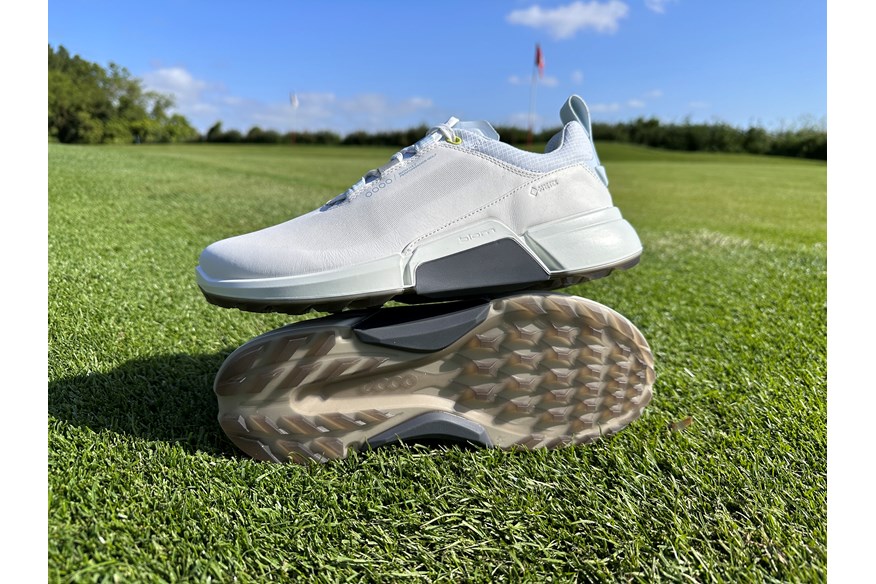
spikeless golf shoes are golf shoes with molded rubber lugs, small traction nubs, or a flat-pattern sole instead of removable metal or plastic spikes. They are made to give golfers grip during the swing while also feeling comfortable on the walk from the tee box to the green. Many spikeless designs also work well away from the course, but their main job is still to support a stable golf stance.
The simple idea is this: your feet help connect your body to the ground. If your feet slide, roll, or lose pressure, your stance can change. That can affect posture, balance, tempo, impact, and follow-through. Spikeless golf shoes aim to give enough traction for these movements without the sharper feel of traditional cleats.
This guide explains what spikeless golf shoes are, how they work, who they suit, how they compare with spiked shoes, and what golfers should know about weather, course care, comfort, rules, and safety. It covers beginners, improving amateurs, juniors, seniors, walkers, and riders.

Quick answer: What are spikeless golf shoes?
Spikeless golf shoes use a rubber or molded outsole for traction instead of removable spikes. Their tread helps the golfer stay stable during the backswing, downswing, and follow-through. They are often light, flexible, and comfortable for walking, but their grip can change with wet grass, steep slopes, mud, and course conditions.

A spikeless shoe does not mean a shoe has no grip. The grip comes from the shape, depth, spacing, and rubber compound of the sole. Some soles have wide lugs for firm ground. Others use many small traction points for a natural feel on turf.
The best choice depends on the golfer and the setting. A new golfer who plays short rounds on dry turf may value comfort and easy walking. A strong player who swings fast on wet, sloped ground may care more about rotational stability. Neither golfer needs the same sole pattern.
How spikeless golf shoes differ from regular shoes
The main difference between spikeless golf shoes and regular athletic shoes is the way the sole supports a golf swing. A running shoe is built for forward motion. A golf shoe must also help manage side-to-side force and rotation.
During a golf swing, pressure moves from one foot to the other. A right-handed player often moves pressure into the trail foot during the backswing, then toward the lead foot during the downswing and impact. A left-handed player makes the same pattern in reverse.
Golf shoes use tread patterns to help the feet stay connected to the turf during this change. A regular sneaker may feel fine while walking but may twist or slide when the golfer turns the hips and pushes into the ground.
What does “spikeless” mean?
“Spikeless” means the sole has no separate cleats that screw into or lock onto the bottom of the shoe. Instead, the traction is part of the sole itself. The tread may include rubber nubs, ridges, waves, hexagons, or other shapes.

Traditional spiked shoes use replaceable spikes or cleats. These parts rise from the sole and press into the turf. Spikeless shoes spread traction across a larger area, so they often feel smoother on firm ground and hard surfaces.
The word “spikeless” does not tell you how much grip a shoe has. One spikeless sole may perform well on damp grass, while another may be better suited to dry, firm turf. The tread pattern matters more than the label alone.
Are spikeless golf shoes waterproof?
Some spikeless golf shoes resist water, while others do not. Water resistance depends on the upper material, seams, tongue design, lining, and treatment. It is not caused by the sole being spikeless.

A golfer who plays early in the morning may face dew even when the sky is clear. A walker on a wet links course may need more protection from moisture than a rider on a dry executive course. Wet socks can cause blisters and can make a round much less comfortable.
No golf shoe remains dry in every condition. Heavy rain, deep rough, standing water, and puddles can overwhelm any shoe. Golfers should check the shoe’s care instructions and allow wet footwear to dry fully before the next round.
How spikeless golf shoe traction works
Spikeless traction works through contact, tread shape, rubber grip, and pressure from the golfer’s feet. The sole presses into the turf and resists unwanted movement as the golfer walks and swings.

A golf swing does not require the feet to be locked in place. The feet must stay stable while still allowing natural movement. The trail heel may lift. The lead foot may roll toward the outside edge during the follow-through. A good sole supports these actions without forcing the feet into a rigid position.
Tread shape and ground contact
Deep lugs can help the sole engage soft ground. Small, closely spaced nubs may feel smooth on firm ground. Wide channels can help shed grass and mud. A broad heel and stable midsole can help some golfers feel balanced while walking.

There is no single perfect tread for every course. A parkland course with soft soil may feel different from a dry desert course. A hilly course creates different demands from a flat municipal course. A links course can be firm, windy, and uneven, with slopes that test both traction and balance.
The golfer’s movement also matters. A slow-tempo beginner may create less force than a player with a fast swing speed. A powerful player who drives the ball 250 yards or more may place more twisting force through the lead foot. This does not mean swing speed alone decides the shoe type. Balance, stance, weather, and walking habits matter too.
Why a stable base matters in the swing
A stable base helps the golfer repeat posture and pressure. Posture is the way the golfer bends from the hips, sets the knees, and holds the spine. Stance is the position and width of the feet before the ball is struck.

If the feet slide during the backswing, the golfer may sway away from the target. If the lead foot slides during the downswing, the body may lose its ability to rotate. The result may be a weak strike, a pull, a push, or poor contact.
Good shoes cannot repair a faulty grip, poor posture, or a rushed tempo. They can only provide a better connection with the ground. A golf lesson with a PGA professional is a better path for a recurring swing fault.
💡 Pro Tip: Before blaming your shoes for a balance problem, make slow practice swings without a ball. Keep pressure smooth, not forced. If your feet stay stable at half speed but slide at full speed, the issue may involve tempo, swing force, or ground conditions.
Main benefits of spikeless golf shoes
The main benefits of spikeless golf shoes are comfort, flexibility, easy walking, and smooth movement across many surfaces. They can suit golfers who play casual rounds, walk often, or prefer a less rigid feel under the feet.

These benefits are not equal for every golfer. A senior golfer with stiff ankles may value flexibility. A junior golfer may need light footwear that does not limit natural movement. A tournament player may focus more on grip during wet conditions.
Walking comfort
Many spikeless golf shoes have a flexible sole and a walking-friendly shape. This can make a difference over 18 holes. A full round may involve several miles of walking, depending on the course layout, tee choice, and route between greens and tees.

Walking comfort also depends on fit, socks, foot shape, and conditioning. A shoe that feels fine for nine holes may feel different over a longer round. New golfers should build walking time slowly if they are not used to golf.
Senior golfers and players returning from time away may benefit from a warm-up routine. Gentle ankle circles, calf raises, hip turns, and short practice swings can prepare the body. Stop if pain develops.
Flexibility and natural foot movement
A flexible sole can help the foot move through the swing. This may suit golfers who dislike a stiff or raised cleat. It can also help when walking on cart paths, clubhouse floors, or firm tee boxes.
Flexibility has limits. A very soft sole may feel less supportive to a golfer with weak ankles or poor balance. A player with a history of foot, knee, or back pain may need advice from a medical professional or qualified fitter.
The goal is not maximum softness. The goal is a useful balance of support, grip, and comfort.
Versatility beyond the course
Many spikeless golf shoes have a sole that feels natural on hard surfaces. This can be useful when walking from a parking area to the practice green or moving between a clubhouse and a tee box.

Still, golfers should respect course and club policies. Some facilities ask players to change shoes before entering certain areas. A clean sole protects floors and helps reduce the spread of soil and grass.
Easy turf contact
Spikeless soles spread contact over a broad area. This may create a smooth feel on firm fairways and tee boxes. It can also reduce the sharp pressure points that some golfers feel from traditional spikes.

That broad contact does not always equal more grip. On wet slopes, loose soil, or deep grass, a spiked sole may offer more bite. A golfer should match the shoe’s traction to the course rather than assume one type is always better.
Spikeless versus spiked golf shoes
The main difference between spikeless and spiked golf shoes is how they create traction. Spikeless shoes use built-in rubber tread. Spiked shoes use separate cleats that press more deeply into the turf.
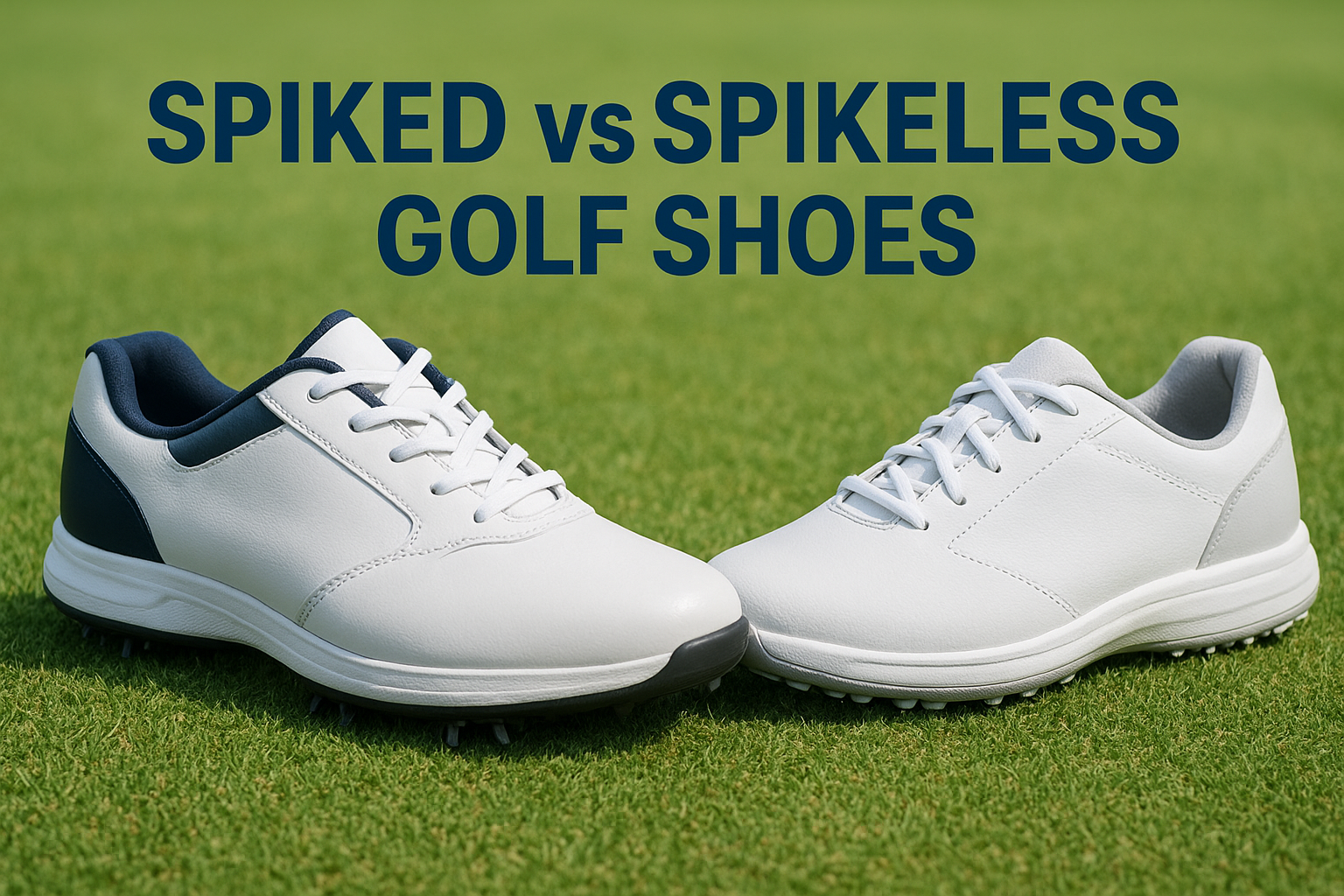
Both types can support a sound golf swing. The right choice depends on course conditions, walking needs, swing force, foot health, and local rules. Skill level alone does not decide the answer.
| Feature | Spikeless golf shoes | Spiked golf shoes |
|---|---|---|
| Traction source | Molded tread or rubber lugs | Replaceable spikes or cleats |
| Walking feel | Often flexible and smooth | Often firmer and more planted |
| Best setting | Firm or mixed turf, regular walking | Wet, soft, steep, or demanding turf |
| Surface comfort | Usually easier on hard surfaces | May feel less natural off the turf |
| Maintenance | Inspect and clean the sole | Inspect, clean, and replace worn spikes |
Spikeless shoes often suit casual players, walkers, juniors, and golfers on firm courses. Spiked shoes may suit golfers who play in wet climates, face steep slopes, or create strong rotational forces.
Does a fast swing require spikes?
A fast swing does not automatically require spiked shoes. Swing speed is only one factor. Ground firmness, foot pressure, balance, and weather also affect traction needs.

A golfer with a smooth tempo and strong balance may use spikeless shoes successfully at a high swing speed. A slower swinger may still slip if the ground is wet and the course is steep. The shoe should match the actual playing conditions.
Do professionals use spikeless shoes?
Tour players and elite amateurs may use either style. Their choice can change with course setup, weather, practice needs, and personal comfort. A professional’s choice is not a rule for every golfer.
A beginner should not copy a professional’s footwear choice without considering walking comfort and local conditions. A junior’s foot shape, growth, and movement needs also differ from those of an adult tournament player.
Who should wear spikeless golf shoes?
Spikeless golf shoes can suit most golfers, but they are especially useful for players who value comfort, walk often, play on firm turf, or move between the course and hard surfaces. They can work for men, women, seniors, juniors, right-handed players, and left-handed players.
The shoe does not need to match the golfer’s hand preference. A right-handed and left-handed golfer can use the same type of sole. The difference in swing direction may change which foot receives more pressure, but the need for stable contact applies to both.
| Golfer type | Why spikeless may suit | Limitation to consider |
|---|---|---|
| Beginner | Comfortable for learning stance and balance | May not grip well on wet slopes |
| Senior golfer | Flexible feel for walking and movement | Needs enough ankle and arch support |
| Junior golfer | Light feel for practice and play | Must fit well and allow natural growth |
| Frequent walker | Smooth feel over many holes | Tread must handle long rounds |
| Casual player | Easy for short rounds and practice | Performance may vary by weather |
| Fast swinger | Can work with good balance and tempo | Strong rotation may need more traction |
| Wet-climate player | Useful in mild moisture with suitable tread | Deep wet ground can reduce grip |
The main takeaway is that skill level does not decide the shoe by itself. Conditions and comfort matter just as much.
Spikeless shoes for beginners
Spikeless golf shoes can be a good starting point for new golfers who practice on a driving range, play an executive course, or walk only a few holes at first. They may make the transition from regular shoes easier.
Beginners should focus on basic setup first. Place the feet about shoulder-width apart for a mid-iron, keep the knees soft, bend from the hips, and let the arms hang. The shoes should support this stance without forcing the feet outward or inward.
A new golfer may take several practice sessions to feel stable. That is normal. Learning balance, grip, posture, and tempo takes time. Shoes are one small part of the process.
Spikeless shoes for seniors
Spikeless golf shoes can suit seniors who want less weight and a more natural walking feel. However, comfort should not come at the cost of support.
Older golfers may face reduced ankle mobility, balance changes, arthritis, or foot sensitivity. A stable heel, good cushioning, and a secure fit may matter more than a soft upper. A senior golfer with pain should speak with a doctor or health professional before changing activity or footwear.
A shorter course, such as an executive course, may be a useful setting for testing comfort and walking endurance. This is a course-management choice, not a sign that the golfer cannot play a full-length course.
Spikeless shoes for women
Women’s feet often differ in width, heel shape, and arch shape, but there is no universal rule for women’s golf shoes. The best fit depends on the individual golfer.
Women golfers should look for a secure heel, enough room for the toes, and even pressure across the midfoot. A narrow toe box can cause rubbing and blisters. A loose heel can create sliding and reduce confidence during the swing.
Pregnant golfers or players with changing foot comfort should ask a medical professional about safe activity. Golf fitness and balance needs can change during pregnancy.
Spikeless shoes for juniors
Spikeless golf shoes can work well for juniors who play short rounds, practice on turf, or move between school, practice, and the course. The main concern is proper fit and safe movement.
Junior golfers should not wear shoes that are too large in hopes of using them longer. Extra space can cause the foot to slide inside the shoe. That can affect balance and increase the risk of blisters or trips.
Parents should also check the practice area before a junior swings. Keep a safe gap from other players, clubs, carts, and loose balls. Junior-sized equipment and a simple warm-up can help young players move with control.
👪 Parent or Beginner Note: Children learn balance through movement, not through stiff force. Let a junior make small swings, pitch, chip, and putt before asking for full-power drives. If the child reports pain, stop play and seek medical advice.
When spikeless shoes may not be the best fit
Spikeless shoes may not suit every course or golfer. They can be less effective when the ground is saturated, the slope is severe, or the tread is worn smooth.
A course superintendent manages grass, soil, drainage, and turf health. Wet turf can become soft and fragile. Walking in the wrong place or turning sharply can damage the surface, even when the shoe provides good grip.
Golfers who play in heavy rain, steep terrain, or soft soil should pay close attention to traction. A player who repeatedly slips may need a different sole pattern, a different shoe type, or a lesson on balance and foot pressure.
| Playing condition | What may happen in spikeless shoes | Helpful response |
|---|---|---|
| Dry, firm fairway | Usually stable and comfortable | Use normal stance and smooth tempo |
| Morning dew | Light slipping may occur | Shorten steps and keep pressure steady |
| Heavy rain | Tread can lose grip in soft soil | Avoid sharp turns and check local guidance |
| Steep sidehill lie | Foot may roll or slide | Widen stance and swing within balance |
| Deep rough | Grass can hide uneven ground | Walk slowly and test footing |
| Hard cart path | Sole may feel comfortable | Follow cart rules and stay alert |
| Mud near drains | Tread may clog | Clean soles and choose firm footing |
The takeaway is simple: spikeless traction works best when the tread can contact stable ground.
Walking versus riding
A walker may notice shoe comfort more than a golfer who rides. Walking adds repeated impact, changing slopes, and longer exposure to damp grass.
A rider still needs stable shoes. Getting in and out of a cart, stepping onto uneven ground, and swinging from different lies all require balance. Cart users should keep hands and feet inside the cart, follow course signs, and slow down near slopes.
Walking golfers should plan hydration and sun protection. In hot weather, drink water before feeling thirsty, wear suitable sun protection, and take breaks when needed. Heat illness can develop quickly.
Course type and ground conditions
A links course often has firm turf, wind, uneven lies, and natural slopes. A parkland course may have softer soil and more tree cover. A desert course can have hard paths, dry grass, and sharp changes between maintained turf and rough.
An executive course usually has shorter holes and may suit a golfer building confidence or managing fatigue. A long championship course may demand more walking, more swings, and more careful planning.
Course management includes more than choosing a club. It also includes reading the lie, choosing a safe route, controlling pace of play, and protecting the turf. Footwear supports these goals but does not replace them.
Golf rules and spikeless shoes
Under the Rules of Golf, ordinary golf shoes are generally permitted equipment. Spikeless shoes do not create a special scoring rule or penalty simply because they lack spikes.
The key issue is not usually spikeless versus spiked. It is whether the shoes meet the conditions set by the Committee, club, event, or course. Some facilities may restrict certain sole types to protect greens or turf. Players should check the current Rules of Golf, local rules, and event instructions.
📜 Check the Rules: Rules, equipment policies, and local conditions can change. Check the latest Rules of Golf and your local committee before a competition, especially if the event has unusual footwear or equipment requirements.
Spikeless shoes and the putting green
Golfers should avoid dragging their feet on the putting green. This applies whether the shoes are spikeless or spiked.
Walk carefully around the green. Do not stand close to another player’s putting line, and do not step on a damaged area when you can avoid it. Repair ball marks, replace or fill divots where allowed, and leave the green ready for the next group.
A spikeless sole may reduce the chance of sharp spike marks, but it does not give permission to ignore green care. A careless step can still press turf down or leave a mark.
Footwear and tournament play
In stroke play, players count every stroke over the round. In match play, players compete hole by hole. In a scramble, a team selects the best shot and continues from there. Stableford awards points based on results against a target score.
The format does not normally change whether spikeless shoes are allowed. The event conditions and local rules control that question. Players should ask the Committee before play if they are unsure.
Rules officials may also address conduct, pace of play, and damage to the course. A player should not use footwear as an excuse for slow play or unsafe movement.
Common mistakes with spikeless golf shoes
The most common mistake is assuming that every spikeless sole has the same grip. Other errors include wearing a poor fit, ignoring worn tread, and blaming footwear for a swing fault.
New golfers often focus on the shoe while missing the basics. A narrow stance, locked knees, poor posture, or rushed downswing can make balance difficult even on dry turf. A shoe can support technique, but it cannot create it.
| Common mistake | Why it causes trouble | Better approach |
|---|---|---|
| Choosing by appearance alone | The tread may not match the course | Study the sole and playing conditions |
| Wearing a loose fit | The foot moves inside the shoe | Use a secure, comfortable fit |
| Ignoring wet grass | Dew and rain reduce traction | Take shorter steps and slow the tempo |
| Using worn tread | Smooth lugs provide less grip | Inspect the sole before play |
| Blaming every slip on footwear | Balance or tempo may be the cause | Check stance, pressure, and swing speed |
| Dragging feet on greens | Turf can be marked or bruised | Lift each foot and walk carefully |
| Playing through pain | Pain can worsen with repeated swings | Stop and seek medical advice |
The best approach is to treat shoes as part of a complete setup. Grip, stance, posture, tempo, course conditions, and fitness all work together.
Wearing the wrong size
A shoe that is too tight can cause numbness, hot spots, and blisters. A shoe that is too loose can allow the heel to lift and the foot to slide during impact.
Feet can swell during a long walk, especially in heat. Socks also change the fit. A golfer should pay attention to pressure points after practice, not only during the first few minutes.
If a foot problem continues, consult a medical professional. Persistent pain in the foot, ankle, knee, hip, back, elbow, or wrist should not be ignored.
Using worn or clogged tread
Grass, mud, and sand can fill the tread. This reduces the amount of rubber that touches the ground. Worn lugs can have the same effect.
Clean the sole after play with a suitable brush or cloth. Follow care instructions for the shoe material. Do not use a sharp tool in a way that could damage the sole or injure your hand.
Inspect the heel and forefoot areas. These parts often show wear first because they receive repeated pressure during walking and the swing.
Swinging too hard for the ground
A golfer may slip because the swing force exceeds the available grip. This can happen with any shoe type. Wet ground, sidehill lies, and loose sand make the problem more likely.
The solution may be a shorter backswing, smoother tempo, or less aggressive club choice. For example, a three-quarter iron swing may be safer than a full swing from a damp lie. This advice suits beginners and improving players who value contact and balance over maximum distance.
How to test whether your shoes support your swing
The best way to assess spikeless golf shoes is to test balance, movement, and comfort in safe practice settings. Do not wait until a tournament or a wet round to learn how the sole behaves.
Start with a warm-up at the driving range. Make easy swings with a wedge, then a mid-iron, then a fairway club. Notice whether the feet stay stable and whether you can finish the swing without forcing the body.
A golfer should not test traction by intentionally twisting hard on the green. Use the practice tee or a safe grass area. Keep clear of other players and obey range rules.
A simple three-part test
Use this short test for a new pair or an unfamiliar sole. It suits beginners and experienced golfers who want to understand their footing.
- Walking test: Walk on flat grass, a cart path, and a mild slope. Notice heel movement, toe pressure, and comfort.
- Balance test: Make slow practice swings without a ball. Check whether the feet remain stable from setup through follow-through.
- Swing test: Hit short shots, chips, and full shots. Try normal tempo before testing a stronger swing.
If the shoe feels secure at half speed but slips during a full swing, reduce force first. A PGA professional can help assess whether the issue is equipment, technique, or ground contact.
Short-game testing
Chipping, pitching, bunker shots, and putting use different foot patterns. Test the shoes with each type of shot.
For a chip, keep the stance narrow and the ball slightly back of center. For a pitch, allow more wrist and body motion while keeping balance. In a bunker, the feet may need to dig into the sand, but do not damage the face of the bunker more than needed.
Putting needs quiet feet and a stable base. Green reading means judging the direction and amount of break. Shoes do not read the green, but poor balance can affect the stroke.
Spikeless golf shoes and golf fitness
Golf fitness can improve walking tolerance, balance, hip rotation, and control. Spikeless shoes may feel more natural, but the body still needs preparation for repeated swings and uneven ground.
A simple routine may include five minutes of easy walking, ankle circles, calf raises, hip turns, torso rotations, and slow practice swings. This suits most healthy adult golfers. People with medical conditions should ask a health professional for suitable exercises.
Strength is not the only goal. Mobility and balance help the golfer keep pressure under control. A stable lead leg and mobile hips can reduce the urge to slide during the downswing.
A safe warm-up routine
Use this routine before a round or practice session. Keep the movements gentle and pain-free.
- Walk slowly for two to five minutes.
- Make 10 ankle circles in each direction.
- Do 10 calf raises while holding a stable object.
- Make 10 controlled hip turns.
- Make 10 shoulder circles.
- Take half-swings with a wedge.
- Build toward full swings only after the body feels ready.
Do not stretch into sharp pain. Do not swing at full speed before the body is warm. Stop if you feel dizziness, chest pain, sudden weakness, or severe pain.
⚠️ Safety Warning: Leave the course at the first lightning warning or when the course issues an evacuation alert. Do not shelter under a tree. In heat, use water, shade, sun protection, and rest periods.
Care, course etiquette, and shoe safety
Good golf etiquette includes caring for the course, keeping pace, and moving safely. Spikeless shoes do not remove these duties.
Repair ball marks on greens. Rake bunkers after a shot. Replace divots where the course asks players to do so. Keep carts away from restricted areas, follow directional signs, and dispose of litter, broken tees, and old balls properly.
Avoid walking through another group’s line or standing near a player who is swinging. Give the group ahead enough space. Shout “Fore!” when a shot may endanger someone.
Cleaning and storage
Clean grass and soil from the tread after each round. Let wet shoes dry in a ventilated place. Avoid high heat that may damage materials or change the shape of the shoe.
Check the sole before the next round. Look for loose sections, worn lugs, cracks, and uneven wear. If the tread no longer gives reliable contact, the shoe may not suit the course conditions.
A clean sole also helps protect club floors and locker-room areas. Some facilities require golfers to remove muddy footwear before entering indoor spaces.
Cart and walking safety
Cart paths can be hard, wet, and slippery. Spikeless soles may feel smooth on them, but golfers should still walk with care. Step down from a cart slowly and keep hands free when possible.
When walking, watch for sprinkler heads, drainage covers, exposed roots, rocks, and hidden holes. Do not run to catch up with a group. Pace of play matters, but safety comes first.
Frequently asked questions
Q: Are spikeless golf shoes good for beginners?
A: Yes, they can suit beginners who play on firm or mixed turf and want a comfortable walking feel. New golfers should still check traction, fit, and weather. A shoe cannot replace lessons on grip, stance, posture, balance, and tempo.
Q: Are spikeless shoes allowed in golf?
A: In general, ordinary spikeless golf shoes are allowed. A club, course, tournament, or Committee may set its own footwear policy. Check the latest Rules of Golf and local rules before competitive play.
Q: Do spikeless golf shoes have enough grip?
A: They can have enough grip for many rounds, especially on dry and firm turf. Grip varies by tread pattern, rubber, wear, slope, and weather. Wet grass and soft soil can reduce traction.
Q: Can I wear regular sneakers for golf?
A: You can wear regular sneakers for some casual practice, but they may not provide enough side-to-side grip for a full swing. Running shoes are made mainly for forward motion. Golf shoes are designed for walking and rotational movement on turf.
Q: Are spikeless golf shoes better for walking?
A: They often feel smooth and flexible for walking, but comfort depends on fit, support, foot shape, and conditioning. A golfer who walks 18 holes should test comfort over time and prepare with a warm-up routine.
Q: Are spikeless golf shoes good in rain?
A: They can work in light rain if the tread and upper suit the conditions. Heavy rain, mud, steep slopes, and saturated ground can reduce grip. Walk carefully and follow course guidance.
Q: Do seniors need spiked golf shoes?
A: Not always. Seniors should choose based on balance, support, comfort, weather, and course terrain. A golfer with foot or joint pain should consult a doctor or health professional.
Q: Are spikeless golf shoes suitable for juniors?
A: Yes, if they fit securely and allow natural movement. Parents should check the sole, avoid oversized shoes, and supervise safe practice. Juniors should stop if they feel pain.
Q: Do spikeless shoes change a golf swing?
A: They can change how the feet feel on the ground, but they do not automatically change swing mechanics. If a golfer slides, review stance width, pressure, tempo, and balance before making a major equipment decision.
Q: How long do spikeless golf shoes last?
A: There is no fixed lifespan. Use, walking distance, weather, cleaning, body weight, and tread wear all matter. Inspect the sole and upper often. Replace or stop using footwear when it no longer feels secure or causes pain.
Q: Can I wear spikeless golf shoes off the course?
A: Many are comfortable on hard surfaces, but golfers should clean the soles first and follow club rules. Avoid carrying mud or turf into indoor areas.
Q: Are spiked shoes better for a fast swing?
A: Not automatically. A fast swing can create more ground force, but balance, tempo, turf, and weather also matter. A golfer with a fast swing should test stability rather than assume one style is required.
Q: Do left-handed golfers need different golf shoes?
A: No. Left-handed and right-handed golfers can use the same shoe type. Both need stable contact, natural foot movement, and enough traction for the direction of their swing.
Q: How hard is it to get used to spikeless golf shoes?
A: Most golfers can learn the feel during a few practice sessions, but the time varies. Start with walking, short swings, chipping, and putting before full-power shots. If the feet feel unstable, slow down and seek professional advice.
Q: Can shoes lower my handicap index?
A: Shoes alone do not lower a handicap index. A handicap index reflects demonstrated scoring ability across acceptable rounds and course ratings. Better comfort and stability can support practice, but they do not replace skill, course management, or consistent play.
Final thoughts
Spikeless golf shoes are golf shoes that use built-in rubber traction instead of removable spikes. They can offer a comfortable, flexible feel for walking and play on many types of turf. They may suit beginners, improving golfers, juniors, seniors, men, women, left-handed players, and right-handed players.
The best choice depends on more than skill level. Consider the course, weather, slope, walking distance, foot comfort, swing tempo, and need for support. Check the tread, keep it clean, protect the course, follow local rules, and never ignore pain or unsafe weather.
A stable golf swing begins with a balanced body and a reliable connection to the ground. Spikeless shoes can support that connection, but sound fundamentals, sensible practice, good etiquette, and safe decisions remain the foundation of enjoyable golf.